Villa Zonneschijn — History & Facts
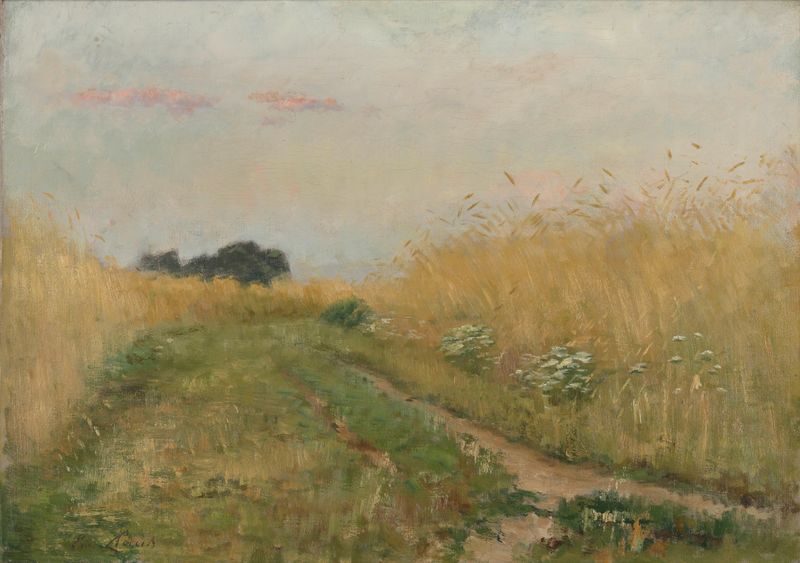
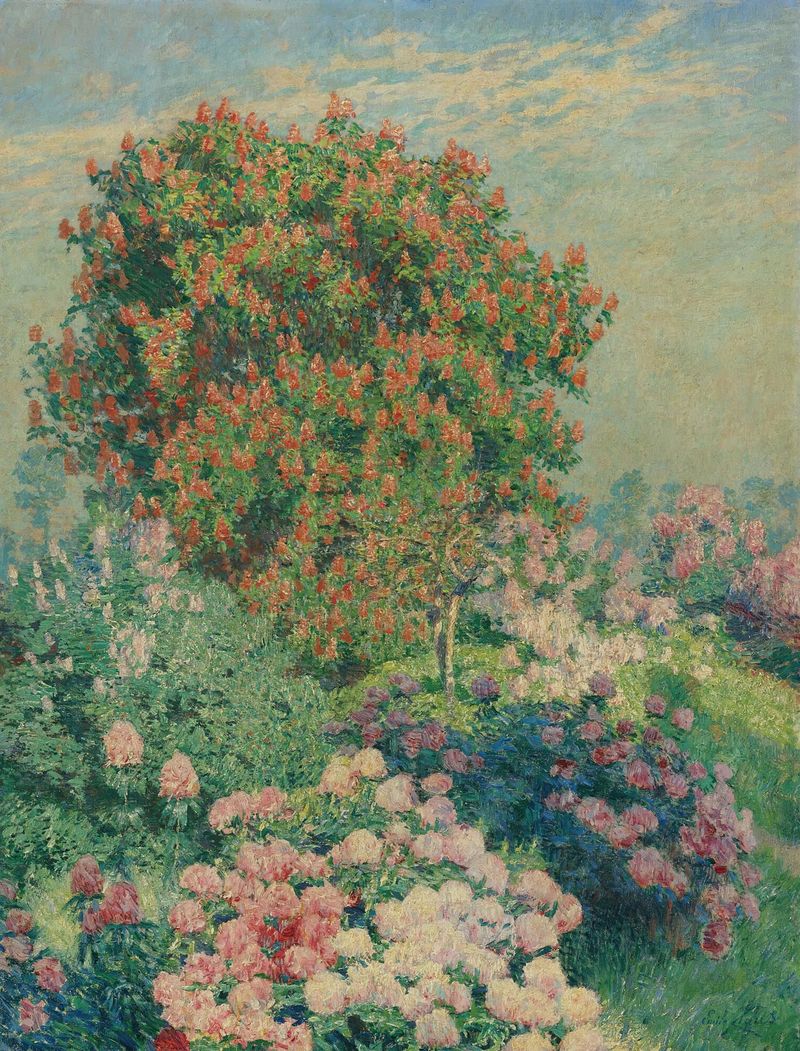
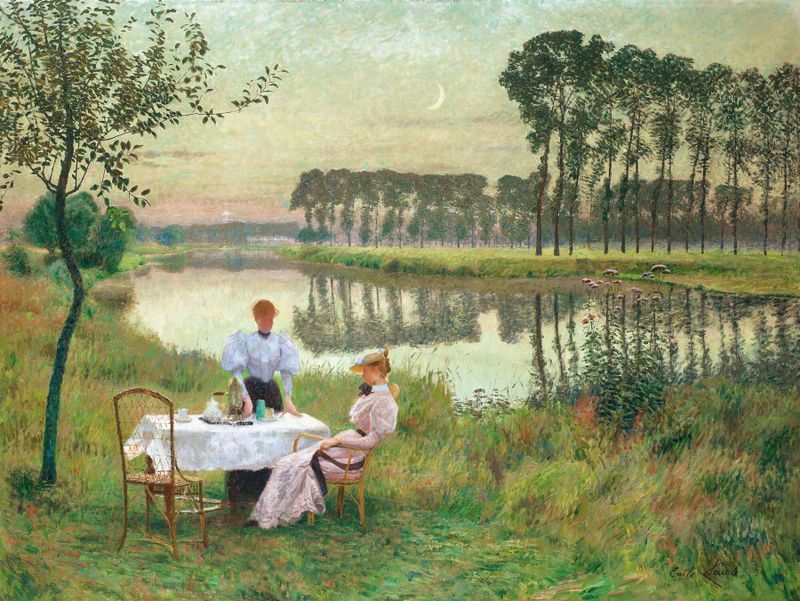
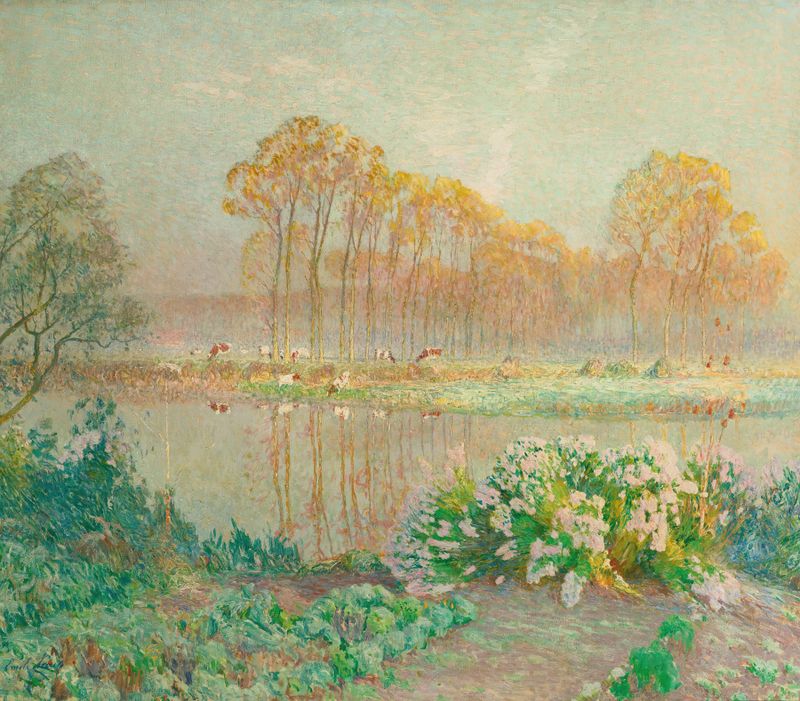
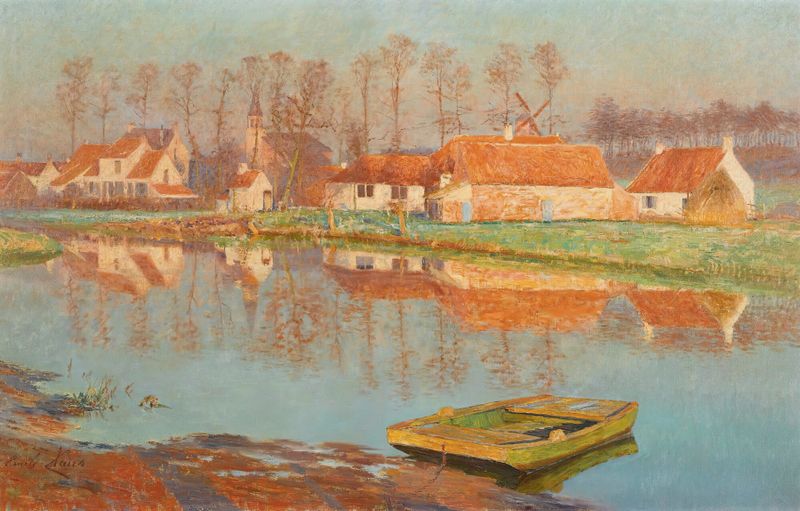
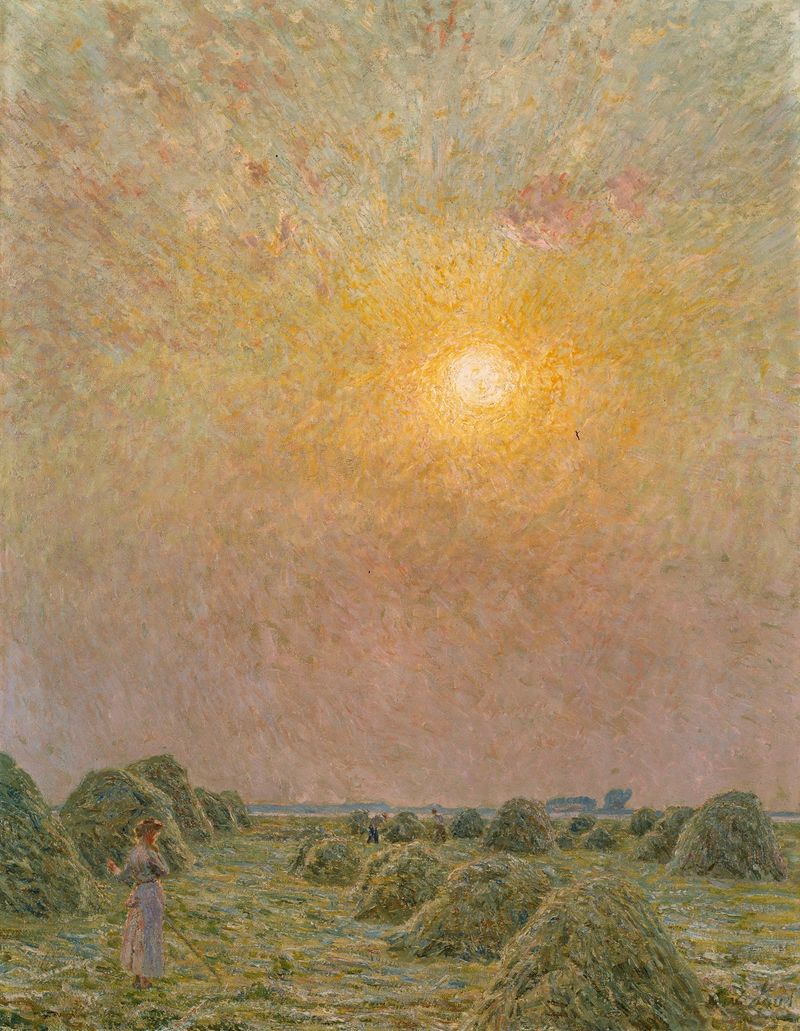
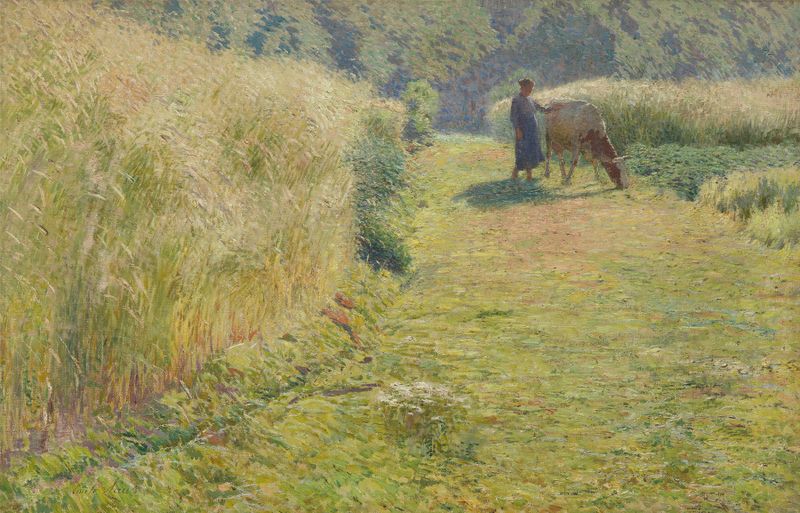
In the quiet moments of awakening, the essence of existence comes alive in mesmerizing hues and gentle strokes. Look to the vibrant brushstrokes that form the façade of Villa Zonneschijn, where the interplay of light and shadow captures the golden hour's embrace. Notice how the sun spills over the rooflines and illuminates the verdant landscape surrounding the villa, a harmonious blend of nature and architecture. Your gaze is drawn to the textured details of the foliage, the delicate flowers blooming in the foreground, and the azure sky that hints at a newer dawn. Beyond its picturesque beauty lies a deeper narrative—a contrast between nature's vitality and the stillness of human creation.
The villa stands as a symbol of tranquility amid a world that often rushes past. The play of light not only accentuates the vibrancy of the scene but also evokes a sense of hope, suggesting a rebirth or awakening. Each brushstroke reverberates with the pulse of life, inviting reflection on the relationship between humanity and the natural world. Emile Claus painted this evocative scene in 1906, during a period when Impressionism was evolving in Belgium.
He was known for his sensitivity to light and color, which mirrored the changing dynamics of modern life. At this time, he sought to capture fleeting moments of beauty, making Villa Zonneschijn a testament to both personal and collective rediscovery amidst the shifting currents of the early 20th century.