Sunset — History & Facts
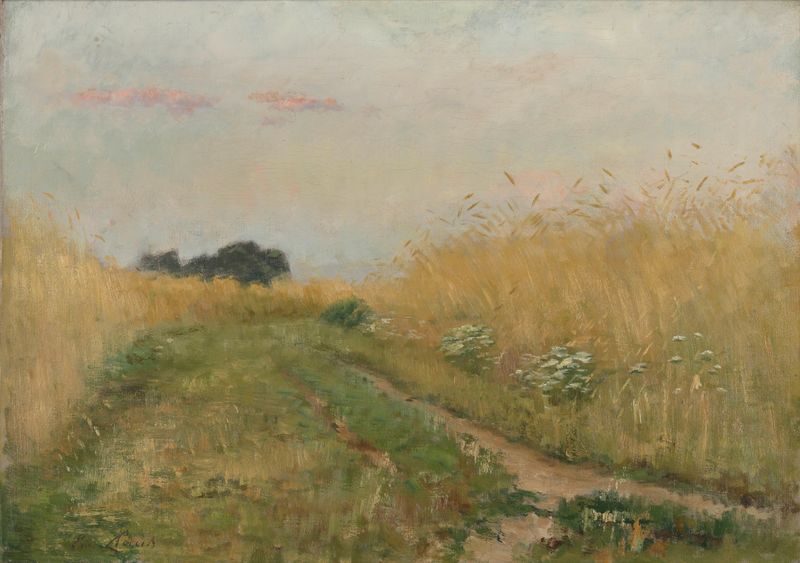
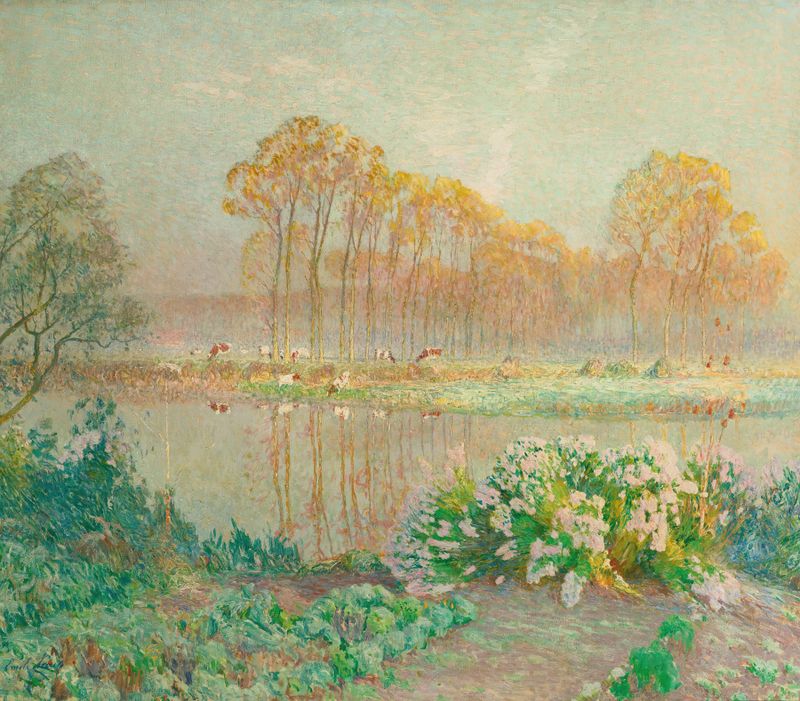
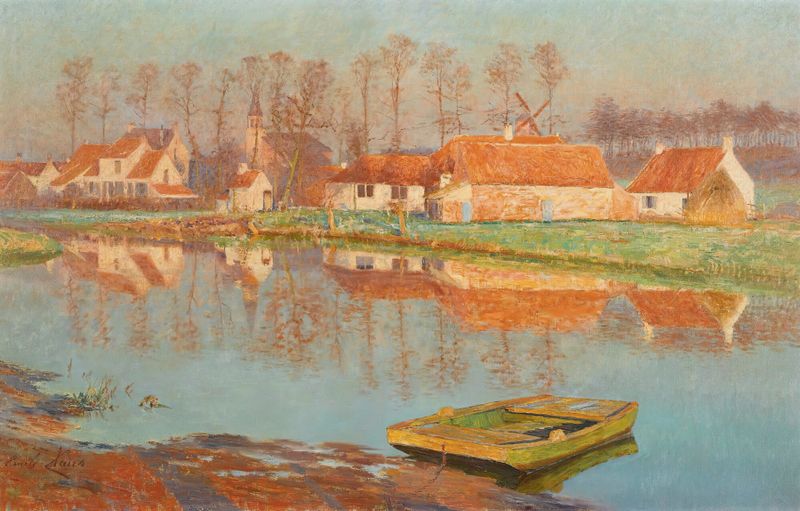
This sentiment echoes through Sunset, inducing a sense of ecstatic wonder that envelops the viewer. As the day ebbs into twilight, the vibrant palette of oranges and purples beckons us into a realm where nature’s beauty transcends the ordinary. Look to the horizon where the sun, a molten orb, dips below the landscape. Notice how vibrant strokes of color blend together; the cerulean sky transitions seamlessly into warm hues, igniting the clouds with an ethereal glow.
The artist's technique reveals a deliberate freedom—each brushstroke dances with emotion, celebrating the fleeting moment before nightfall. The composition balances natural forms and luminous light, inviting you to breathe in the serenity of dusk. Yet, beneath this enchantment lies a deeper narrative. The swirling clouds seem to echo the turmoil of a world caught between day and night—a metaphor for the struggles inherent in transition.
The tension between light and shadow whispers of life's ephemeral nature, while the radiant hues uplift, suggesting a possibility of renewal. In Sunset, ecstasy dances on the edge of melancholy, connecting the viewer to the profound beauty of change. Emile Claus painted this piece in 1911, during a period of personal reflection and artistic evolution. Living in Belgium, he was immersed in the avant-garde movements of the time, pushing beyond traditional boundaries.
As a key figure in the luminism movement, Claus sought to convey the emotional resonance of light, informed by both personal sentiment and the broader shifts in the art world around him.