Les arbres verts — History & Facts
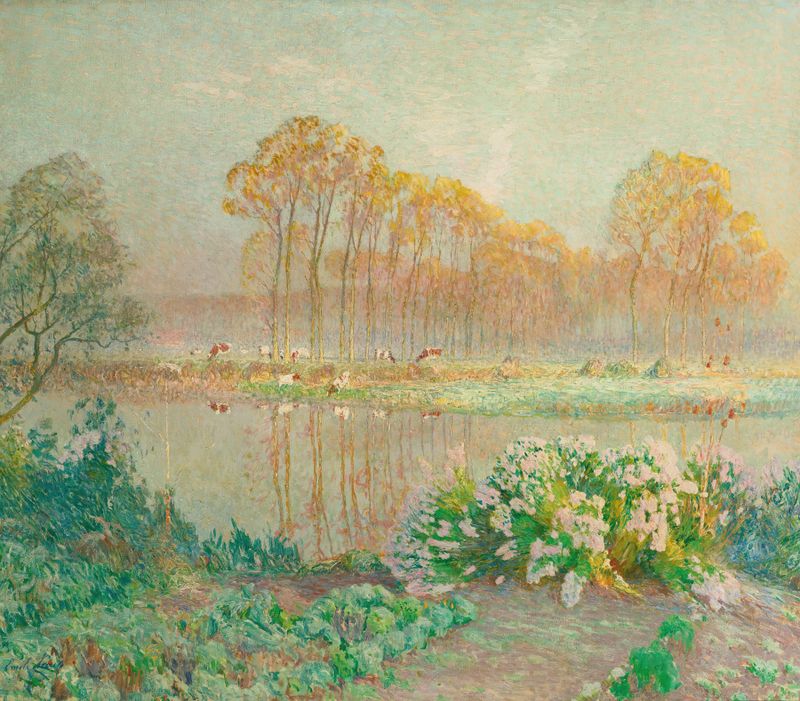
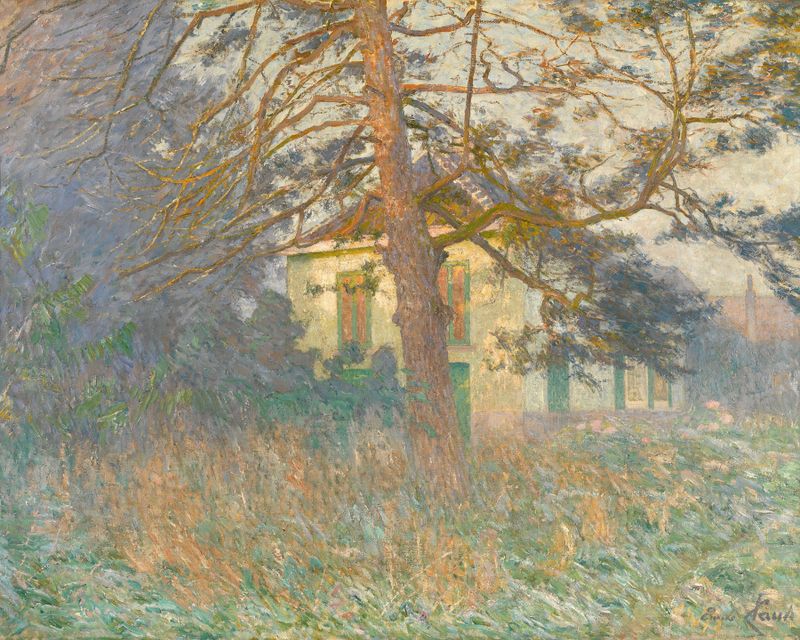
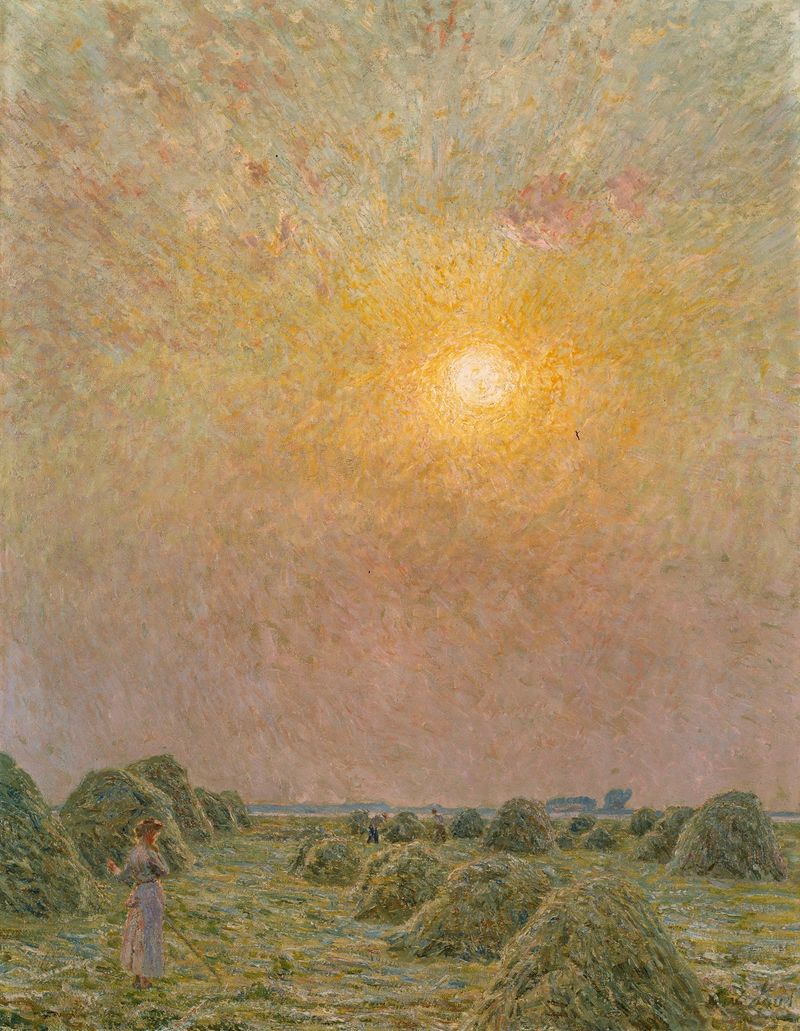
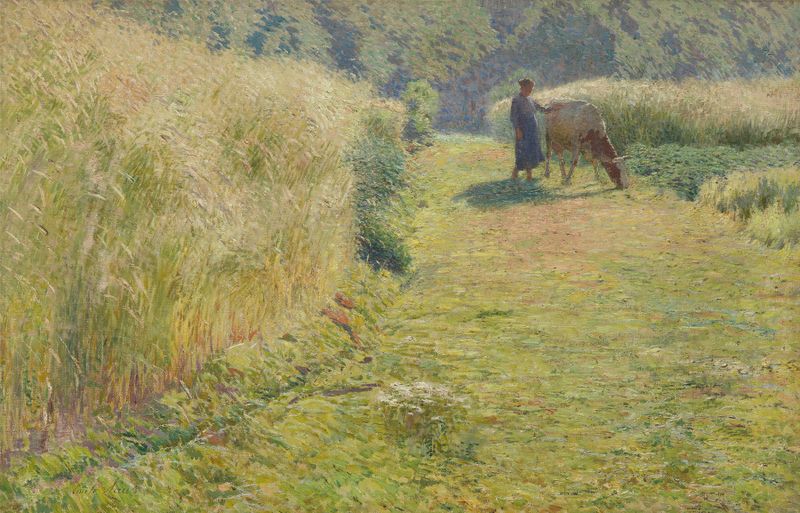
In a world where the ephemeral dances with permanence, one can’t help but wonder what stories lie within the depths of muted greens and softened browns. Look to the center, where the gentle sway of trees beckons your eye. The brushstrokes, a blend of thick impasto and delicate washes, create a texture that invites touch. Notice how the light filters through the leaves, casting dappled shadows on the ground below.
The artist’s choice of palette—a symphony of earthy hues—evokes a sense of quiet contemplation, as if nature itself is holding its breath in the midst of transition. Beneath the surface, there lies a poignant contrast between vitality and stillness, life and memory. The trees stand sentinel-like, embodying an enduring strength, yet their very stillness hints at a unspoken sorrow, an echo of what has been lost. The interplay of light and shadow suggests fleeting moments of joy intertwined with an inevitable melancholy, encapsulating the bittersweet nature of existence itself. Emile Claus painted this scene in 1918, a time marked by the aftershocks of World War I and an evolving art world.
Living in Belgium, Claus was deeply influenced by Impressionist principles, yet he sought to capture the emotional resonance within nature. This work reflects both his personal experiences and the broader societal shifts of a post-war landscape, a place where beauty and grief coexist in quiet harmony.