Discover insights about this artwork
Le Veau Blanc — History & Facts
In Le Veau Blanc, Gustave Courbet presents a white calf in a serene pastoral setting. The calf is depicted with soft, realistic details, showcasing its gentle features. Surrounding the calf, lush greenery and a tranquil atmosphere enhance the naturalistic quality of the scene.
The color palette consists of earthy tones, with vibrant greens contrasting against the white of the calf's fur. This painting is an excellent example of Realism, a movement that sought to depict everyday life with accuracy. Courbet's technique involves thick brushstrokes and a focus on texture, which brings the calf to life. The dimensions of the painting are approximately 60 x 80 cm, making it a medium-sized work that invites close inspection.
The use of oil on canvas allows for rich color depth and detail. Le Veau Blanc was created during a period when Courbet was exploring themes of nature and rural life. This work reflects his commitment to portraying the world as it is, without idealization. An interesting fact about this painting is that it was part of Courbet's exhibition at the Salon of 1866, where it received significant attention.
This piece exemplifies his belief in the importance of depicting ordinary subjects in art.
More Artworks by Gustave Courbet
Origin of the World
Gustave Courbet
Marine
Gustave Courbet
Waves
Gustave Courbet
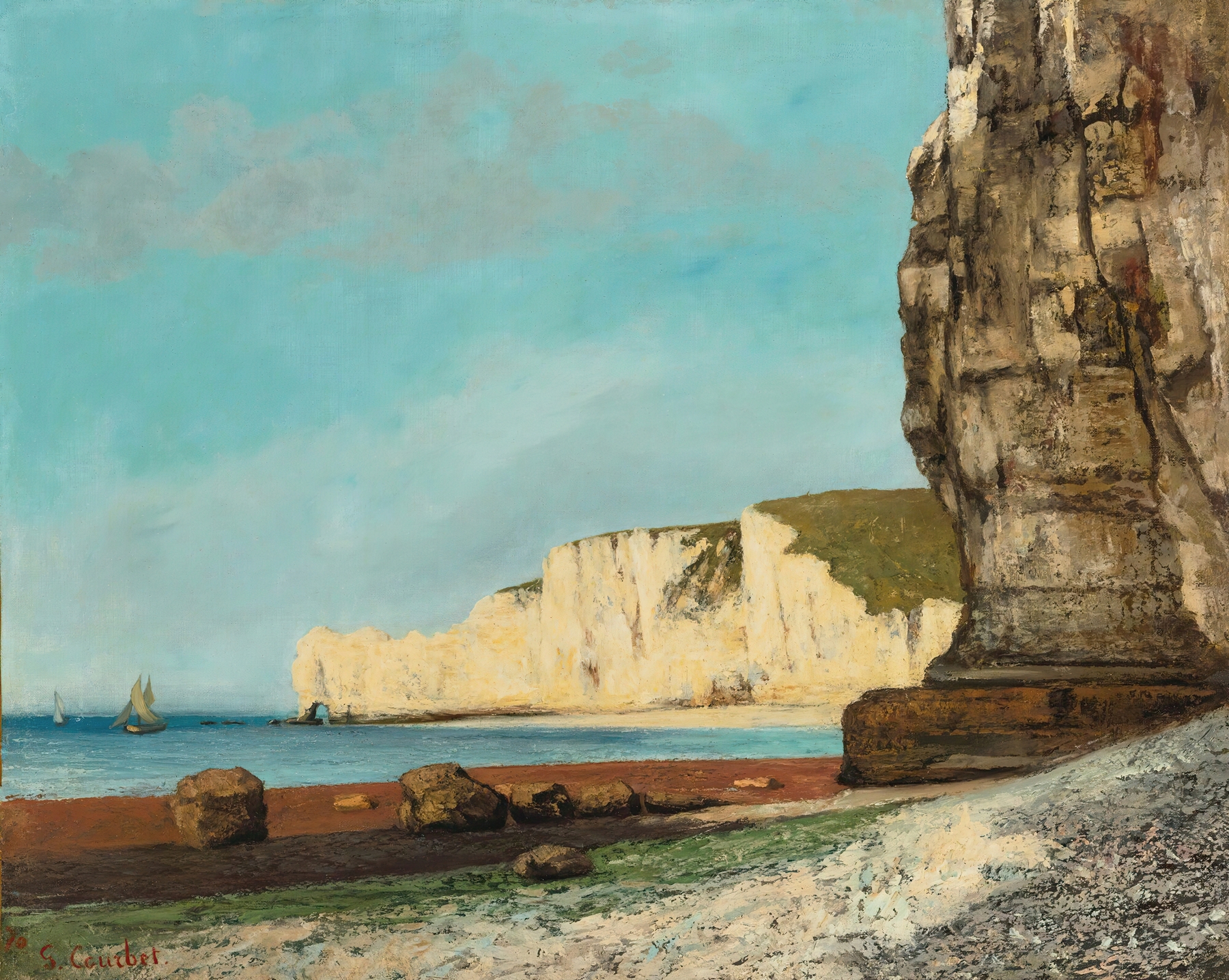
Étretat; Les Falaises
Gustave Courbet
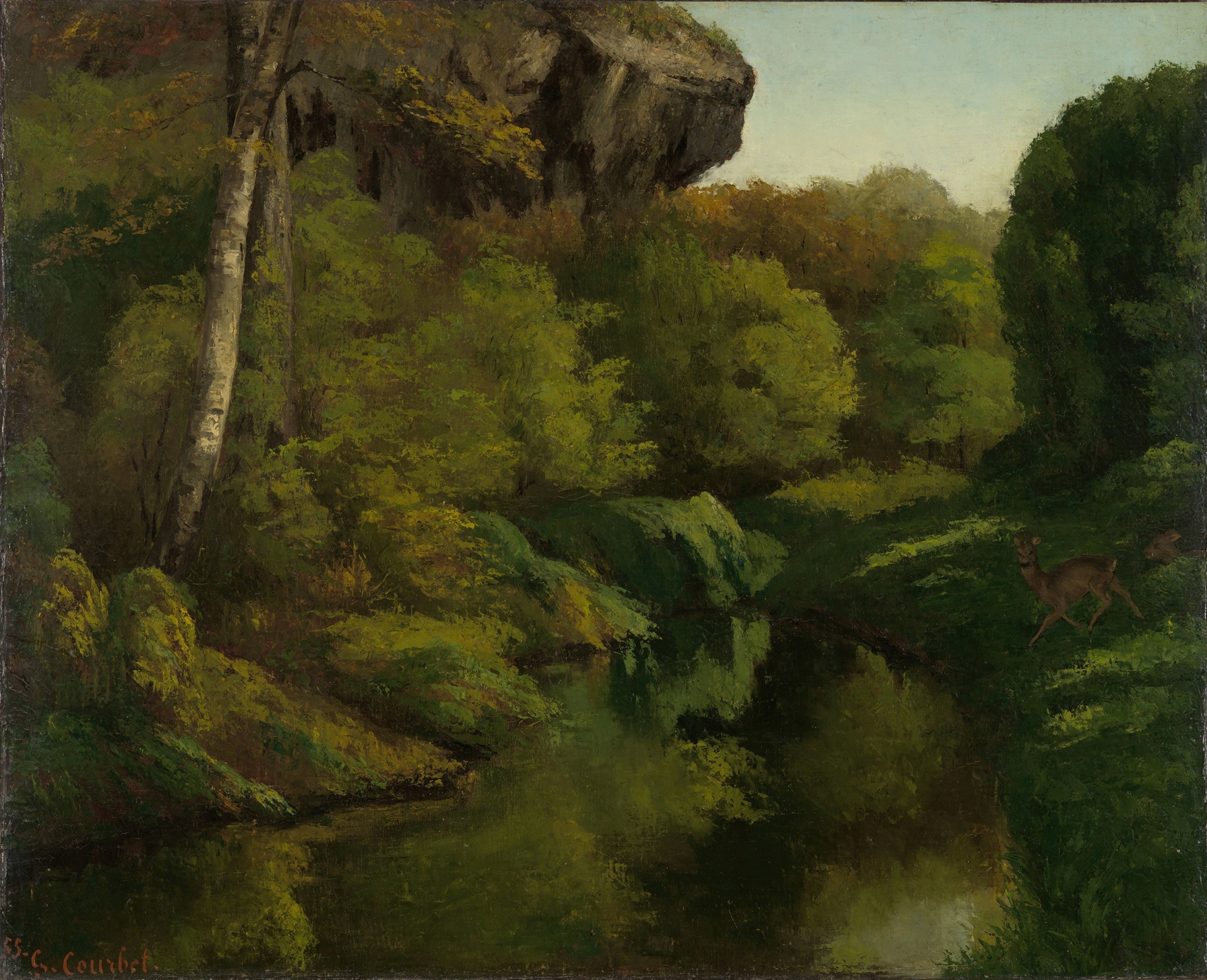
View in the Forest of Fontainebleau
Gustave Courbet
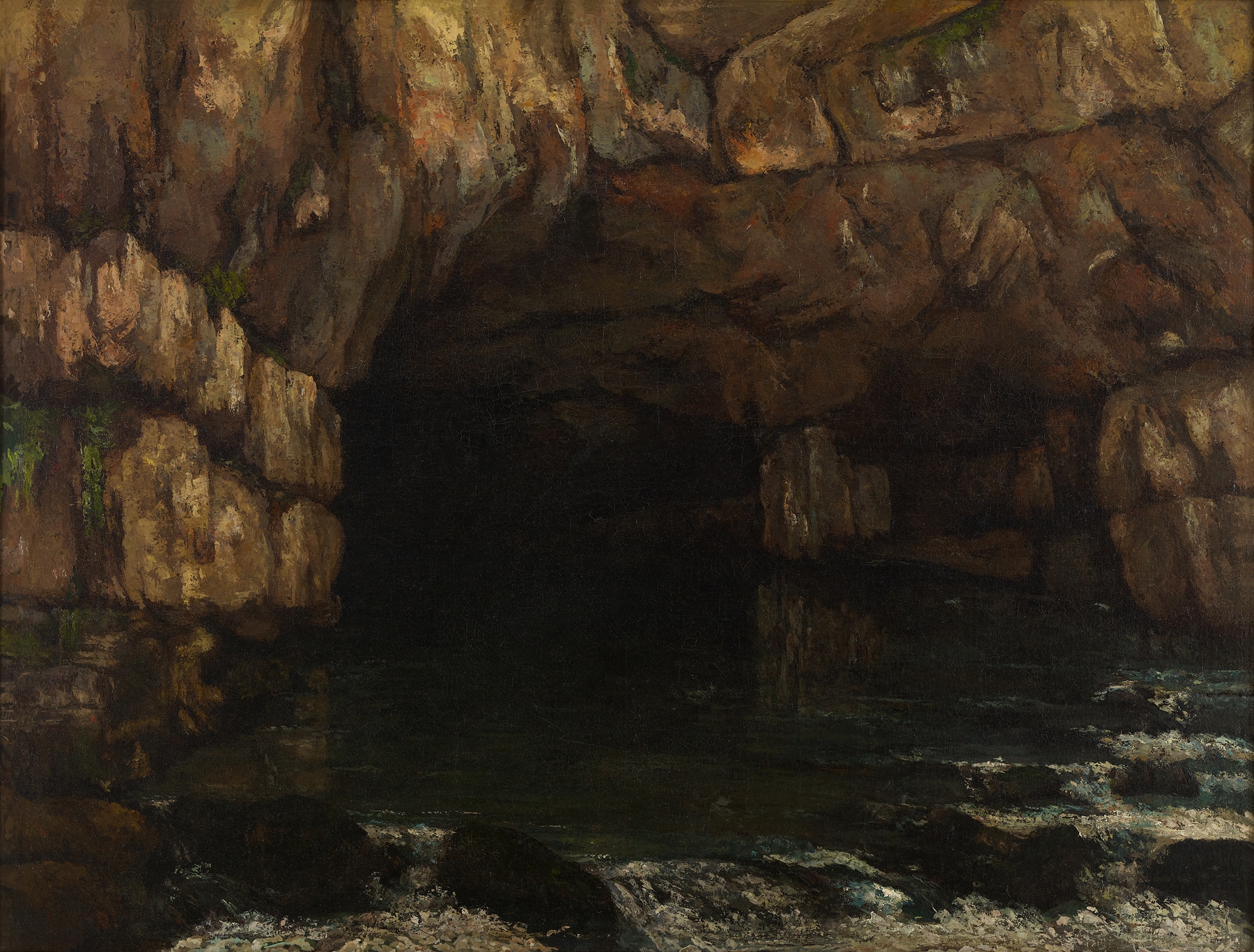
La source de la Loue (The Source of the Loue)
Gustave Courbet
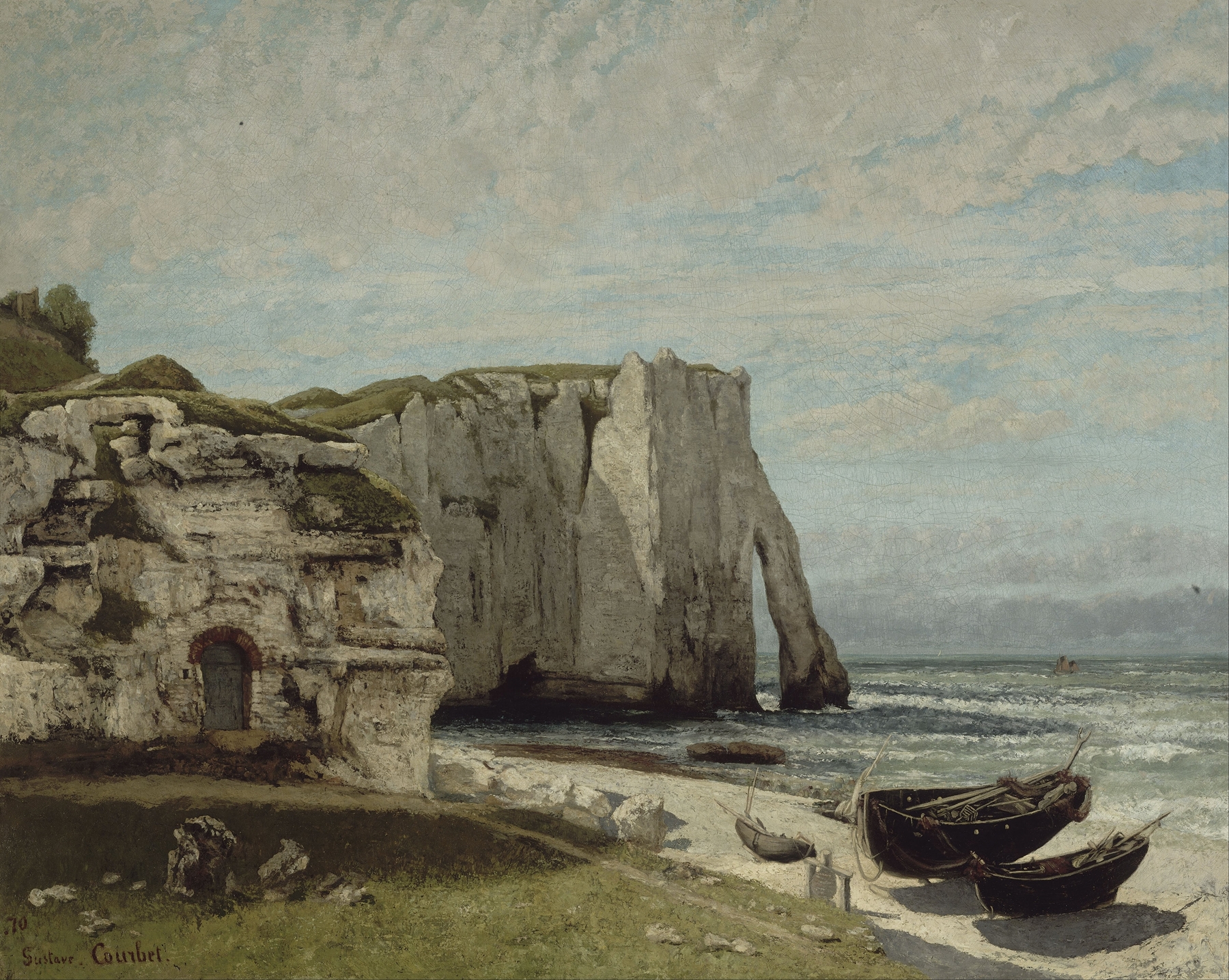
The Etretat Cliffs after the Storm
Gustave Courbet
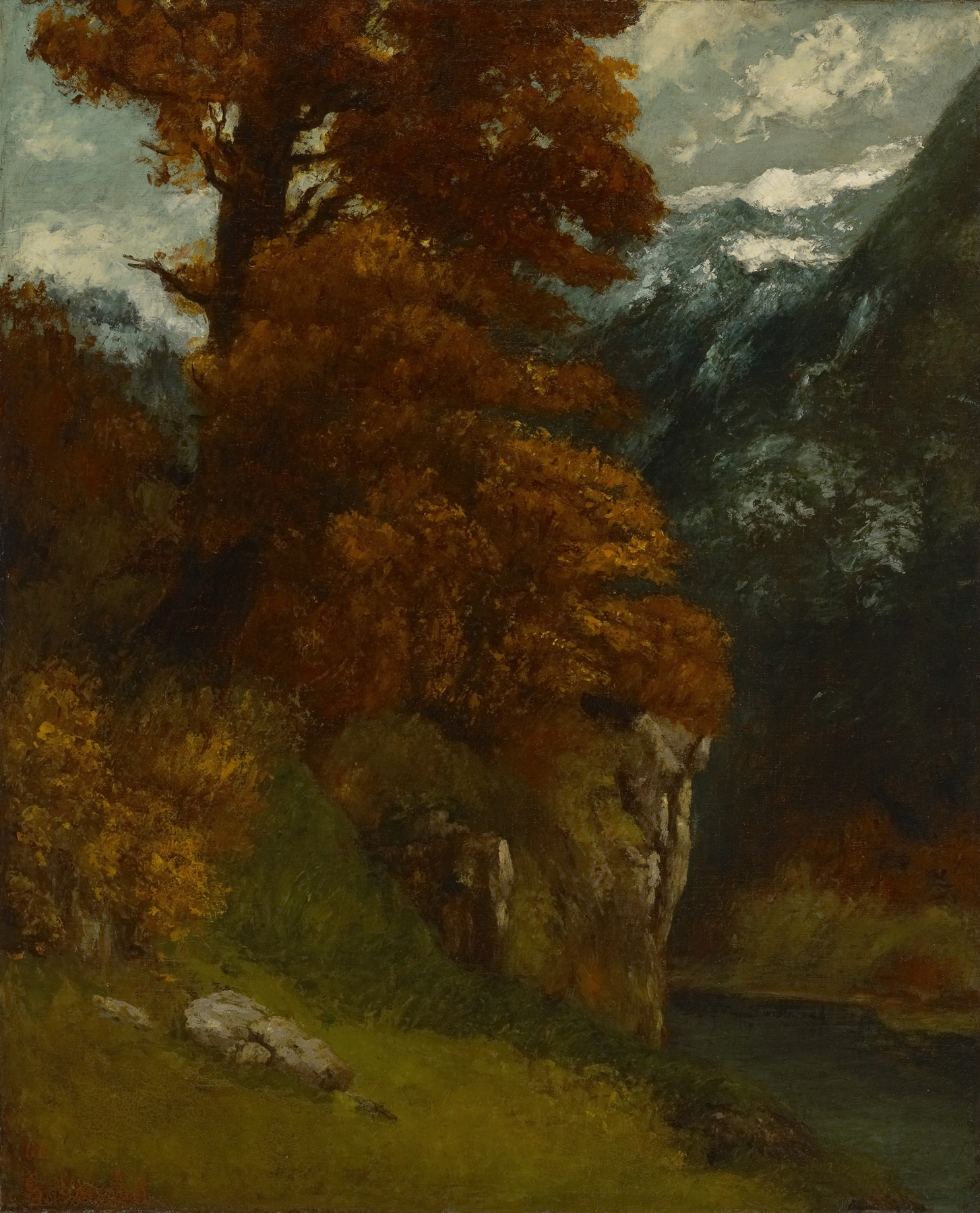
The Glen at Ornans (Bords du Doubs; Effet d’Automne)
Gustave Courbet
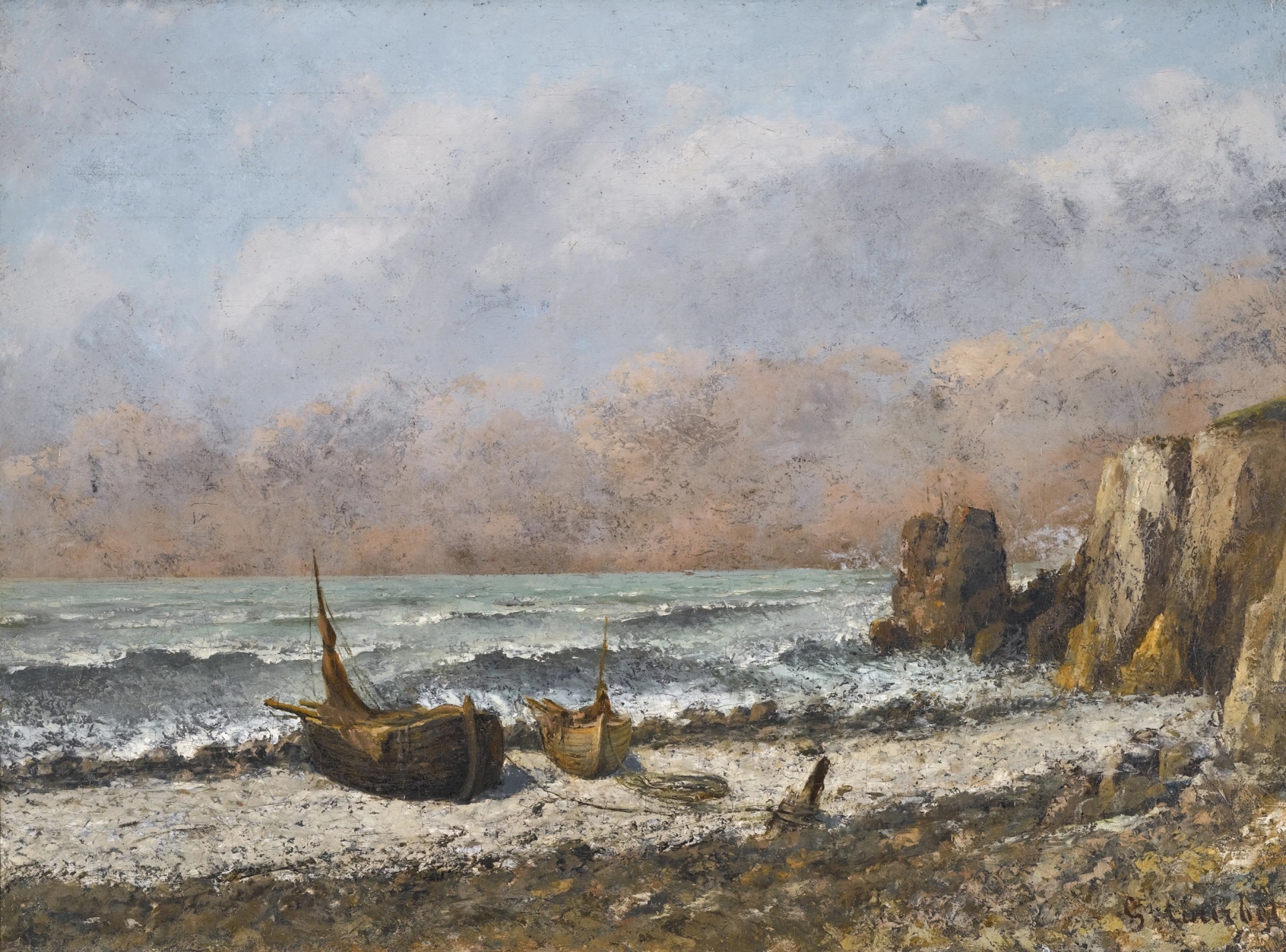
Deux bateaux sur la plage
Gustave Courbet
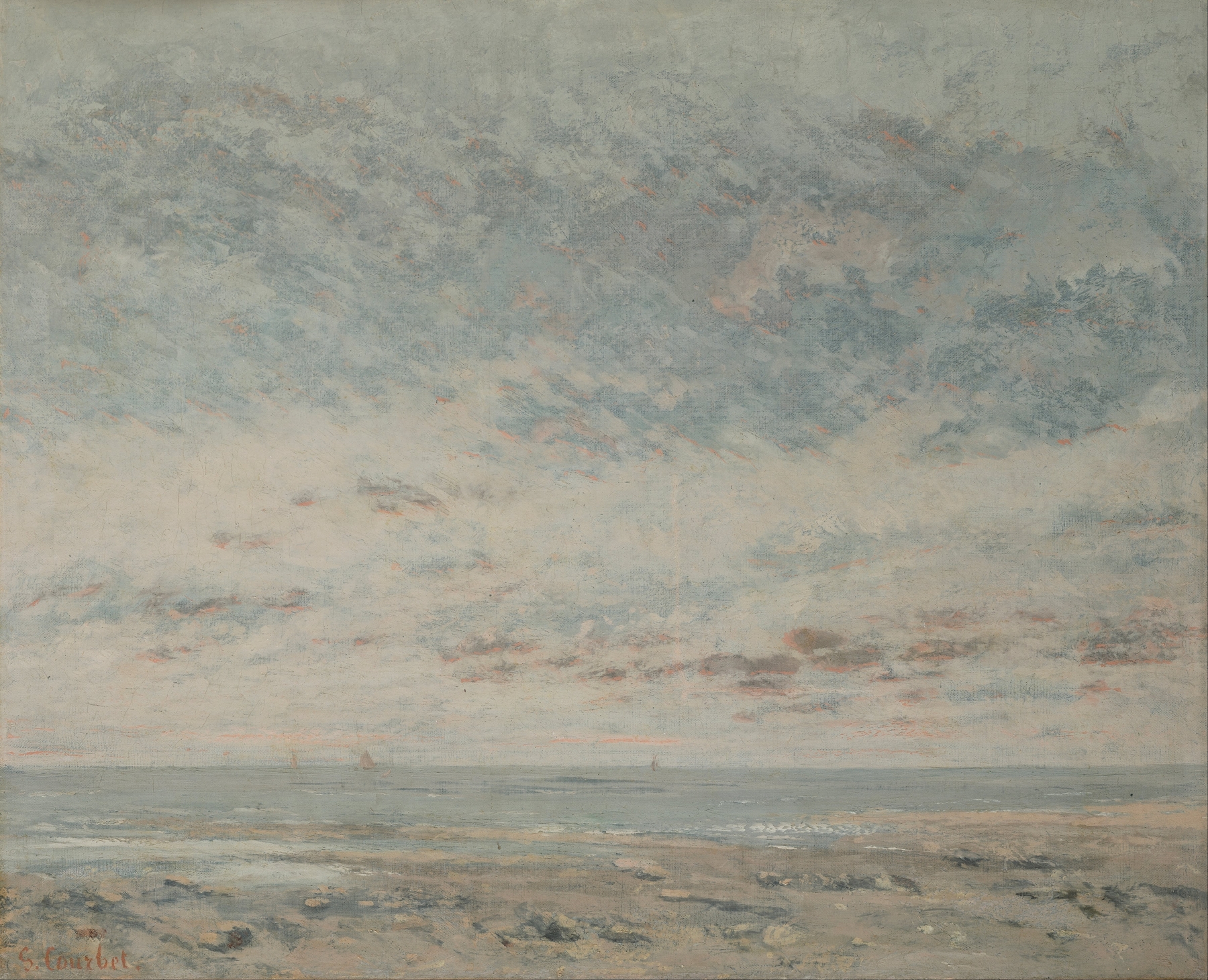
Low Tide at Trouville
Gustave Courbet