
Le Village D’ouistreham — History & Facts
The vibrancy of color whispers secrets that words often cannot convey. In Le Village D’ouistreham, hues dance with the rhythm of a tranquil coastal village, inviting the viewer into a world where every shade speaks volumes. Look to the left at the gentle strokes of green that cradle the village, crafting a lush landscape beneath a sky brushed with soft blue and white. The detailing of the homes reveals meticulous attention to form, with warm browns and soft pastels blending seamlessly into the scene.
The play of light on the water captures a moment frozen in time, highlighting the serene quality of life in this coastal haven, as if the very essence of the village was captured in a single breath. Amidst the idyllic calm, there lies a profound reflection on the passage of time. The juxtaposition of vibrant colors against the stillness of the setting evokes a sense of nostalgia, suggesting that this tranquility may be fleeting. The village's presence on the brink of the water hints at the ever-changing relationship between nature and human endeavor, drawing attention to both isolation and community within the serene composition. Stanislas Lépine painted Le Village D’ouistreham between 1875 and 1880, during a period of exploration in impressionism that sought to capture the transient effects of light and color.
Working primarily in France, he was influenced by the evolving art movements around him that emphasized spontaneity and the beauty of everyday life. His dedication to the interplay of light and color marks a significant contribution to the impressionist dialogue of his time.
More Artworks by Stanislas Lépine
Browse all →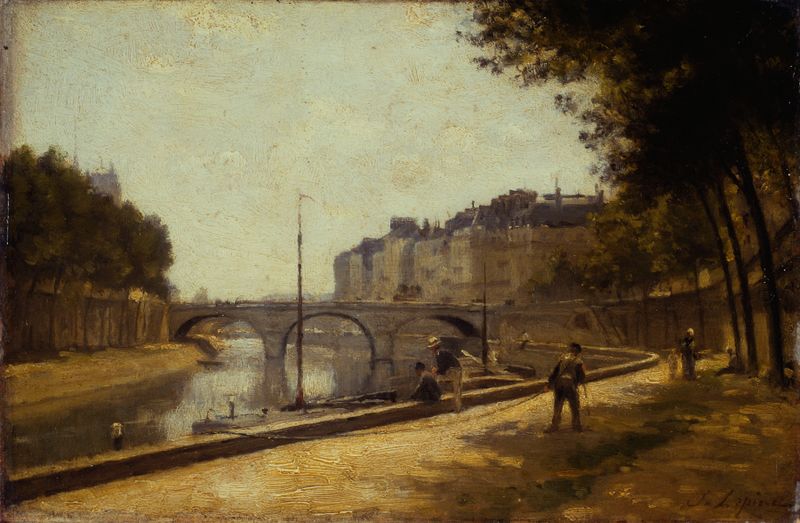
Le pont Saint-Michel
Stanislas Lépine
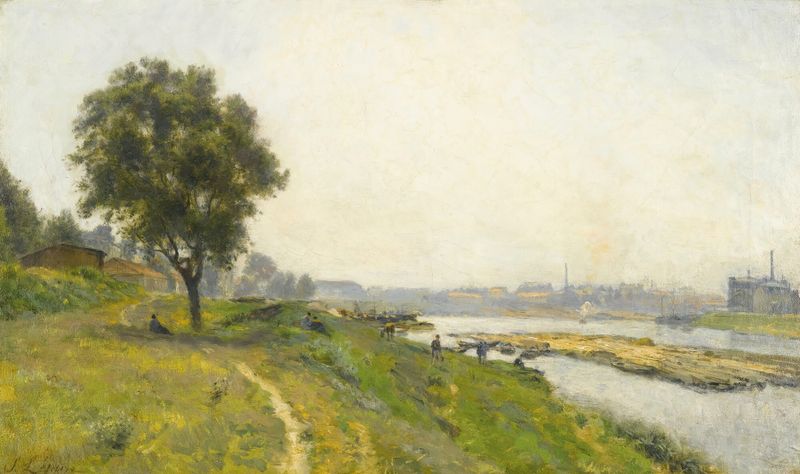
Ivry-Sur-Seine. Le Confluent Avec La Marne
Stanislas Lépine

View on the Seine, Paris
Stanislas Lépine
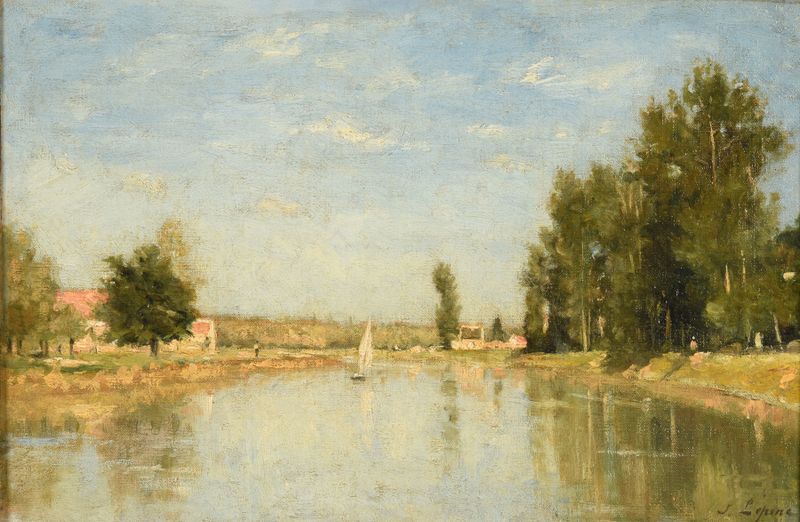
Les Bords de la Marne
Stanislas Lépine

L’île de la Cité et l’île Saint-Louis, vues du pont d’Austerlitz
Stanislas Lépine
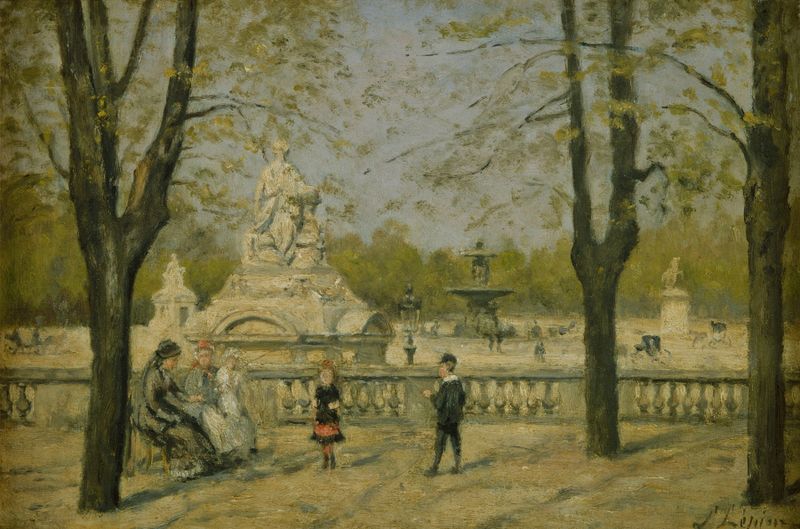
La place de la Concorde, vue de la terrasse des Tuileries
Stanislas Lépine
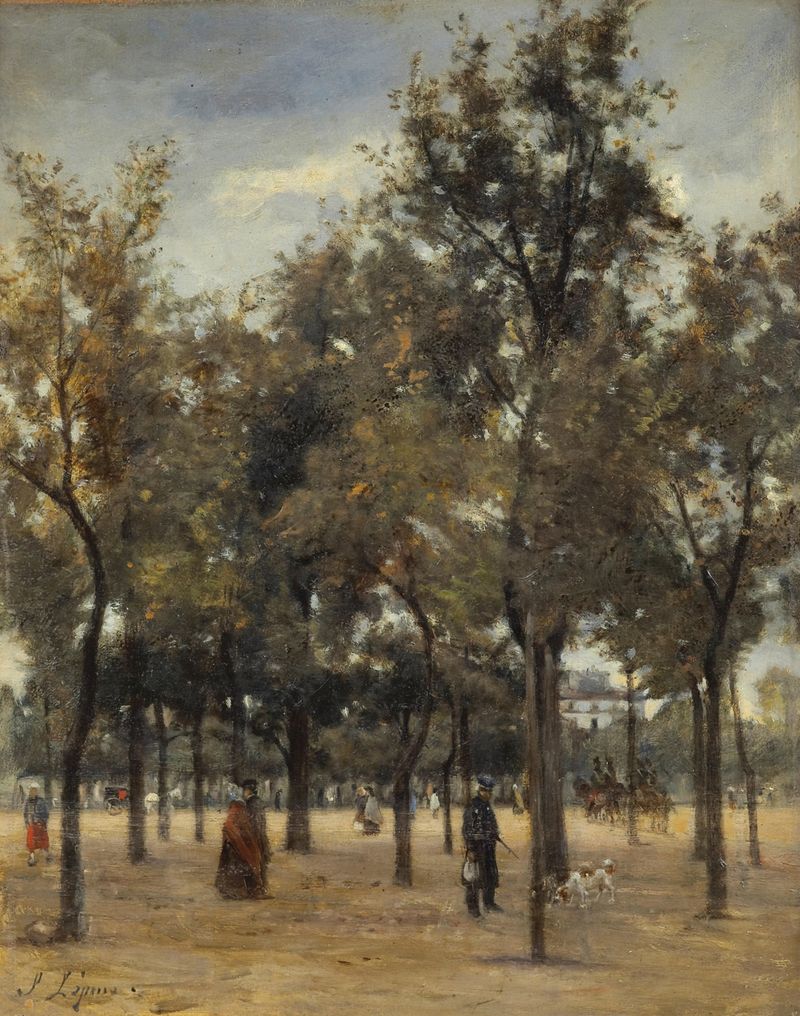
L’esplanade des Invalides
Stanislas Lépine
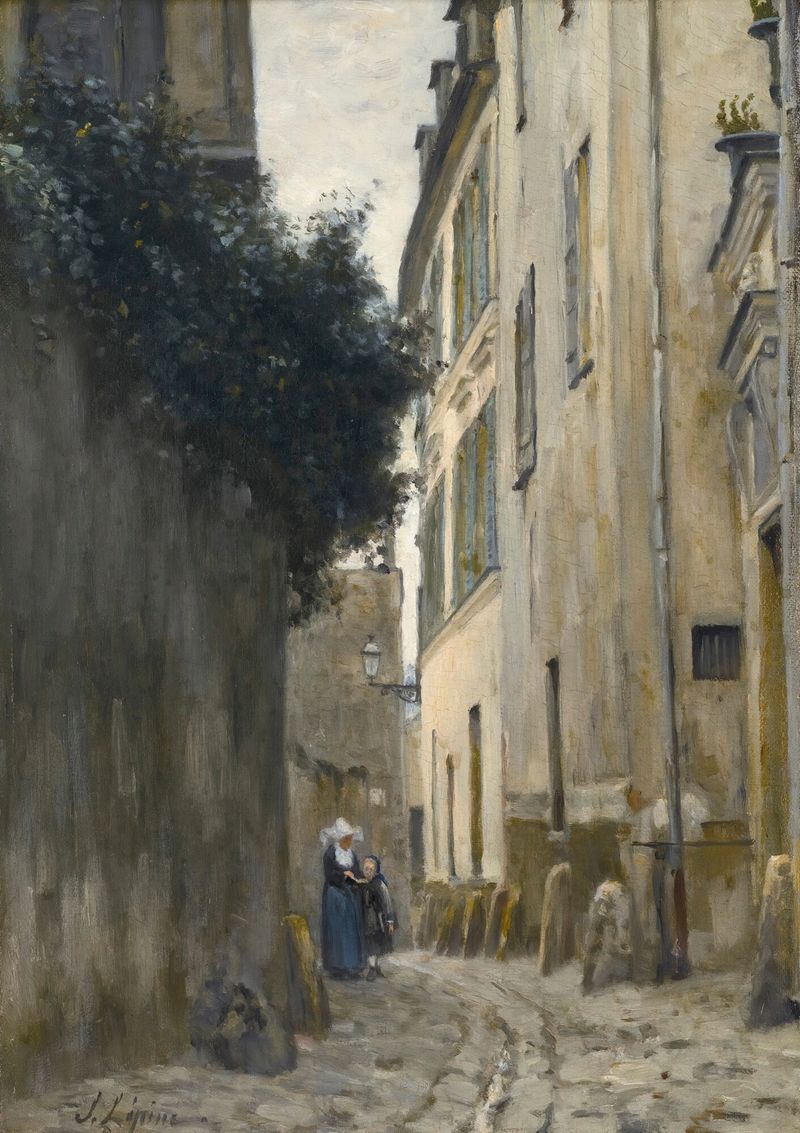
Montmartre. La Rue Saint-Vincent
Stanislas Lépine

Le Bassin de la Villette en hiver
Stanislas Lépine
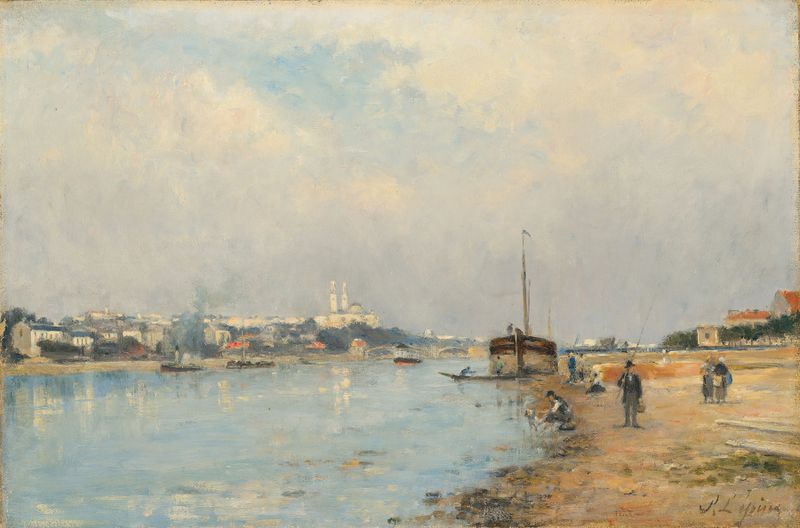
La Seine. Le Trocadéro et le pont de Grenelle, vus du quai de Javel
Stanislas Lépine





