
Leafless tree — History & Facts
Can beauty exist without sorrow? In Leafless Tree, the answer resides in the delicate balance between loss and resilience, inviting viewers to reflect on legacies left behind. Look to the center of the canvas, where the gnarled branches of a bare tree stretch toward the heavens, devoid of foliage yet rich in texture. The muted palette of earthy browns and grays contrasts sharply with the bright sky, emphasizing the starkness of the scene. The light, filtered through the skeletal branches, creates a haunting interplay between illumination and shadow, drawing our gaze upwards and evoking a sense of yearning and solitude. Within this desolate landscape, the absence of leaves becomes a powerful symbol of both fragility and endurance.
Each branch tells a story of survival against the odds, while the unadorned expanse around it speaks to the void left by what was once thriving. This juxtaposition of emptiness and strength reveals the artist's exploration of the human condition, where beauty often emerges from grief and the remnants of what we cherish. In 1885, Jan Stanisławski painted Leafless Tree during a pivotal period in his artistic journey in Poland. At this time, he was deeply influenced by the Symbolist movement, which sought to express emotional truths through nature.
His exploration of landscapes marked a departure from realism, reflecting the broader changes within the art world as artists began to grapple with deeper existential themes.
More Artworks by Jan Stanisławski
Browse all →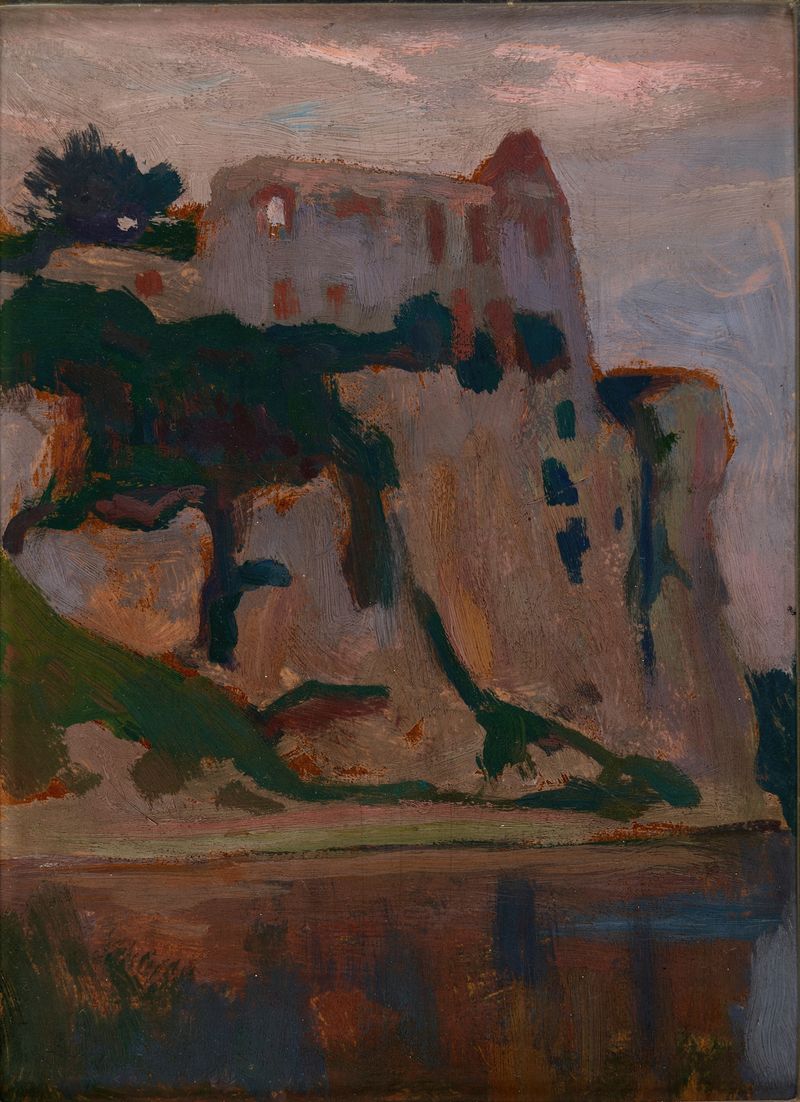
Tyniec at Dawn
Jan Stanisławski
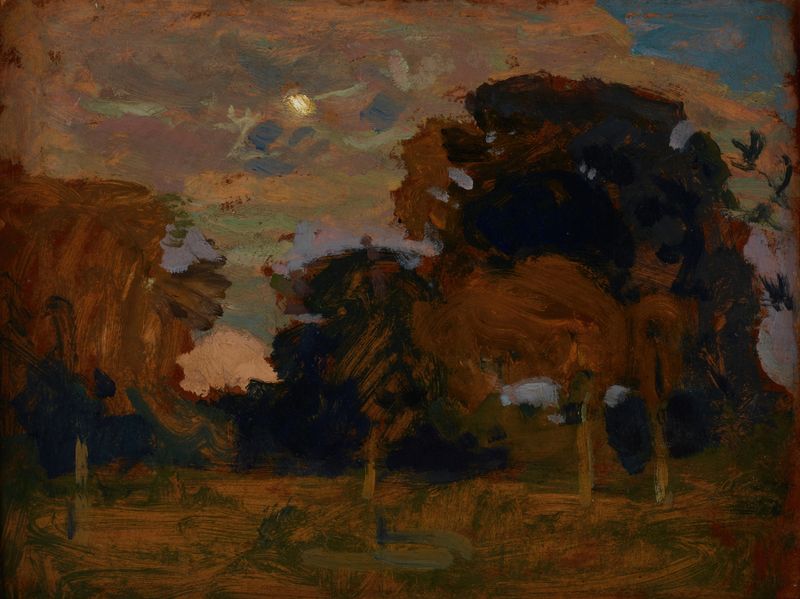
Moon in the Clouds
Jan Stanisławski
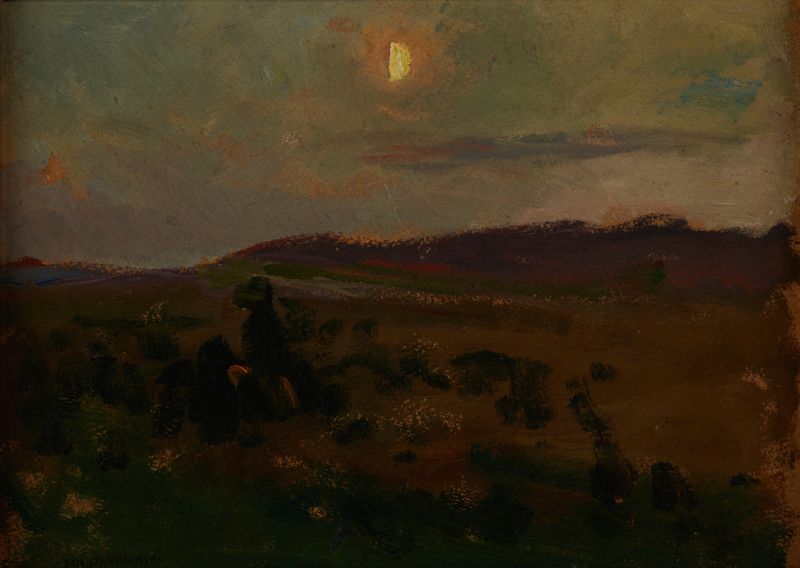
Moonrise
Jan Stanisławski
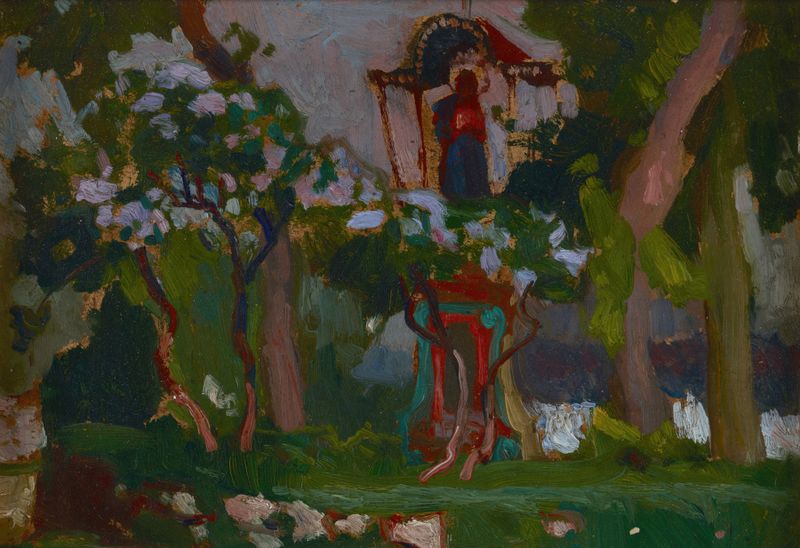
May
Jan Stanisławski
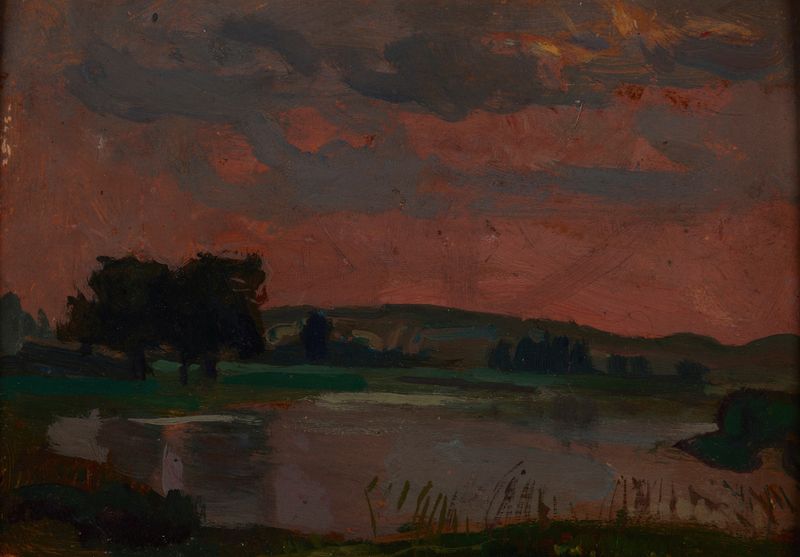
The Vistula in the Twilight
Jan Stanisławski
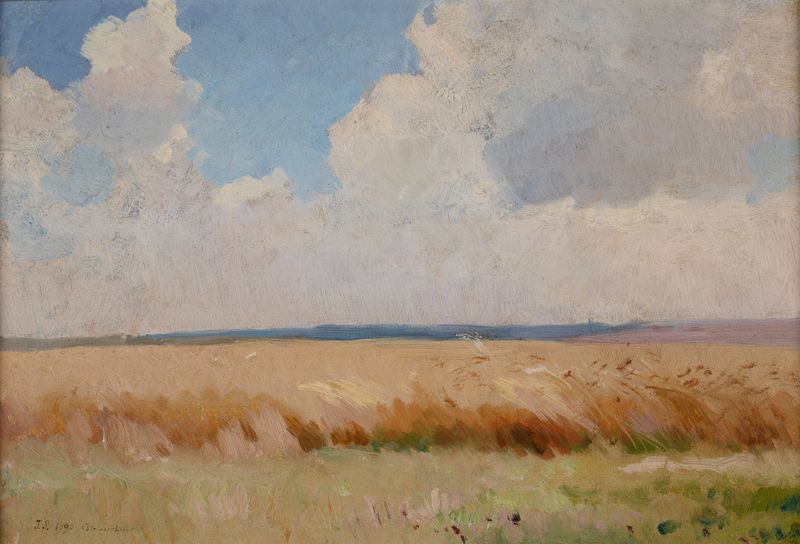
Field at Białocerkiew (Bila Tserkva)
Jan Stanisławski
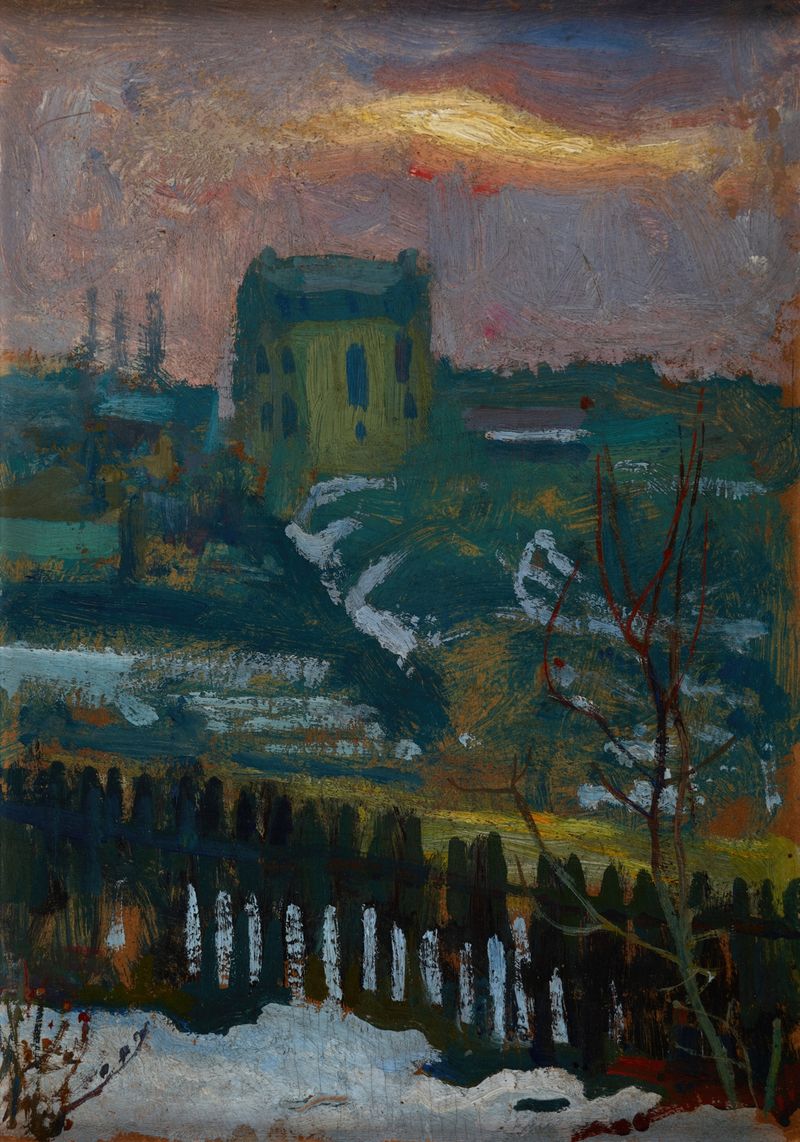
House in Winter
Jan Stanisławski
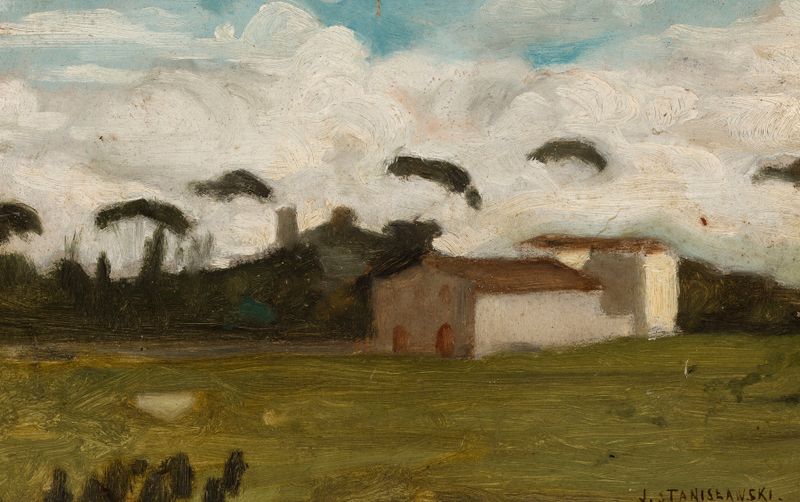
Landscape
Jan Stanisławski
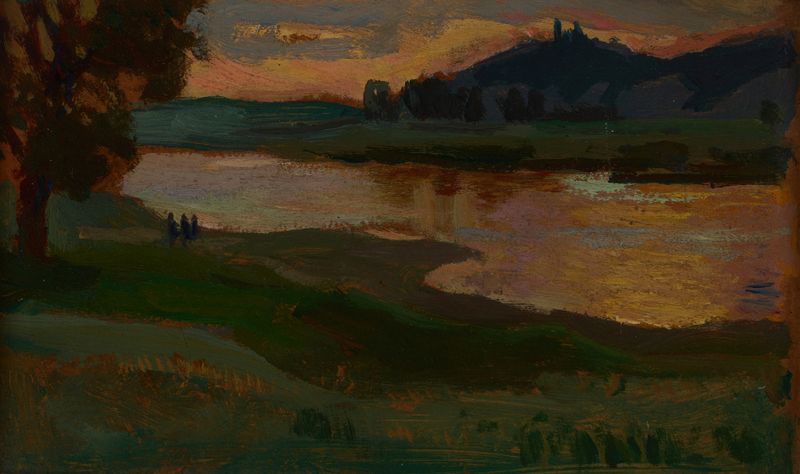
Bielany at Dusk
Jan Stanisławski
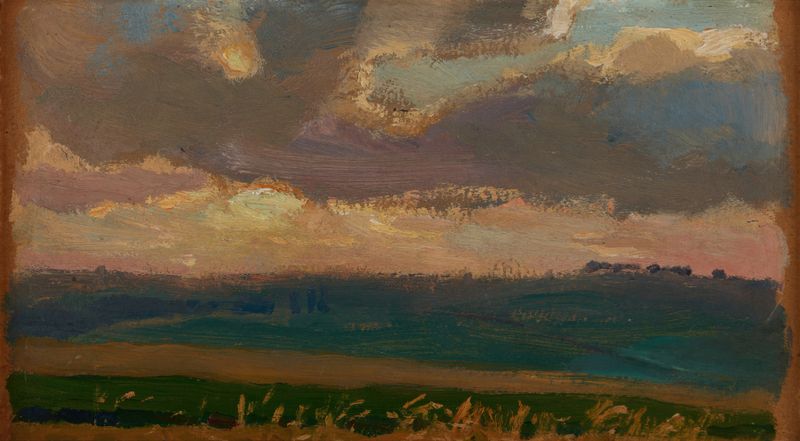
Fields at Proszowice
Jan Stanisławski





