
Lente — History & Facts
When did color learn to lie? The interplay of hues in Lente dances between truth and illusion, whispering secrets from the past. Look to the center of the canvas where a delicate play of light illuminates a spring landscape, the soft greens and golden browns coalescing into a vision of renewal. Notice how the artist masterfully captures the gentle gradation of color, allowing the eye to trace the contours of the terrain while subtle shadows anchor the scene, creating depth and dimension. Each detail, from the budding leaves to the glistening water, is rendered with precision, inviting contemplation and exploration. Beneath the surface, the work resonates with themes of transformation and rebirth, echoing the duality of nature's beauty and fragility.
The vibrant blooms stand in stark contrast to the remnants of winter, hinting at the transient nature of existence. Hollar's careful attention to the interplay of light and shadow suggests not only a physical transition but also an emotional journey, urging viewers to reflect on their own cycles of change and renewal. In 1629, Wenceslaus Hollar was in England, having fled the Thirty Years' War in his native Bohemia. The period was marked by artistic discovery, as the Dutch style permeated British aesthetics.
This painting exemplifies Hollar's adept skill in etching and his fascination with nature, as he sought to communicate the richness of the world around him amidst a time of upheaval.
More Artworks by Wenceslaus Hollar
Browse all →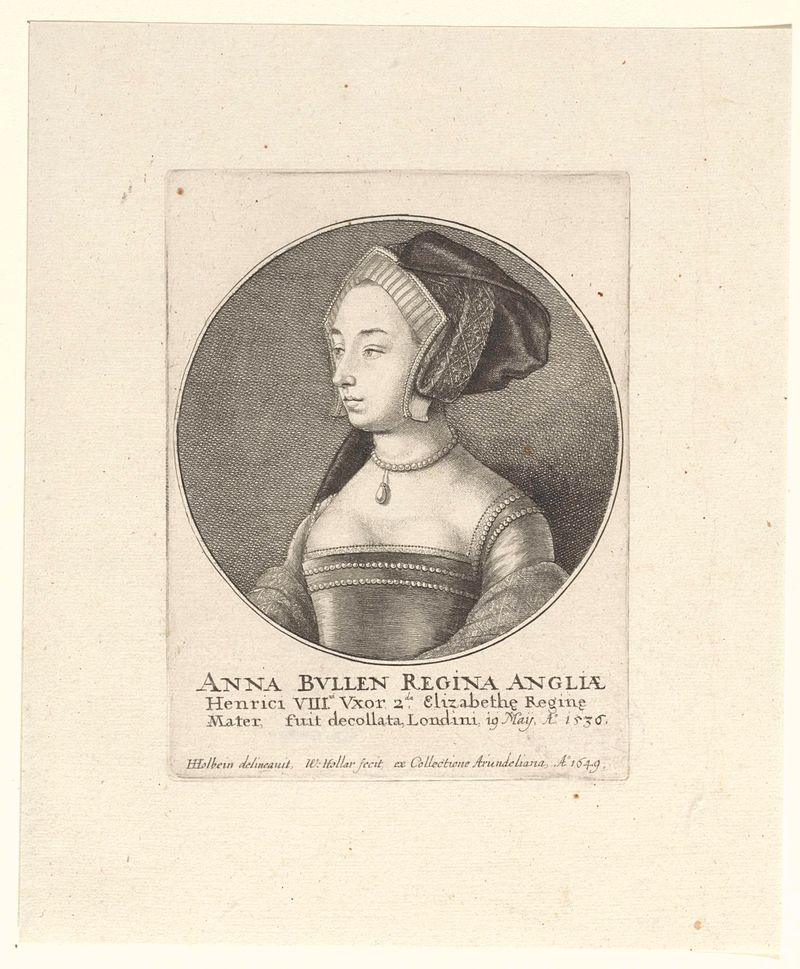
Portret van Anna Boleyn, koningin van Engeland
Wenceslaus Hollar
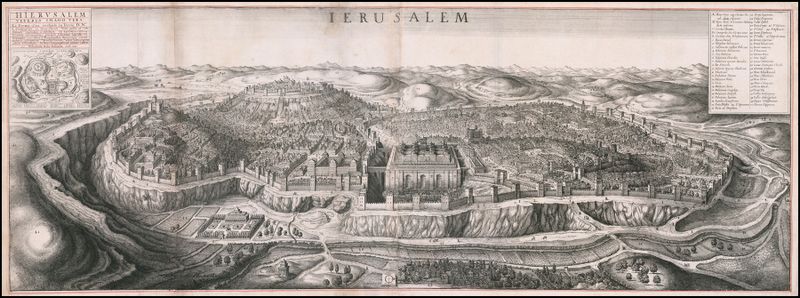
Bird’s eye view of Jerusalem
Wenceslaus Hollar
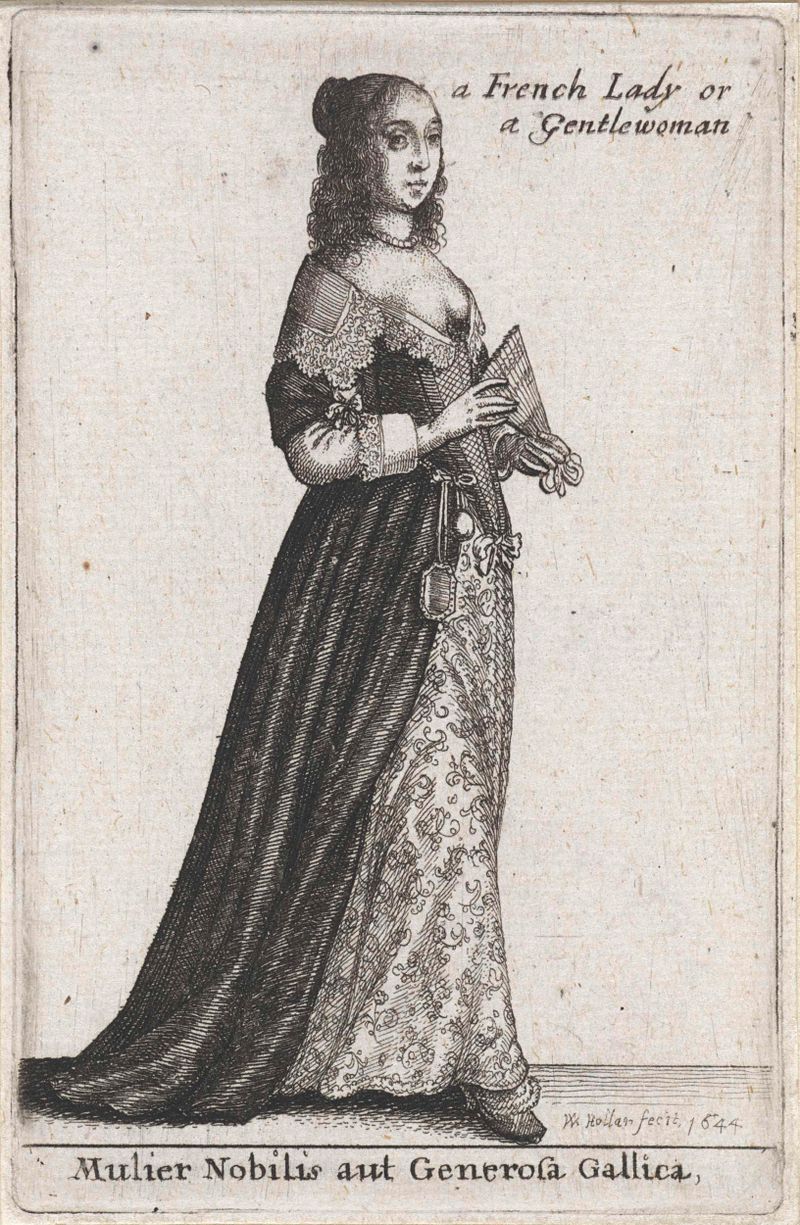
Mulier Nobilis aut Generosa Gallica / a French Lady or Gentlewoman
Wenceslaus Hollar
Titelprent voor: Ornatus Muliebris Anglicanus
Wenceslaus Hollar
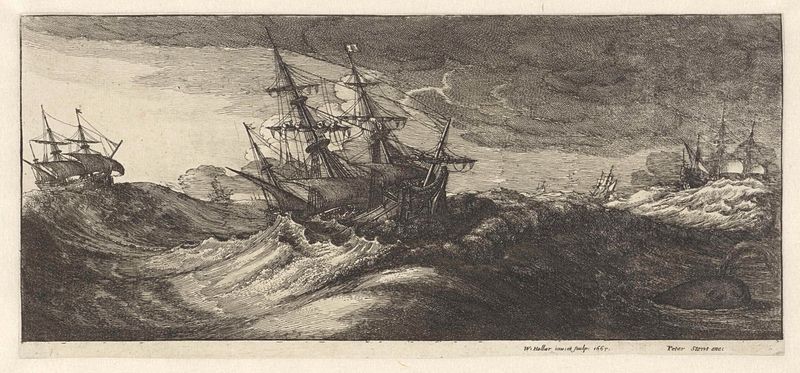
Oorlogsschepen en een walvis in een zeestorm
Wenceslaus Hollar
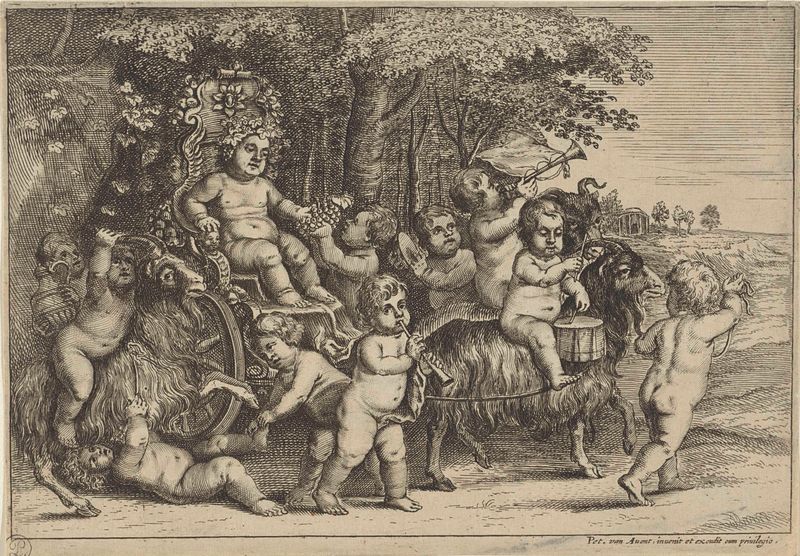
Optocht van bacchant en jongetjes op geiten
Wenceslaus Hollar
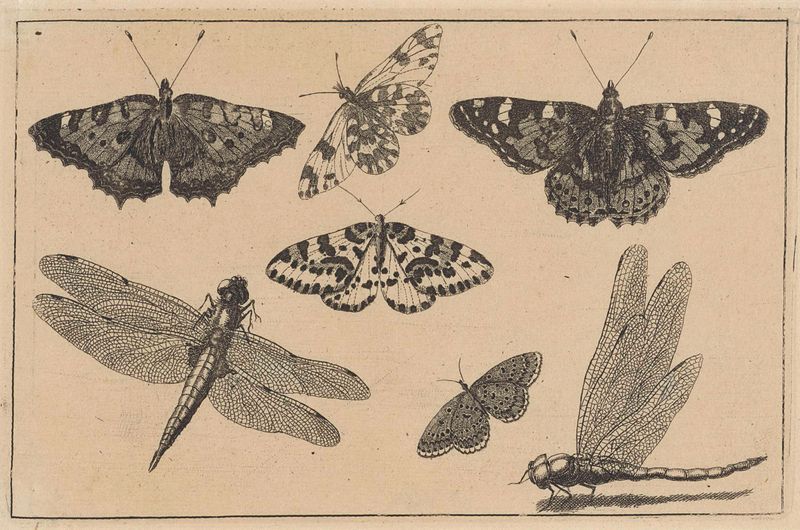
Twee libellen en vijf vlinders
Wenceslaus Hollar
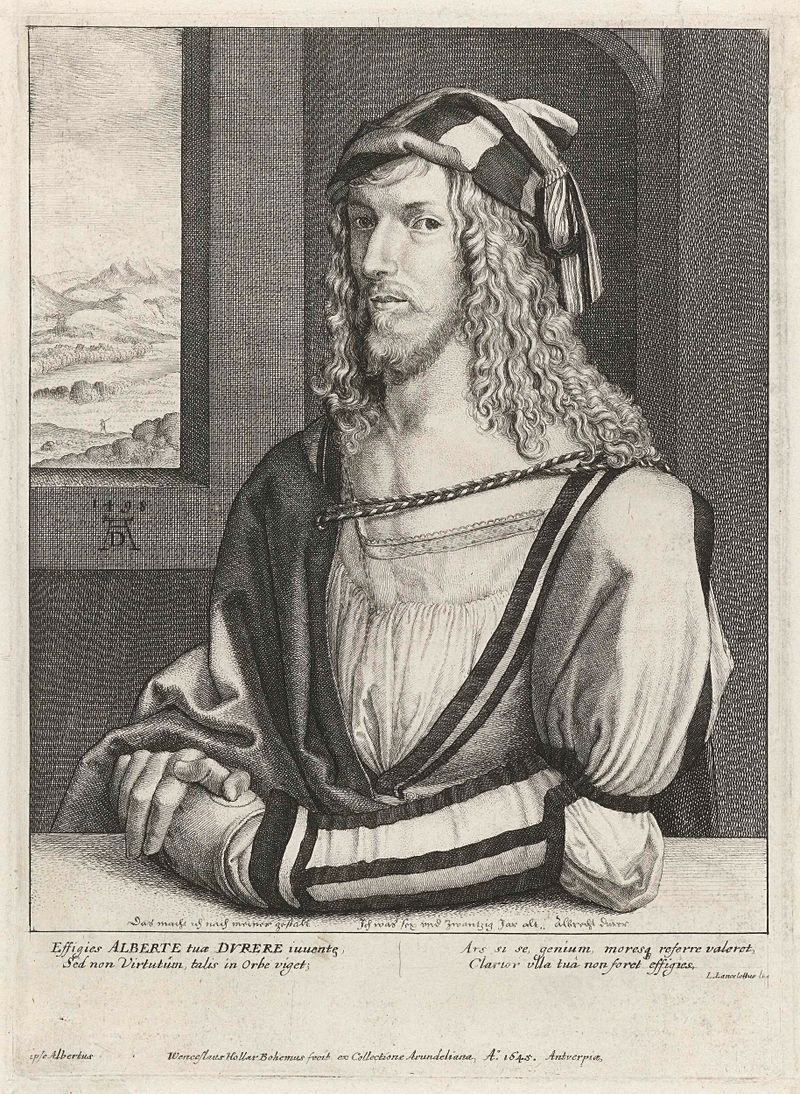
Portret van Albrecht Dürer
Wenceslaus Hollar
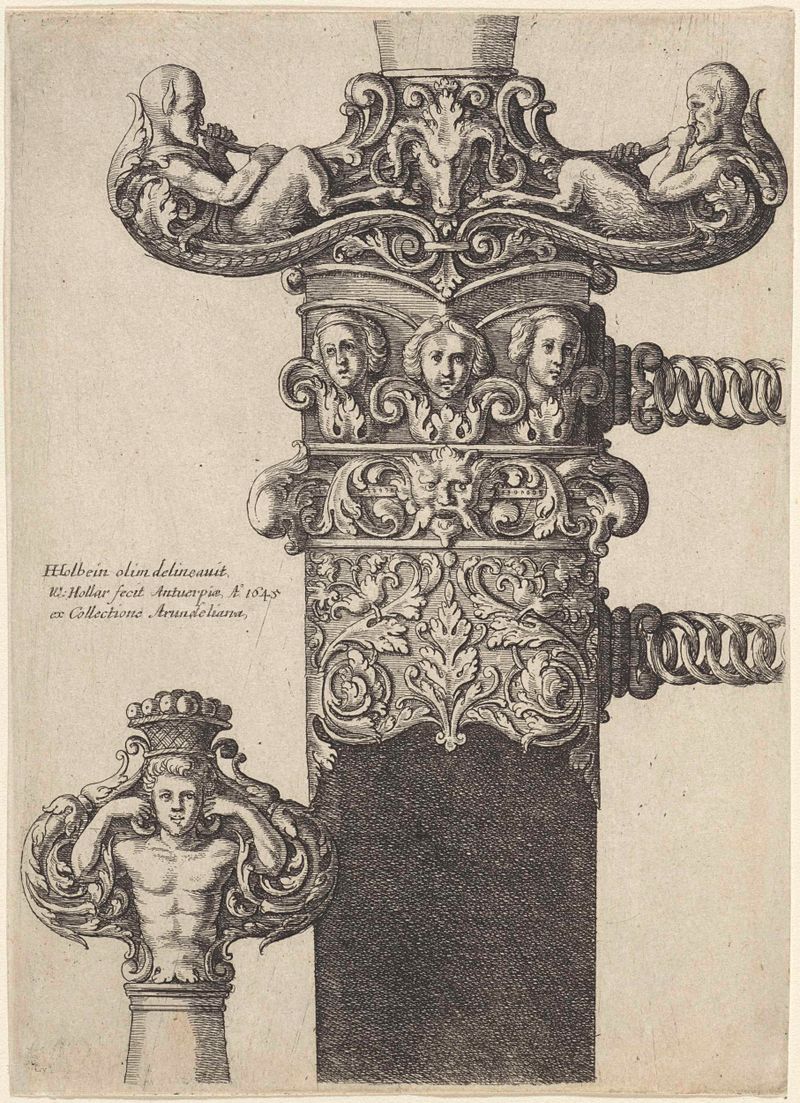
Ornamenteel ontwerp voor een dolk
Wenceslaus Hollar
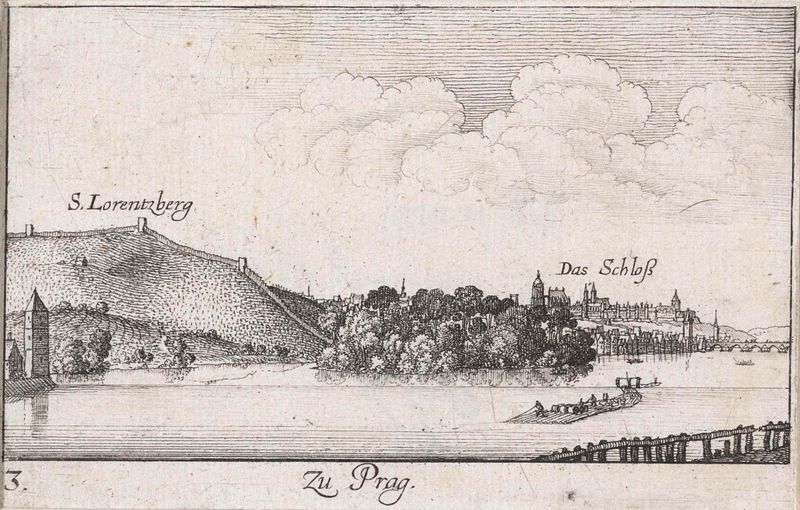
Gezicht op Praag vanaf de Moldau
Wenceslaus Hollar





