
Les bateaux — History & Facts
In Les bateaux, the essence of divinity manifests not in grandeur but in the quiet beauty of fleeting moments. Look to the left at the boats, their delicate forms gently swaying against a background of swirling blues and greens. Notice how Seguin masterfully applies thick, vibrant strokes to evoke the movement of water, while patches of light glimmer on the surface like scattered stars. The composition, with its rhythmic interplay of shapes, draws the eye inward, inviting contemplation of the serene scene. Beneath the surface, there lies a profound contrast between the transient nature of the boats and the eternal spirit of the water.
The juxtaposition of the fluidity of the sea with the solid presence of the vessels hints at the tension between the ephemeral and the everlasting. Seguin’s choice of color conveys not just reality but a mystical quality, suggesting that within the mundane lies the divine, waiting to be discovered. In 1893, Armand Seguin painted this piece during a period of artistic innovation in Paris, where post-Impressionism was beginning to take hold. The artist, influenced by the likes of Cézanne and Gauguin, sought to break free from traditional representations of reality.
This work reflects his exploration of color and form as vehicles for emotional expression, marking a significant moment in his evolving style.
More Artworks by Armand Seguin
Browse all →
Femmes et vaches dans les champs en Bretagne
Armand Seguin
La Route du Pouldu
Armand Seguin

Pêcheurs de goémons
Armand Seguin
Décoration de Bretagne – Bretonnes au bord de la mer
Armand Seguin
Le débardeur
Armand Seguin
La maison du pendu
Armand Seguin
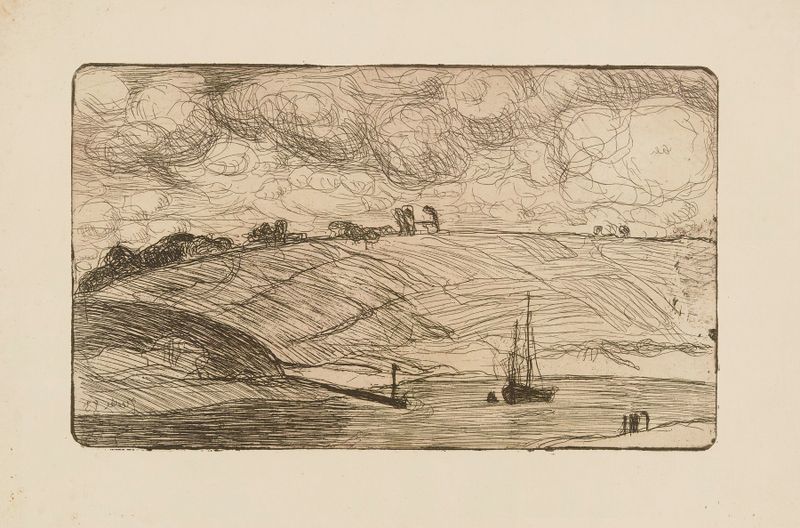
L’entrée de la rivière
Armand Seguin
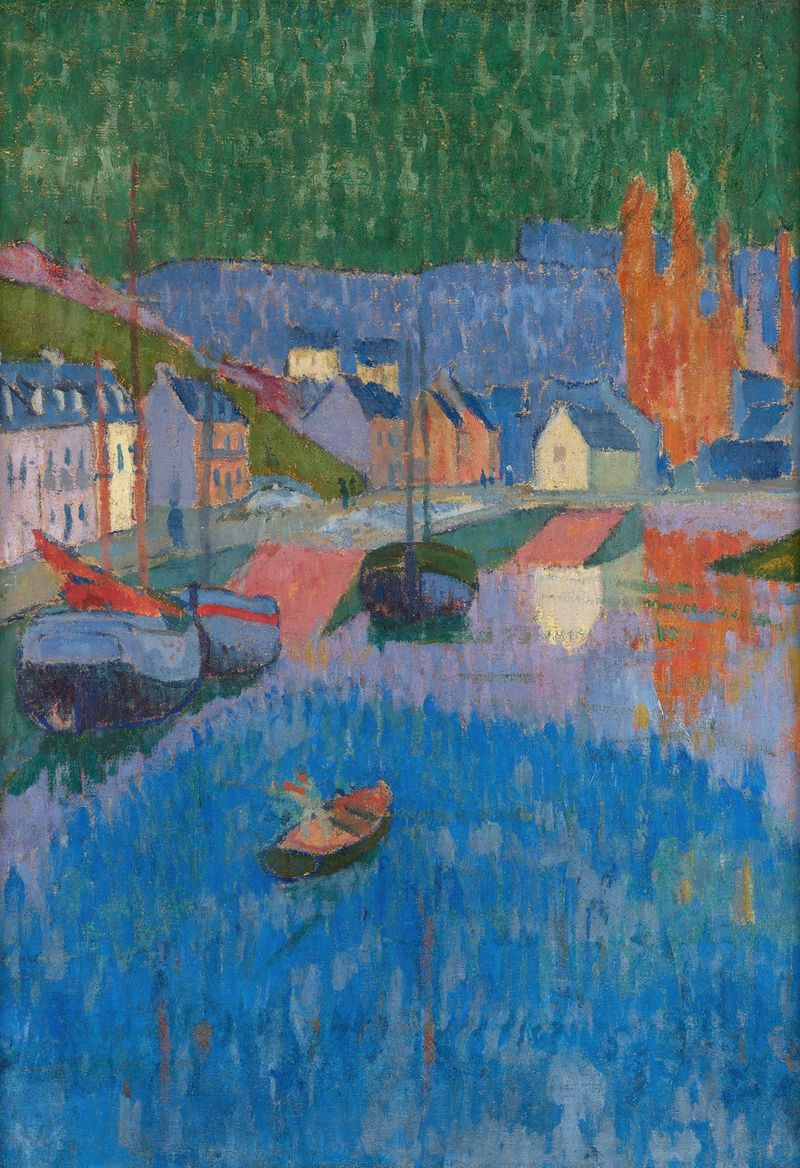
Seaport
Armand Seguin
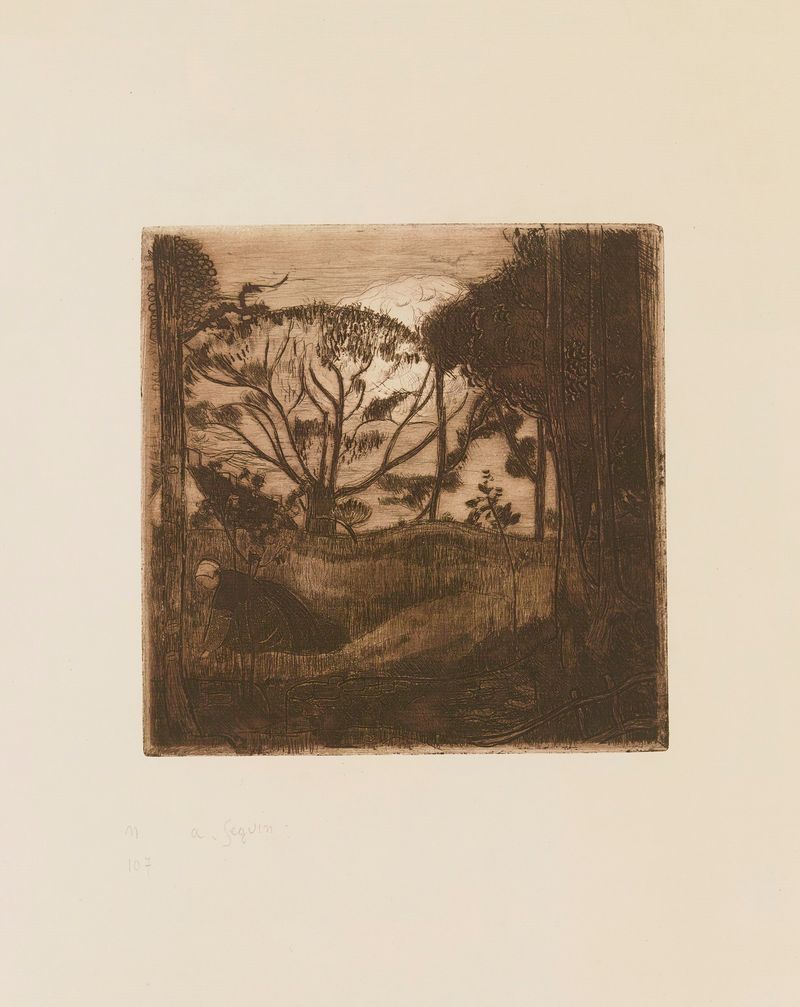
Le soir ou La glaneuse
Armand Seguin
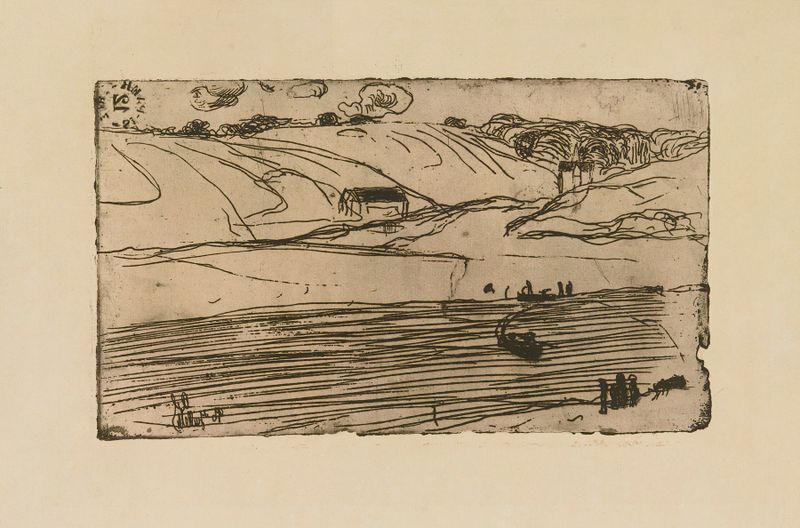
La pêche
Armand Seguin





