
Discover insights about this artwork
Les Charmes de la vie (The Attractions of Life) — History & Facts
Les Charmes de la vie features a lively scene filled with figures enjoying various pleasures of life. The colors are bright and warm, with soft pastels dominating the palette. The figures are elegantly dressed, indicative of the Rococo style, and are engaged in activities that suggest leisure and enjoyment.
The setting appears to be an idyllic outdoor space, enhancing the sense of joy and celebration. The painting is executed in oil on canvas, typical of Watteau's technique. The dimensions are approximately 100 x 80 cm, making it a moderately sized work. The brushwork is delicate, with a focus on capturing the textures of clothing and the lushness of the surroundings.
The composition is balanced, drawing the viewer's eye across the scene. Jean-Antoine Watteau was a key figure in the Rococo movement, known for his ability to depict the pleasures of life. This work, created around 1710, reflects the artist's interest in themes of love and leisure. An interesting fact about this painting is that it is often interpreted as a commentary on the fleeting nature of happiness and the pursuit of pleasure.
Watteau's works have had a lasting influence on the depiction of romantic and idyllic scenes in art.
More Artworks by Jean-Antoine Watteau
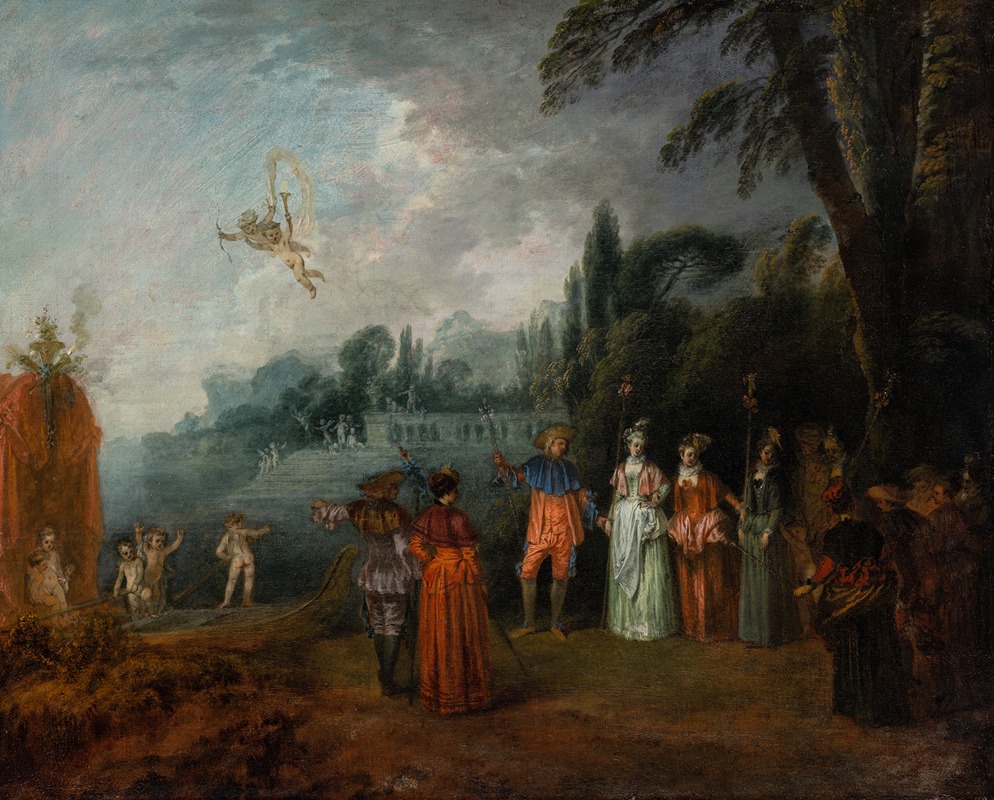
The Embarkation for Cythera
Jean-Antoine Watteau
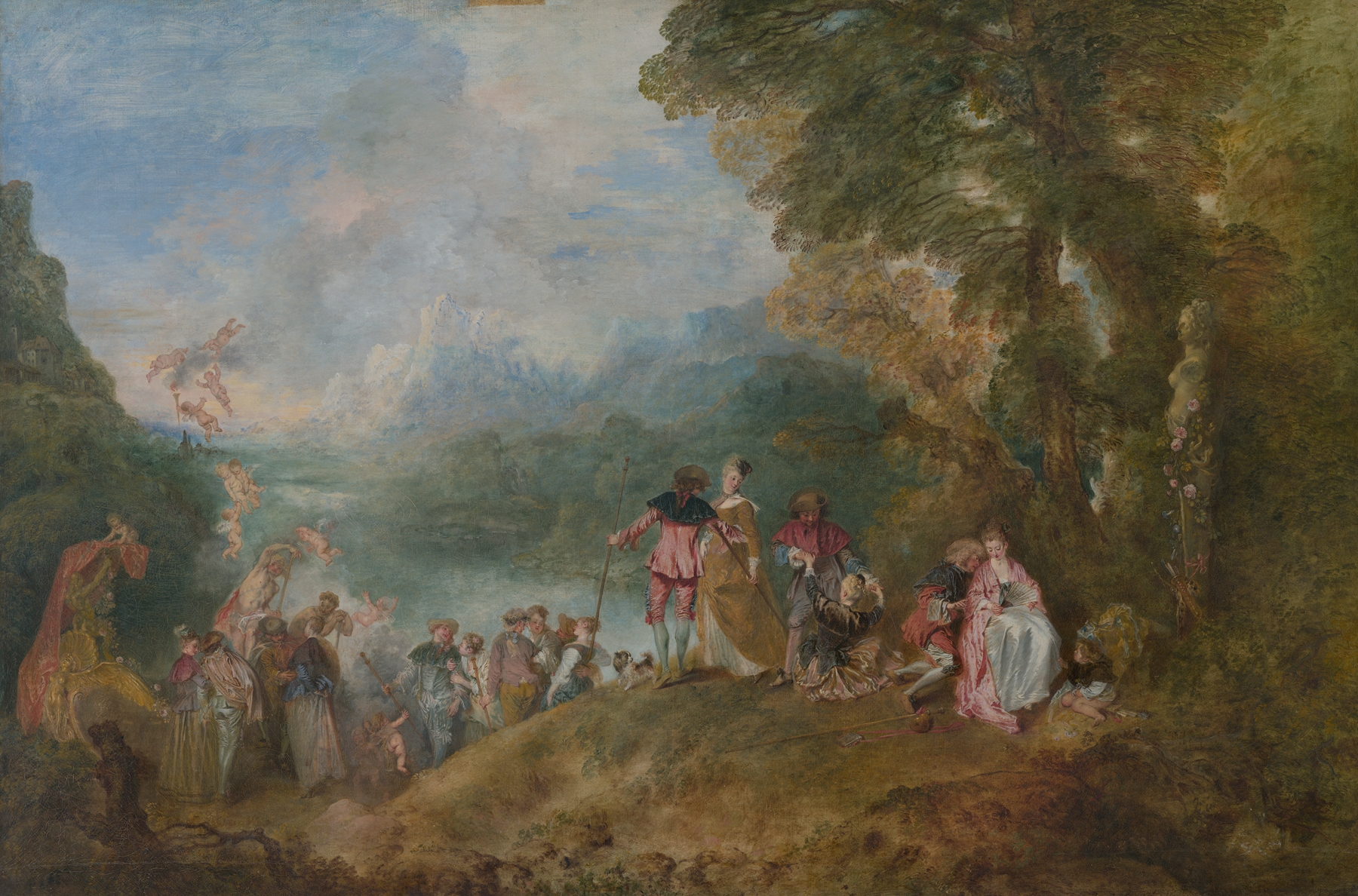
L’Embarquement pour Cythere
Jean-Antoine Watteau
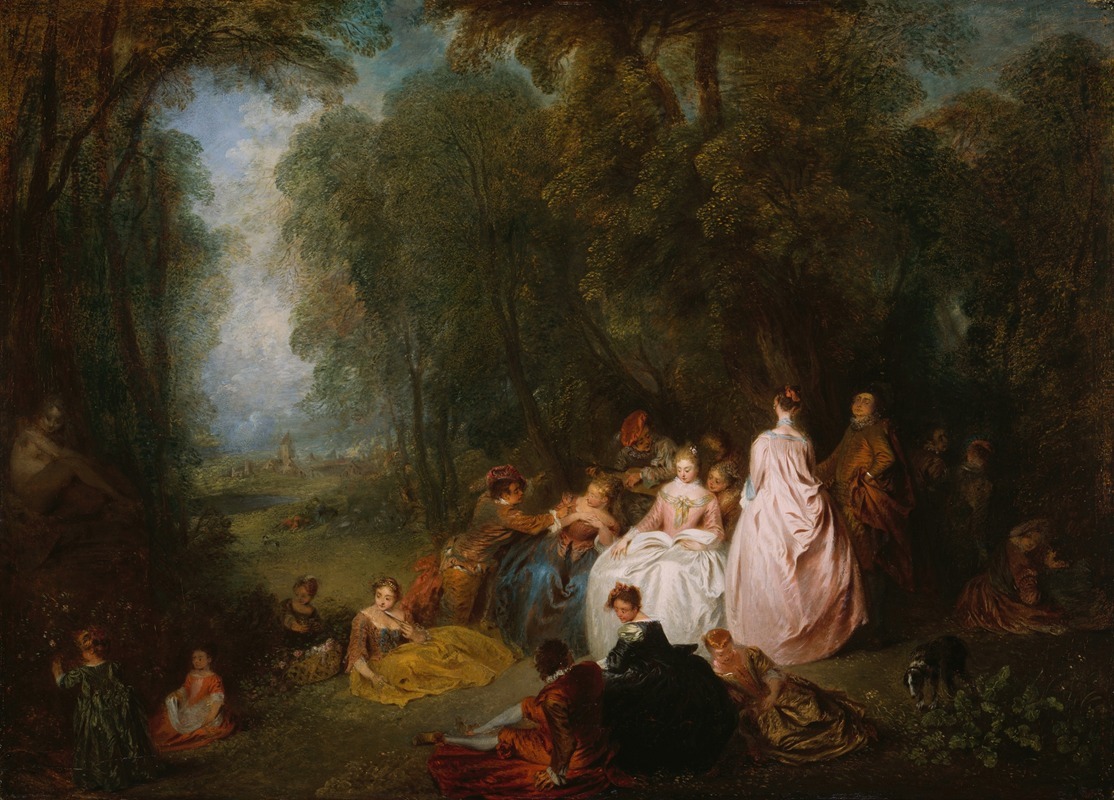
Fête champêtre (Pastoral Gathering)
Jean-Antoine Watteau

The Clothes are Italian
Jean-Antoine Watteau
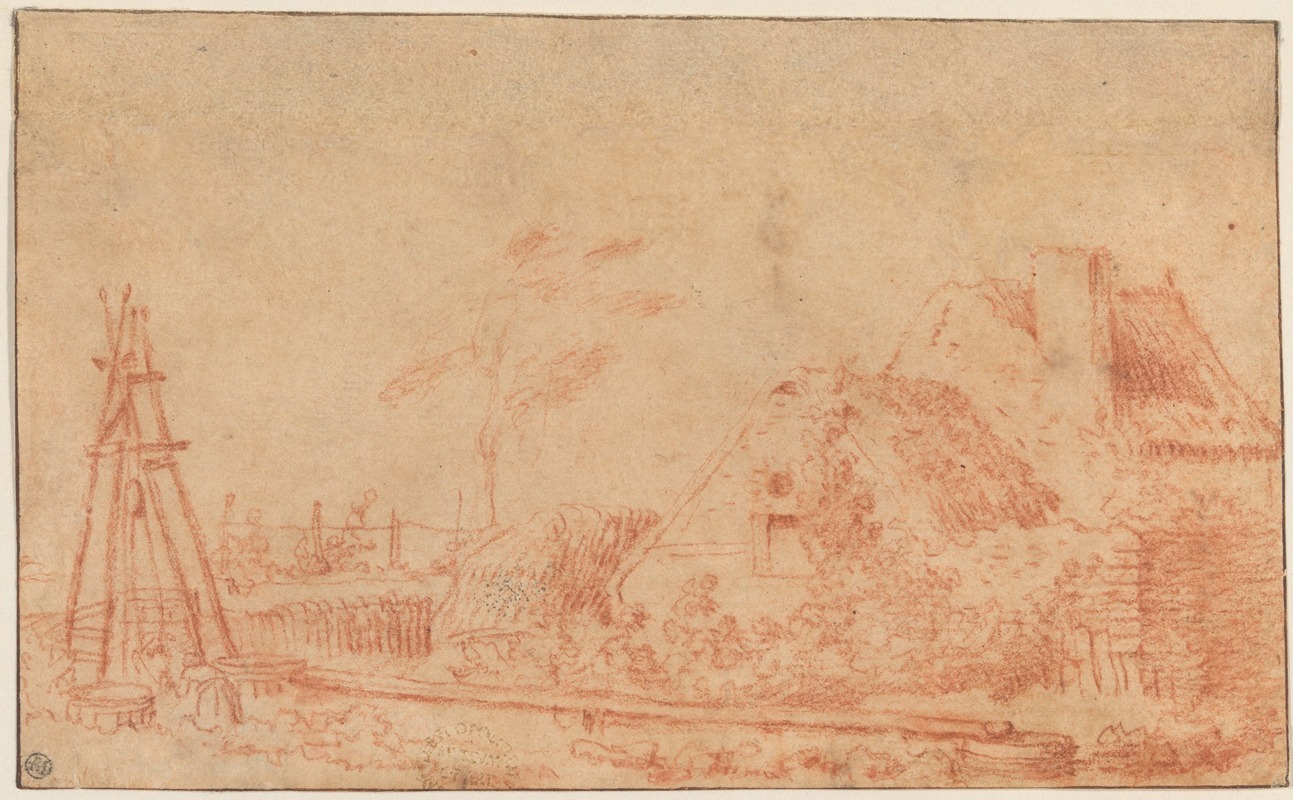
Landscape with a Cottage and Well
Jean-Antoine Watteau
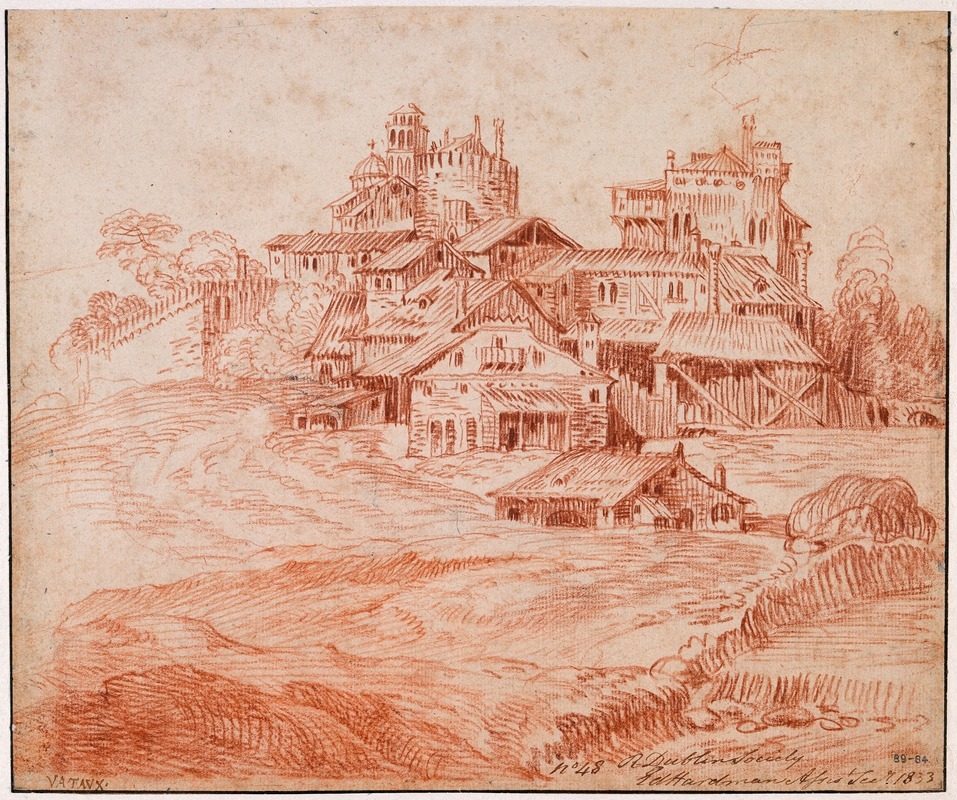
Fortified Village with a Castle, Keep and a Church
Jean-Antoine Watteau

Gentilhomme debout tenant avec sa canne
Jean-Antoine Watteau

Fêtes Venitiennes
Jean-Antoine Watteau

Standing Girl; barefoot, lifting her skirt
Jean-Antoine Watteau
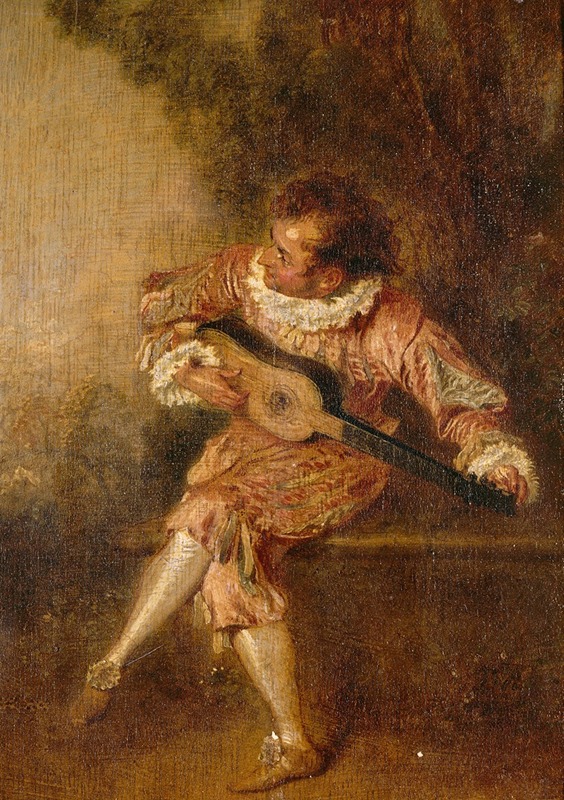
Le donneur de sérénades (Mezetin)
Jean-Antoine Watteau
More Allegory Art
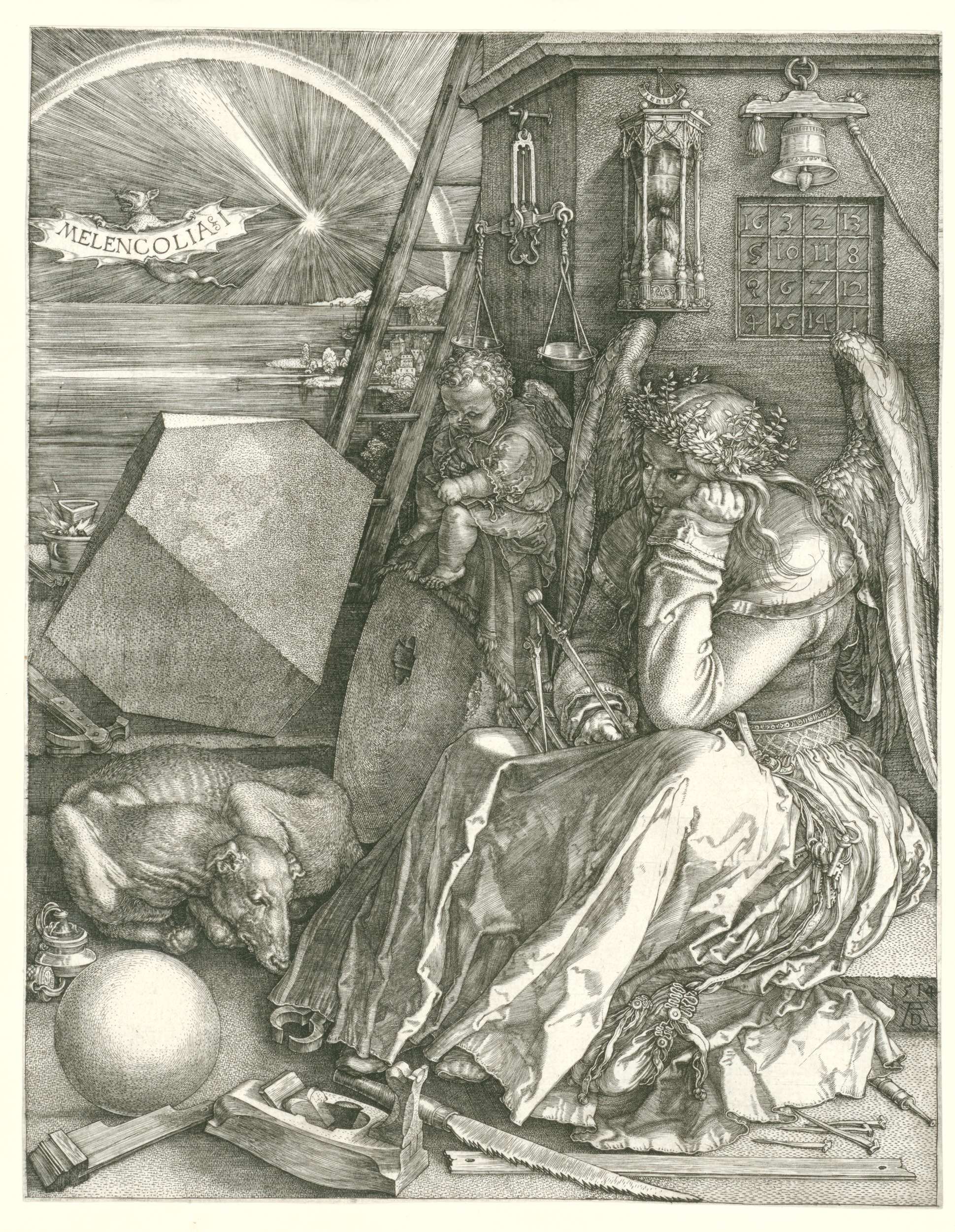
Melancholia
Albrecht Dürer
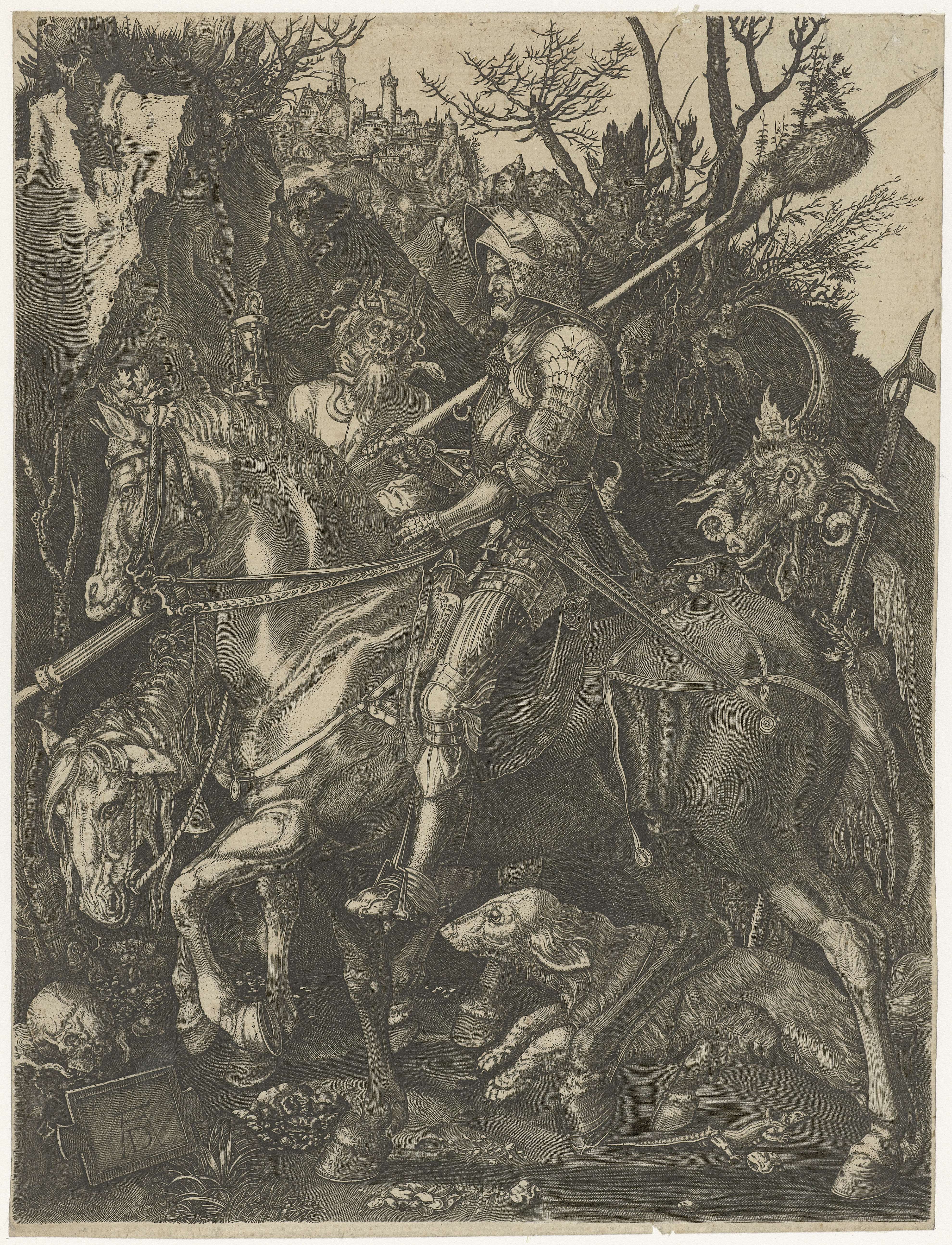
Ridder, Dood en Duivel
Unknown Artist
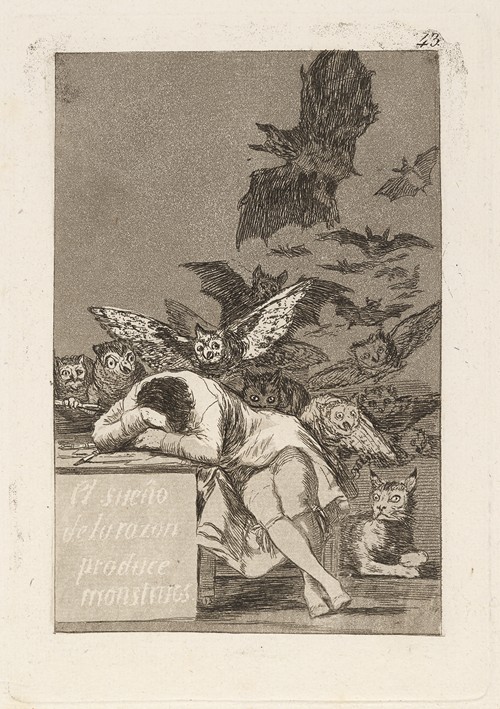
El sueño de la razon produce monstruos. (The sleep of reason produces monsters.)
Francisco de Goya
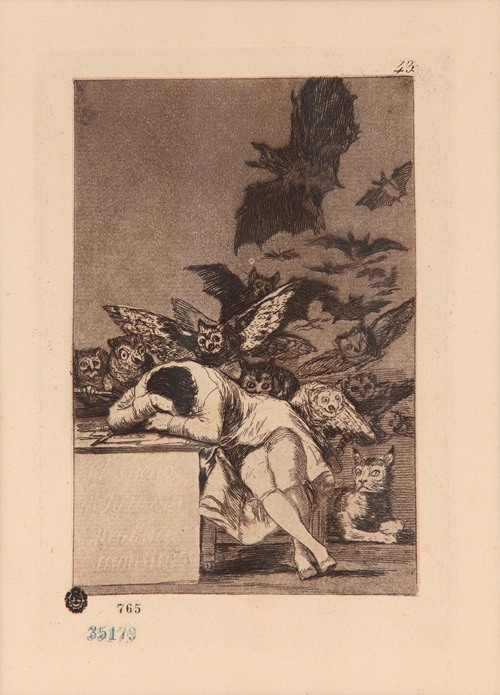
El sueño de la razon produce moustruos (Serie Caprichos)
Francisco de Goya
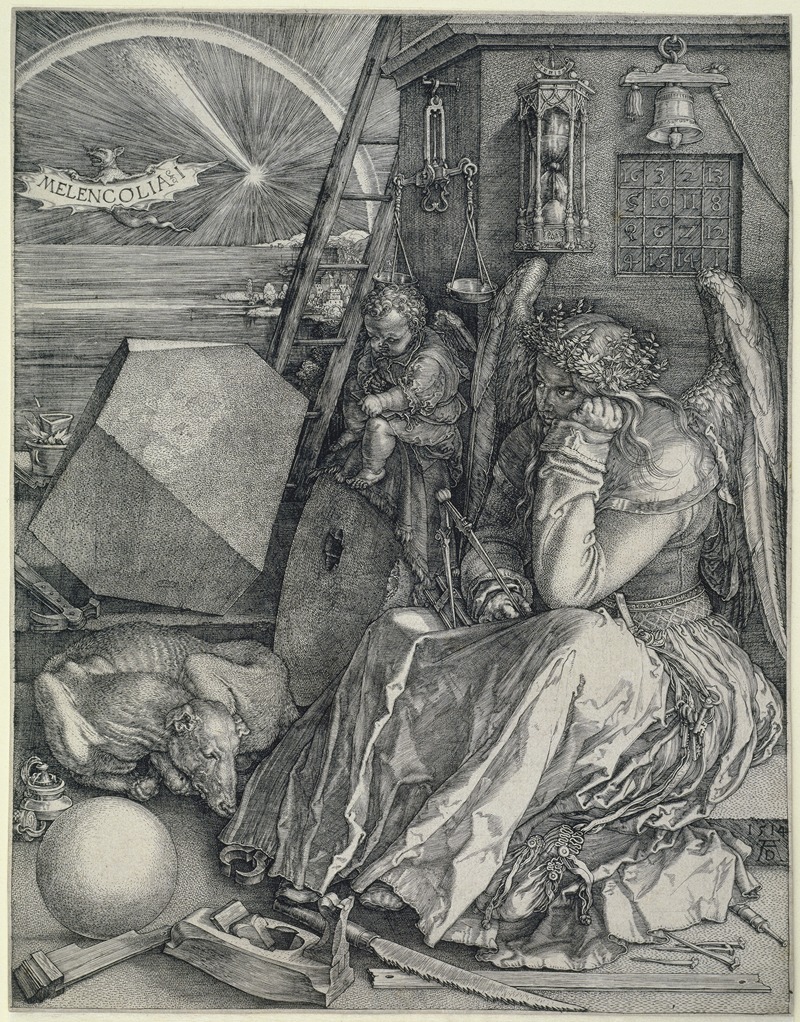
Melencolia I (The Melancholy)
Albrecht Dürer
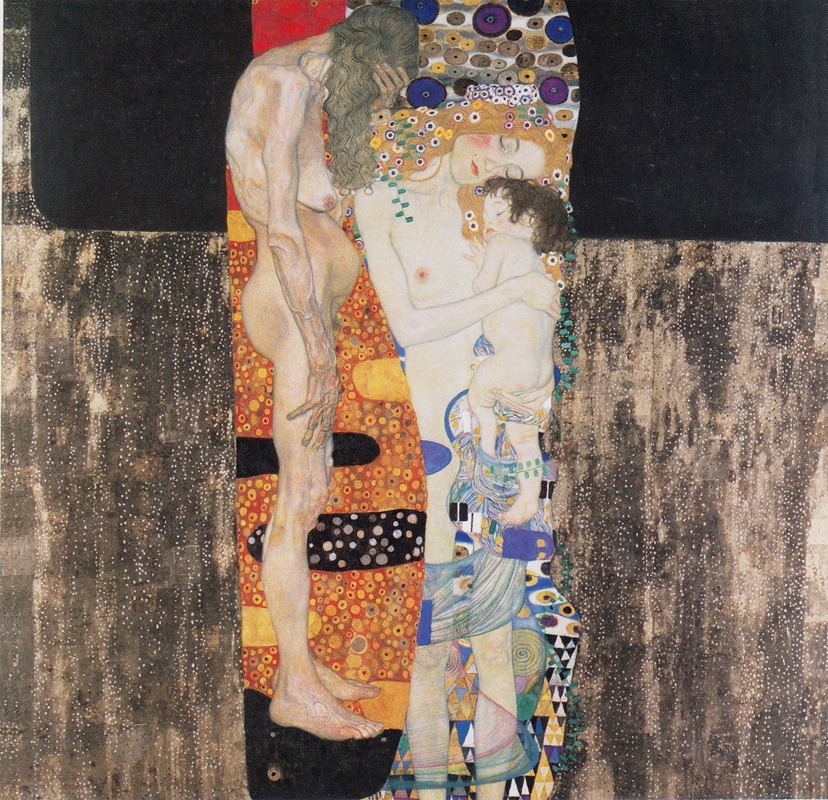
The Three Ages of the Woman
Gustav Klimt