
Les dénicheurs Toscans — History & Facts
What if beauty was never meant to be finished? In Les dénicheurs Toscans, a lingering sense of desire intertwines with the simplicity of everyday labor, inviting reflection on our relationship with nature and the pursuit of fulfillment. Look to the left at the figure poised with a basket, a doorway into the heart of the scene. Corot’s brushwork dances lightly across the canvas, with soft greens and rich earth tones that evoke the lushness of the Tuscan landscape. The play of light filtering through the trees creates a gentle chiaroscuro, enhancing the figures’ connection to their surroundings.
Notice how the strokes convey not just the physicality of the workers but also the serene breeziness of a moment suspended in time. Delve deeper into the subtle contrasts within the painting. The figures, engaged in their search, embody a tender yearning—perhaps for the fruits of their labor or the elusive beauty of nature itself. Yet, their unity against the backdrop of vast countryside hints at an underlying solitude; the act of foraging is both an intimate journey and a solitary quest.
Each brushstroke tells a story of aspiration and the infinite cycle of seeking and finding, resonating with the viewer long after the gaze has lingered. In the mid-1850s, Corot was immersed in a period of experimentation, particularly with light and atmosphere, while living in France. Influenced by the burgeoning Impressionist movement, he sought to capture not just scenes but emotions, portraying a transformative vision of landscapes and figures. This work reflects his commitment to exploration—both of the external world and the human spirit, as he navigated the evolving landscape of 19th-century art.
More Artworks by Jean-Baptiste-Camille Corot
Browse all →
View of Genoa
Jean-Baptiste-Camille Corot
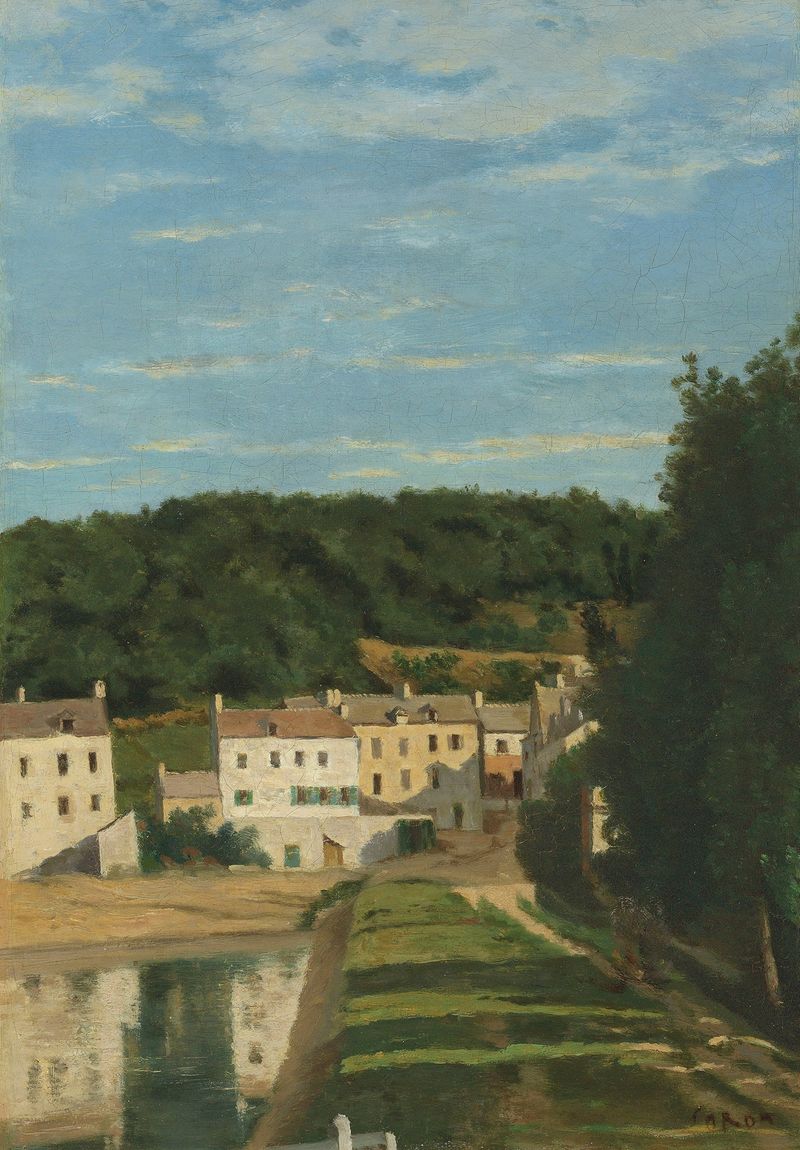
Les Maisons Cabassud À Ville D’avray
Jean-Baptiste-Camille Corot

La solitude. Souvenir de Vigen (Limousin)
Jean-Baptiste-Camille Corot
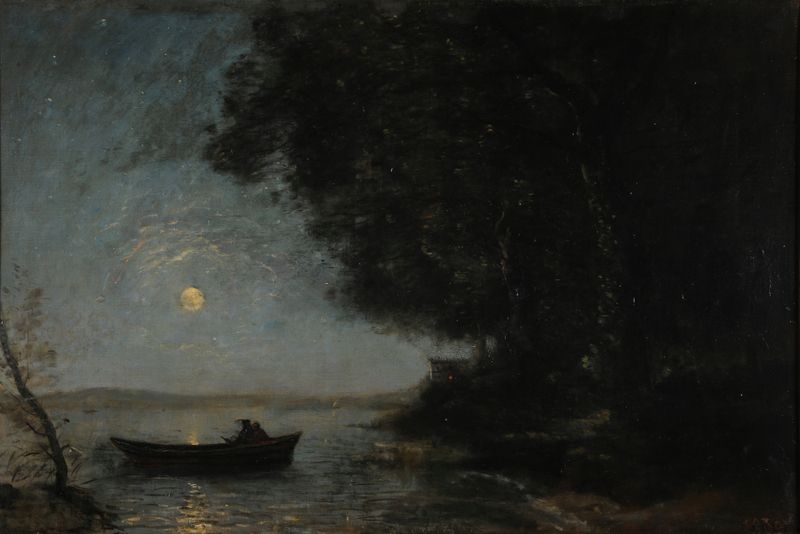
Le lac ; effet de nuit
Jean-Baptiste-Camille Corot
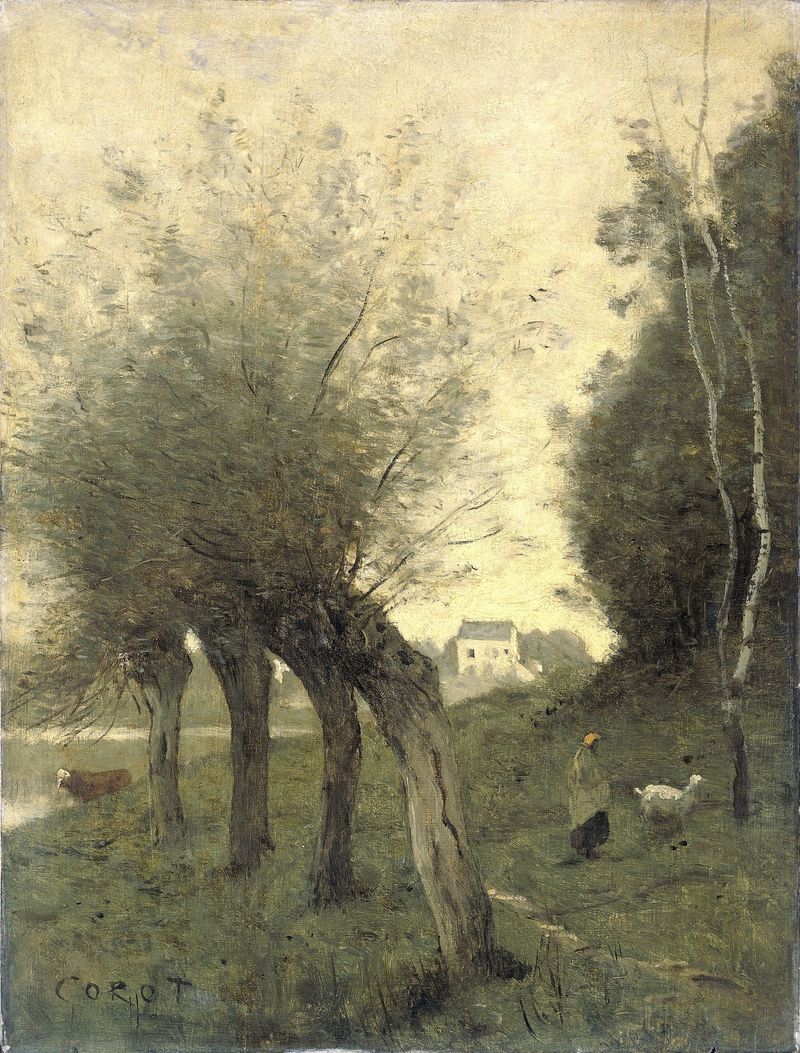
Landscape with Pollard Willows
Jean-Baptiste-Camille Corot
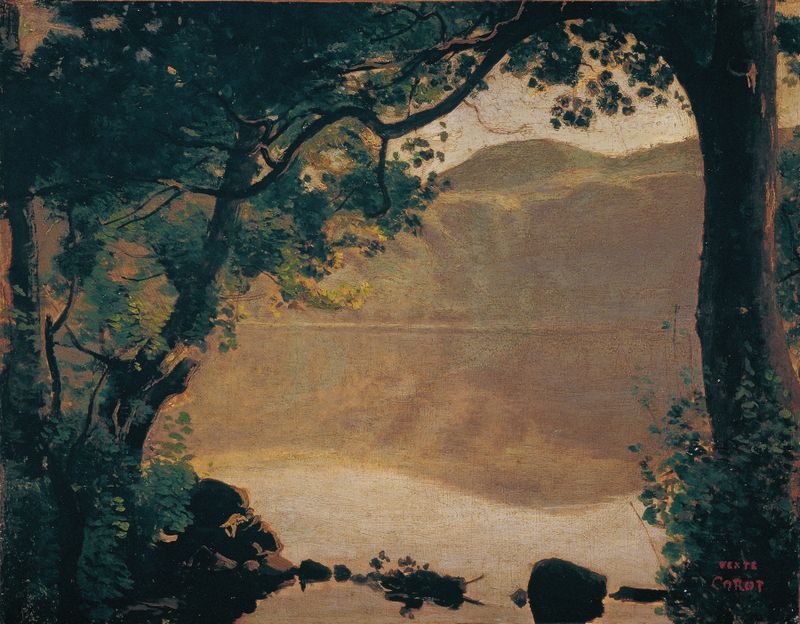
Der Nemisee
Jean-Baptiste-Camille Corot
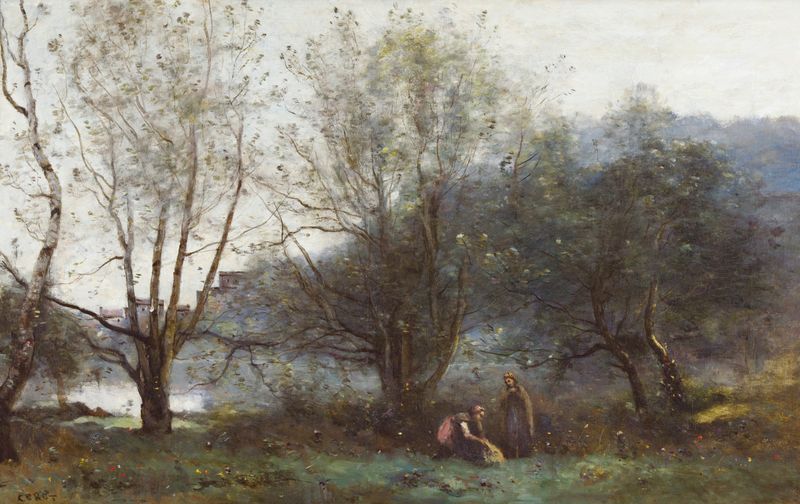
Les Étangs De Ville D’avray
Jean-Baptiste-Camille Corot
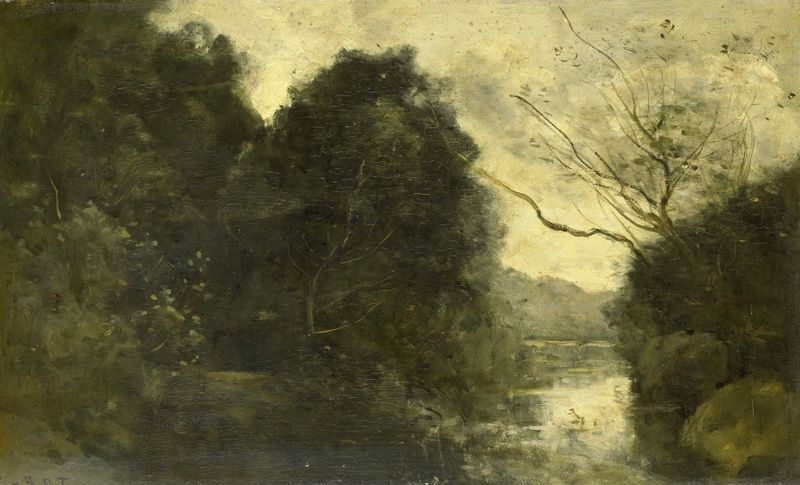
Pond in the Woods
Jean-Baptiste-Camille Corot
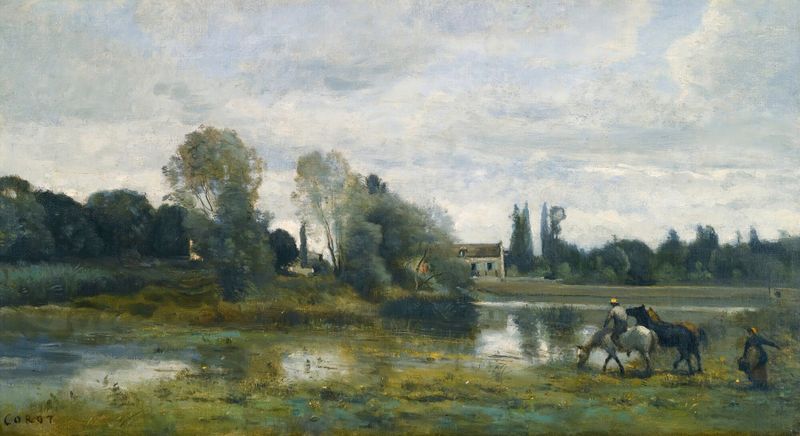
Ville D’avray; L’abreuvoir Des Chevaux
Jean-Baptiste-Camille Corot
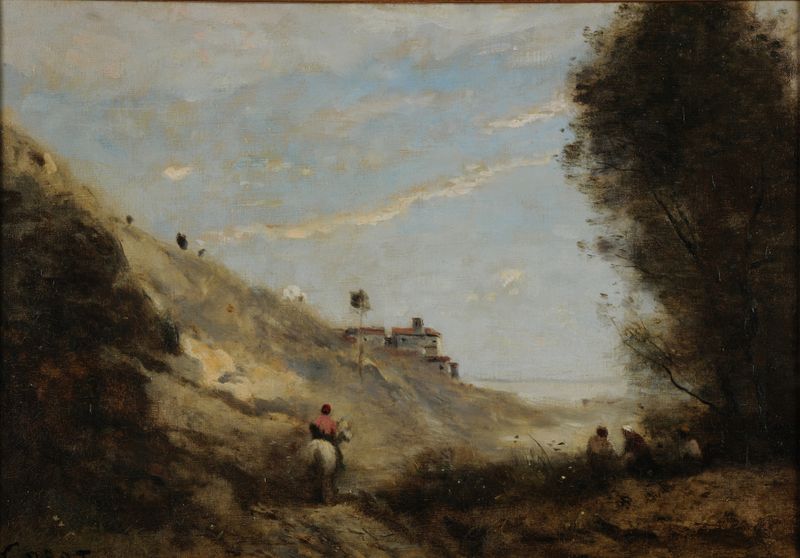
Le vallon au cavalier
Jean-Baptiste-Camille Corot





