
Les Invalides, Paris — History & Facts
Can paint confess what words never could? Within the textured surface of Les Invalides, Paris, the viewer encounters a profound dialogue of light and shadow, revealing truths that lie beyond the spoken word. Look to the left, where the warm glow of the setting sun caresses the golden dome of the Hôtel des Invalides. The soft gradients of orange and gold contrast sharply with the deep blues of the twilight sky, creating a magnetic pull that draws the eye upward. Notice how Tanner's brushwork, with its delicate strokes, captures the fleeting nature of light, as if it were a fleeting moment suspended in time — a masterful technique that evokes both serenity and reverence. Yet there is more beneath the surface.
The juxtaposition of the grand architectural silhouette against the vast sky hints at the transience of life, a reminder of the human condition amidst the enduring structures we build. The gentle waves of color suggest a harmony, but within it lies a tension: the beauty of the scene masks the struggles of those who reside within the shadow of the monument, hinting at stories untold. This layered meaning reflects Tanner's deep empathy for the human experience, inviting contemplation of what remains unsaid. In 1896, Tanner, an African American artist based in Paris, was navigating the complexities of identity and representation in a world still bound by prejudice.
This painting emerged during a period when he was gaining recognition, showcasing his unique ability to blend realism with emotional depth. As he engaged with the impressionist movement, he carved out a space for his distinct voice, illuminating truths through the lens of his experiences and capturing the sublime in everyday life.
More Artworks by Henry Ossawa Tanner
Browse all →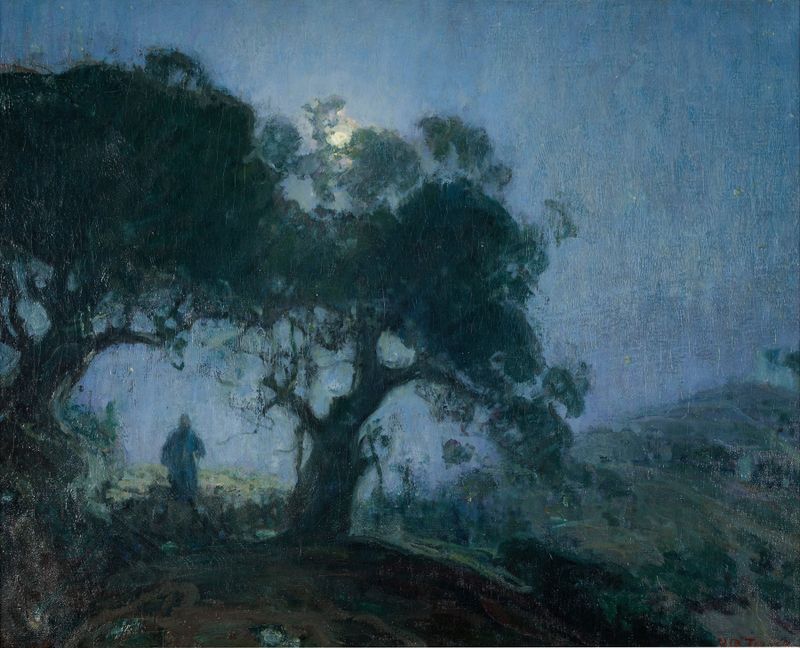
The Good Shepherd
Henry Ossawa Tanner
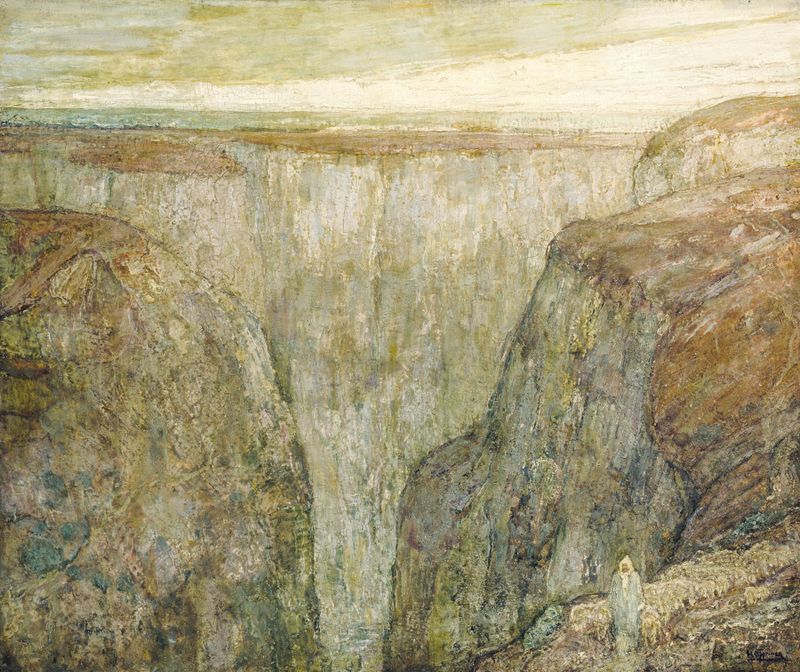
The Good Shepherd (Atlas Mountains, Morocco)
Henry Ossawa Tanner
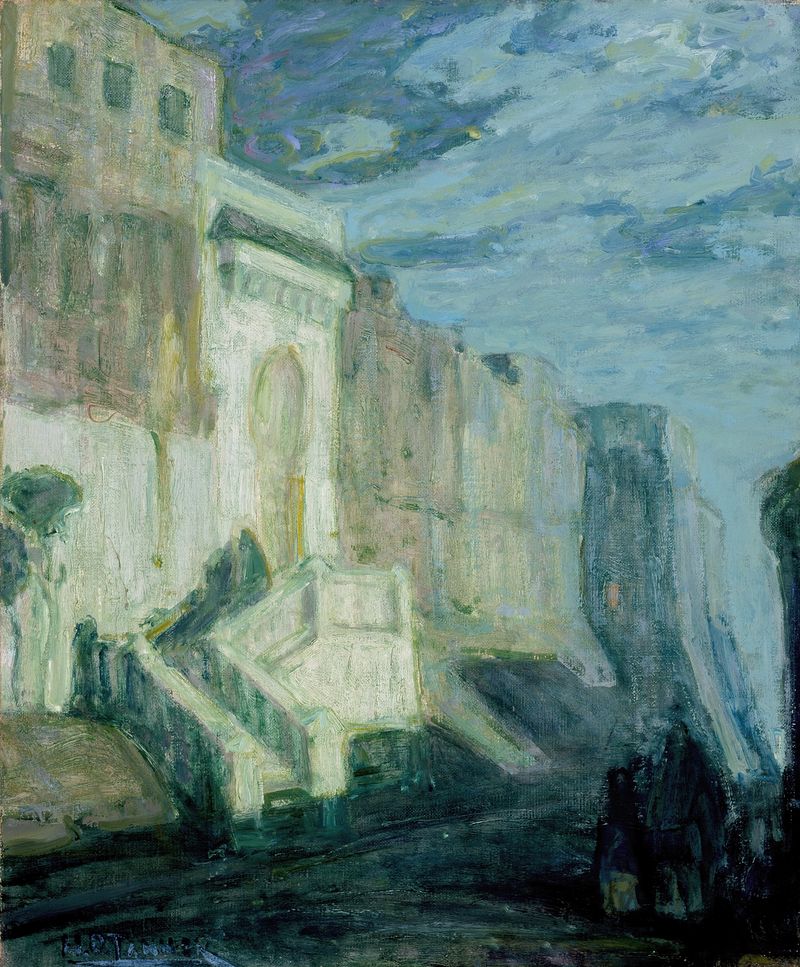
Moonlight; Walls of Tangiers
Henry Ossawa Tanner
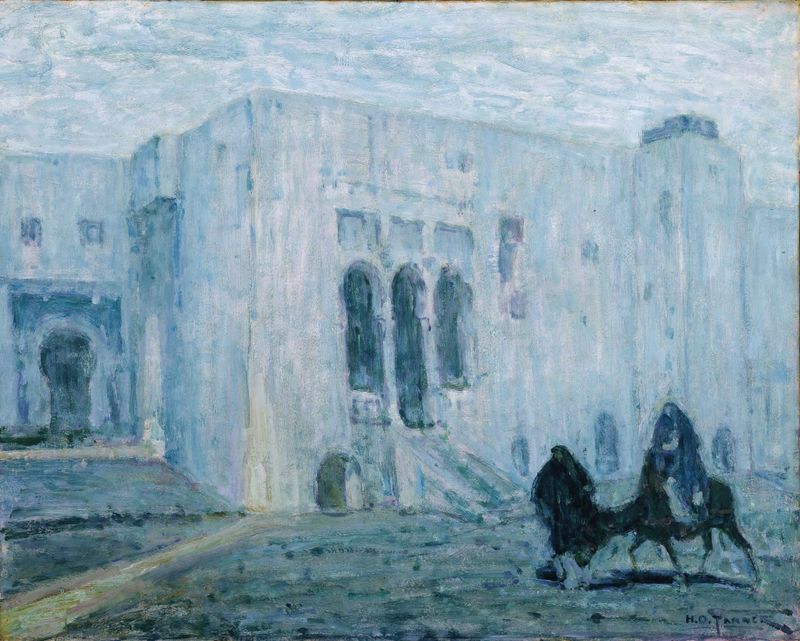
Palace of Justice, Tangier
Henry Ossawa Tanner
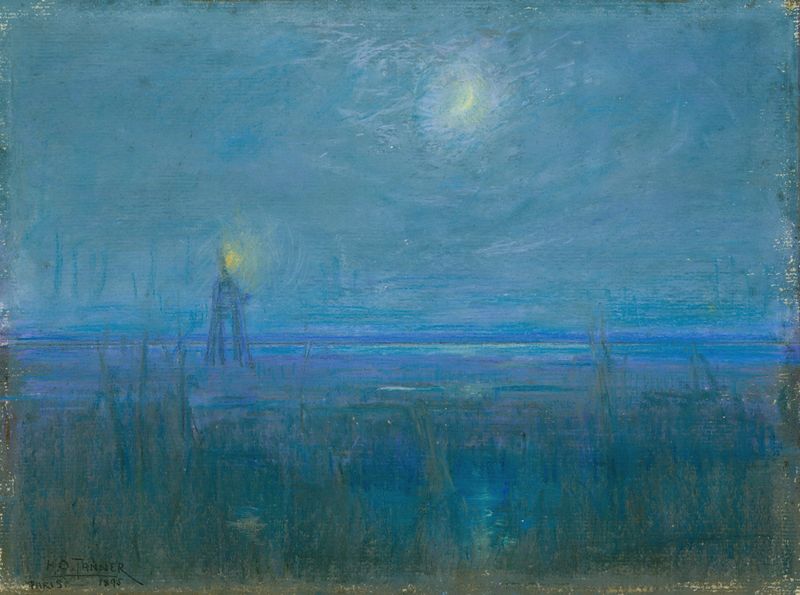
Marshes In New Jersey
Henry Ossawa Tanner
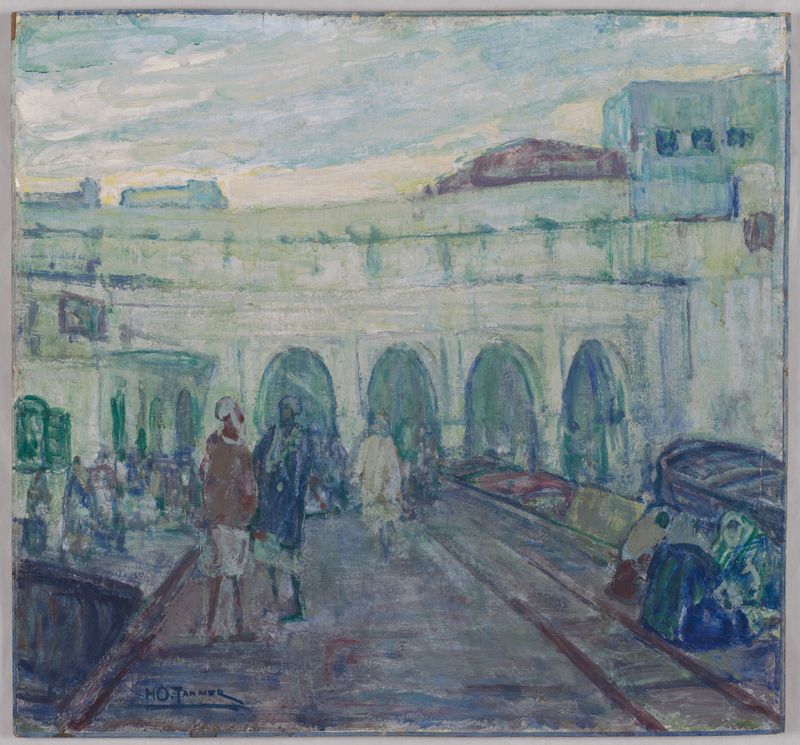
Port of Tangiers (Entrance to the Customs House)
Henry Ossawa Tanner
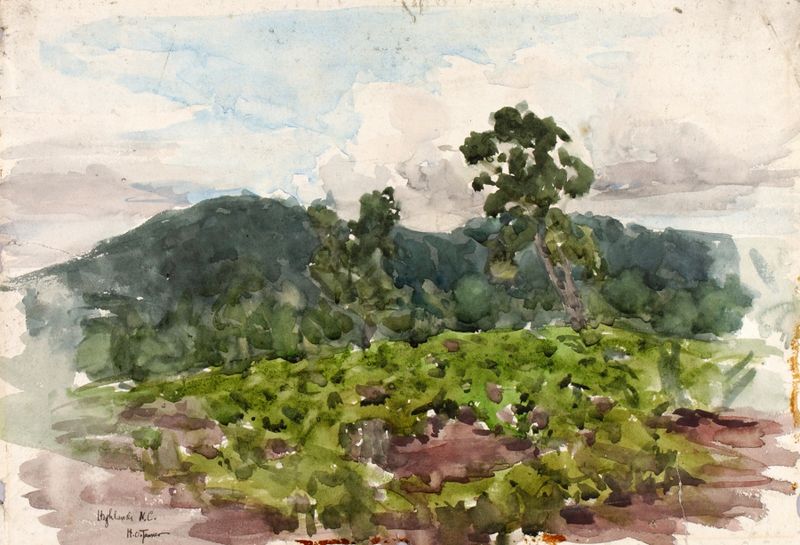
Highlands, N.C.
Henry Ossawa Tanner
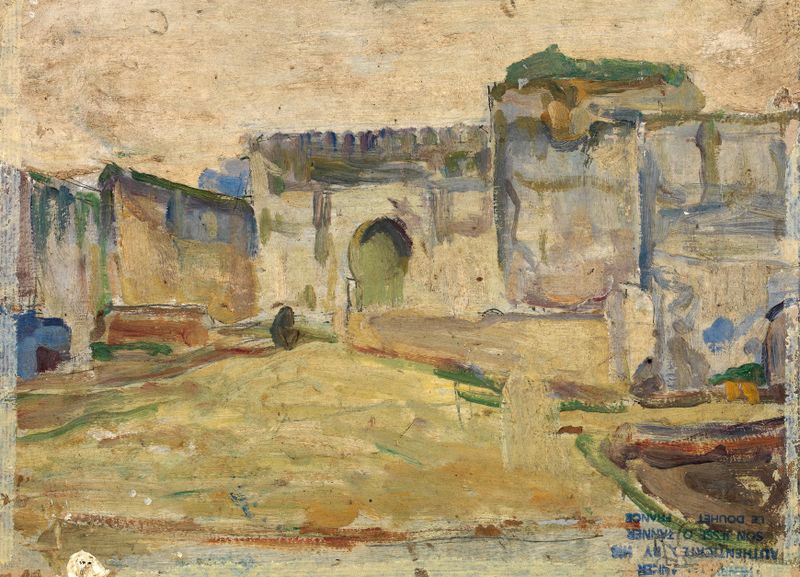
Street Scene, Tangier (Crenelated Architecture)
Henry Ossawa Tanner
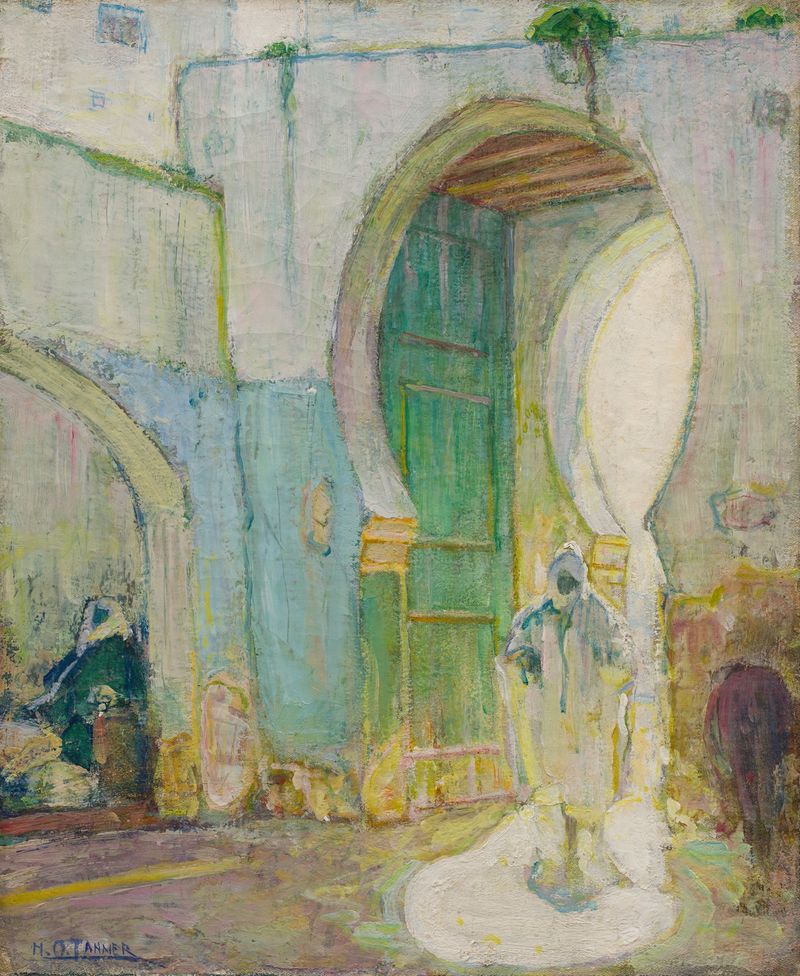
Gateway, Tangier
Henry Ossawa Tanner
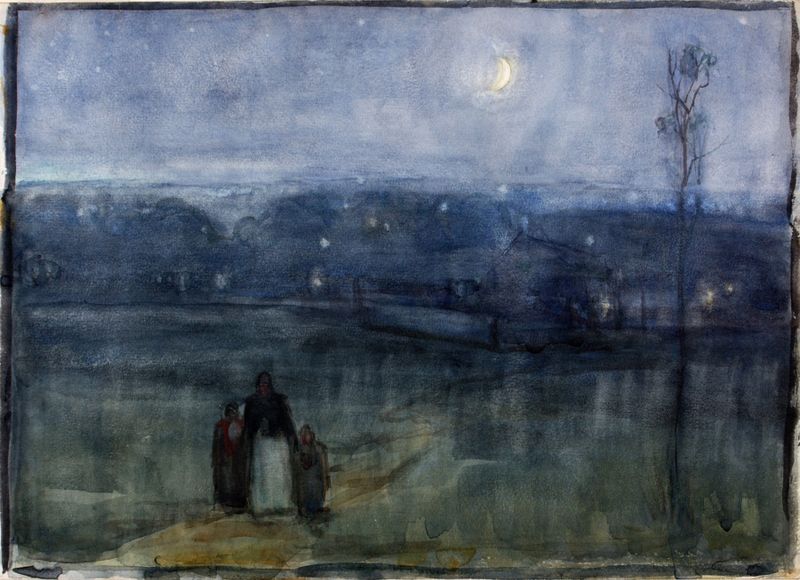
Kansas City, Kansas
Henry Ossawa Tanner
More Architecture Art
Browse all →
The statue of Liberty
Frédéric Auguste Bartholdi

View of Houses in Delft, Known as ‘The Little Street’
Johannes Vermeer

View of Houses in Delft, Known as ‘The Little Street’
Johannes Vermeer

The Cathedral in Rouen. The portal, Grey Weather
Claude Monet

The yellow house
Vincent van Gogh

The Church in Auvers-sur-Oise, View from the Chevet
Vincent van Gogh