
Les laveuses à Chelles — History & Facts
Did the painter know this moment would outlive them? As the hands of laborers dip into the cool water, the toil of life unfurls in the realm of both beauty and decay. Look to the foreground, where figures stand knee-deep in a shimmering stream, their garments clinging to their bodies, heavy with the weight of work. The sun spills golden light across the scene, illuminating the textures of their skin and the swirling water. Notice the delicate interplay of shadows that dance across the landscape, framing their exertion with an ethereal glow.
The muted earth tones of their clothing contrast against the vibrant blues and greens of nature, creating a palpable tension between human struggle and the serene beauty of the world. Beneath the surface, there lies a poignant narrative of resilience and transience. The women, immersed in their labor, carry the burden of their lives, a cycle of routine that echoes through generations. The water they wash in symbolizes both refreshment and decay—the fleeting nature of existence intertwined with the daily grind.
Each ripple reflects not just their physical labor, but also the emotional weight of their unrecognized contributions, hinting at the fragility of life and legacy. Lhermitte created this piece during a time when realism was gaining ground in the art world, reflecting the lives of everyday individuals. Painted in France, amidst the socio-economic shifts of the late 19th century, he sought to elevate ordinary scenes to convey deeper truths about human experience. His focus on labor and the dignity found within it marked a significant moment in art history, celebrating the unsung heroes of society during a period of rapid change.
More Artworks by Léon Augustin Lhermitte
Browse all →
The Harvesters
Léon Augustin Lhermitte
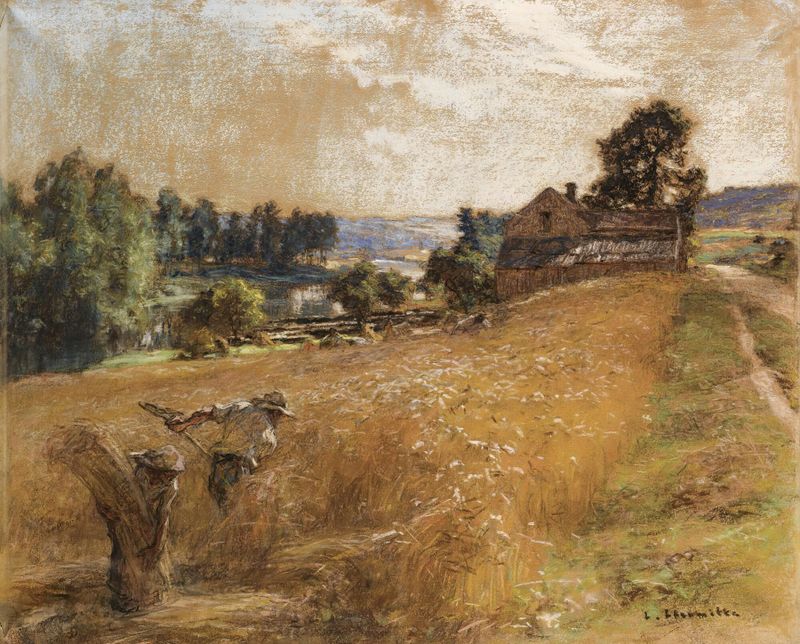
La Fenaison
Léon Augustin Lhermitte
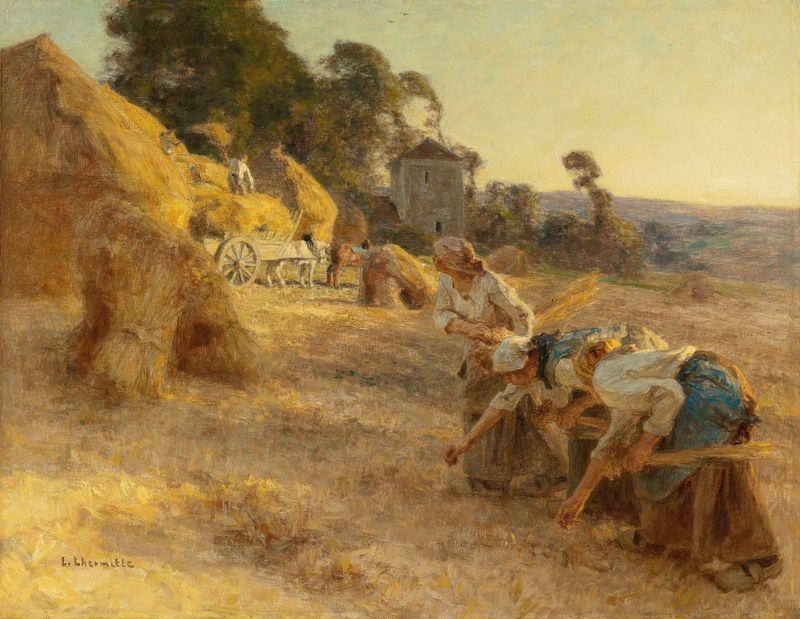
Glaneuses En Avant De Vieilles Meules
Léon Augustin Lhermitte
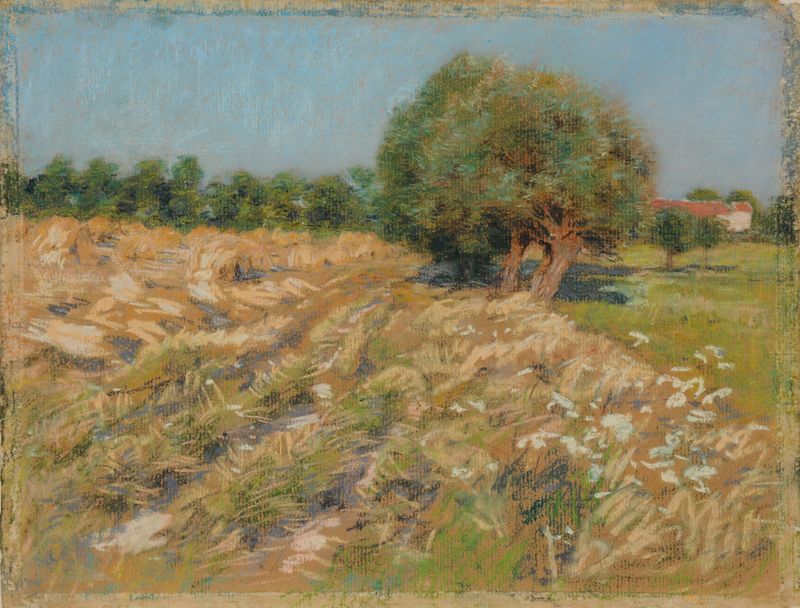
Le chemin de la ferme
Léon Augustin Lhermitte
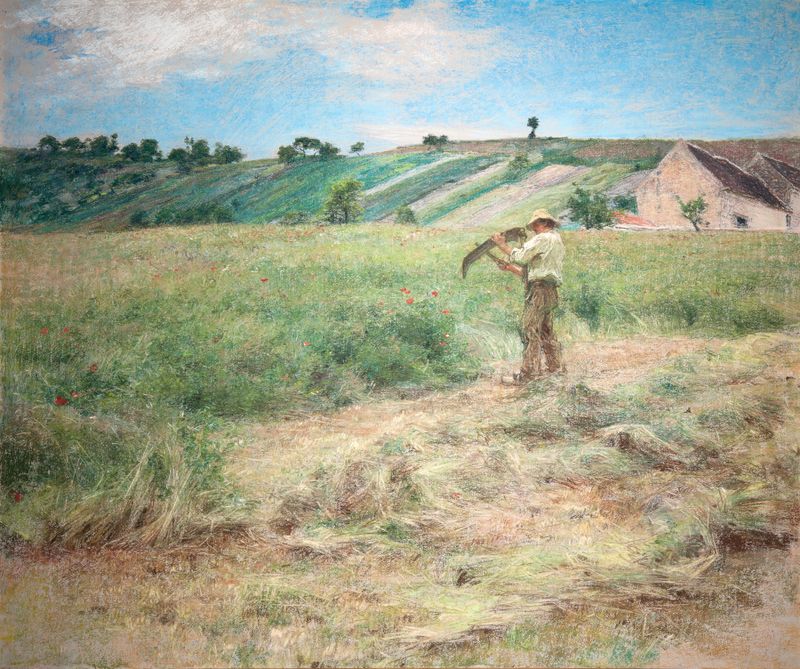
Haymaking
Léon Augustin Lhermitte
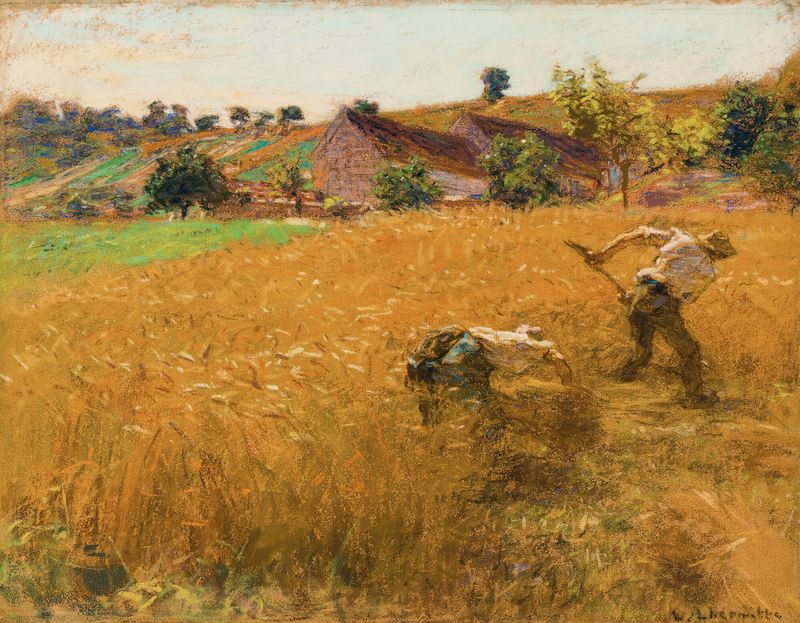
La Moisson
Léon Augustin Lhermitte
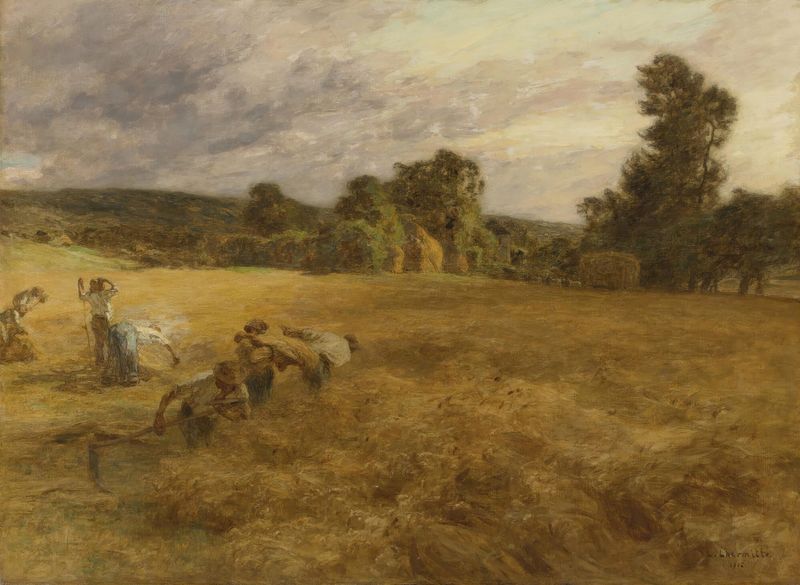
L’orage En Moisson
Léon Augustin Lhermitte
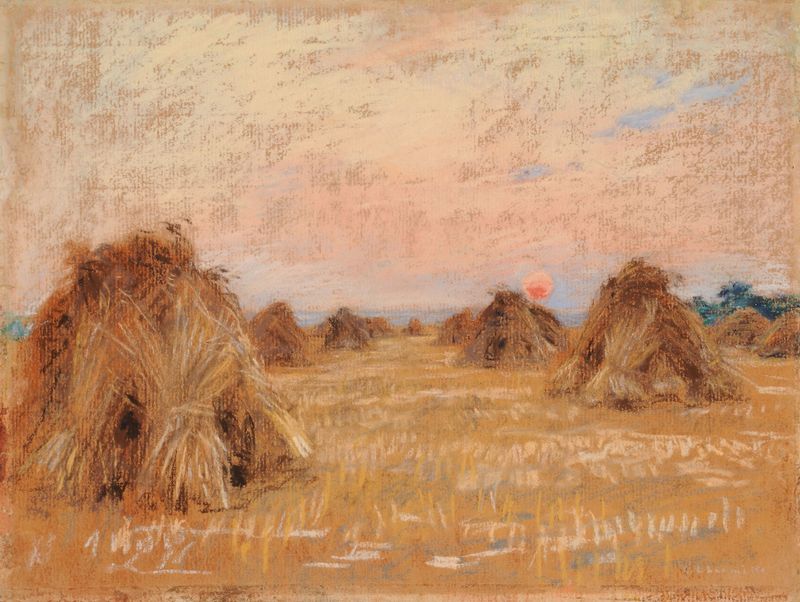
Fin de journée
Léon Augustin Lhermitte
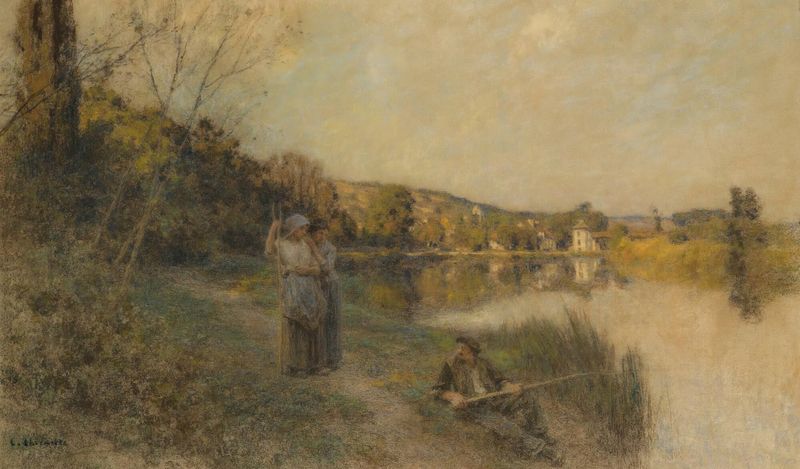
Fin De Belle Journee, Soleil Couchant, Pecheur
Léon Augustin Lhermitte

Quai au Sable, Chartèves
Léon Augustin Lhermitte





