
Discover insights about this artwork
Les quatre saisons – Le printemps — History & Facts
In Les quatre saisons – Le printemps, Paul Cézanne captures the essence of spring with vibrant colors and dynamic forms. The painting features lush greenery, blooming flowers, and a sense of renewal. Figures are depicted enjoying the outdoors, embodying the joy of the season.
The palette is dominated by fresh greens, soft pinks, and bright yellows, creating a lively atmosphere. Cézanne employs thick brushstrokes and a textured surface to bring depth to the scene. The composition is balanced, with a harmonious arrangement of figures and nature. The use of light is notable, as it enhances the vibrancy of the colors.
Viewers can appreciate the layering technique that Cézanne often used, which adds richness to the overall work. Paul Cézanne, a key figure in Post-Impressionism, sought to bridge the gap between Impressionism and modern art. Les quatre saisons – Le printemps is part of a series that reflects the changing seasons, showcasing his interest in nature and its cycles. An interesting fact about this work is that it exemplifies Cézanne's innovative approach to form and color, influencing future generations of artists.
More Artworks by Paul Cézanne
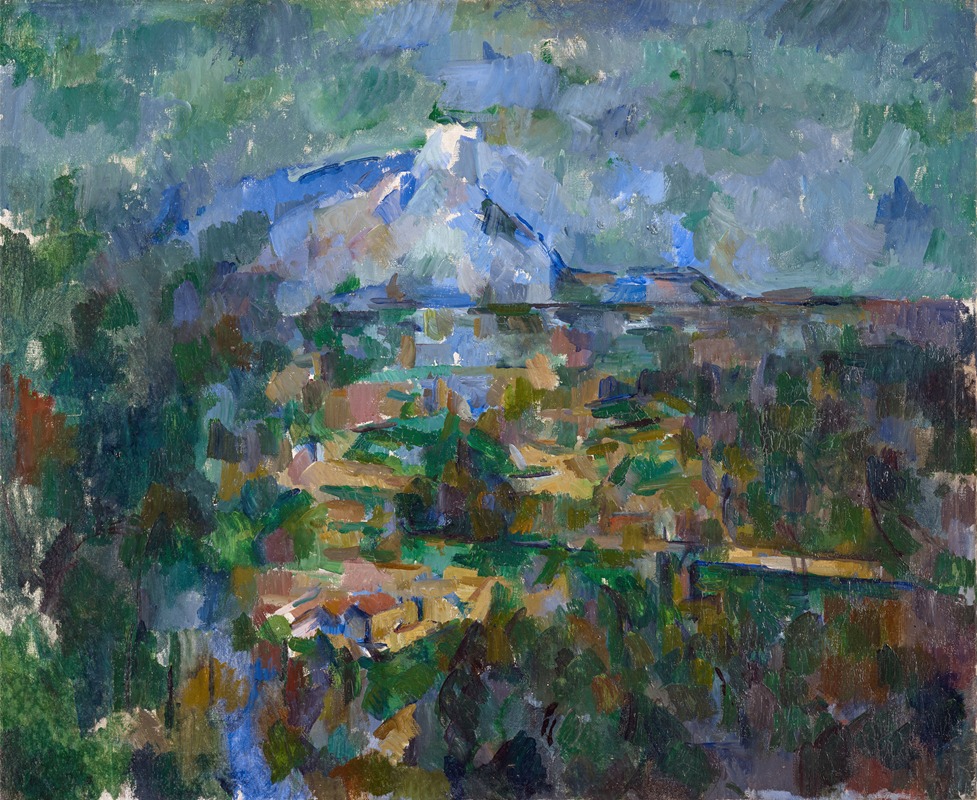
The Mont Sainte-Victoire Seen From Les Lauves
Paul Cézanne
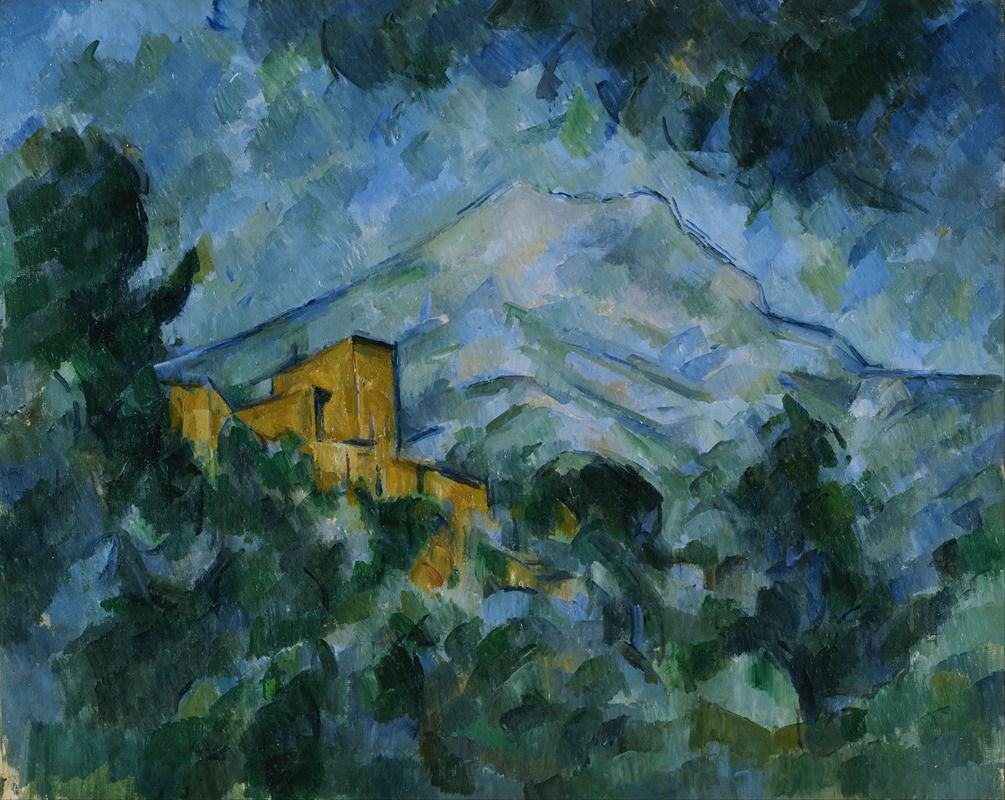
Mont Sainte-Victoire and Château Noir
Paul Cézanne
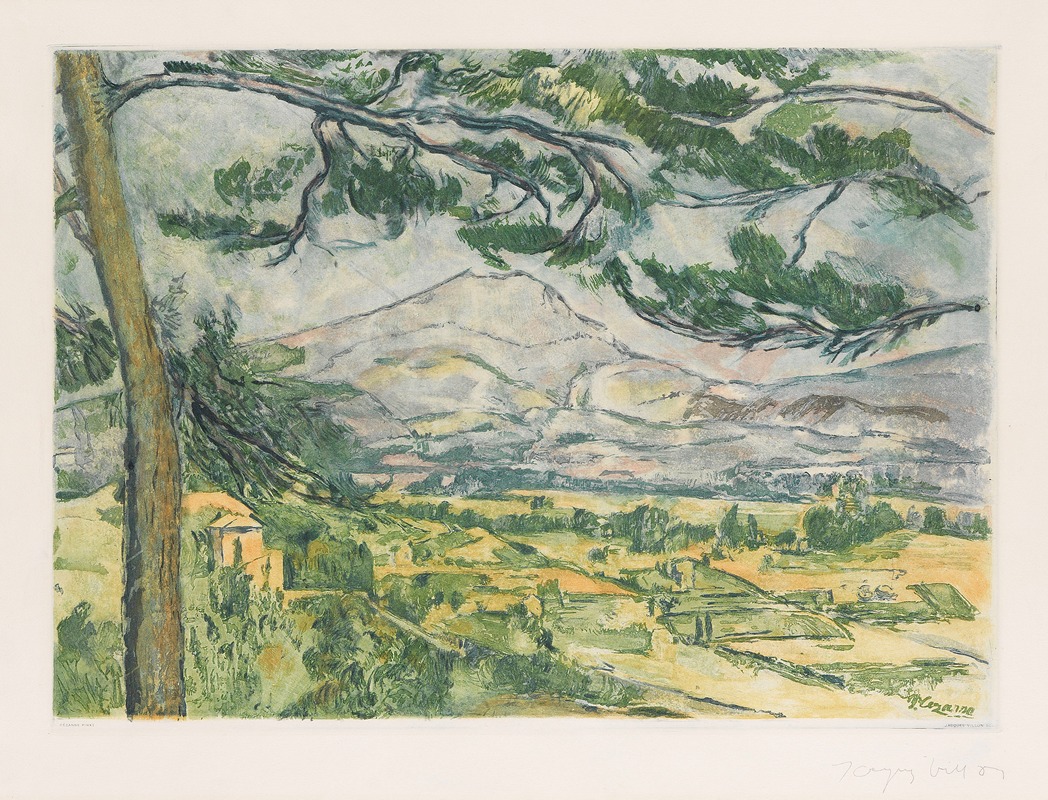
La Montagne Sainte-Victoire
Paul Cézanne
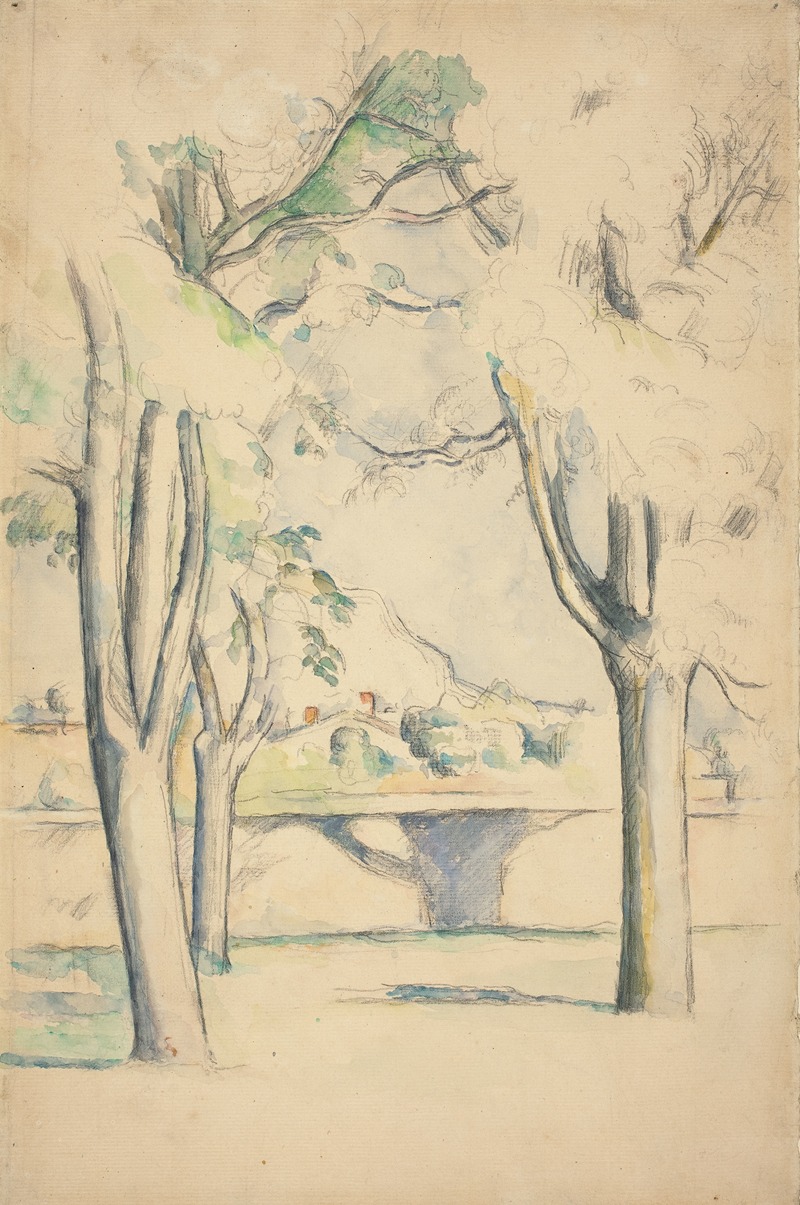
Mont Sainte-Victoire Seen beyond the Wall of the Jas de Bouffan
Paul Cézanne
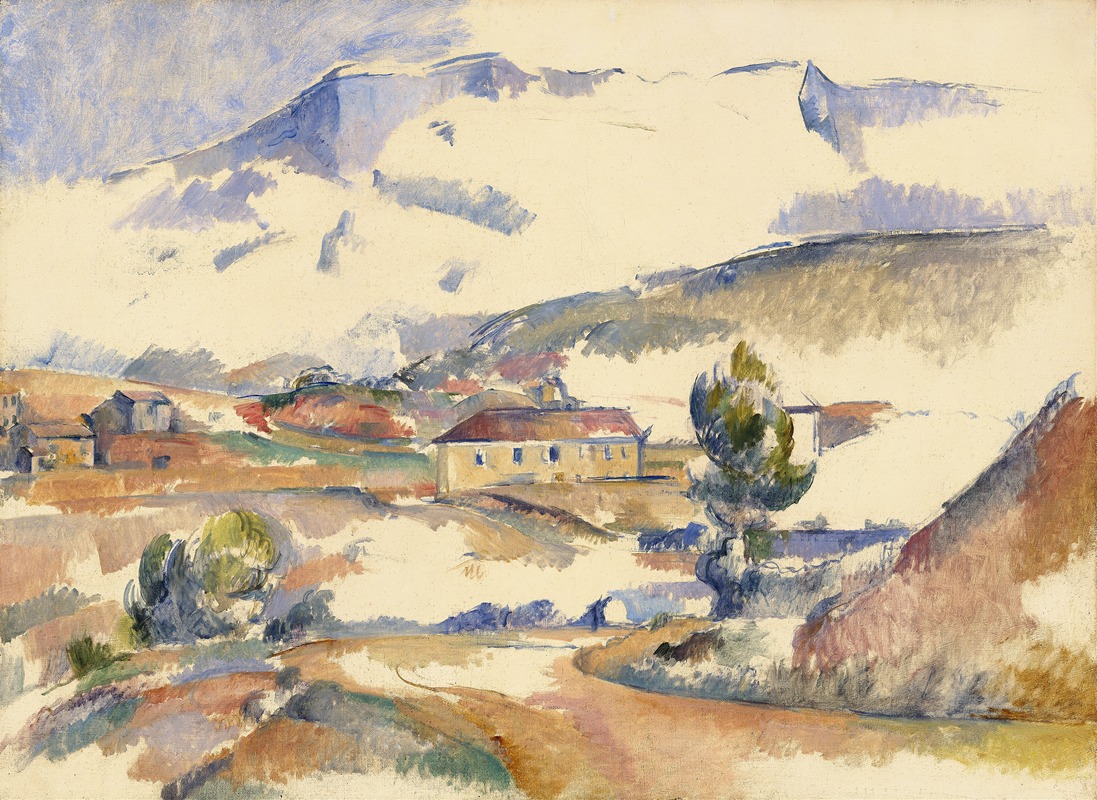
Montagne Sainte-Victoire,from near Gardanne
Paul Cézanne
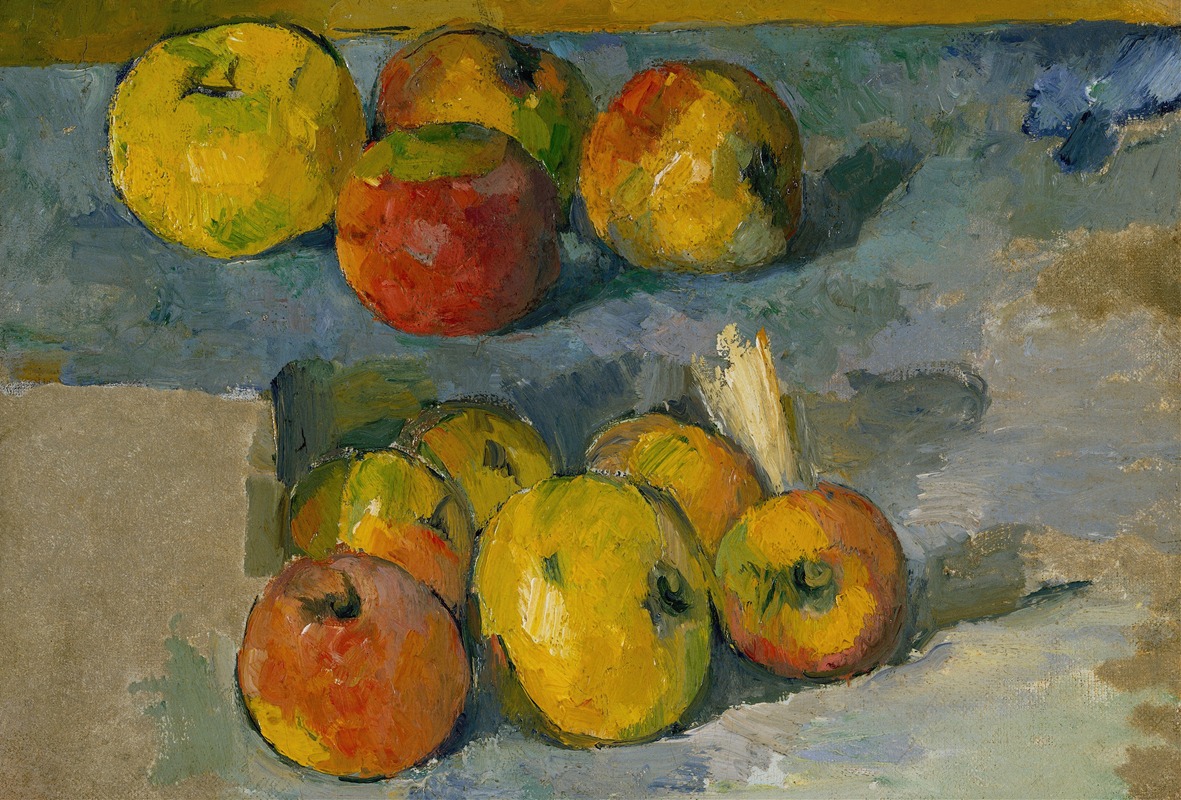
Apples
Paul Cézanne
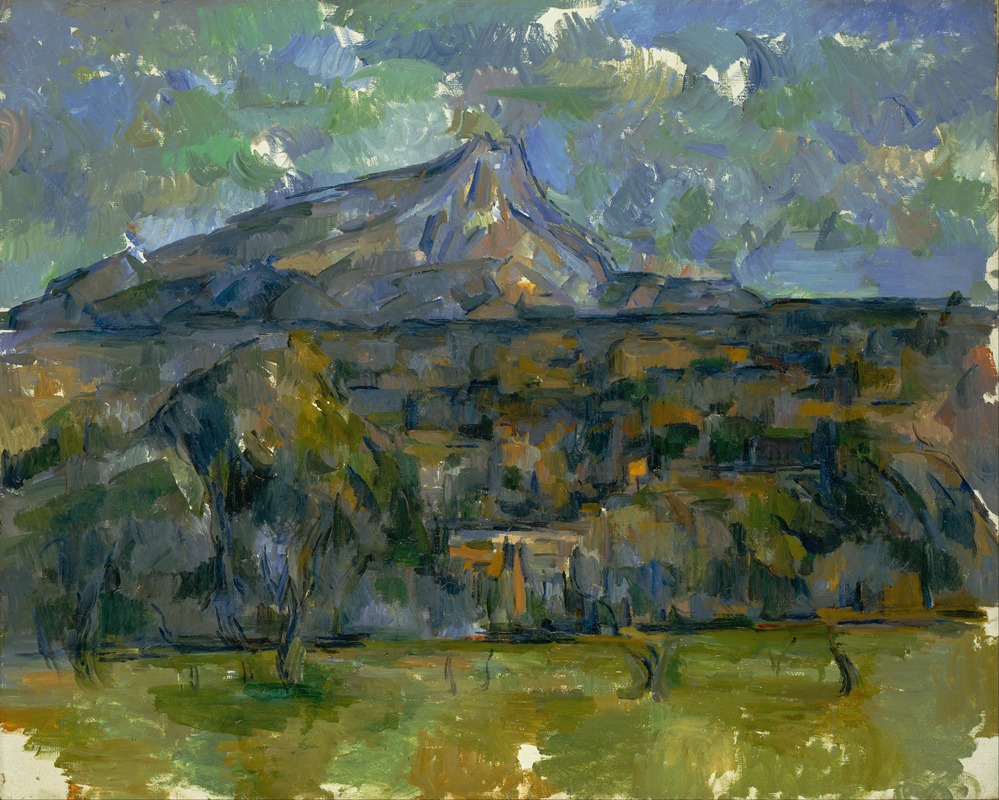
Mont Sainte-Victoire
Paul Cézanne
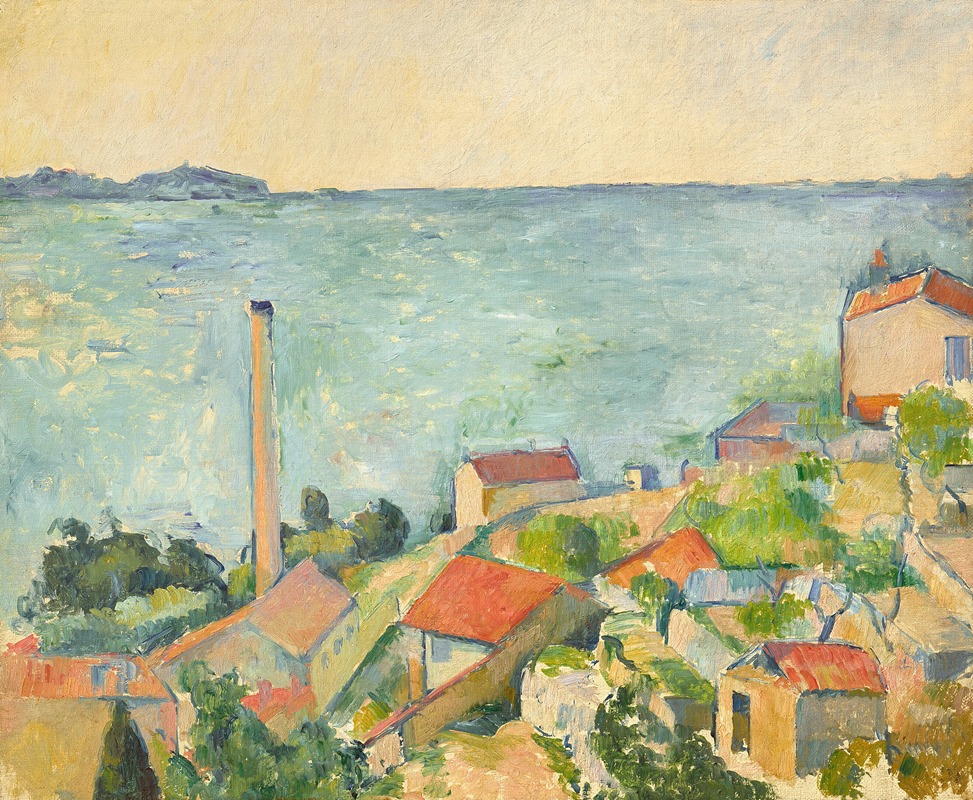
La mer à l’Estaque
Paul Cézanne
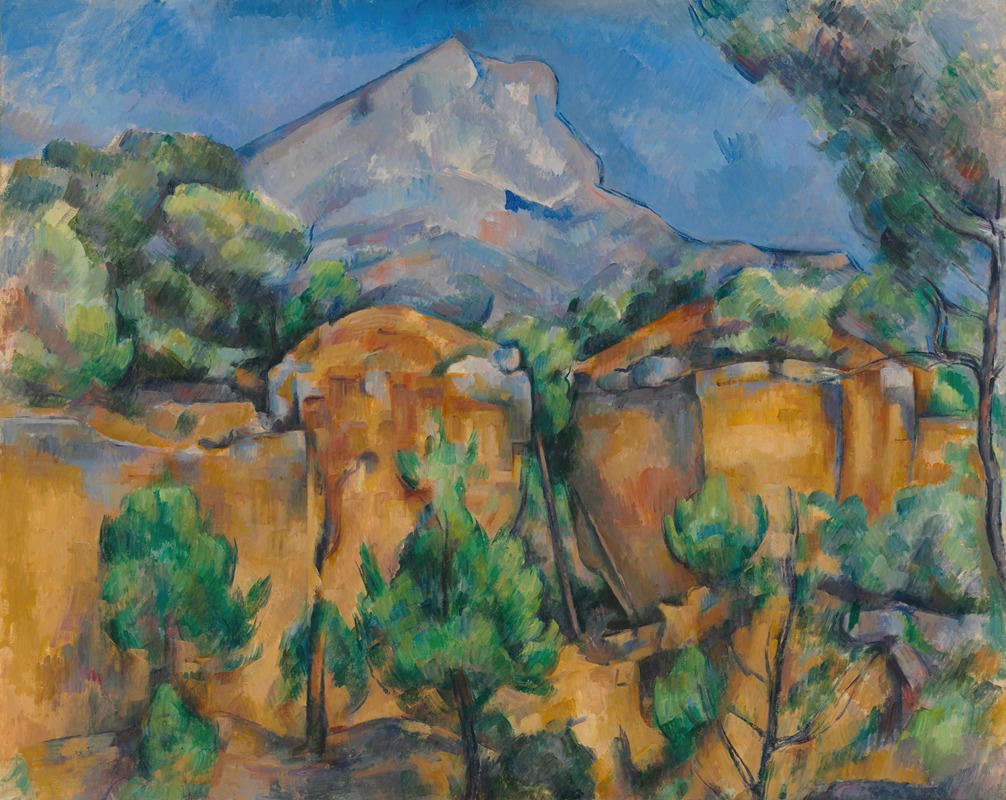
La Montagne Sainte-Victoire vue de la carrière Bibémus
Paul Cézanne
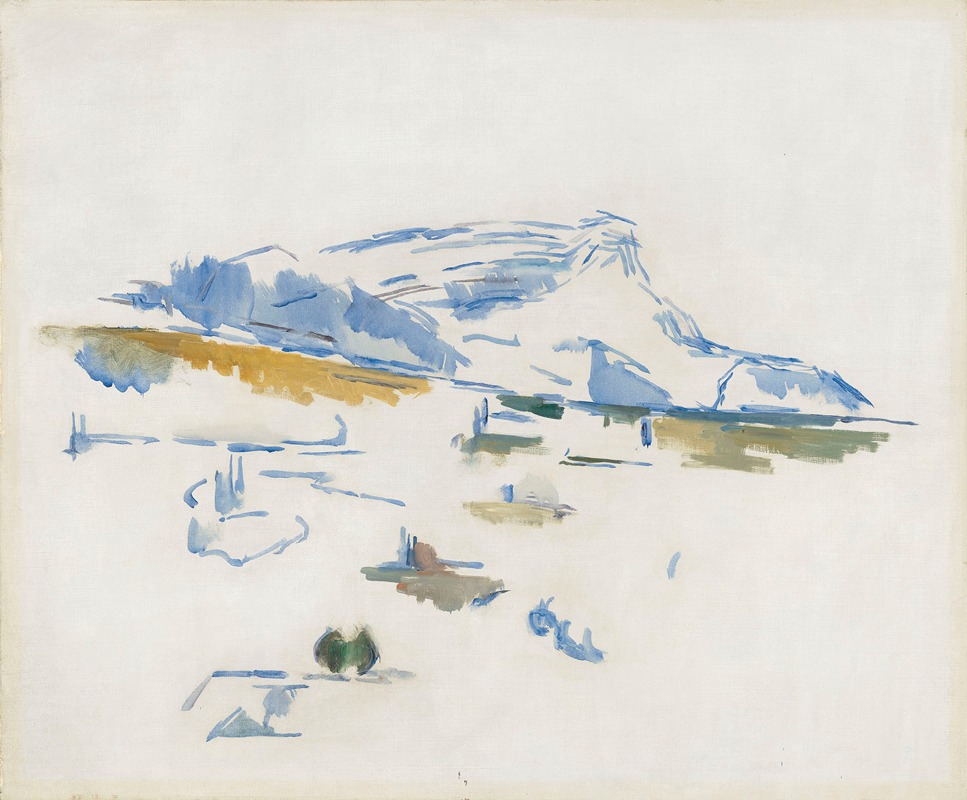
La Montagne Sainte-Victoire vue des Lauves
Paul Cézanne
More Allegory Art
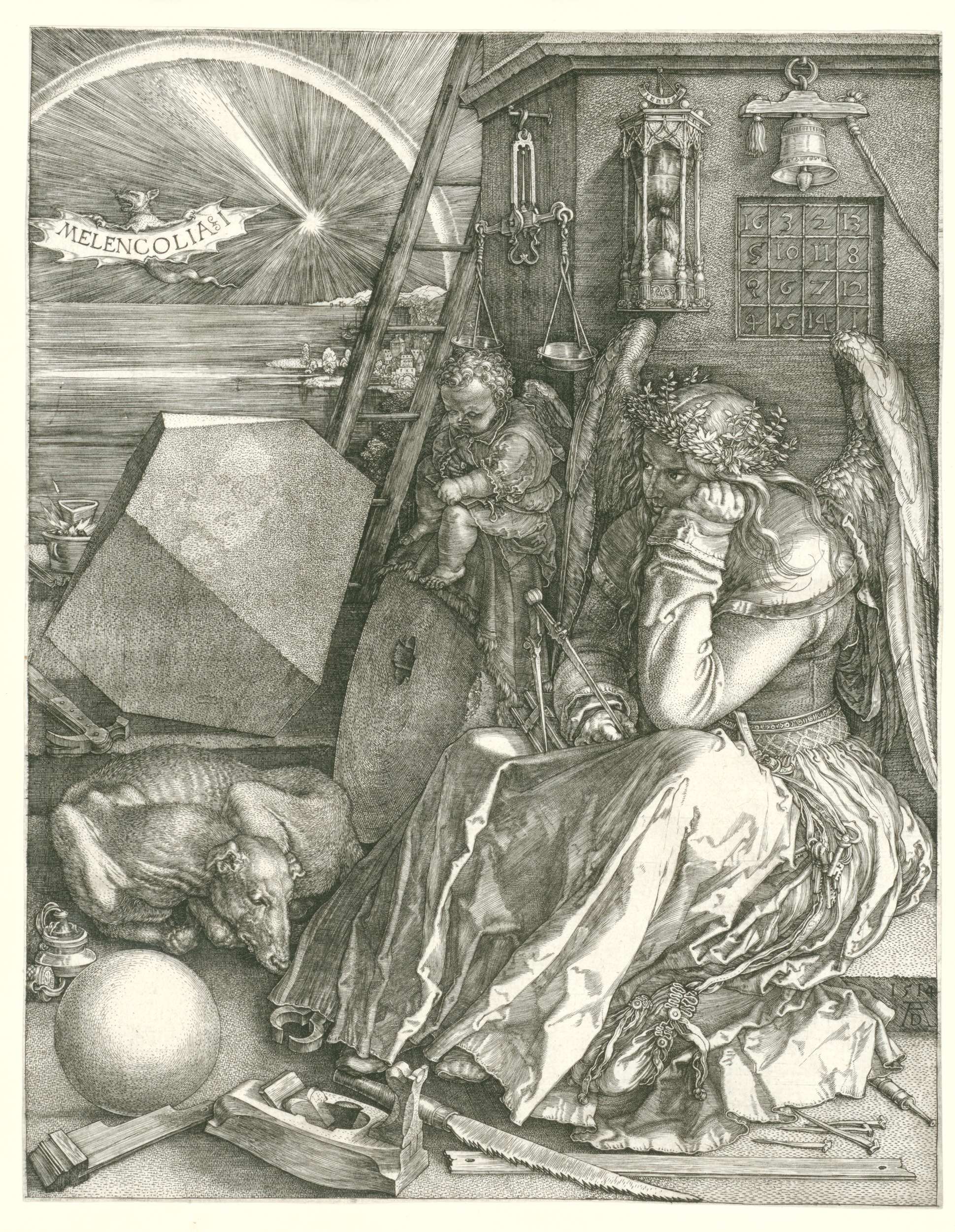
Melancholia
Albrecht Dürer
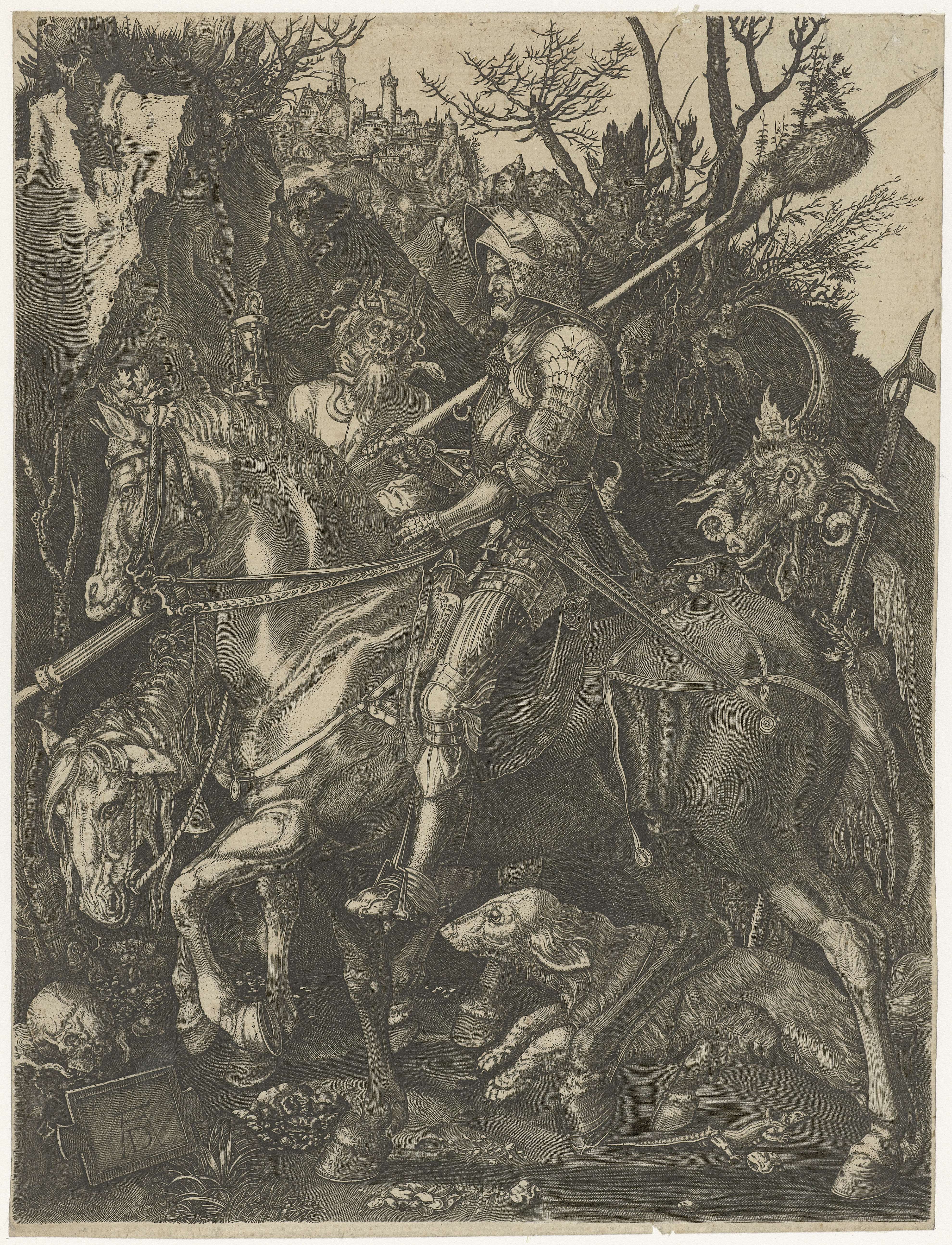
Ridder, Dood en Duivel
Unknown Artist
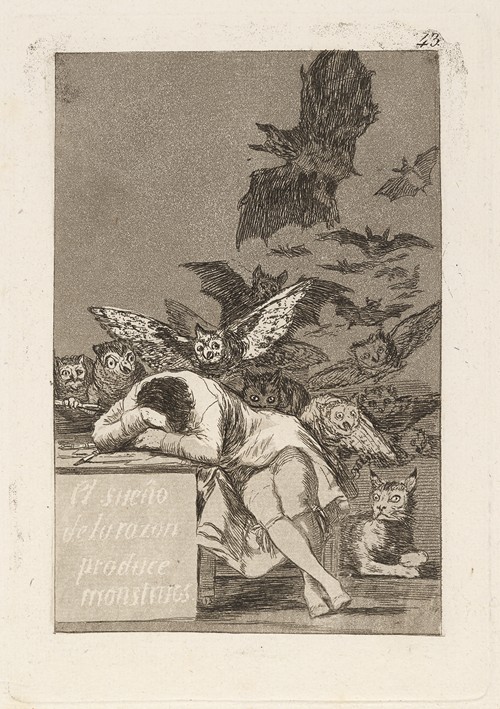
El sueño de la razon produce monstruos. (The sleep of reason produces monsters.)
Francisco de Goya
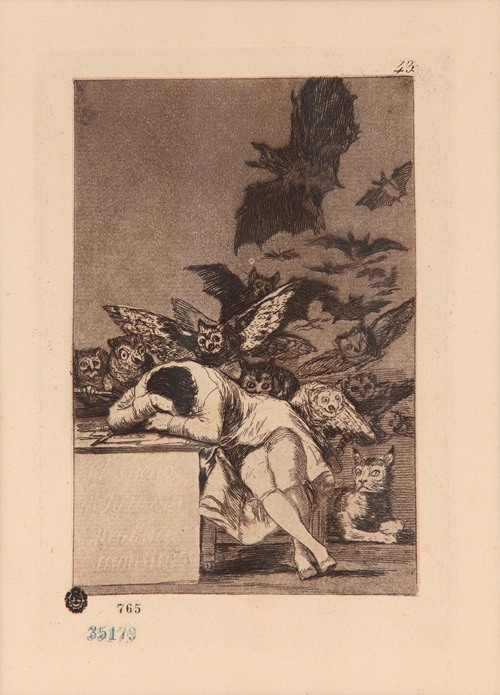
El sueño de la razon produce moustruos (Serie Caprichos)
Francisco de Goya
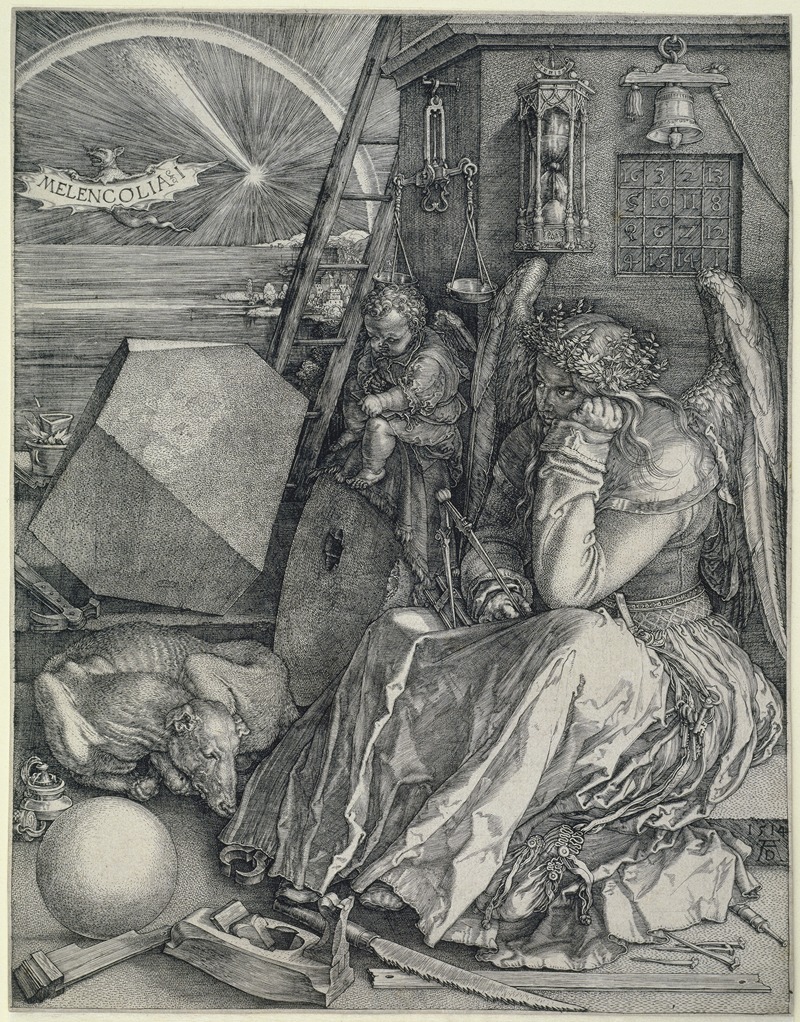
Melencolia I (The Melancholy)
Albrecht Dürer
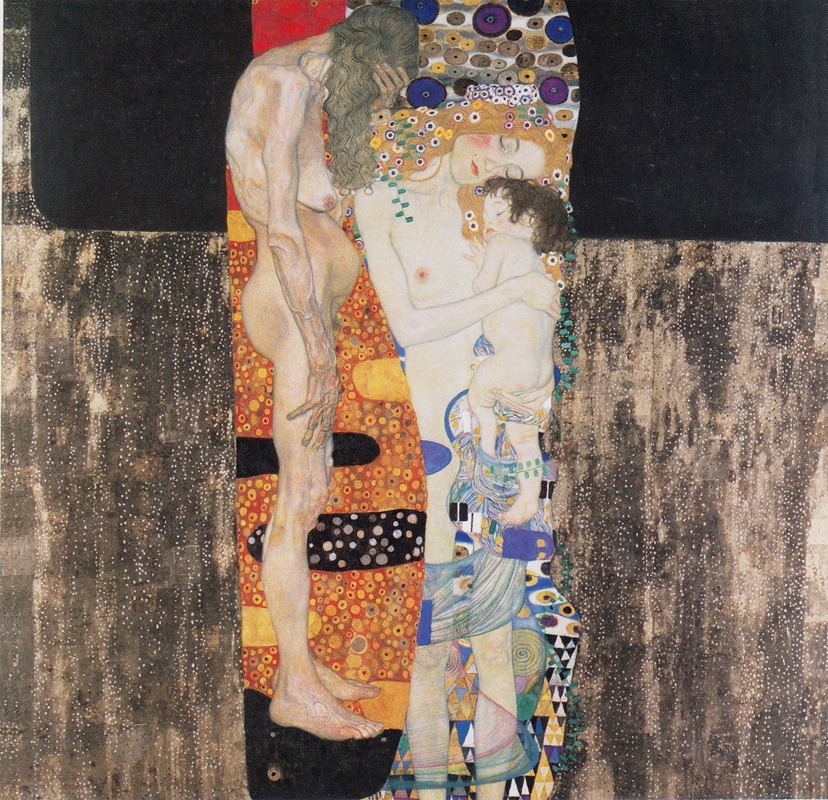
The Three Ages of the Woman
Gustav Klimt