Les Roumégous — History & Facts
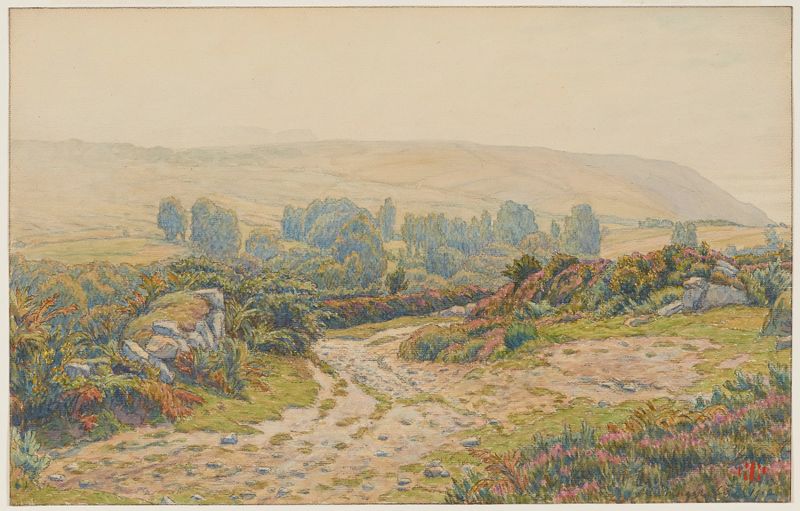
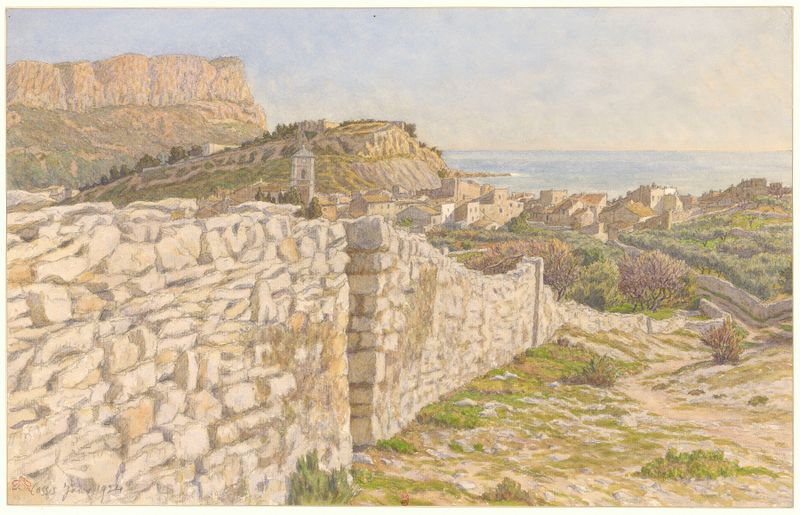
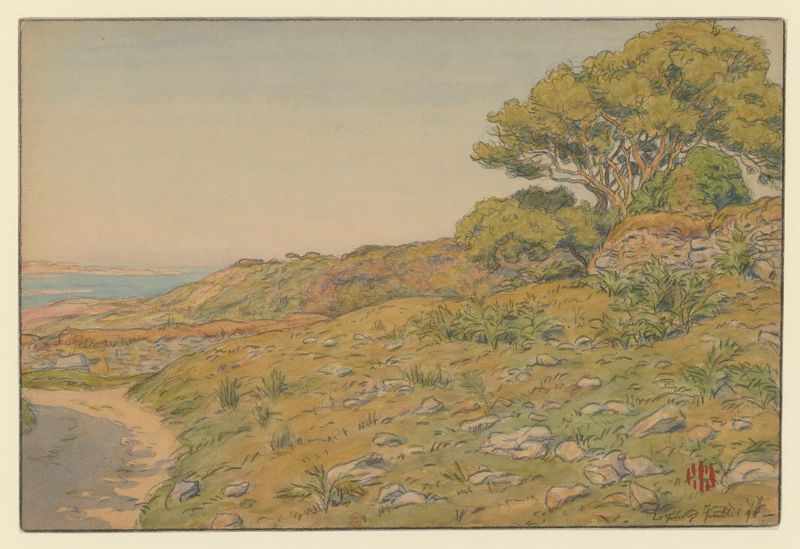
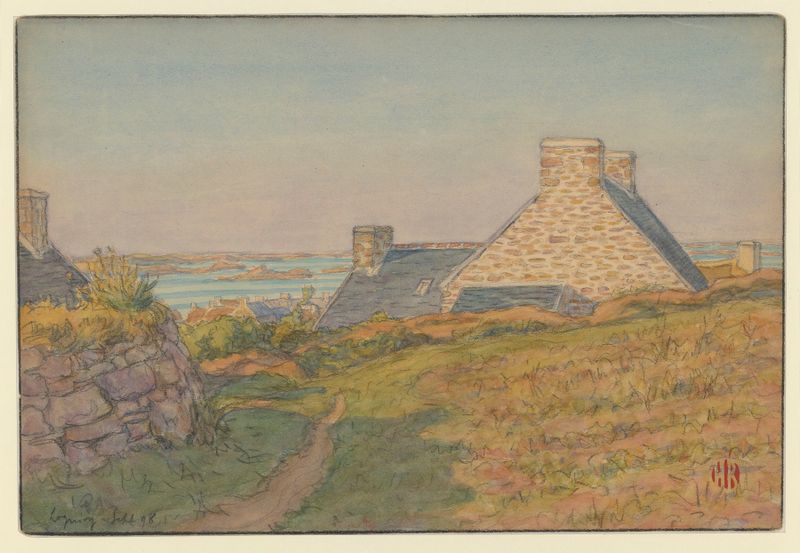
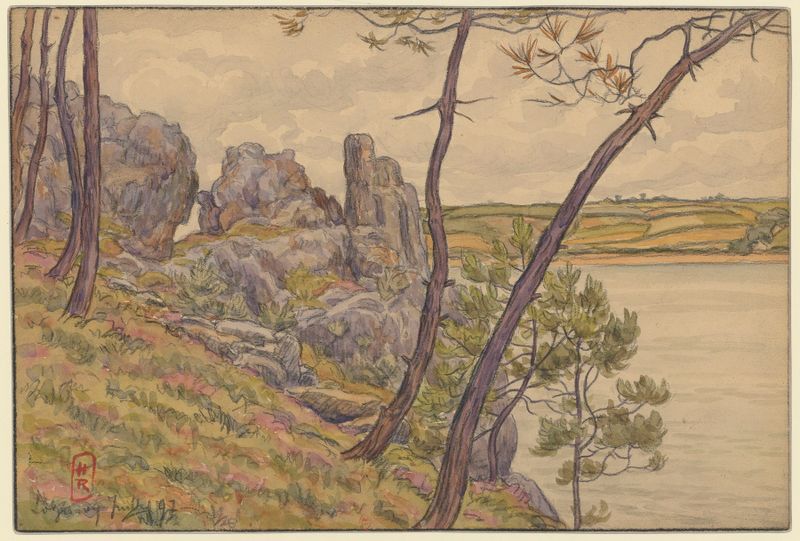
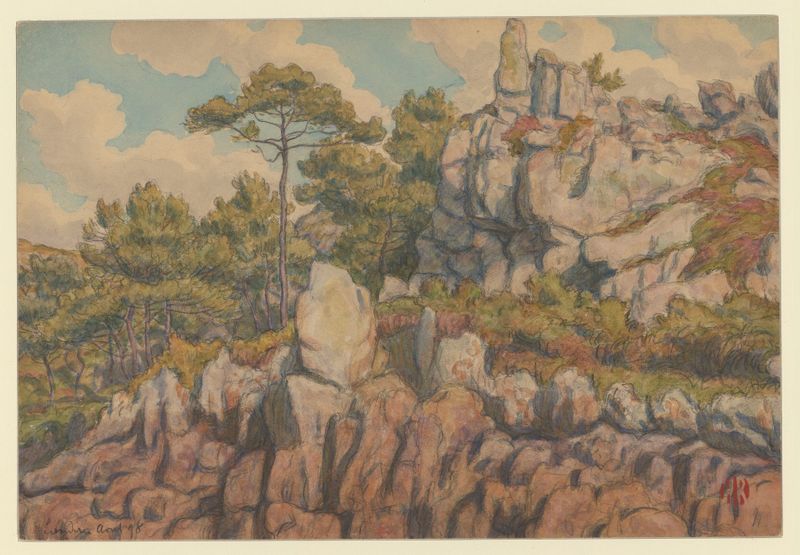
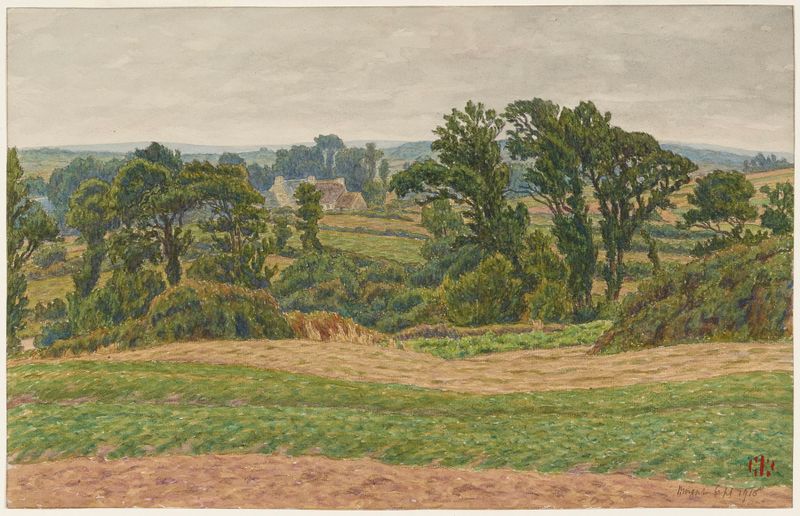
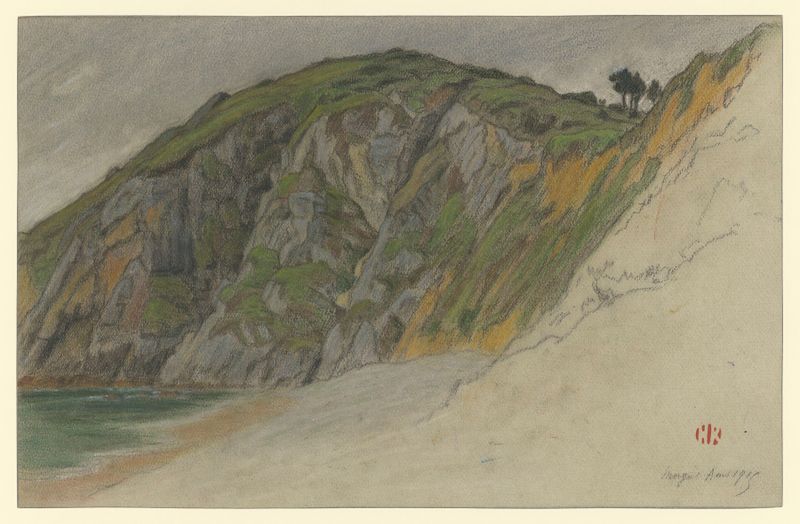
Can paint confess what words never could? In Les Roumégous, the interplay of color and form unveils a tale of betrayal that lingers silently in the air, speaking volumes where language falters. Look to the center, where the billowing clouds blend seamlessly with the tumultuous waves, their undulating forms creating a striking contrast. Notice how the deep blues and grays dominate the canvas, imbuing the scene with a sense of foreboding. The sharp angularity of the rocks juxtaposed against the soft fluidity of the sea suggests a conflict, a violent tension beneath the surface.
Each brushstroke conveys emotion, drawing the viewer into the tumult of nature and echoing the turmoil of human relationships. Betrayal flickers like distant lightning in this seascape; the calm façade of the horizon belies the chaos roiling beneath. The jagged rocks stand sentinel, reminiscent of steadfastness that can easily become a weapon, while the waves crash against them with an urgency that speaks of unresolved conflicts. The subdued palette deepens the sense of melancholy, capturing the essence of loss, both of innocence and trust, as the landscape transforms into a repository of fragmented stories. Henri Rivière created this work in 1936 during a period of intense personal and political upheaval in France.
As an artist influenced by both Impressionism and the nascent Modernist movements, he sought to portray the emotional landscapes of human experience. The tumult of the world outside his studio, combined with his own artistic struggles, infused Les Roumégous with a poignant resonance that reflects both the external chaos and the internal conflicts of his time.