
Les Tentations de la Bergère ou l’Amour Vainqueur — History & Facts
In Les Tentations de la Bergère ou l’Amour Vainqueur, the viewer is greeted by a vibrant palette dominated by blues, greens, and warm earth tones. The central figure, a shepherdess, is depicted with angular forms and fragmented shapes typical of Cubism. Surrounding her are abstract representations of nature, enhancing the sense of a pastoral setting.
The overall composition conveys a sense of movement and emotional intensity, reflecting the theme of love's triumph. The painting showcases Juan Gris's distinctive cubist style, characterized by geometric shapes and a limited color palette. The use of oil on canvas allows for rich textures and depth, inviting the viewer to explore the layers of meaning within the artwork. The shepherdess is portrayed in a way that emphasizes both her femininity and strength, a duality that is a hallmark of Gris's work.
This piece exemplifies the artist's ability to blend abstraction with narrative content. Juan Gris was a prominent figure in the Cubist movement, known for his innovative approach to form and color. Created in the early 1910s, Les Tentations de la Bergère stands out as a significant allegorical work that explores themes of love and desire. An interesting fact about this painting is that it reflects Gris's personal experiences and relationships, making it a deeply personal piece.
Today, it is housed in the Museo Thyssen-Bornemisza, where it continues to inspire viewers with its complex interplay of shapes and colors.
More Artworks by Juan Gris
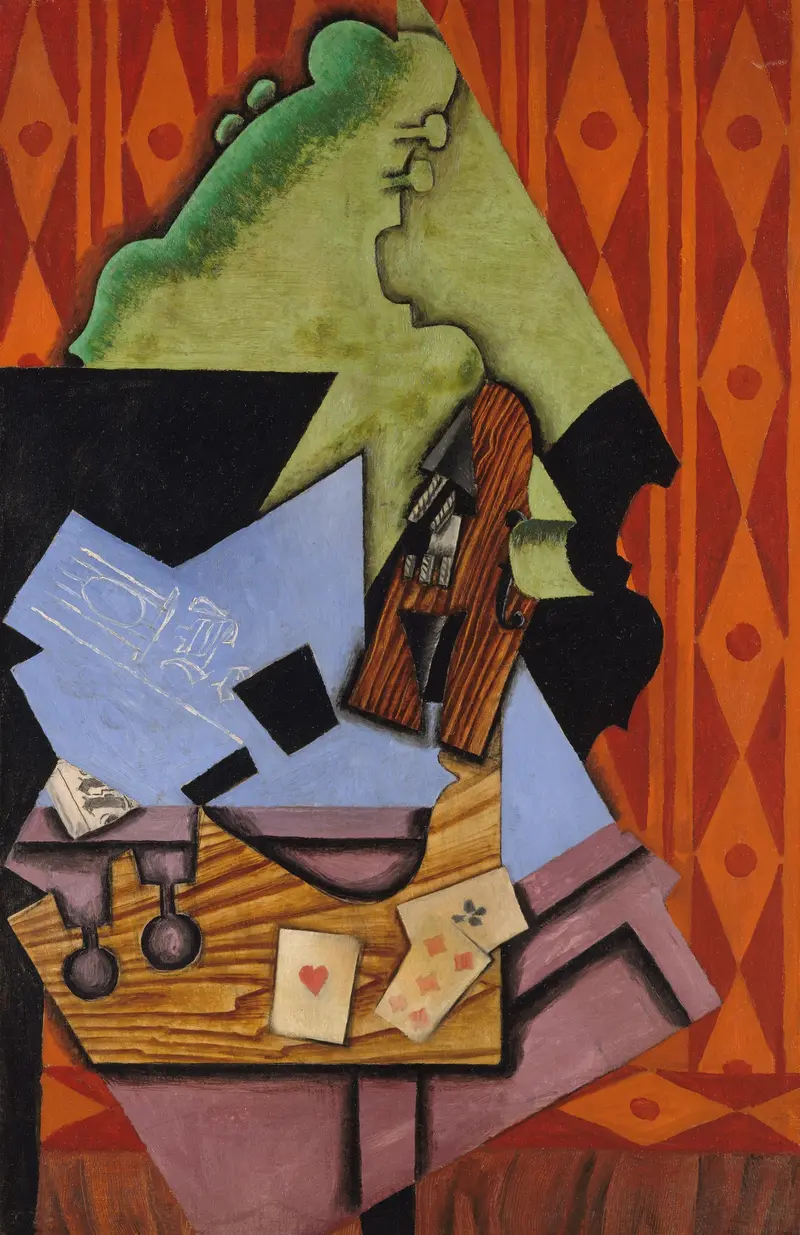
Violin and Playing Cards on a Table
Juan Gris

Portrait of Picasso
Juan Gris
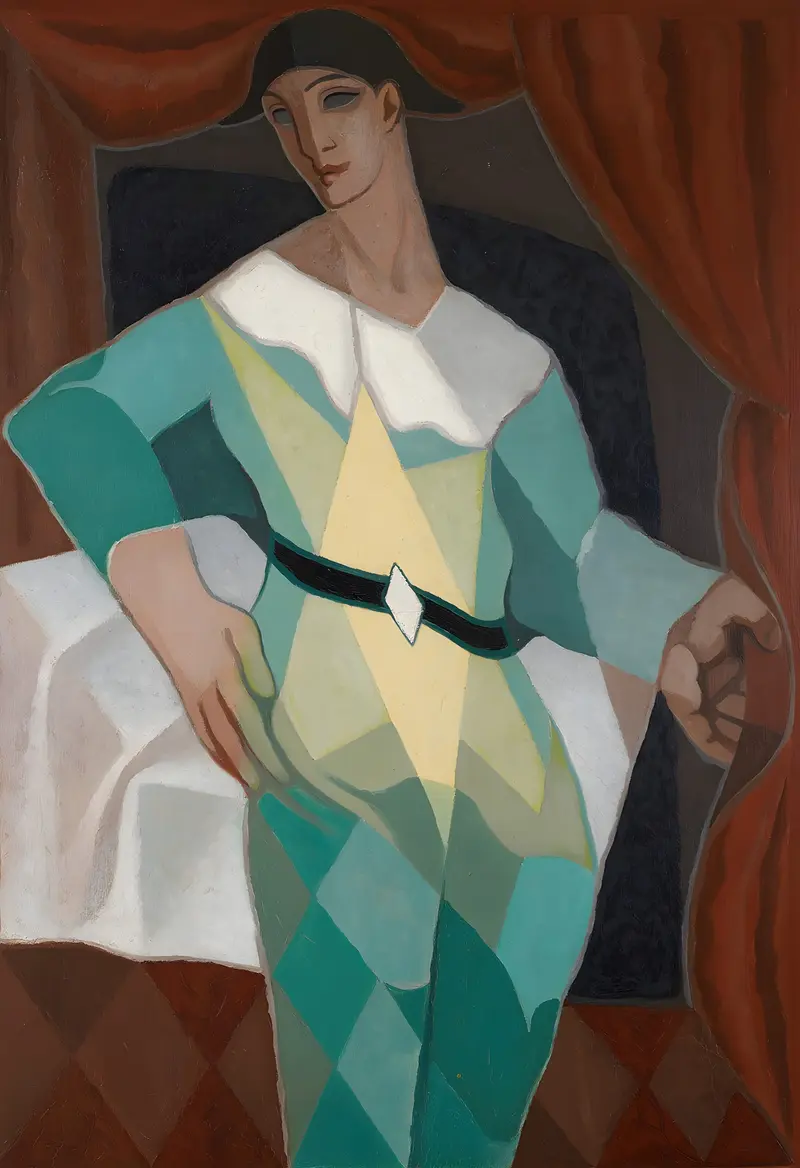
Arlequin
Juan Gris

A Guitar, Glasses and a Bottle
Juan Gris
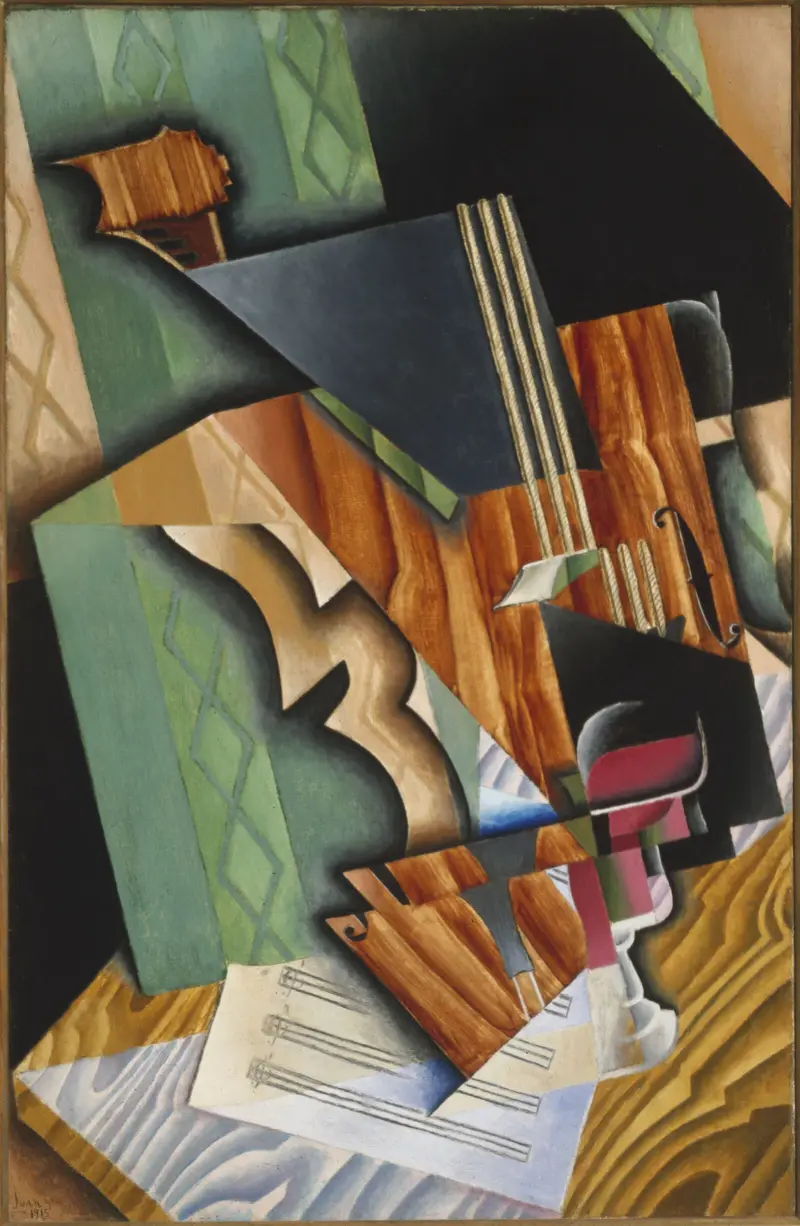
Violin and Glass
Juan Gris

Bottle and fruit bowl
Juan Gris
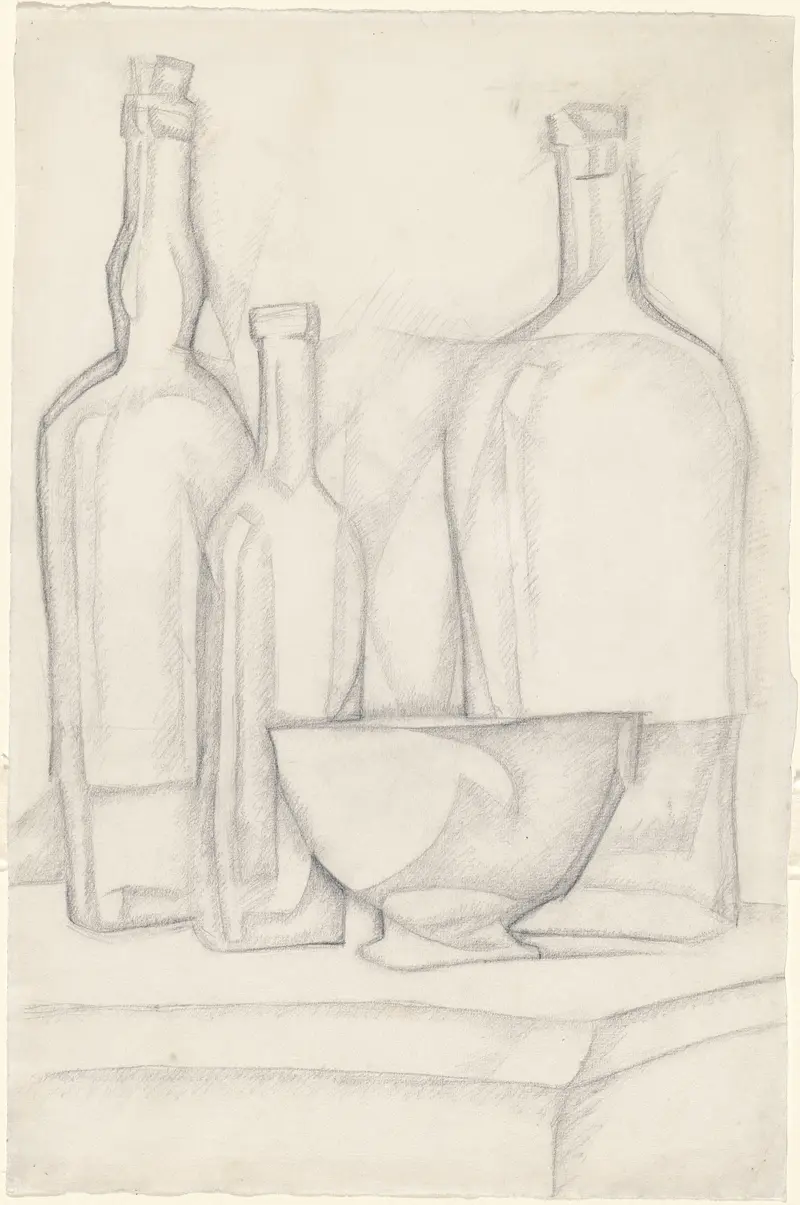
Bottles and Bowl
Juan Gris
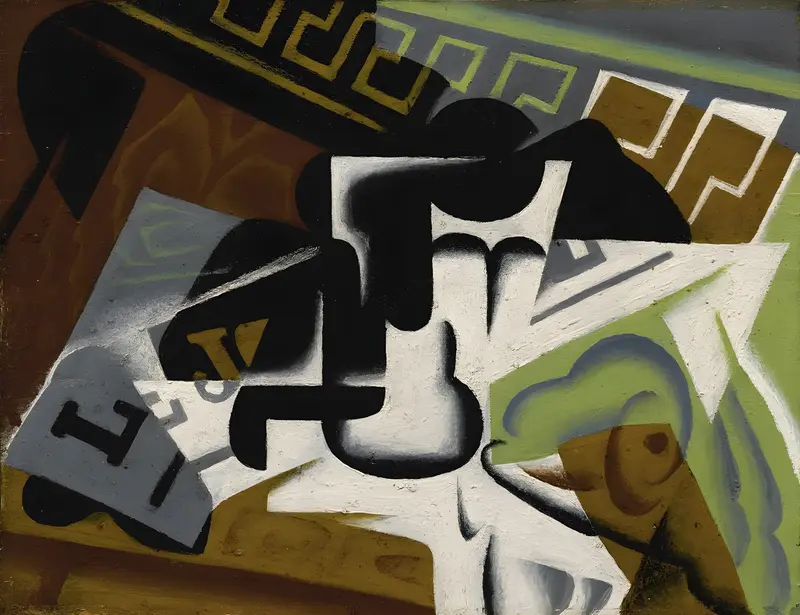
Journal et compotier
Juan Gris
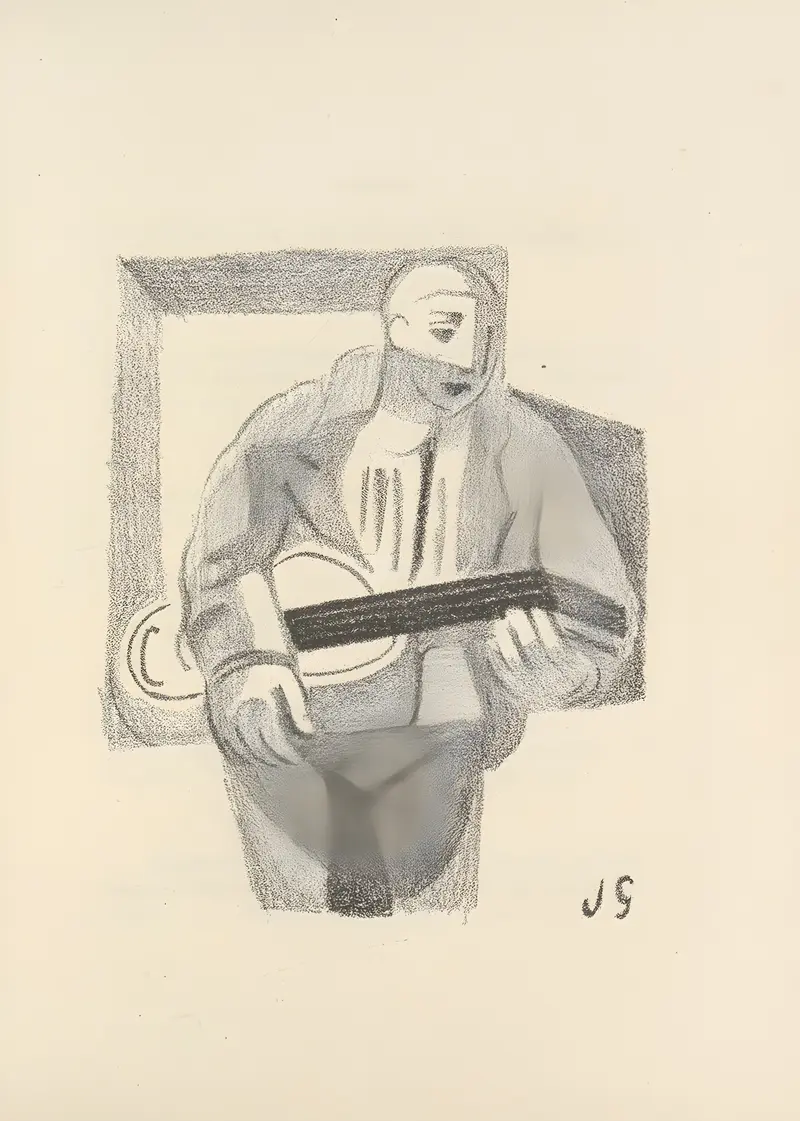
As a wife has a cow Pl.2
Juan Gris
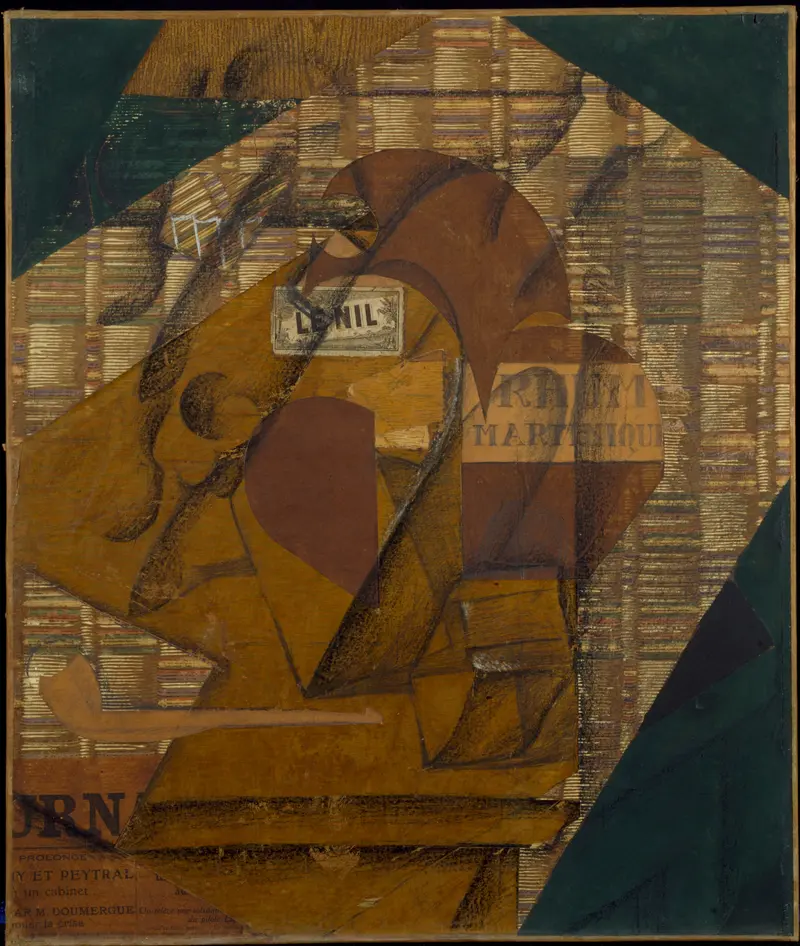
Bottle of Rum and Newspaper
Juan Gris





