Les Titres de famille — History & Facts
What grips the viewer first in Les Titres de famille is the way darkness presses in, letting only the old woman’s face and hands emerge from the gloom. Her profile, lined and weathered, is carved out by a raking light that spares nothing: every furrow and hollow is exposed, every gesture deliberate. The papers she clutches are not just props—they are the painting’s quiet heart, their pale surface catching the light as if to insist on their importance.
Her grip is careful, almost reverent, and the way her head inclines toward the bundle suggests private reckoning or remembrance. The palette is somber, the background nearly swallowing her, but the warmth in her skin and the rough texture of her hands draw us close, as if we are witnessing a moment of private significance. Painted in the second half of the nineteenth century, this work by Augustin Théodule Ribot belongs to a world fascinated by the dignity of ordinary people and the gravity of everyday rituals. In France, artists of Ribot’s generation often turned away from grand history scenes to focus on the intimate and the real—portraits of cooks, peasants, and elders, sometimes with a nod to the Dutch masters of the previous centuries.
The Musée des Beaux-Arts in Reims now holds this painting, a reminder of how the era’s artists found meaning in the ordinary, and how little gestures—like the careful holding of family papers—could be as weighty as any royal decree. The mystery of what is written on those pages lingers, inviting us to linger with her and imagine the stories they contain.
More Artworks by Augustin Théodule Ribot

The Scullion
Augustin Théodule Ribot
The Artist's Daughter
Augustin Théodule Ribot
The oyster and the Litigant's
Augustin Théodule Ribot
The philosophers
Augustin Théodule Ribot
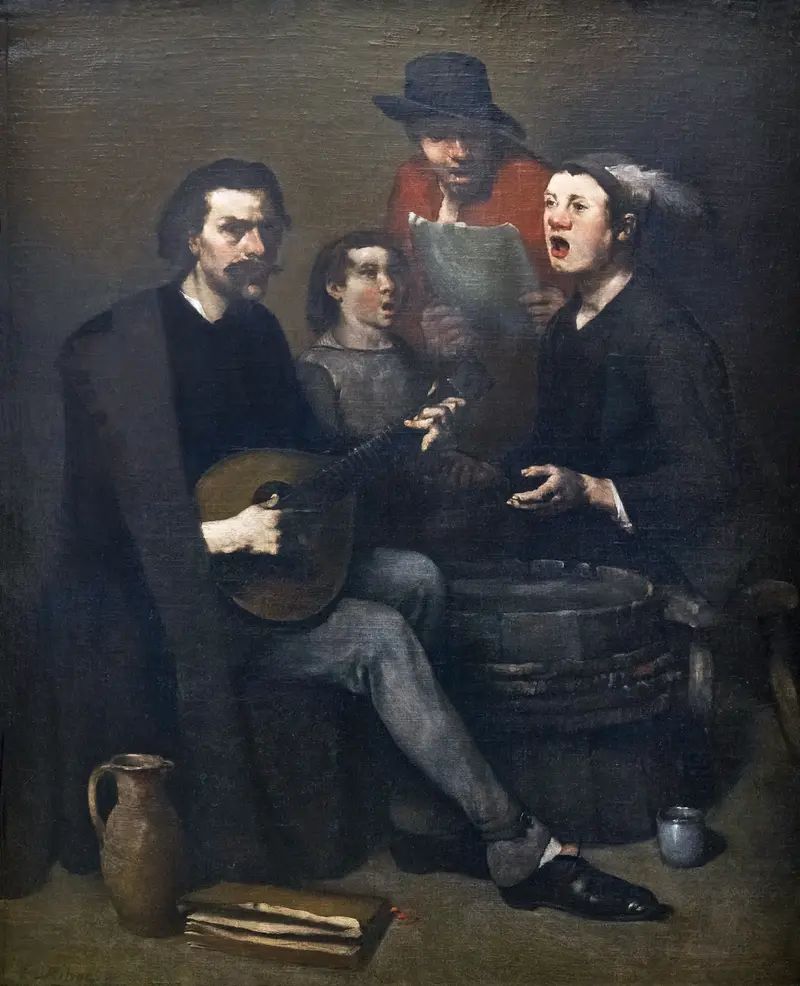
Singers
Augustin Théodule Ribot
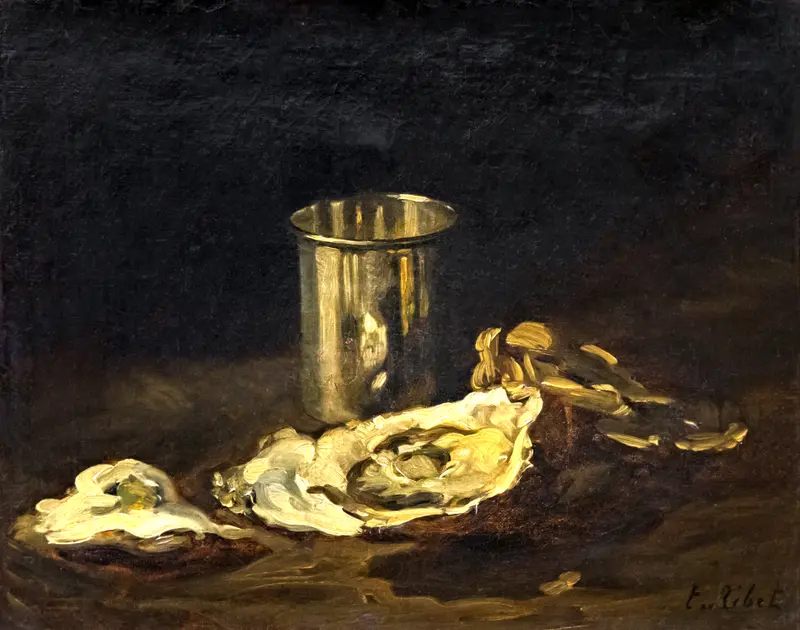
Oyster and timbale
Augustin Théodule Ribot
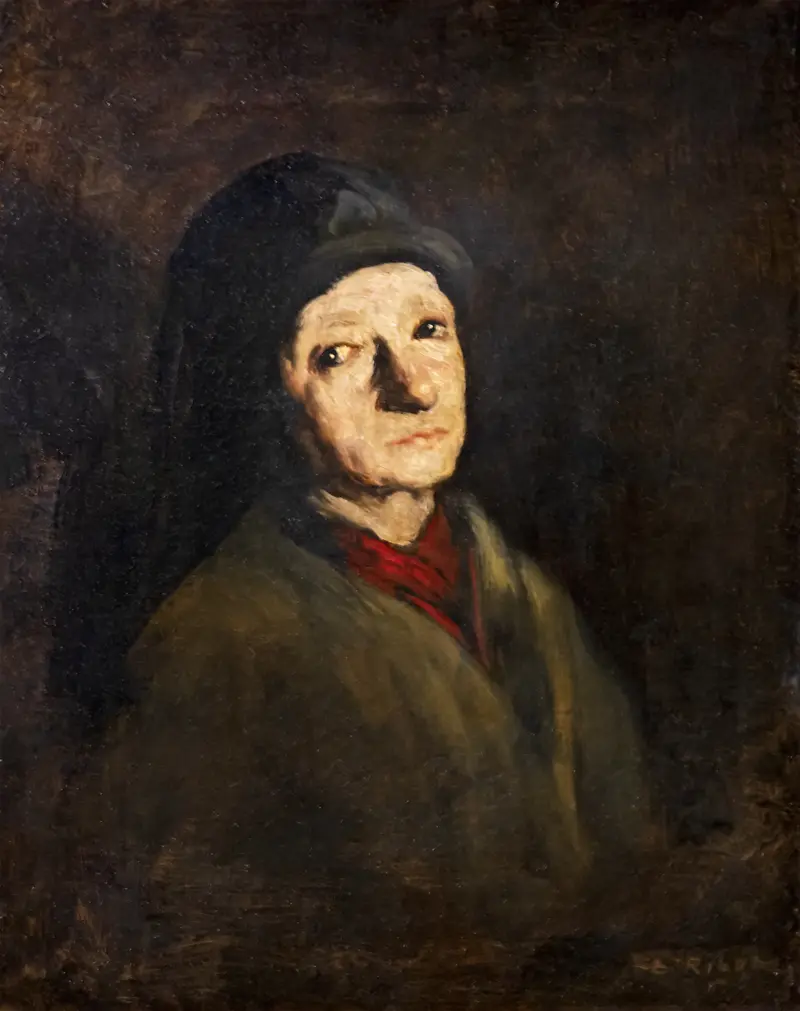
Portrait of the artist's mother
Augustin Théodule Ribot
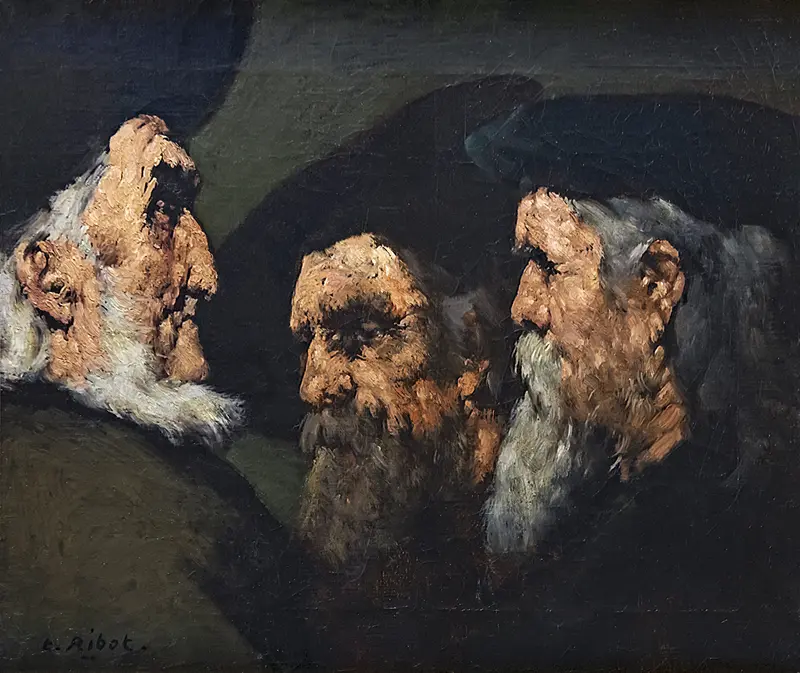
Three old jews
Augustin Théodule Ribot
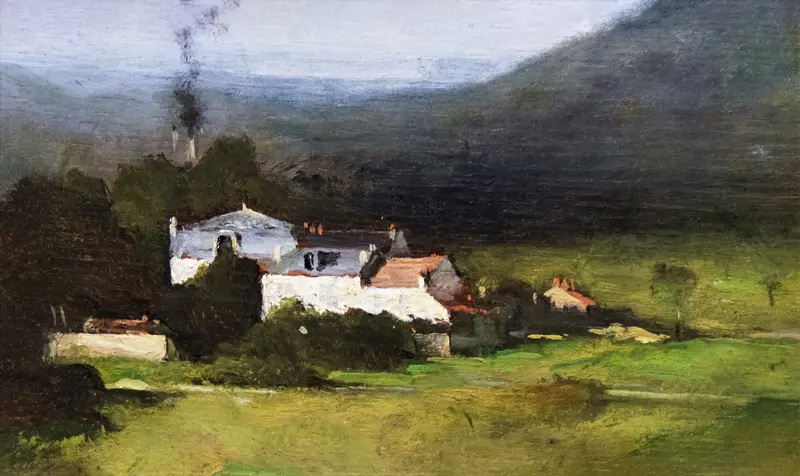
' Landscape ', known as ' La Maison de Corot in Ville-d'Avray '
Augustin Théodule Ribot
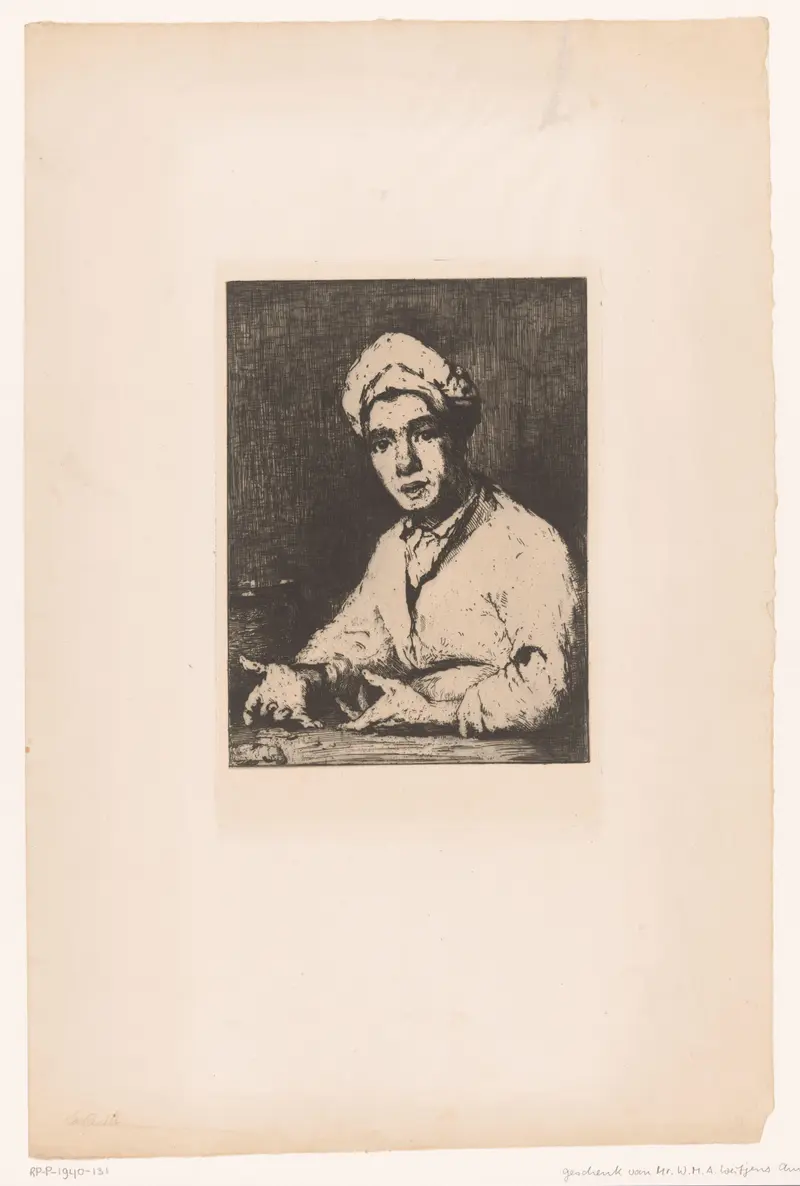
La recette du cuisinier
Augustin Théodule Ribot