
Les usines Cail et Quai de Grenelle — History & Facts
In the stillness of the painted world, the whispers of an industrial age emerge, yet silence reigns supreme. The city breathes in muted tones, inviting reflection amid the clamor of machinery just beyond the canvas. Look to the center where the factories rise, their architectural forms powerfully juxtaposed against the somber sky. The muted colors—ochres, grays, and dark greens—create a sense of weight, echoing the burdens of labor and progress.
Notice how the composition draws the eye upward, emphasizing the towering smokestacks that release tendrils of steam, creating a visual metaphor for the relentless march of industry. The soft brushwork contrasts with the rigid structures, hinting at the delicate balance between nature and human ambition. Beneath this seemingly mundane landscape lies a profound tension. The stillness of the scene belies the chaotic energy of urban life, imbuing the factories with an eerie calm.
The absence of human figures amplifies this sense of isolation, prompting viewers to consider the impact of industry on society. There’s a silent dialogue here—a meditation on the evolving relationship between man and machine, life and labor, creation and destruction. In 1875, Gauguin was navigating his early career in Paris, absorbing the influences of Impressionism while beginning his exploration of color and form. At this point, the art world was shifting, as traditional norms were challenged by new expressions.
The artist’s focus on industrial subjects reflects the changes he witnessed, capturing a moment in time where the beauty of industry started to merge with the complexities of modern life.
More Artworks by Paul Gauguin
Browse all →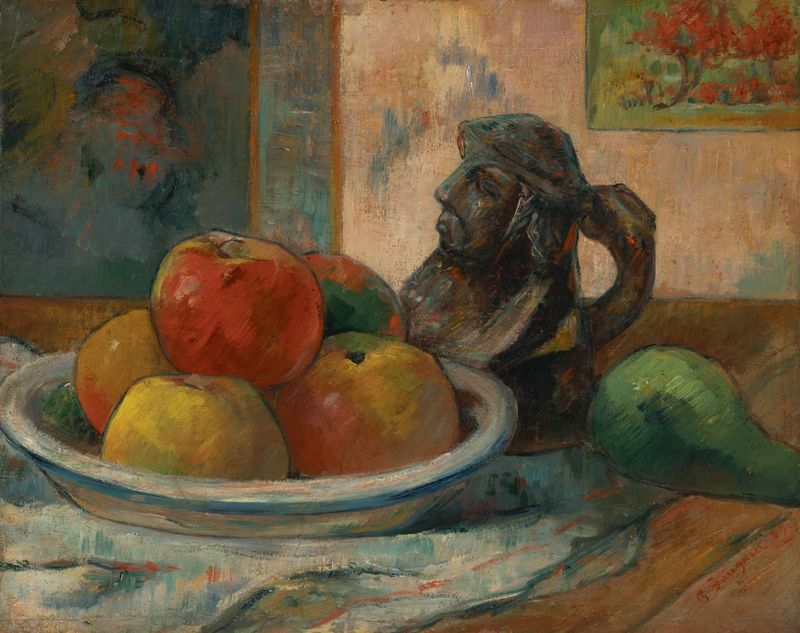
Still Life with Apples, a Pear, and a Ceramic Portrait Jug
Paul Gauguin
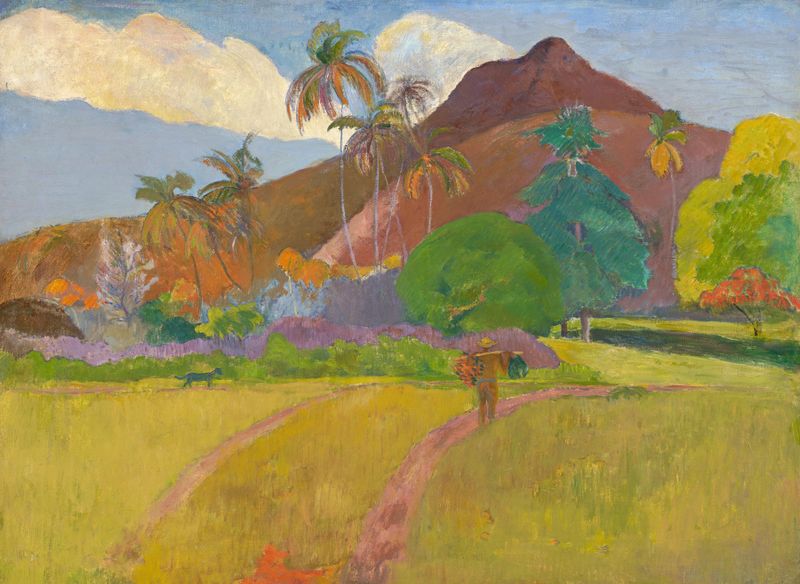
Tahitian Landscape
Paul Gauguin

Landscape near Pont-Aven
Paul Gauguin

No te aha oe riri (Why Are You Angry?)
Paul Gauguin
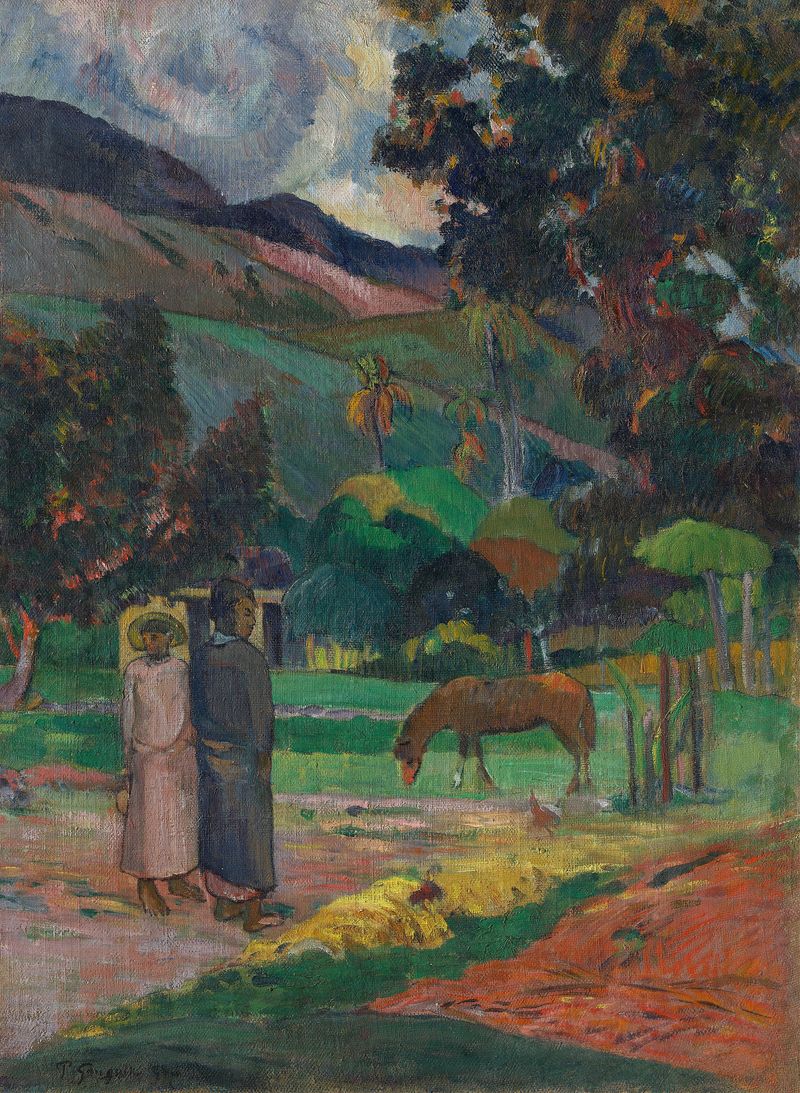
Tahitian Landscape
Paul Gauguin
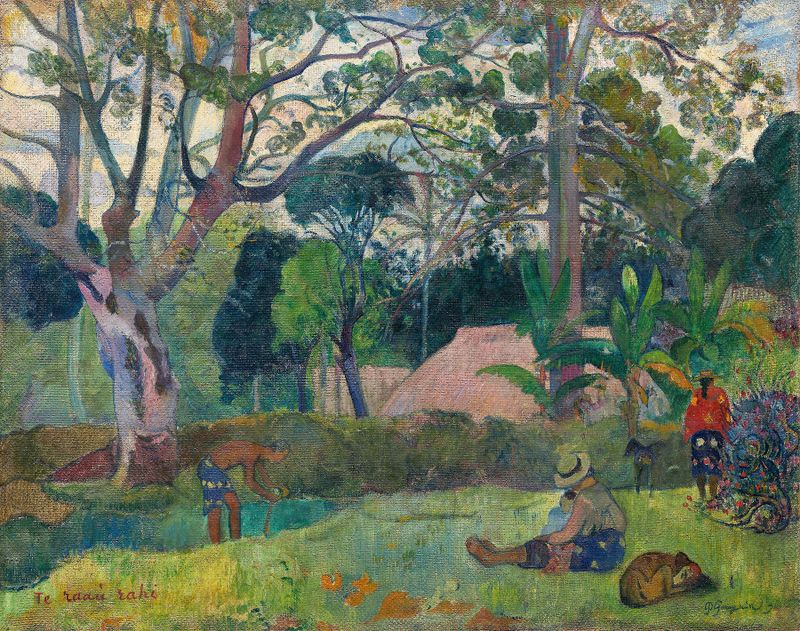
Te raau rahi (The Big Tree)
Paul Gauguin

Landscape at Le Pouldu
Paul Gauguin

Landscape of Brittany
Paul Gauguin

Poèmes Barbares
Paul Gauguin
Mahana no atua (Day of the God)
Paul Gauguin
More Architecture Art
Browse all →
The statue of Liberty
Frédéric Auguste Bartholdi

View of Houses in Delft, Known as ‘The Little Street’
Johannes Vermeer

View of Houses in Delft, Known as ‘The Little Street’
Johannes Vermeer

The Cathedral in Rouen. The portal, Grey Weather
Claude Monet

The yellow house
Vincent van Gogh

The Church in Auvers-sur-Oise, View from the Chevet
Vincent van Gogh