
L’espace — History & Facts
In the stillness of L’espace, Richard Parkes Bonington captures the essence of grief, a haunting echo that transcends the ephemeral nature of existence. Look to the center, where a delicate interplay of light and shadow reveals the form of a figure, seemingly lost in contemplation. The soft palette of blues and grays envelops the composition, creating an ethereal atmosphere that invites introspection. Notice how the brushstrokes vary — some are fluid and sweeping, while others are precise, revealing Bonington’s mastery over both the emotional and technical aspects of the work.
The composition draws your eye to the figure’s gaze, suggesting a connection to the intangible memories of the past. Delve deeper, and you may sense the contrasts at play: the vibrancy of the foreground, juxtaposed against the muted background, echoes the tension between presence and absence, joy and sorrow. The blurred edges surrounding the figure speak to the fragility of memory, while the solidity of the space itself anchors the viewer in the moment. Each stroke of paint seems to breathe life into the scene, yet it also offers a poignant reminder of the inevitable passage of time and the weight of loss. Created during the late 19th century, L’espace reflects Bonington’s artistic journey in a period marked by increasing industrialization and social change.
He painted this work while navigating the complexities of his own personal grief, a theme that resonates throughout his oeuvre. This piece stands as a testament to his legacy, merging the vibrancy of life with the melancholic shadows of memory.
More Artworks by Richard Parkes Bonington
Browse all →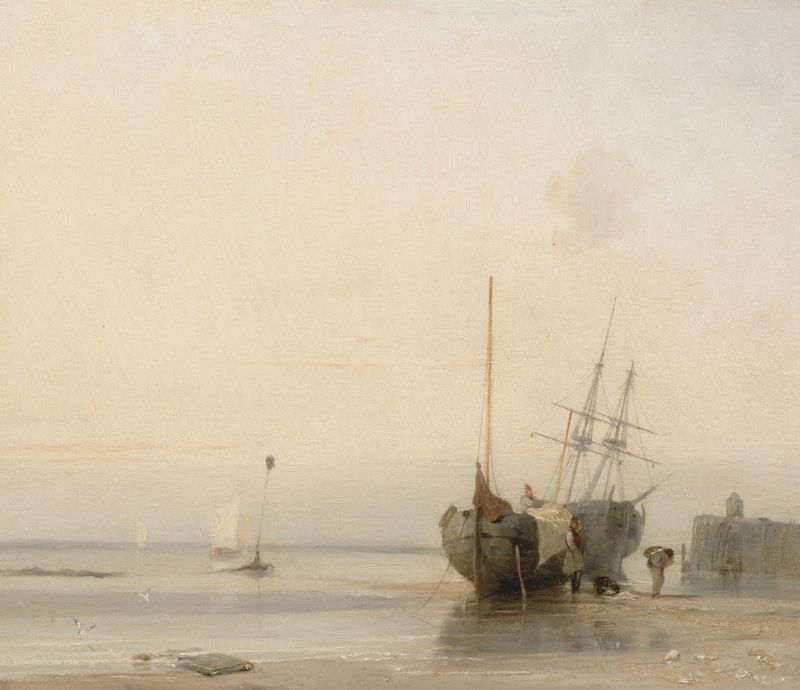
Calais Jetty, France
Richard Parkes Bonington
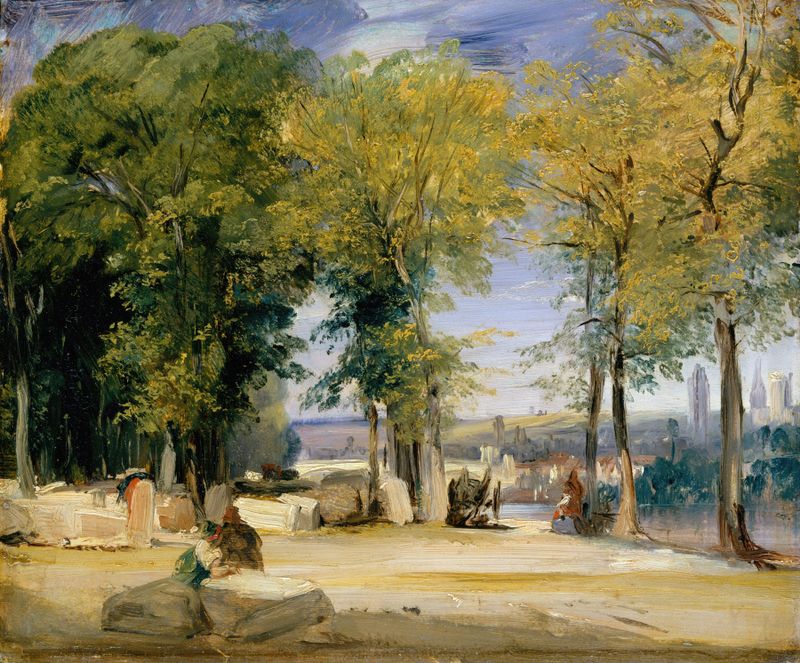
View near Rouen
Richard Parkes Bonington
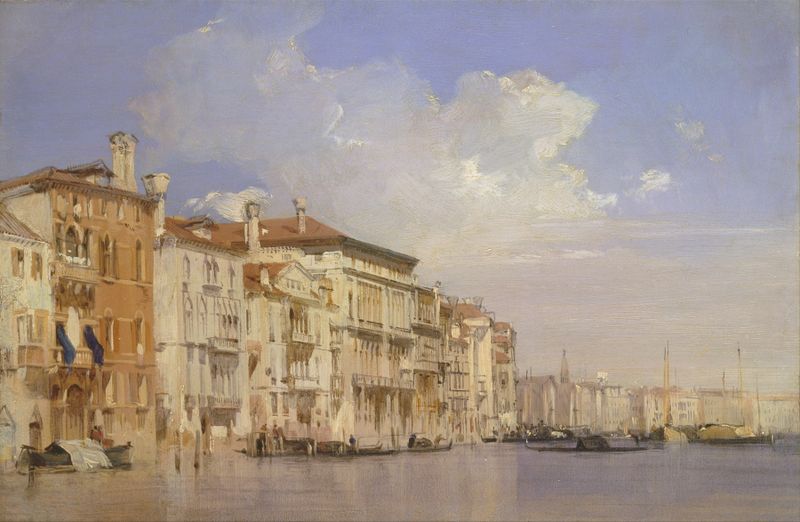
Grand Canal, Venice
Richard Parkes Bonington
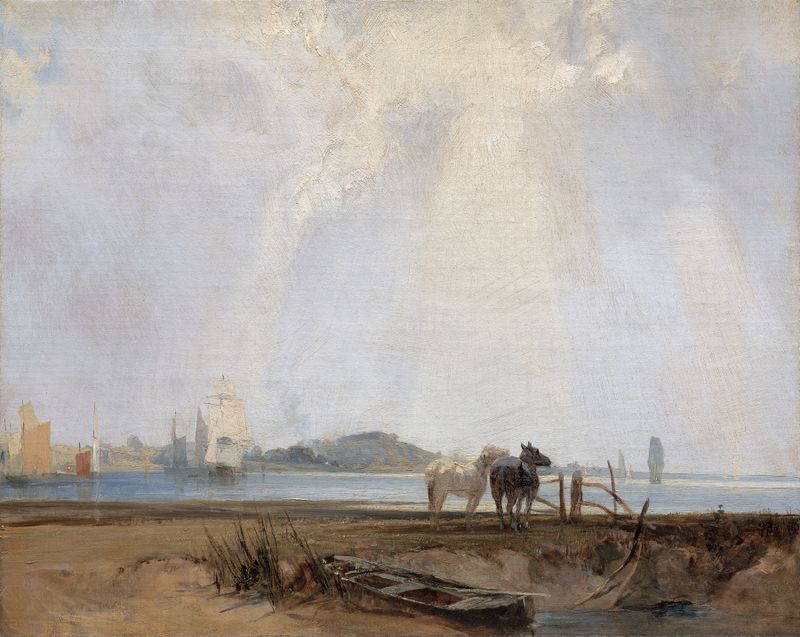
Near Quillebeuf
Richard Parkes Bonington
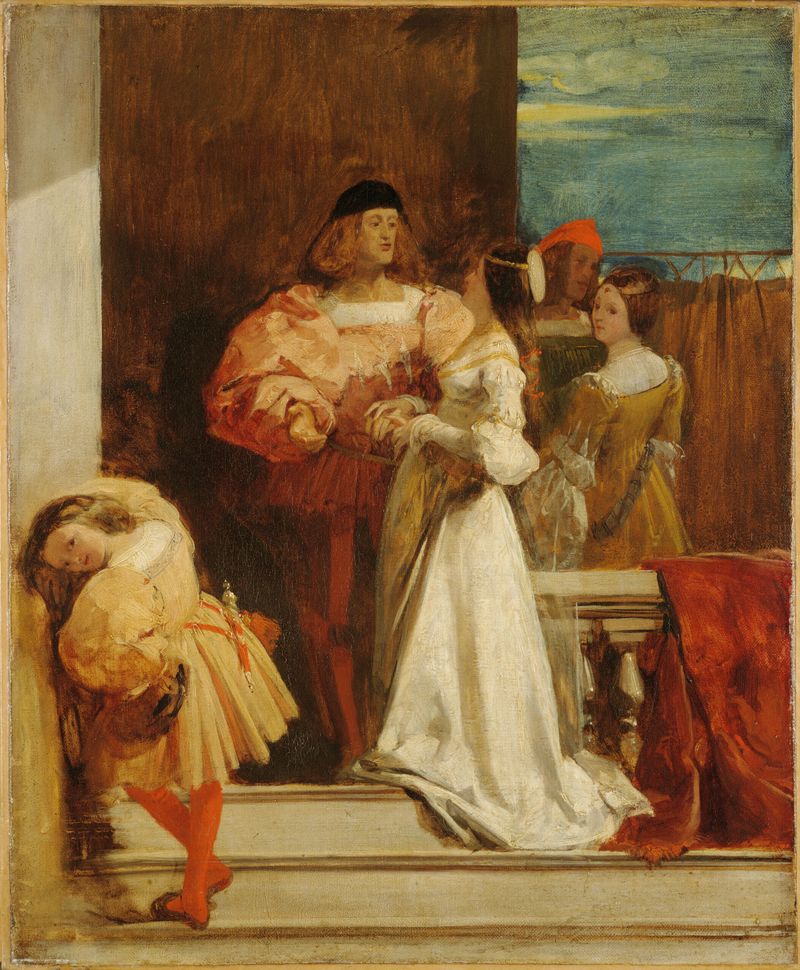
Evening in Venice
Richard Parkes Bonington
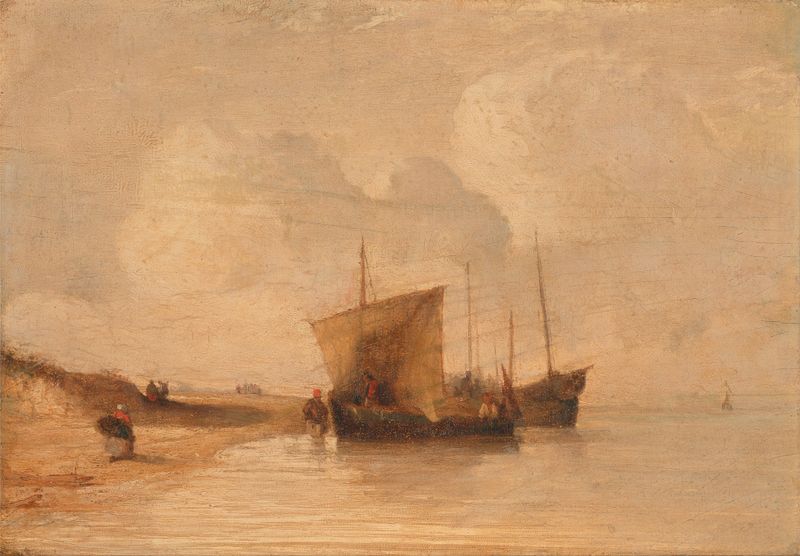
Normandy Coast
Richard Parkes Bonington
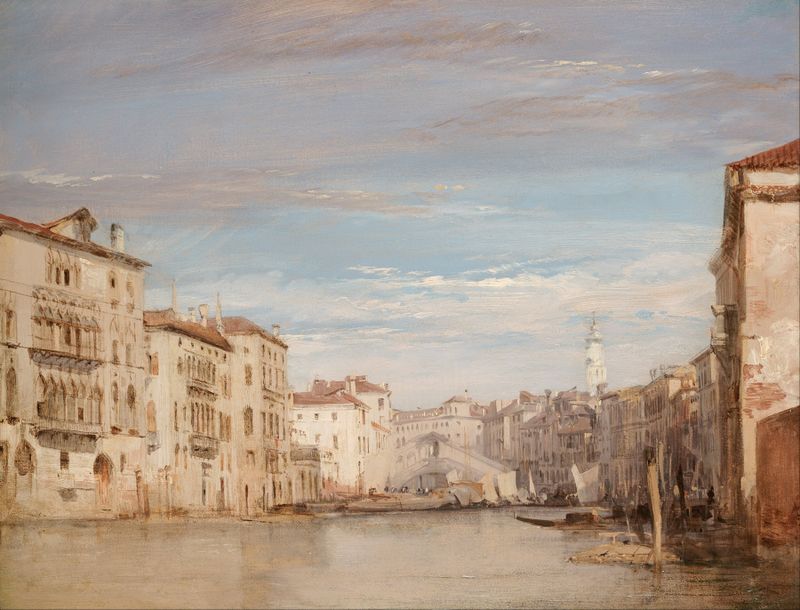
The Grand Canal, Venice, Looking Toward the Rialto
Richard Parkes Bonington
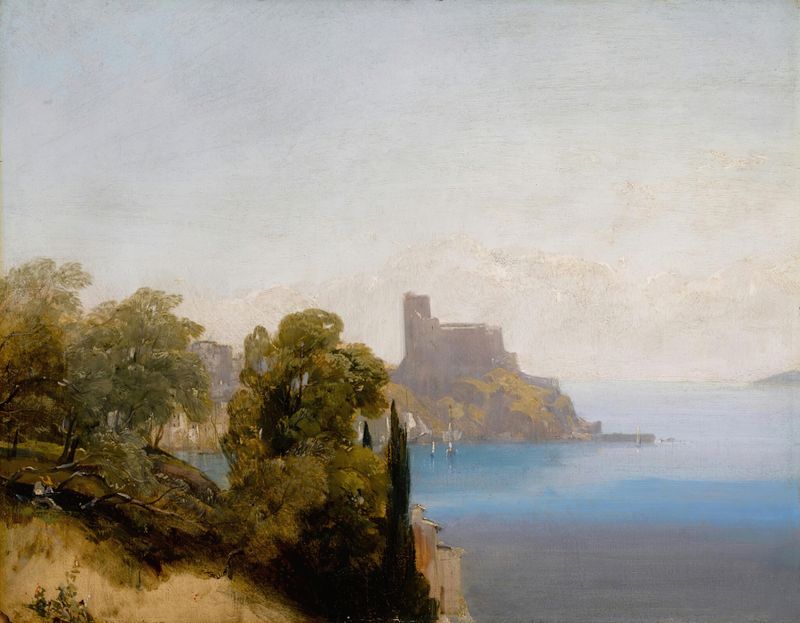
View of Lerici with Baron Charles Rivet sketching in the foreground
Richard Parkes Bonington
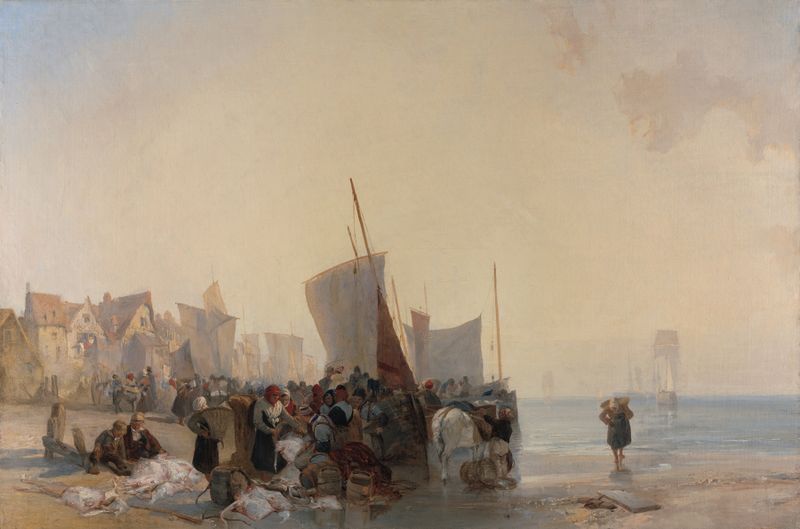
A Fish-market near Boulogne
Richard Parkes Bonington
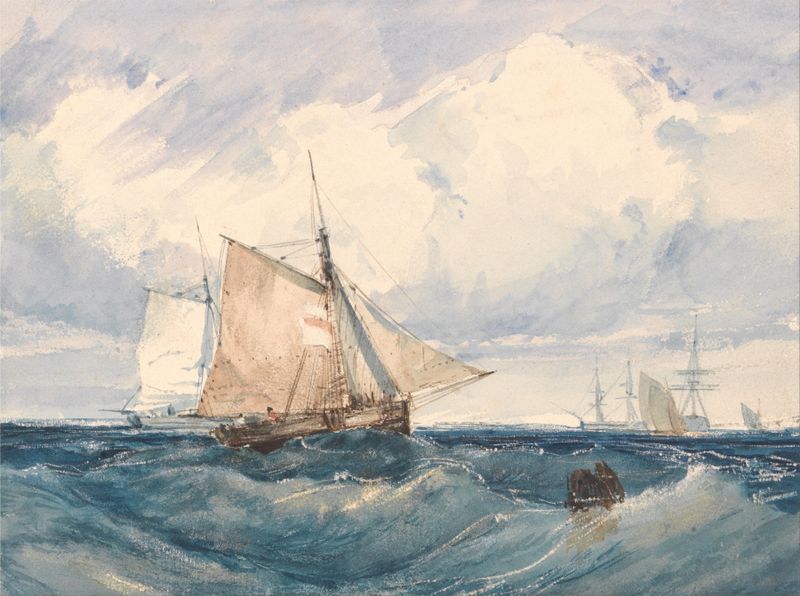
A Cutter and other shipping in a Breeze
Richard Parkes Bonington





