
L’église de la Purification — History & Facts
In L’église de la Purification, the illusion of tranquility belies the deeper truths woven into its fabric. This painting invites the viewer to explore the delicate balance between the visible and the unseen, reminding us that what we perceive may mask a more complex reality. Focus on the intricate details of the church’s facade, where the warm glow of sunlight cascades over the golden accents, illuminating every stone and shadow. Notice the gentle interplay of light and color, with soft pastels blending into deeper hues, drawing your gaze toward the steeple that pierces the serene sky.
This masterful technique not only showcases the artist's skill but also evokes a sense of peace that contrasts with the potential turmoil beneath the surface. Upon closer inspection, the tension between harmony and chaos emerges. The church, a symbol of refuge, stands resilient yet isolated, hinting at the struggles faced by its community. The vibrant colors may suggest joy, yet they also veil the burdens carried within.
Each stroke reveals a layer of emotion, calling into question who finds solace within these walls and who remains outside, yearning for connection. In 1852, François Stroobant painted this work during a time of significant social change in Europe. The aftermath of the 1848 revolutions had left many searching for stability and hope, while the world of art was shifting towards realism and capturing the essence of everyday life. This piece reflects the artist's response to such tumult, merging a longing for beauty with a profound understanding of human experience.
More Artworks by François Stroobant
Browse all →
Interior of the church of Notre Dame du Sablon at Brussels
François Stroobant
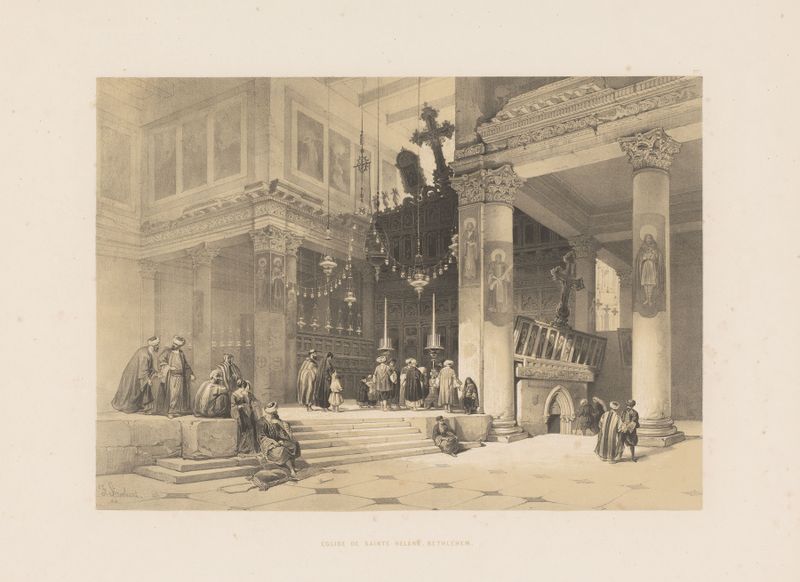
Église de sainte Hélène. Bethléhem
François Stroobant
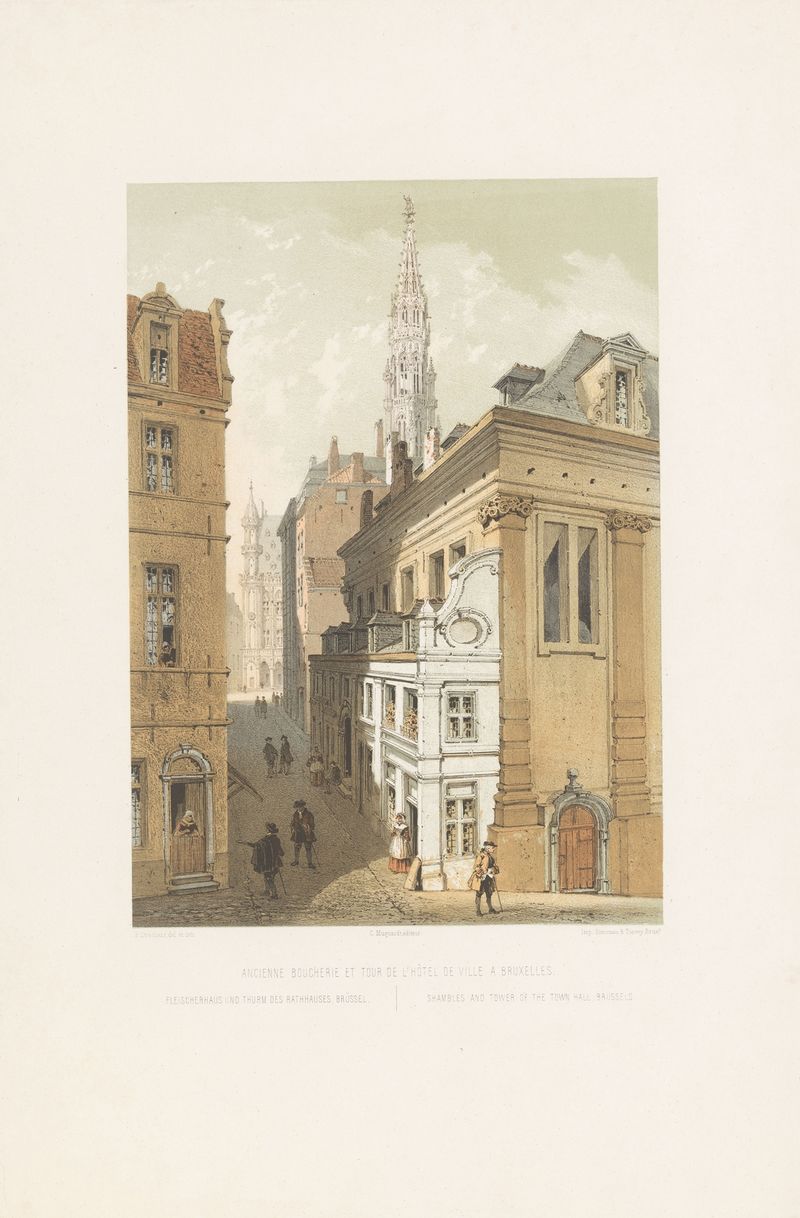
Shambles and tower of the town hall, Brussels
François Stroobant

Intérieur de l’église Grecque du Saint-Sépulcre
François Stroobant
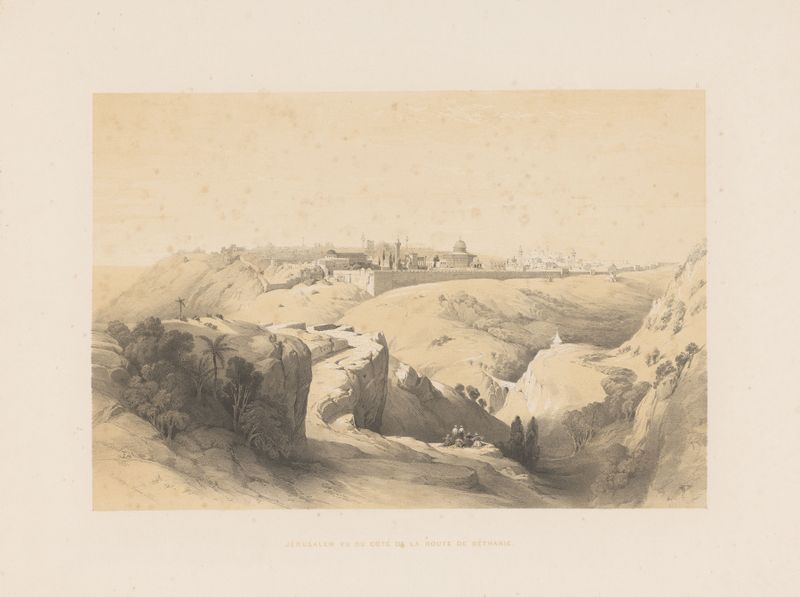
Jérusalem vu du coté de la route de Béthanie
François Stroobant

Le tabernacle du Saint-Sépulcre
François Stroobant

Town hall Brussels
François Stroobant

Fontaine de Jacob à Sichem
François Stroobant
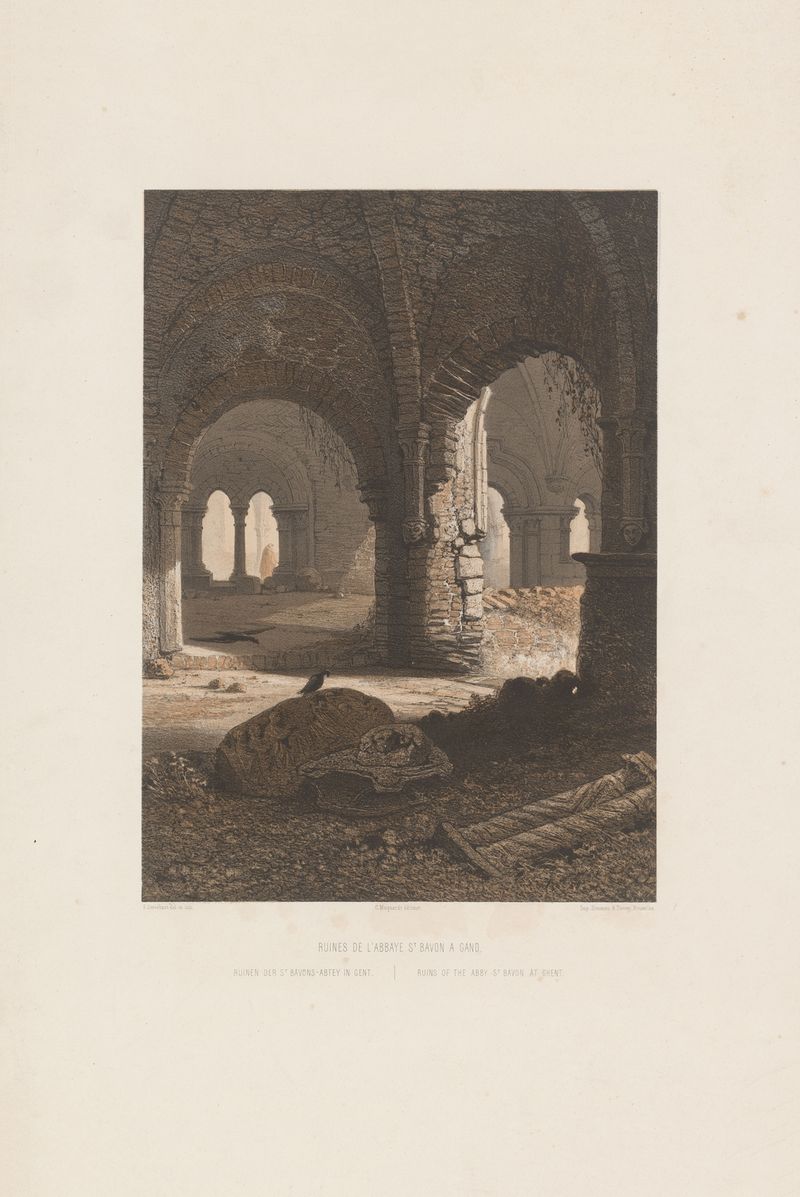
Ruins of the abby St Bavon at Ghent
François Stroobant

Vue de Naplouse
François Stroobant
More Architecture Art
Browse all →
The statue of Liberty
Frédéric Auguste Bartholdi

View of Houses in Delft, Known as ‘The Little Street’
Johannes Vermeer

View of Houses in Delft, Known as ‘The Little Street’
Johannes Vermeer

The Cathedral in Rouen. The portal, Grey Weather
Claude Monet

The yellow house
Vincent van Gogh

The Church in Auvers-sur-Oise, View from the Chevet
Vincent van Gogh