
L’Hôtel de Ville et la place de Grève (actuelle place de l’Hôtel de Ville) — History & Facts
What if silence could speak through light? In the gentle interplay of shadows and illumination, hope emerges, calling us to linger in a moment suspended between time and possibility. Focus on the vibrant hues of dawn as they spill across the architectural majesty of the Hôtel de Ville. Look to the right at the flickering reflections dancing on the surface of the cobblestones, where each figure is caught in a whisper of morning light. The meticulous brushwork reveals the elegant details of the buildings, while the soft palette suggests a dawn full of promise, inviting viewers to feel the calm before the day unfolds. Yet, beneath this serene façade lies a narrative of contrasts.
The bustling figures, though small against the grand backdrop, imply a community poised between routine and the unknown. In the foreground, the gentle curvature of the street draws the eye inward, suggesting a path toward renewal. The stillness of the architecture stands in stark contrast to the life it serves, echoing a longing for connection amidst the urban expanse. Nicolas Jean-Baptiste Raguenet painted this work in 1752 during a time of significant change in French society.
Living in Paris, he captured the essence of urban life against the backdrop of burgeoning Enlightenment ideas. This period in art history was marked by a transition from the ornate styles of the Baroque to the clarity and rationalism of Neoclassicism, a shift Raguenet seamlessly integrated into his evocative portrayal of the Hôtel de Ville.
More Artworks by Nicolas Jean-Baptiste Raguenet
Browse all →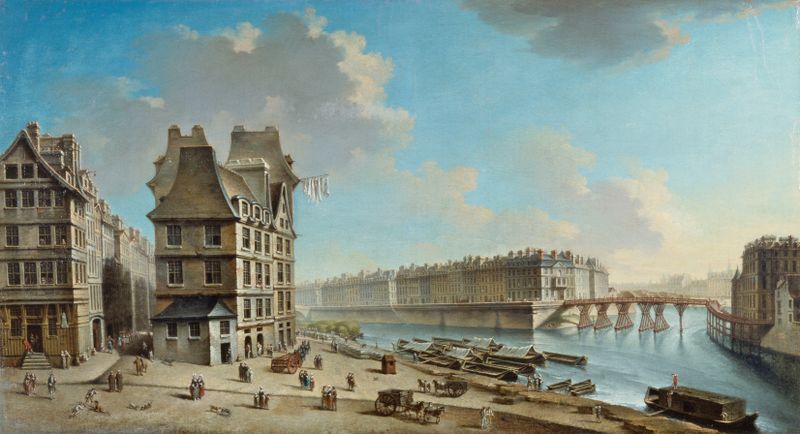
La Grève, l’Ile Saint-Louis et le Pont Rouge, vus de la place de la Grève
Nicolas Jean-Baptiste Raguenet
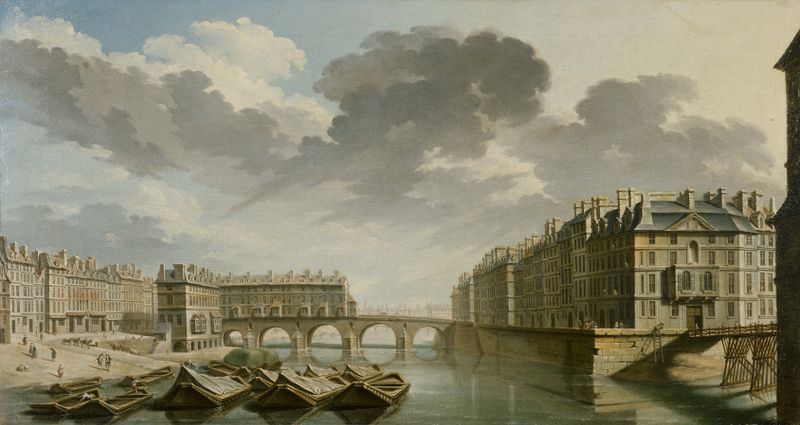
Le Quai des Ormes (actuel quai de l’Hôtel de Ville), le pont Marie et l’île Saint-Louis
Nicolas Jean-Baptiste Raguenet

Le Palais des Tuileries, vu du quai d’Orsay
Nicolas Jean-Baptiste Raguenet
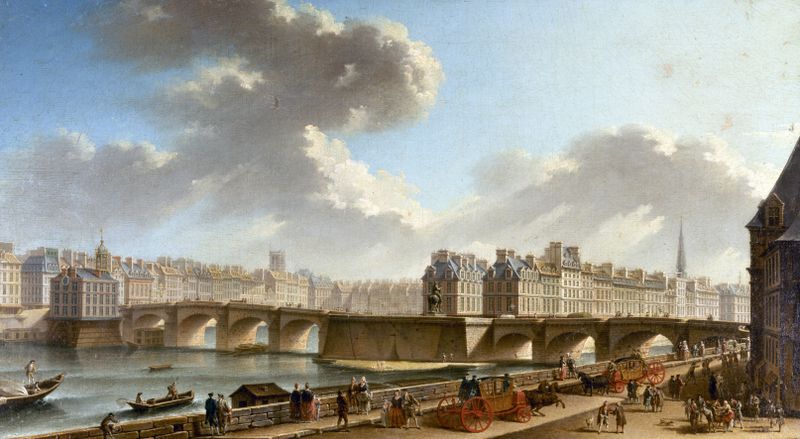
Le Pont-Neuf Et La Cité, Vus Du Quai De Conti
Nicolas Jean-Baptiste Raguenet
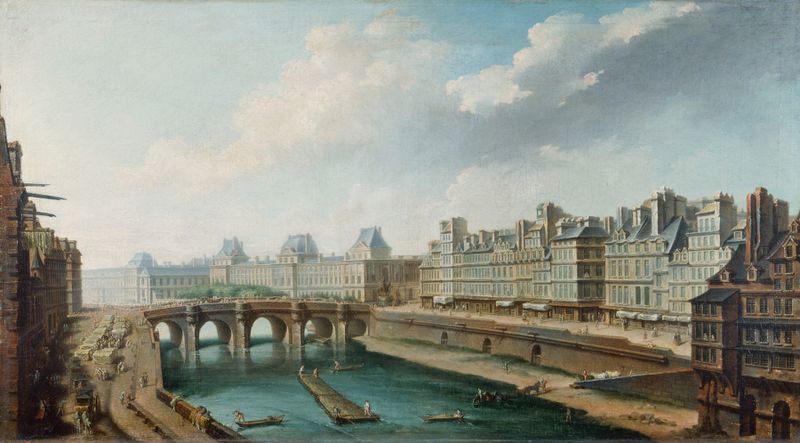
Le Louvre, le Pont-Neuf et le quai des Orfèvres, vus du quai des Grands-Augustins
Nicolas Jean-Baptiste Raguenet
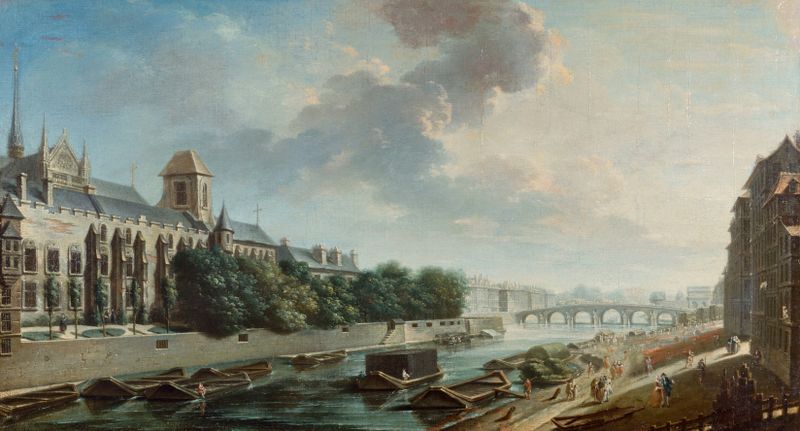
Le Palais de l’archevêché, vue de la rive gauche
Nicolas Jean-Baptiste Raguenet
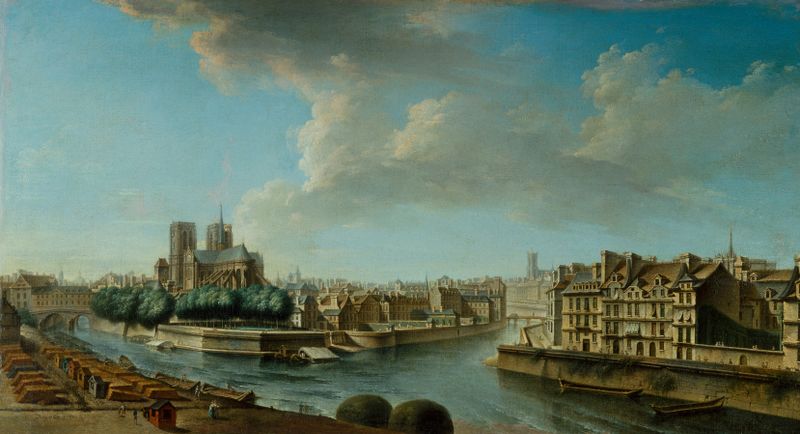
Le Chevet de Notre-Dame et la Pointe occidentale de l’Ile Saint-Louis
Nicolas Jean-Baptiste Raguenet
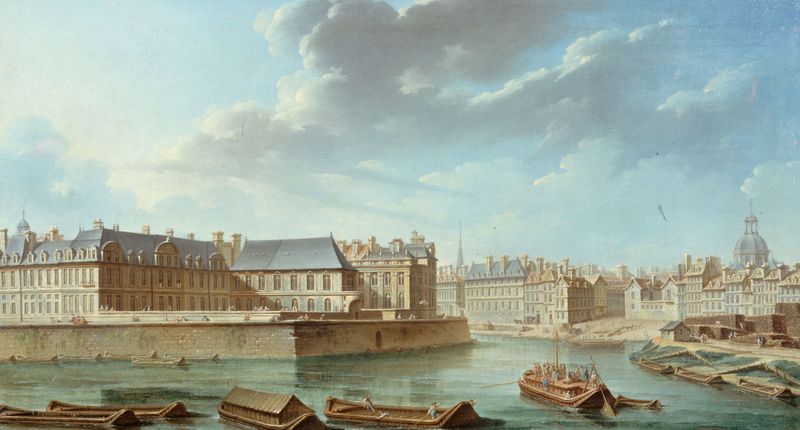
La Pointe orientale de l’île Saint-Louis, avec l’hôtel de Bretonvilliers et l’hôtel Lambert
Nicolas Jean-Baptiste Raguenet
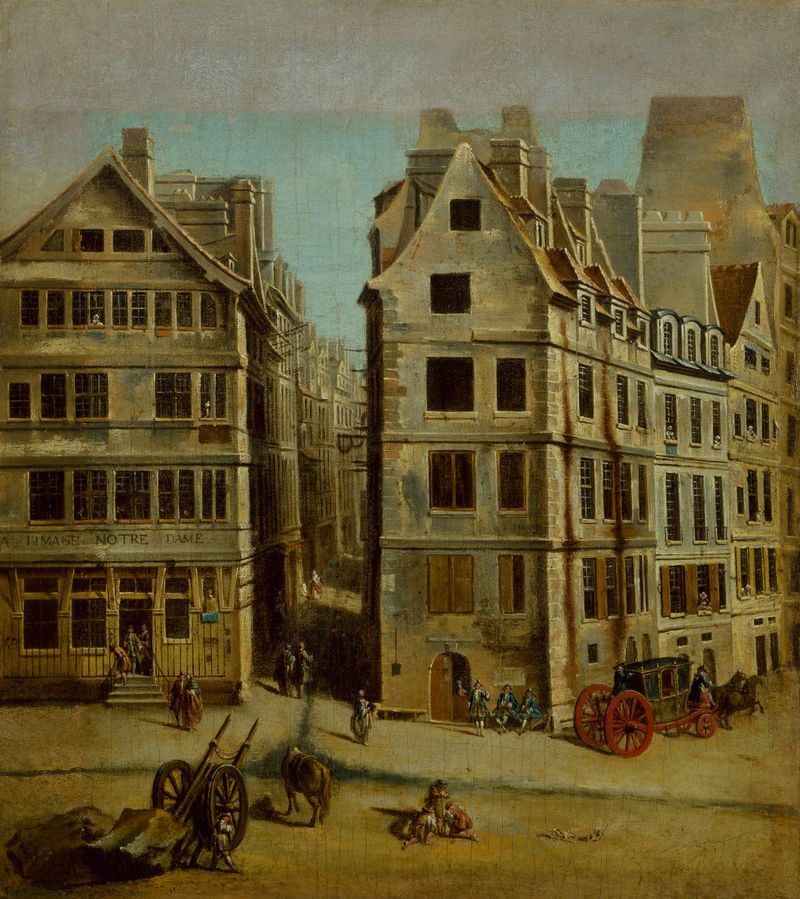
Le cabaret l’Image Notre-Dame, place de Grève, actuelle place de l’Hôtel de Ville
Nicolas Jean-Baptiste Raguenet

La joute des mariniers, entre le pont Notre-Dame et le pont au Change
Nicolas Jean-Baptiste Raguenet
More Architecture Art
Browse all →
The statue of Liberty
Frédéric Auguste Bartholdi

View of Houses in Delft, Known as ‘The Little Street’
Johannes Vermeer

View of Houses in Delft, Known as ‘The Little Street’
Johannes Vermeer

The Cathedral in Rouen. The portal, Grey Weather
Claude Monet

The yellow house
Vincent van Gogh

The Church in Auvers-sur-Oise, View from the Chevet
Vincent van Gogh