Liggend hert, naar links — History & Facts
Is this a mirror — or a memory? In Liggend hert, naar links, the solitary figure of a deer lies in stillness, evoking an ache as palpable as the autumn air. Its presence, delicate yet haunting, resonates with the quiet loneliness that permeates the canvas, inviting contemplation of existence and absence. Look to the left at the gracefully rendered body of the deer, its fur meticulously detailed, each stroke imbued with life despite the stillness. Notice how the light gently envelops its form, creating a soft contrast against the muted background, emphasizing the creature's vulnerability.
The composition draws the eye along the contours of the deer, leading one to appreciate the careful interplay of shadow and light that defines its serene posture. A deeper examination reveals the tension between life and death, and the inherent solitude of the natural world. The deer, although depicted with exquisite realism, seems to occupy a liminal space — both present and absent. The subtle play of colors hints at the cycle of nature, suggesting a fleeting moment of stillness in a world that is perpetually moving forward.
This contrast between the stillness of the animal and the vibrant life that surrounds it speaks to the solitude inherent in existence. Wenceslaus Hollar created Liggend hert, naar links in 1649 while living in London, having fled his native Prague due to the Thirty Years' War. During this period, his work reflected a profound fascination with the natural world, capturing both its beauty and transience. Hollar’s meticulous attention to detail and the emotive power of his subjects exemplified the Baroque interest in realism, juxtaposing the vibrancy of life against the inevitability of solitude.
More Artworks by Wenceslaus Hollar
Browse all →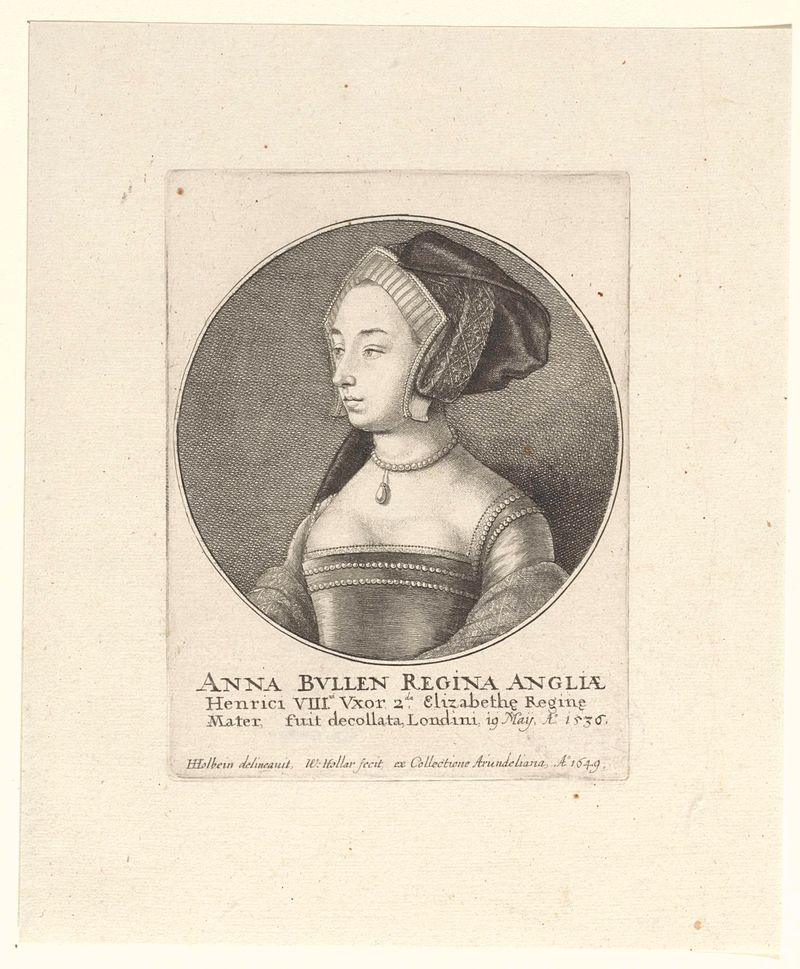
Portret van Anna Boleyn, koningin van Engeland
Wenceslaus Hollar
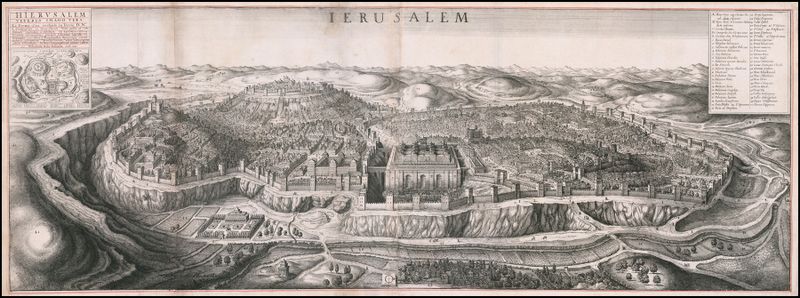
Bird’s eye view of Jerusalem
Wenceslaus Hollar
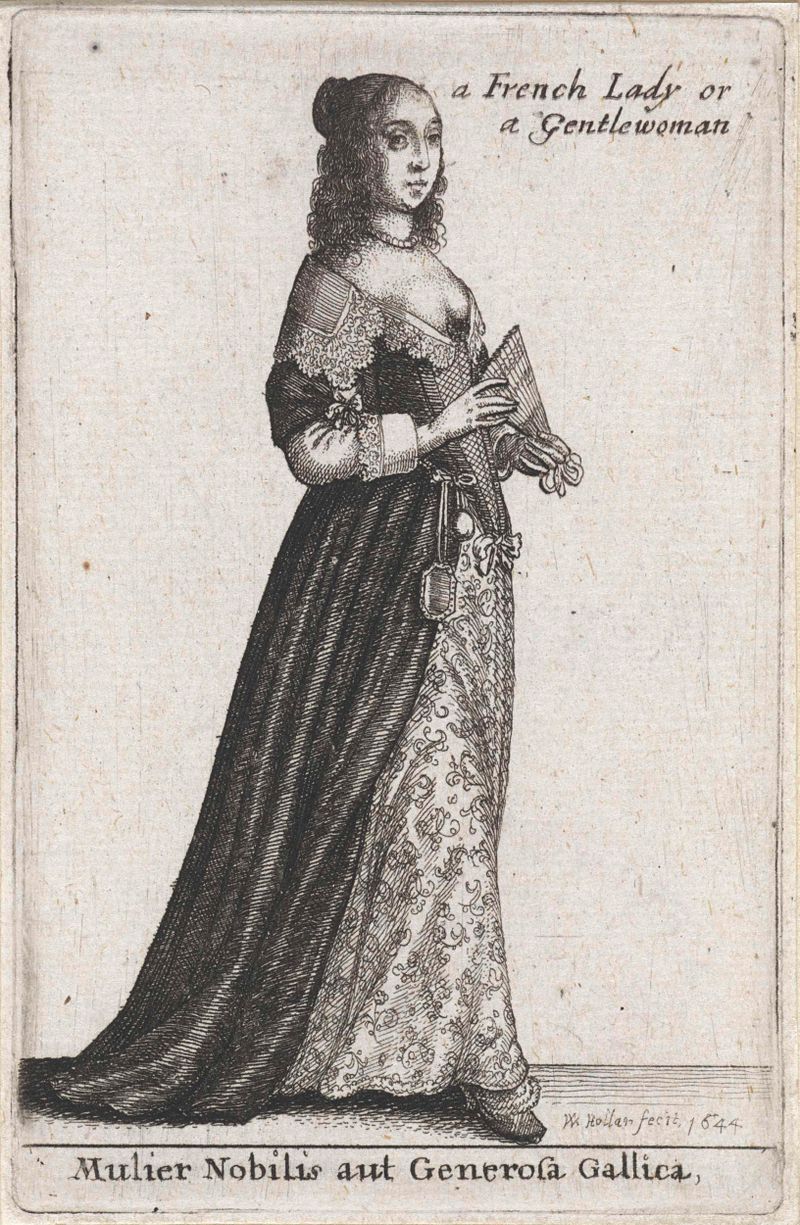
Mulier Nobilis aut Generosa Gallica / a French Lady or Gentlewoman
Wenceslaus Hollar
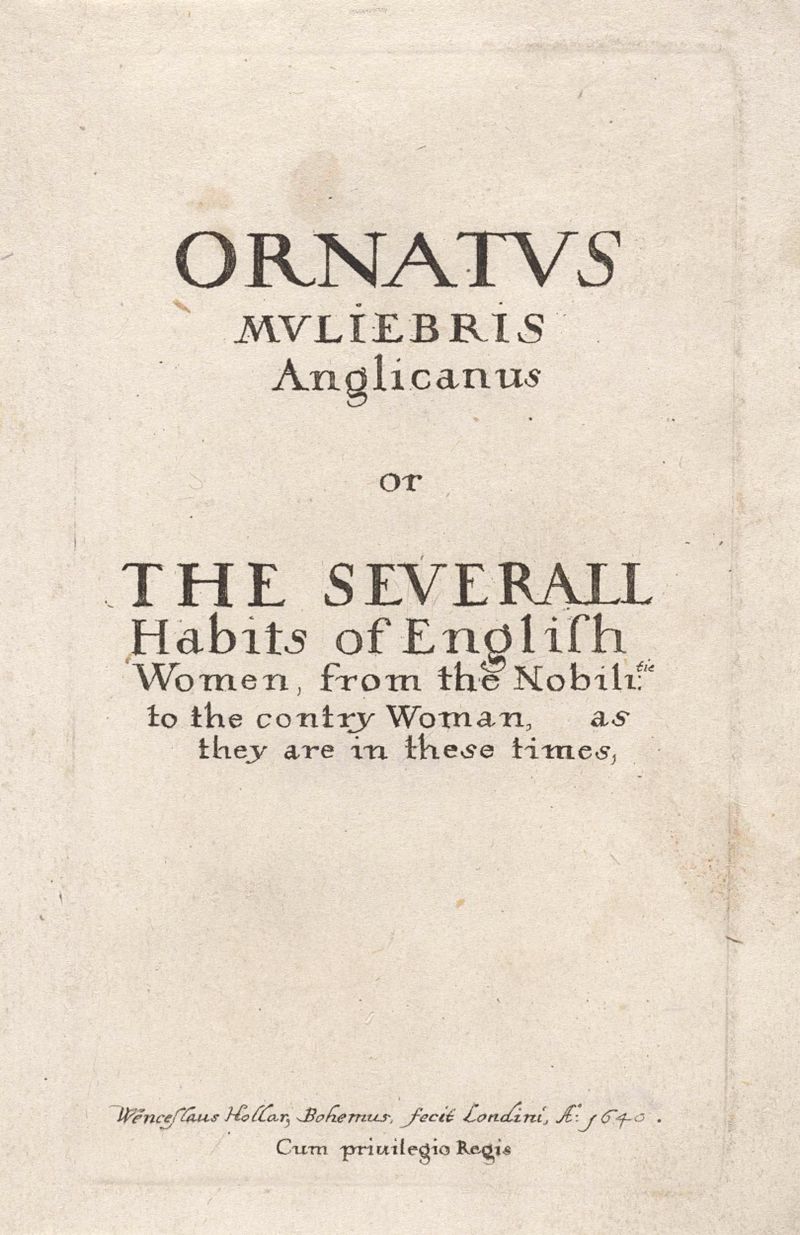
Titelprent voor: Ornatus Muliebris Anglicanus
Wenceslaus Hollar
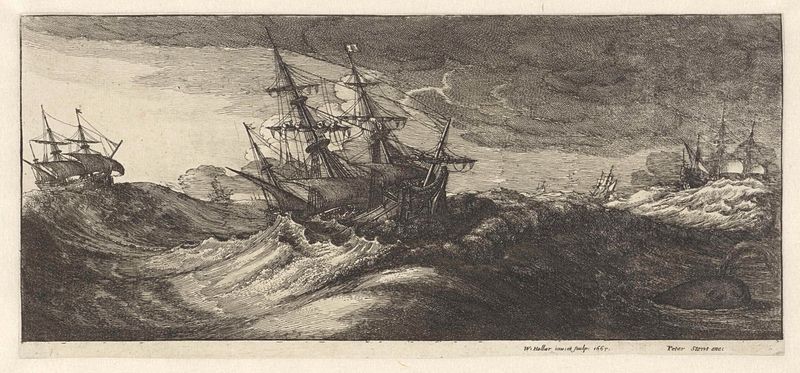
Oorlogsschepen en een walvis in een zeestorm
Wenceslaus Hollar
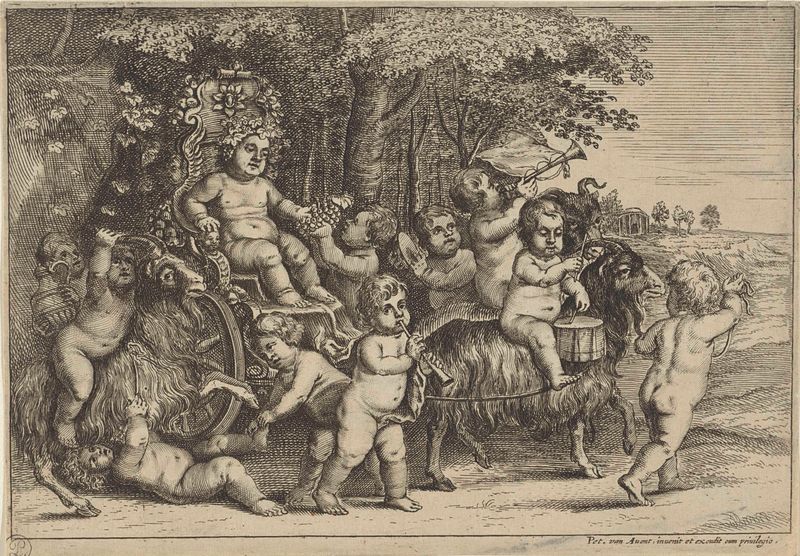
Optocht van bacchant en jongetjes op geiten
Wenceslaus Hollar
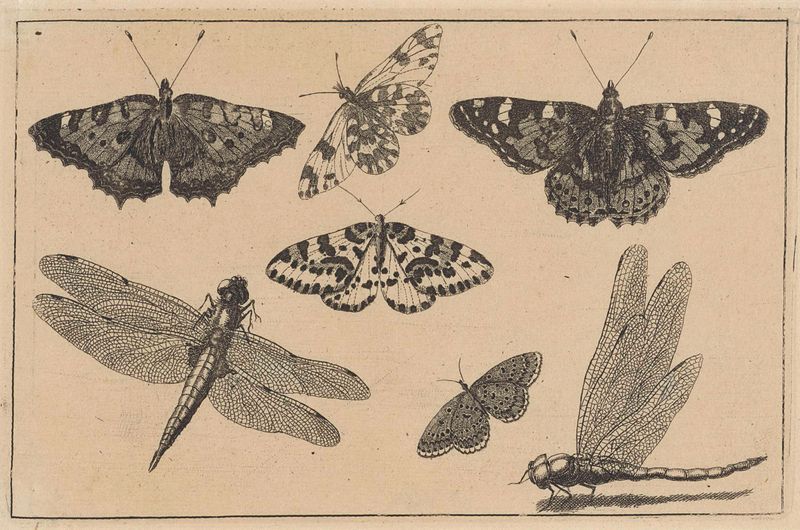
Twee libellen en vijf vlinders
Wenceslaus Hollar
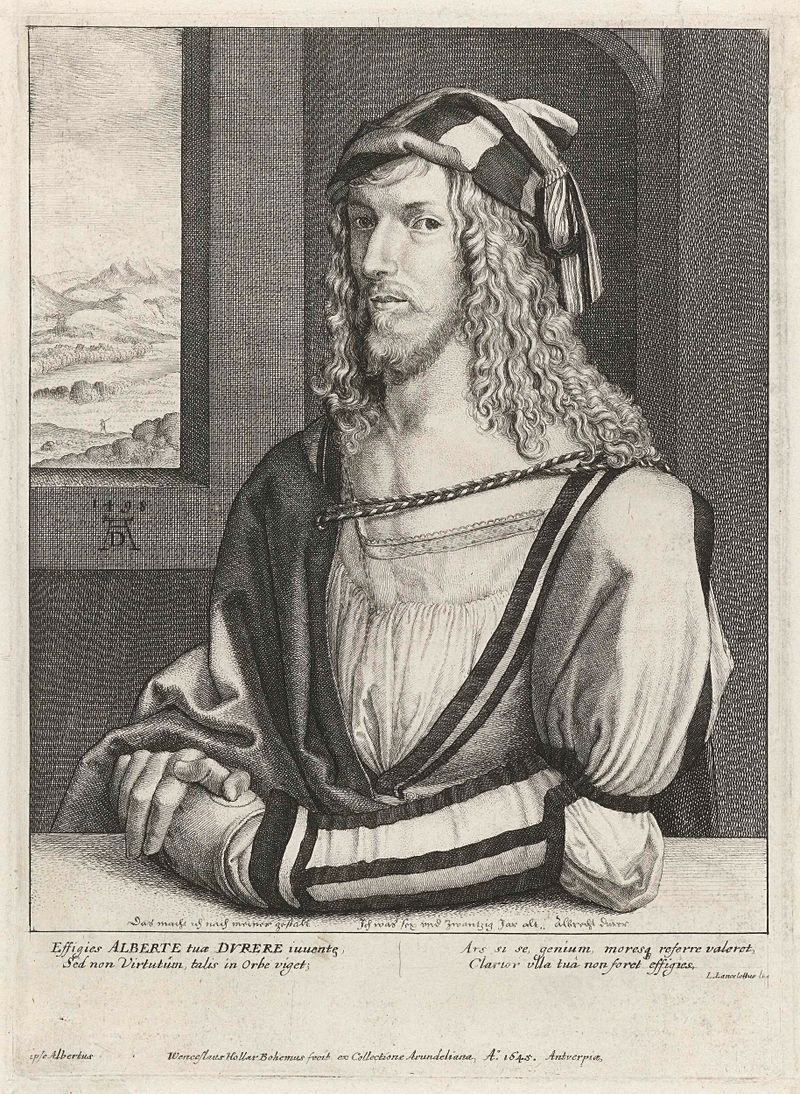
Portret van Albrecht Dürer
Wenceslaus Hollar
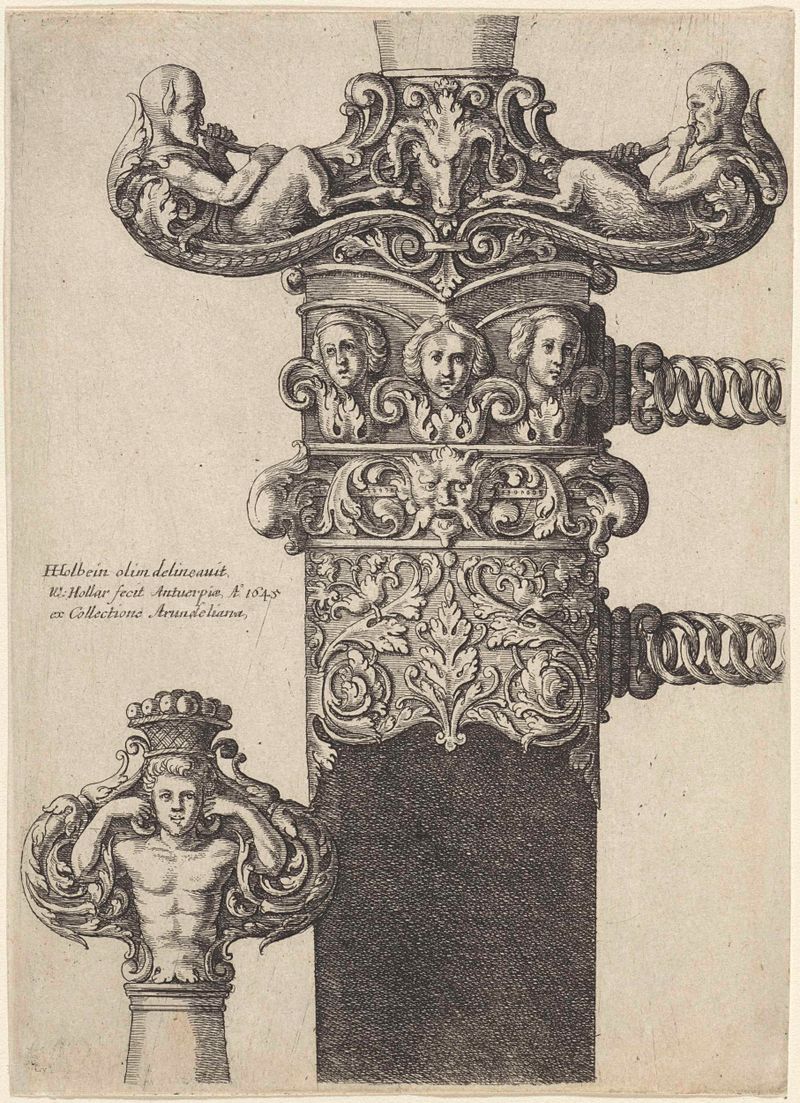
Ornamenteel ontwerp voor een dolk
Wenceslaus Hollar
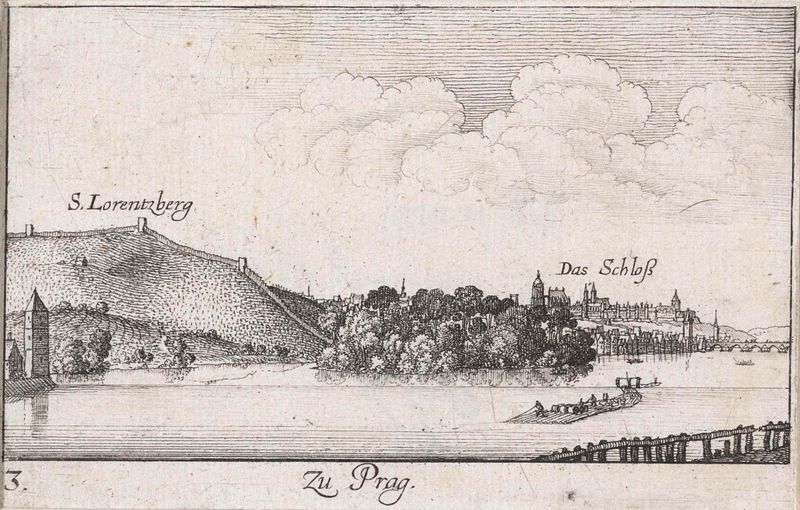
Gezicht op Praag vanaf de Moldau
Wenceslaus Hollar