Liggende en een pissende koe — History & Facts
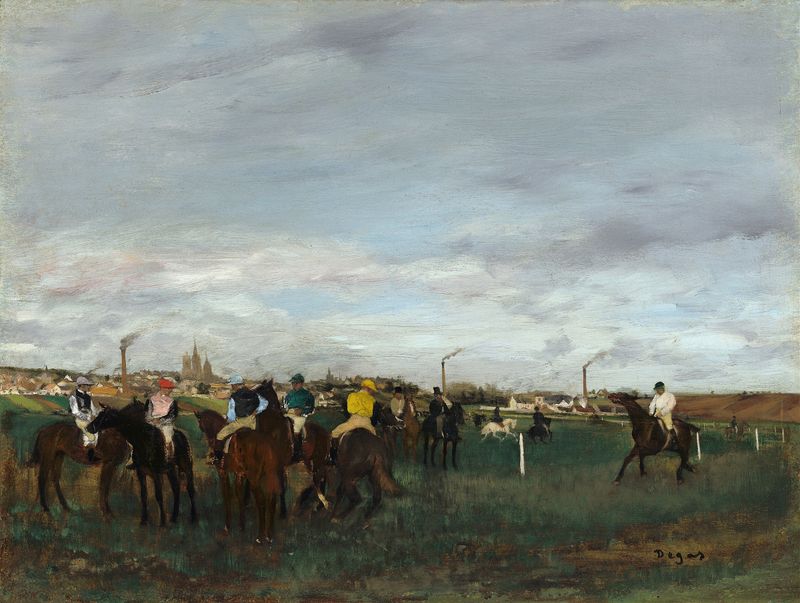
In the stillness of a pastoral moment, a reality unfolds that both charms and deceives, allowing the viewer to question what is truly present and what is artifice. Look to the lower right where a gentle brown cow reclines against a lush green backdrop. The play of light dances upon its moist hide, creating an illusion of warmth and vitality. Notice how Berchem employs soft brushstrokes to capture the cow's form, harmonizing hues of ochre and ivory that breathe life into the canvas.
The composition is masterful, drawing the eye not just to the central figure but also to the surrounding flora, which flourishes in a variety of greens, enhancing the serene atmosphere of this idyllic scene. Yet, beneath the pastoral charm lies an intricate dialogue between nature and observation. The cow, seemingly at ease, paradoxically embodies a deeper tension between tranquility and the primal instincts of survival. The act of urination, often overlooked, hints at an unrefined reality that coexists with the beauty of rural life, challenging the viewer to confront the rawness of nature.
This duality invites reflection on the intersection of life and art, the illusion crafted within the frame, and the truths that lie just beyond its edges. Berchem painted this work during the early 17th century, a time marked by the Dutch Golden Age, where artists were increasingly exploring everyday subjects with a heightened sense of realism and detail. Living in Amsterdam, Berchem was influenced by the burgeoning art market and the demand for genre scenes that resonated with the emerging bourgeoisie. In this environment, he honed his ability to craft evocative illusions, capturing the essence of rural life while subtly inviting viewers to delve deeper into the natural world and appreciate its complexities.
More Artworks by Nicolaes Pietersz Berchem
Browse all →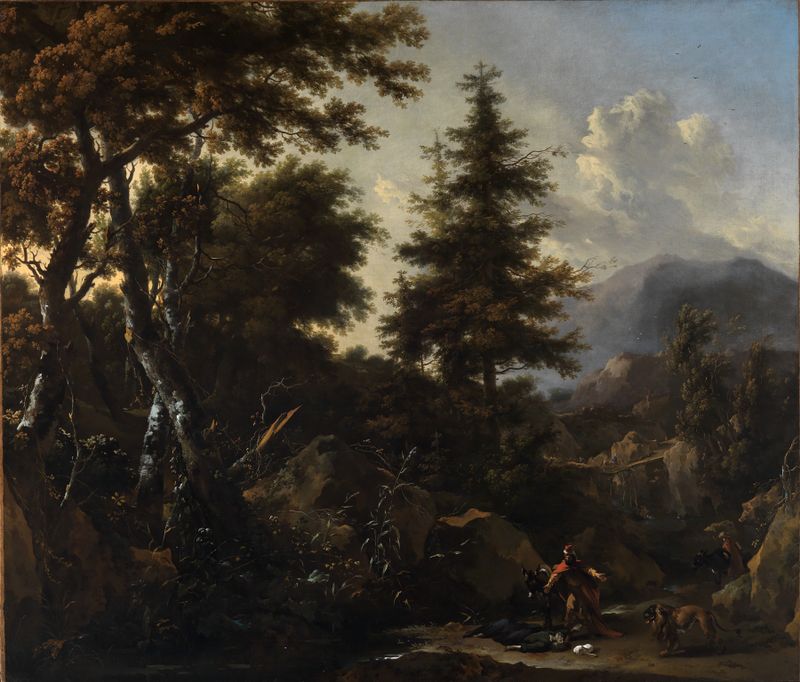
Schlucht im Bergwald mit alttestamentlicher Staffage
Nicolaes Pietersz Berchem
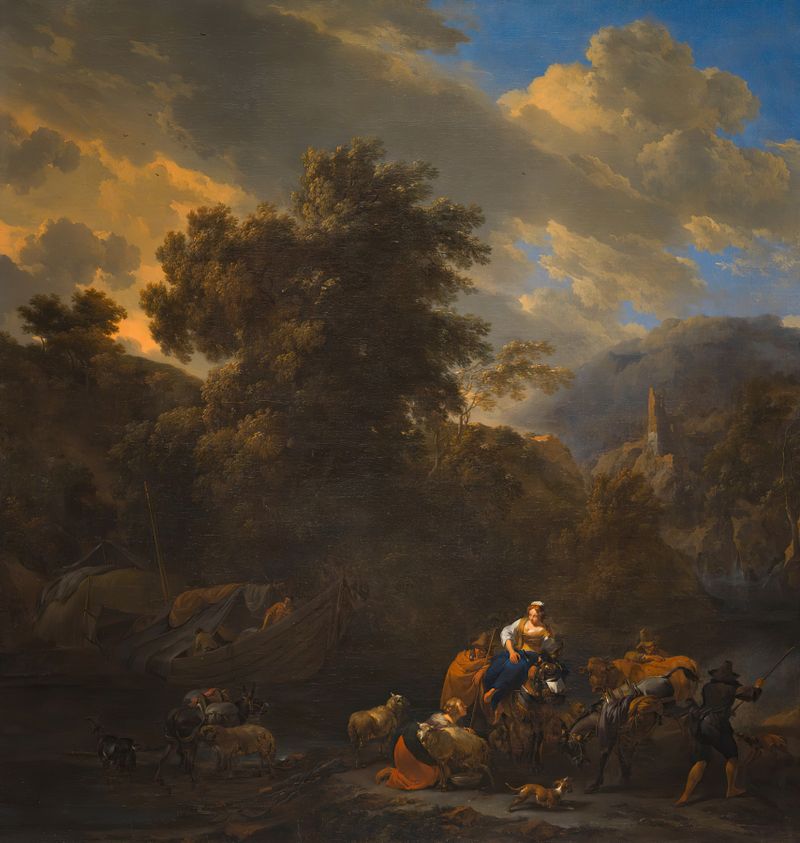
Italianate Landscape with Figures and Pack Animals on the Banks of a River
Nicolaes Pietersz Berchem
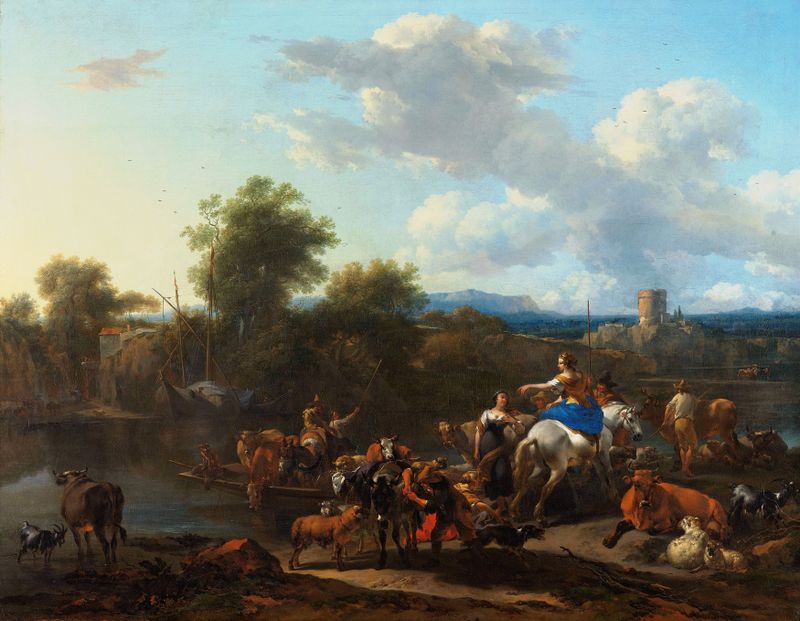
The Cattle Ferry
Nicolaes Pietersz Berchem
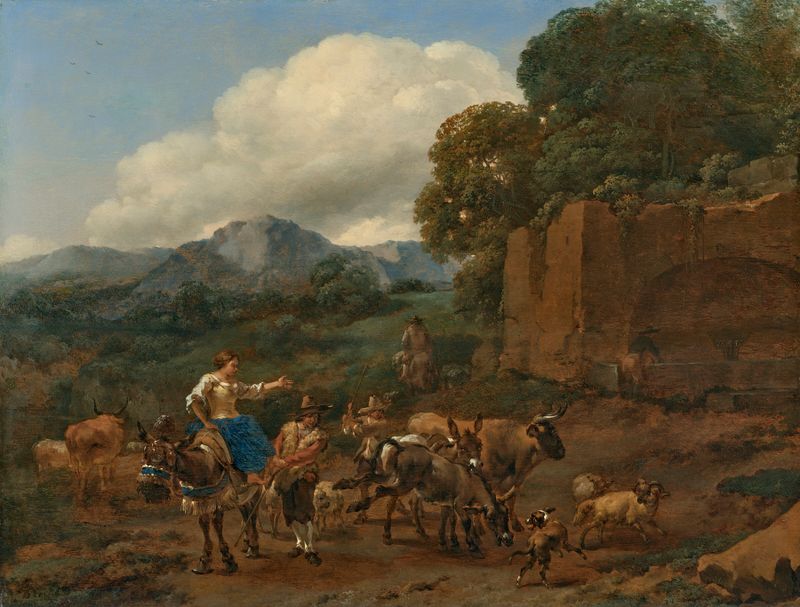
An Italianate landscape with a shepherdess on a mule and a shepherd, herding cattle, sheep, donkeys and dogs on a mountain track next to ruins
Nicolaes Pietersz Berchem
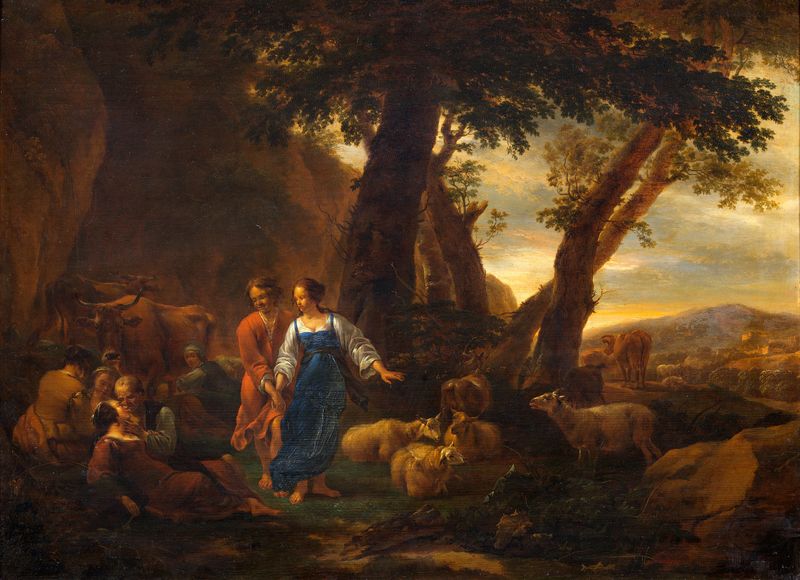
Landscape with Peasants and Cattle
Nicolaes Pietersz Berchem
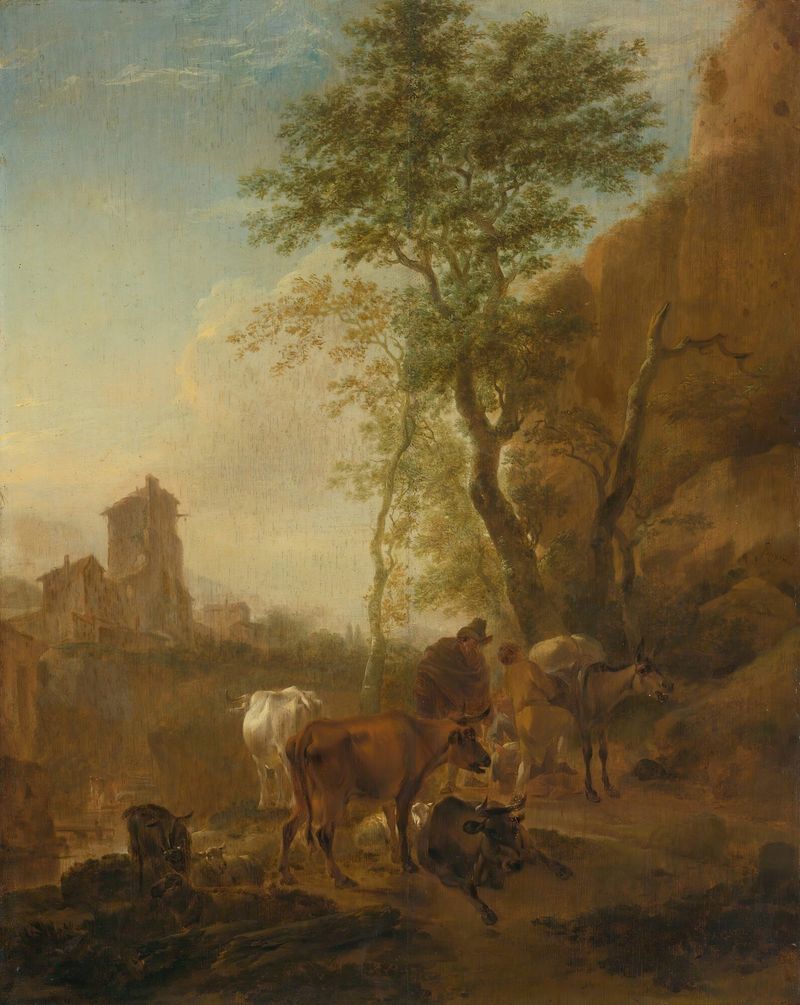
Italianate Landscape With Cows
Nicolaes Pietersz Berchem
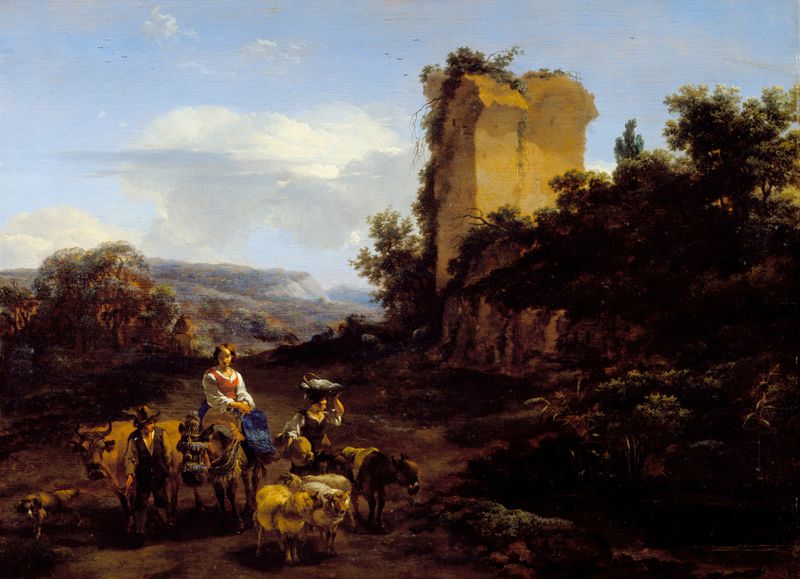
Landscape with Ruins and Travelers
Nicolaes Pietersz Berchem
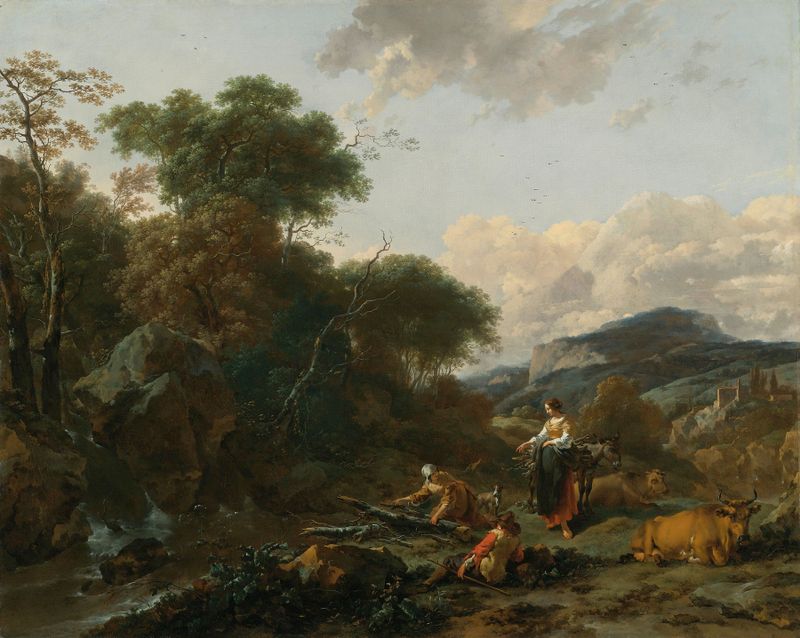
A Landscape With Figures
Nicolaes Pietersz Berchem
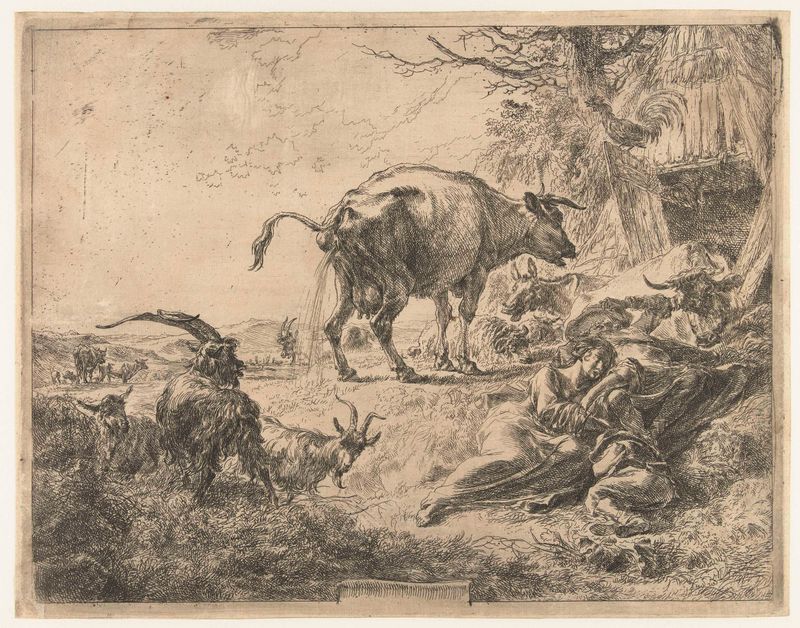
Slapende herdersfamilie en rustend vee
Nicolaes Pietersz Berchem
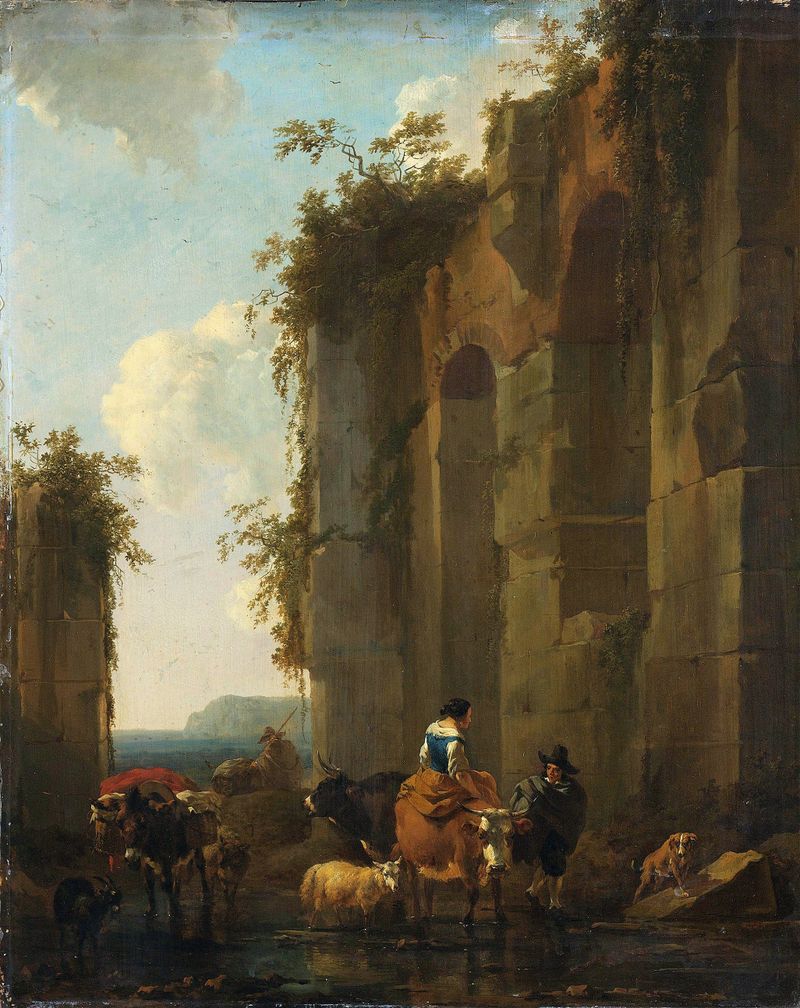
Ruins in Italy
Nicolaes Pietersz Berchem