Liggende koe — History & Facts
Who listens when art speaks of silence? In Liggende koe, the weight of tranquility rests upon the canvas, inviting the viewer to contemplate the profound depth beneath the serene surface. Look to the left at the gentle curve of the cow’s body, resting peacefully on a bed of lush grass. The masterful use of light highlights the cow’s textured fur, casting soft shadows that blend seamlessly into the verdant background. Pay attention to the subtle transitions of color; warm browns and greens intertwine to create a harmonious dialogue between the animal and its surroundings, evoking a sense of calm and stillness. Beneath this pastoral scene lies a tension between the vitality of life and the stillness of death.
The resting cow embodies both nourishment and vulnerability, a reminder of the cyclical nature of existence. The shadows around it symbolize the unseen forces at play, hinting at the fragility of life and the inevitability of time. Each brushstroke whispers stories that echo in the silence of the space, forcing us to ponder what lies beyond the imagery. Adriaen van de Velde painted Liggende koe during a period marked by a blossoming interest in pastoral themes and still lifes in 17th-century Dutch art.
Working in Amsterdam between 1653 and 1672, he navigated a world rich with artistic innovation, yet remained grounded in the simplicity of rural life. This painting reflects the era's appreciation for nature's quiet beauty, embodying both the artist's personal style and the broader artistic movements of his time.
More Artworks by Adriaen van de Velde
Browse all →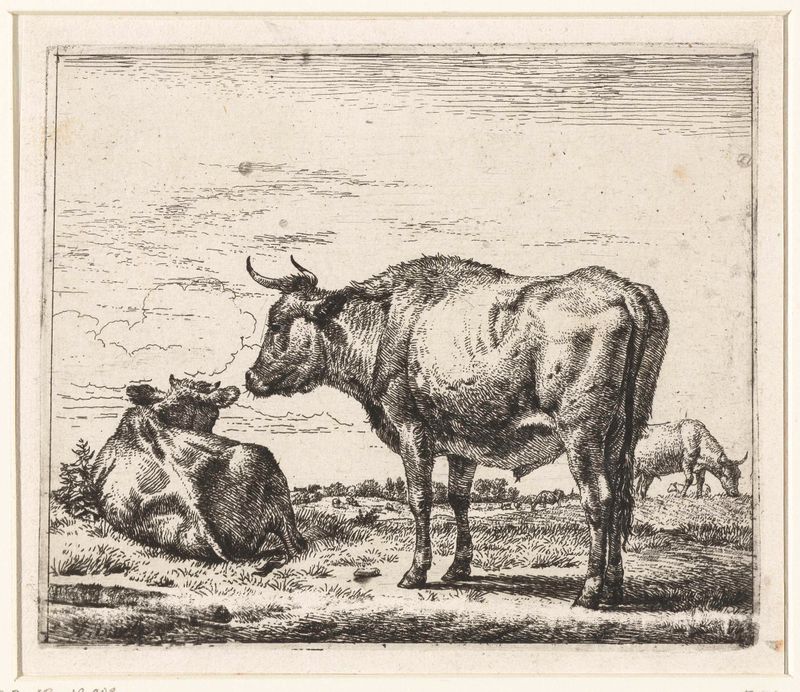
Staande stier
Adriaen van de Velde
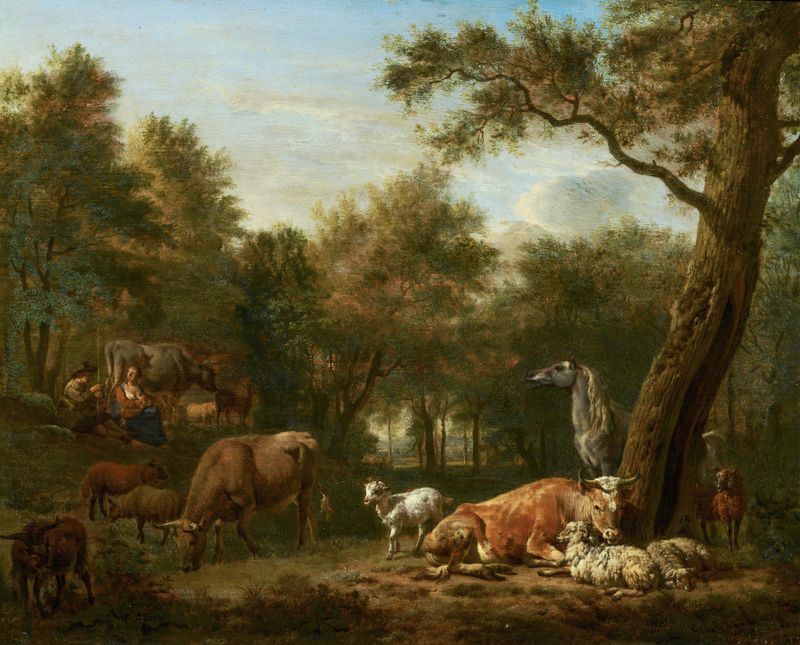
Wooded Landscape with Cattle
Adriaen van de Velde

Pastoral Landscape with Ruins
Adriaen van de Velde

Pastoral Landscape with Ruins
Adriaen van de Velde
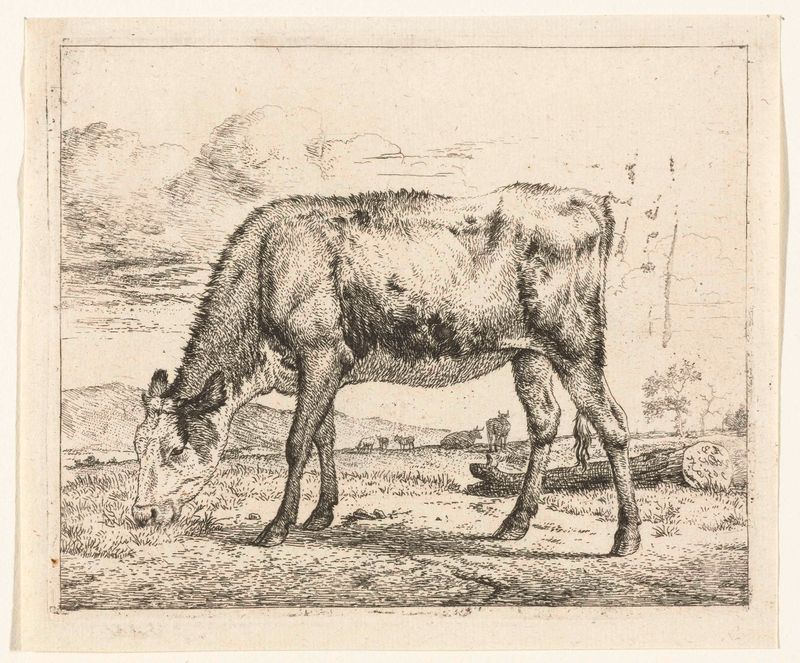
Grazend kalf
Adriaen van de Velde
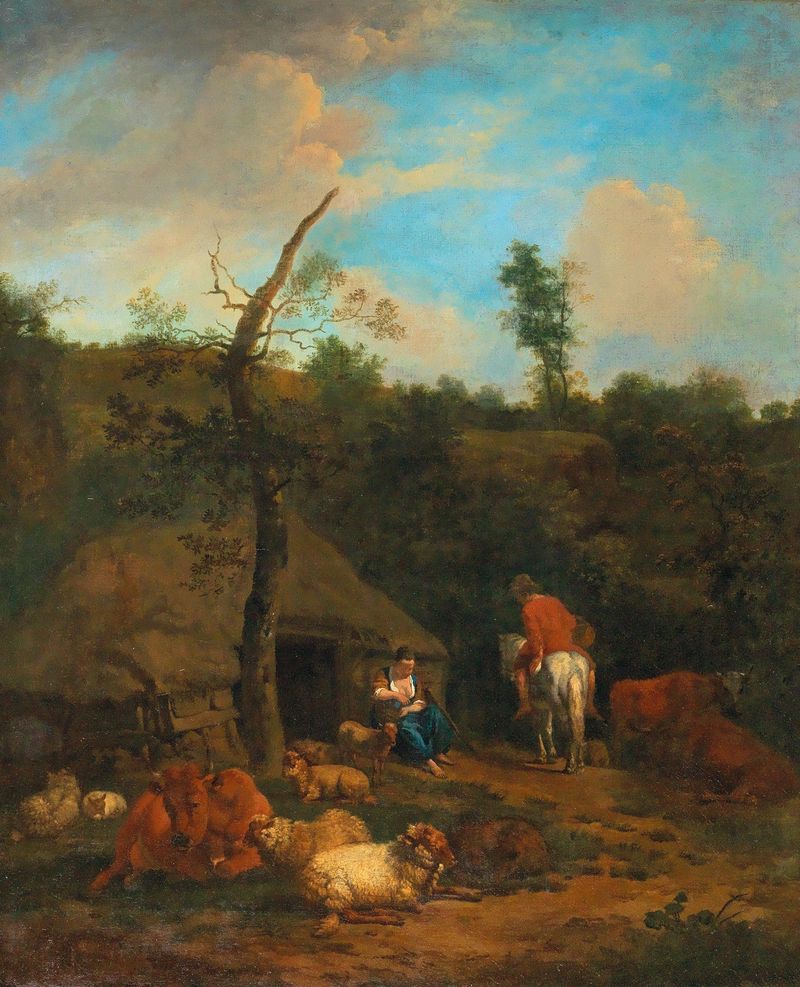
A herdsman and a shepherdess in front of a wooden farmhouse
Adriaen van de Velde
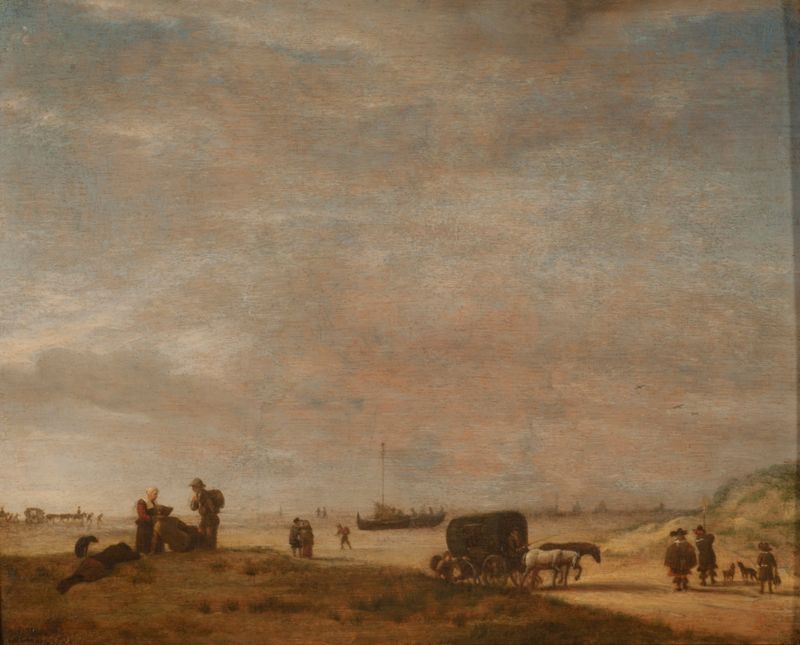
Scheveningen Beach
Adriaen van de Velde
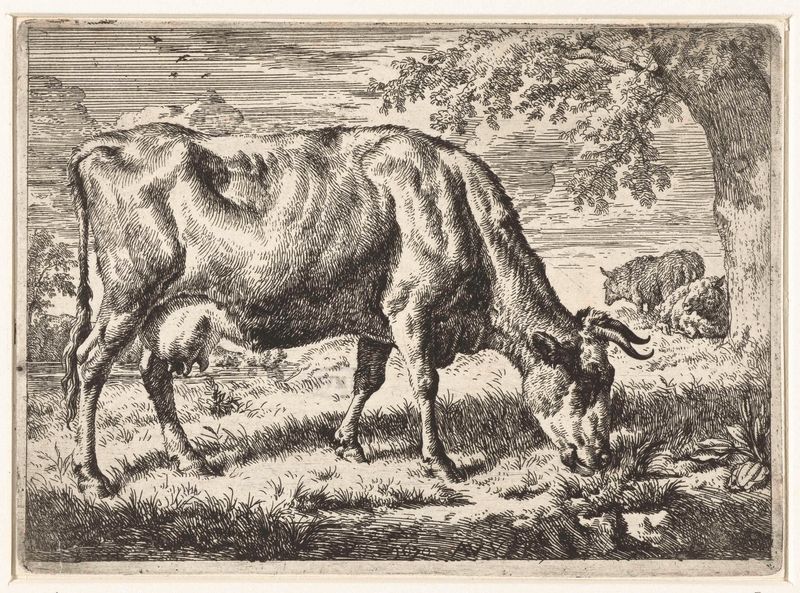
Grazende koe en twee schapen
Adriaen van de Velde

Forest Clearing with Grazing Deer
Adriaen van de Velde

Landscape with Sheep and a Sleeping Shepherd
Adriaen van de Velde