Liggende leeuw — History & Facts
Could beauty survive in a century of chaos? Wenceslaus Hollar’s Liggende leeuw invites us to contemplate this question through the serene gaze of its subject, a lion rendered with exquisite detail and grace. The work transcends mere representation, drawing viewers into a world where nature’s majesty reigns supreme amidst the tumult of 17th-century Europe. Look closely at the lion's fur; its luscious strands catch the light in a dance of shadows and highlights, revealing the artist's masterful technique. Observe how the powerful creature reclines, its body positioned to exude both strength and tranquility.
The background remains softly sketched, allowing the lion to dominate the canvas, emphasizing its regal presence. The choice of monochromatic tones further enhances the sense of realism and depth, inviting the eye to explore the minutiae of the lion's expression and the texture of its mane. There is a juxtaposition between the lion’s calm demeanor and the surrounding chaos of the era. Created during a time of political strife and upheaval, the image serves as a reminder of nature’s enduring power and beauty, contrasting with human conflict.
The lion, often symbolic of courage and nobility, becomes a metaphor for the resilience of art itself—an illusion capturing the essence of life when reality is rife with turmoil. The intricate details and lifelike portrayal evoke both admiration and contemplation. In 1645, Wenceslaus Hollar was residing in England, having fled the Thirty Years' War in his native Bohemia. This period marked a significant development in his style, reflecting influences from both the Baroque and Renaissance movements.
As a printmaker and draftsman, he adeptly blended observation with artistic interpretation, allowing him to thrive in a time when art served as both refuge and commentary on the human experience.
More Artworks by Wenceslaus Hollar
Browse all →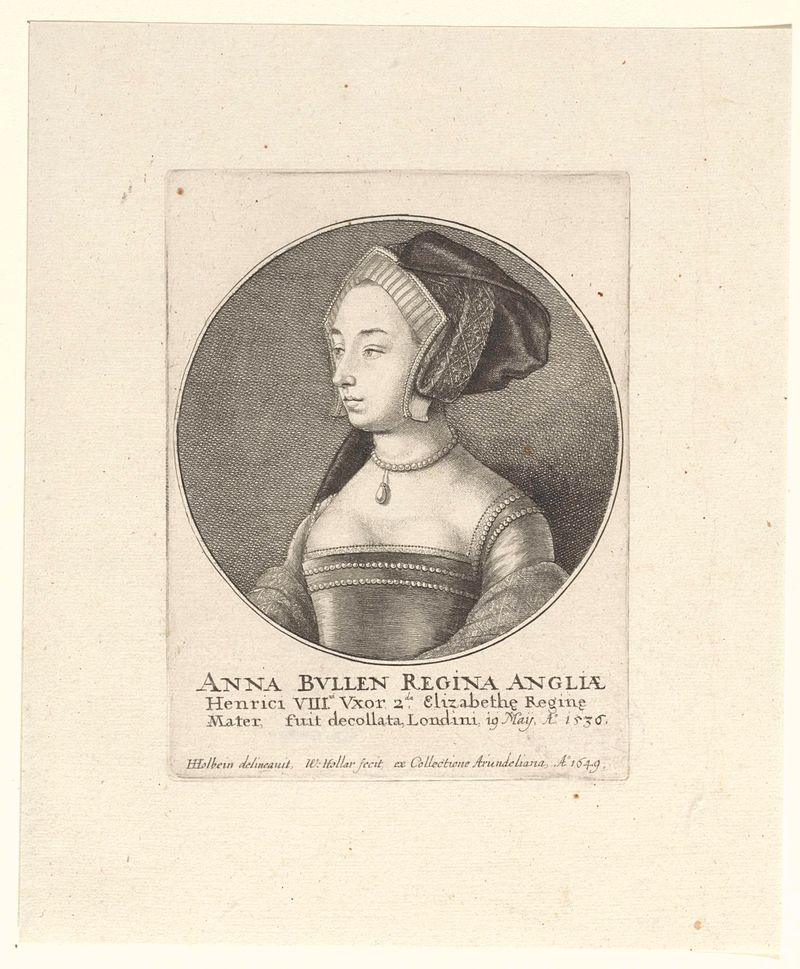
Portret van Anna Boleyn, koningin van Engeland
Wenceslaus Hollar
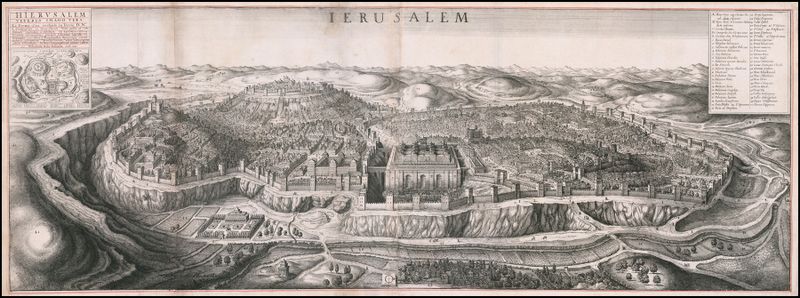
Bird’s eye view of Jerusalem
Wenceslaus Hollar
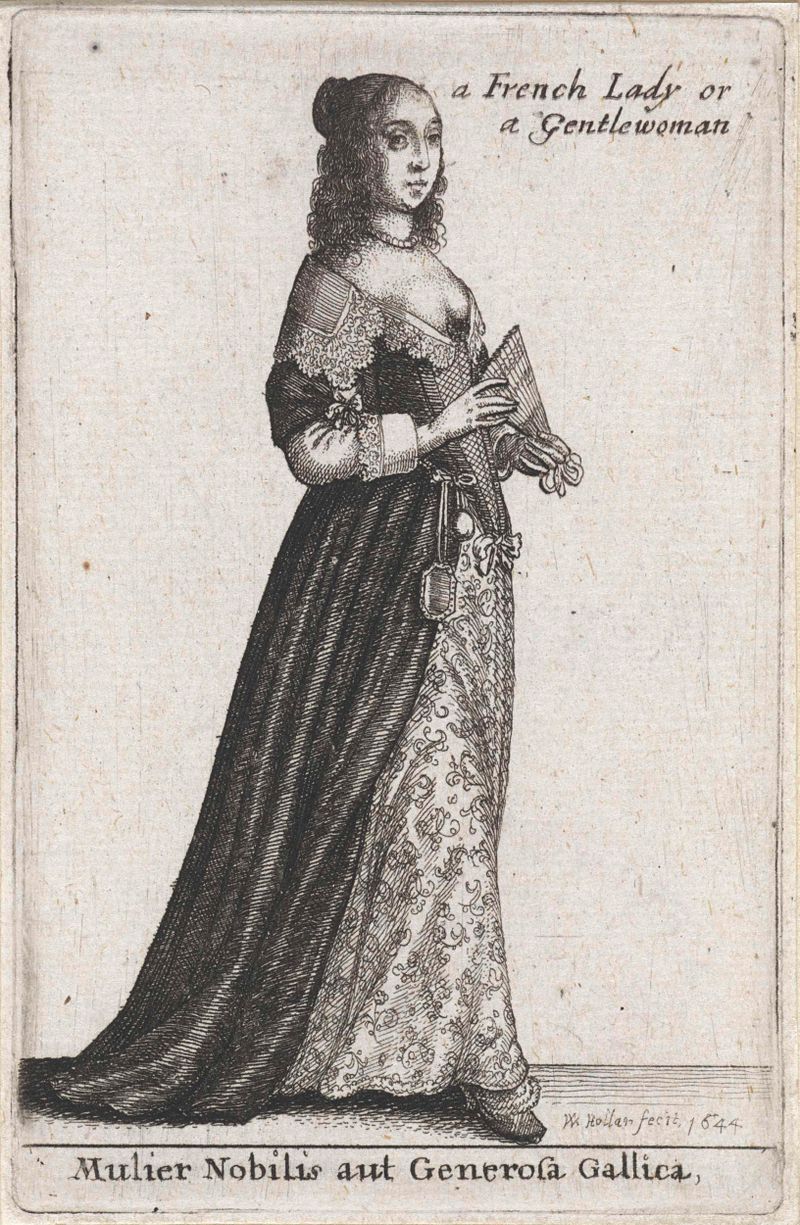
Mulier Nobilis aut Generosa Gallica / a French Lady or Gentlewoman
Wenceslaus Hollar
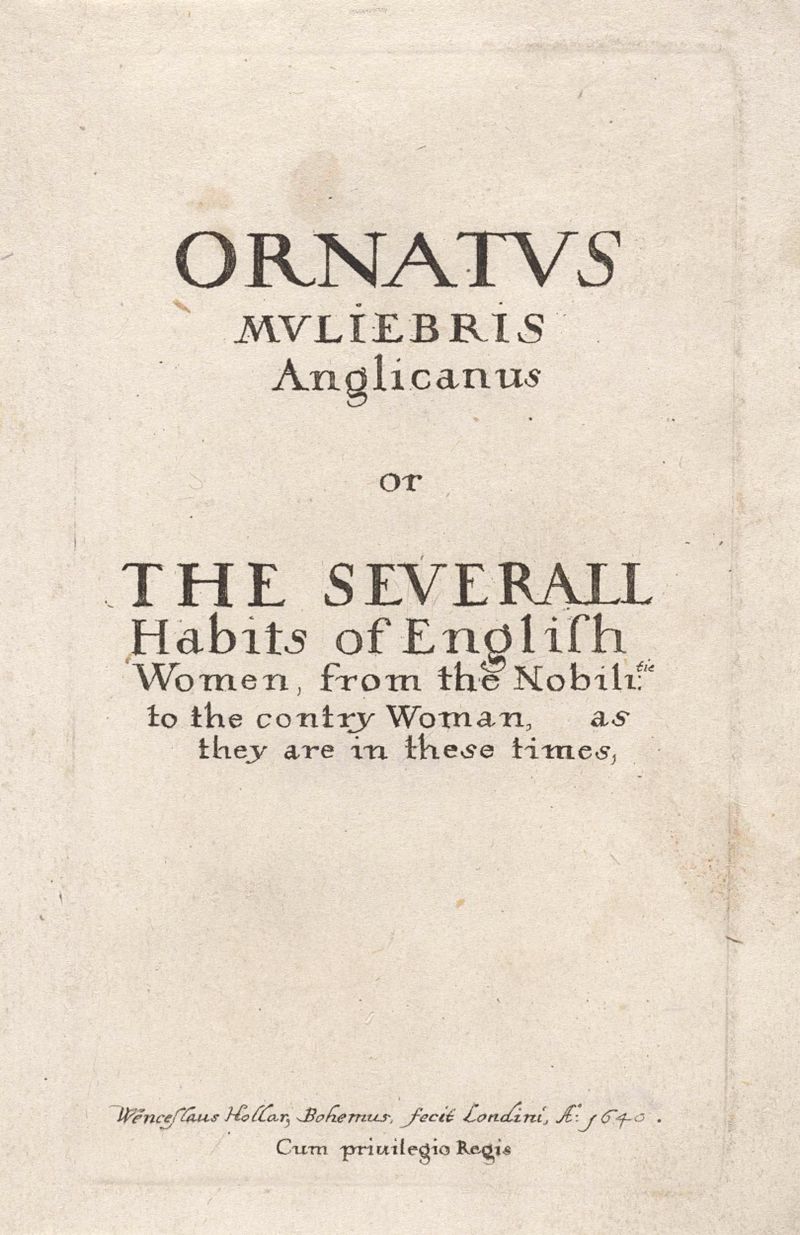
Titelprent voor: Ornatus Muliebris Anglicanus
Wenceslaus Hollar
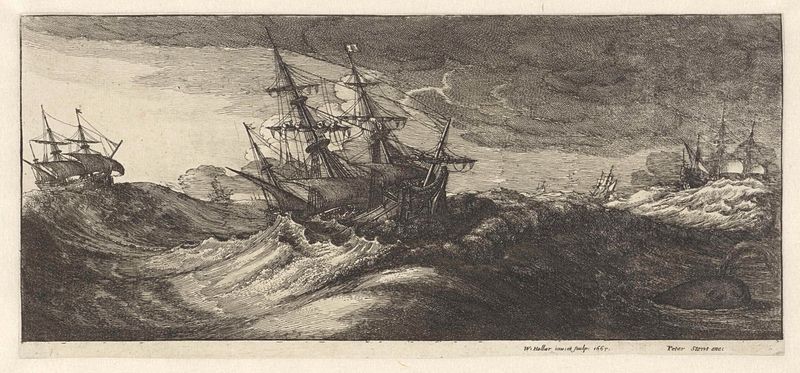
Oorlogsschepen en een walvis in een zeestorm
Wenceslaus Hollar
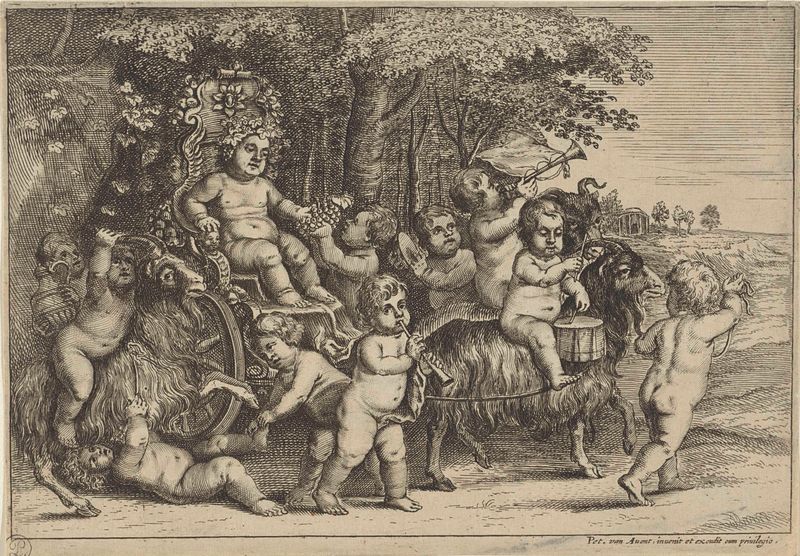
Optocht van bacchant en jongetjes op geiten
Wenceslaus Hollar
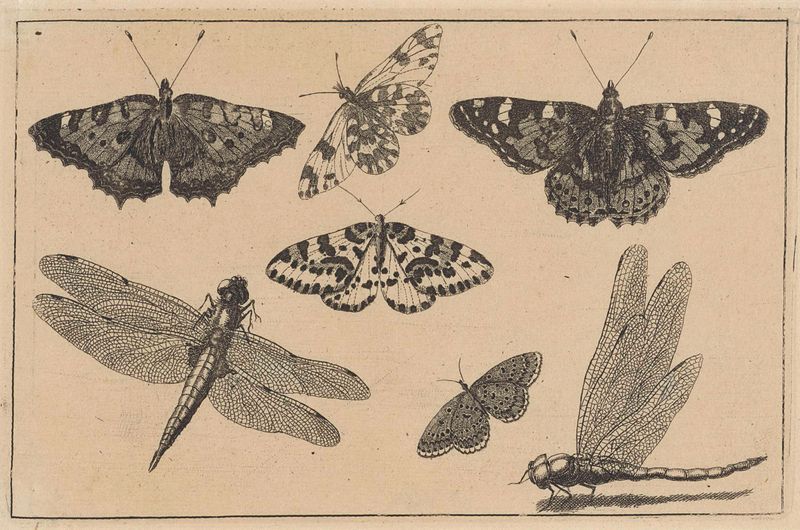
Twee libellen en vijf vlinders
Wenceslaus Hollar
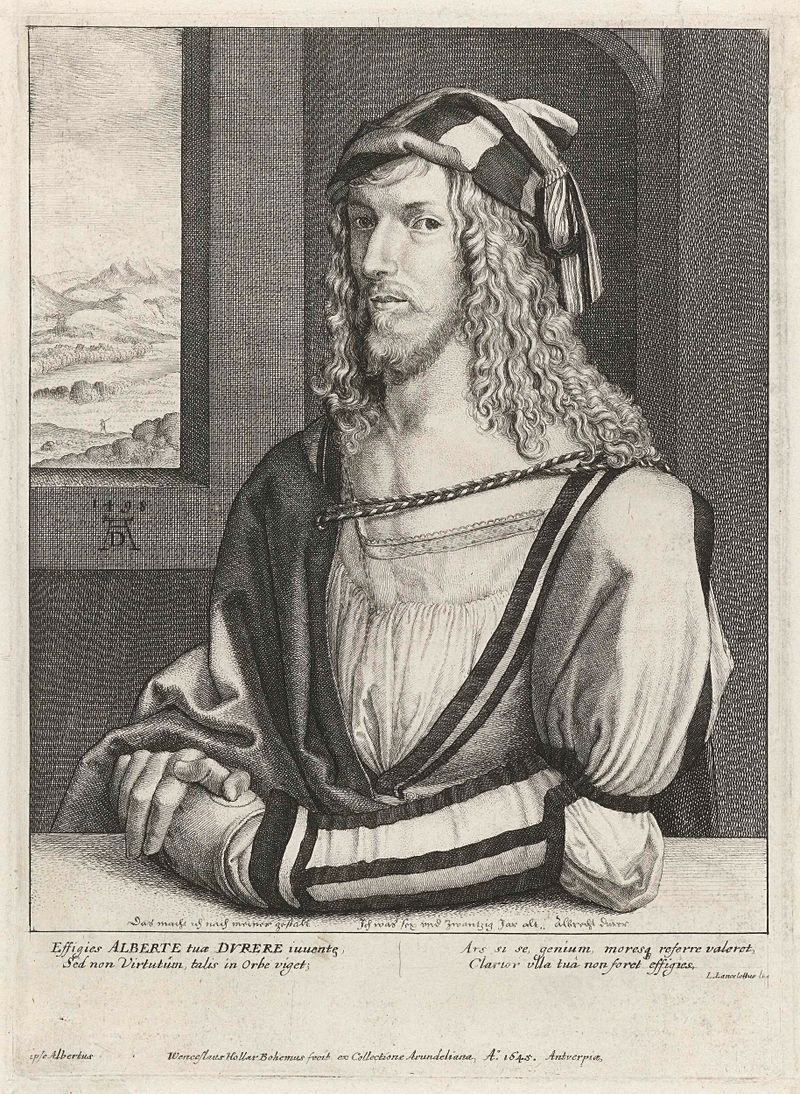
Portret van Albrecht Dürer
Wenceslaus Hollar
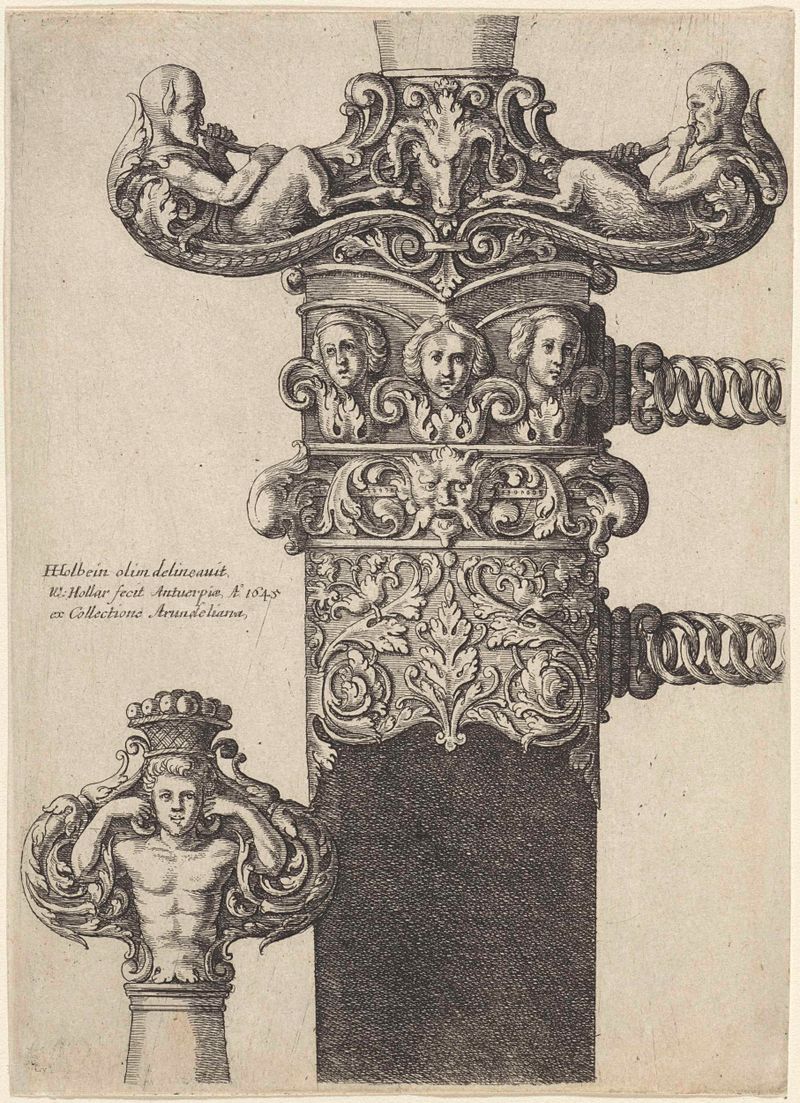
Ornamenteel ontwerp voor een dolk
Wenceslaus Hollar
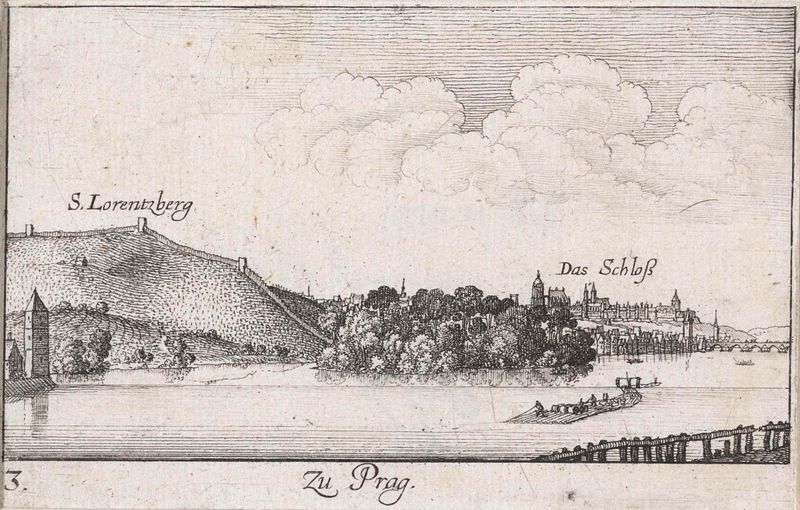
Gezicht op Praag vanaf de Moldau
Wenceslaus Hollar