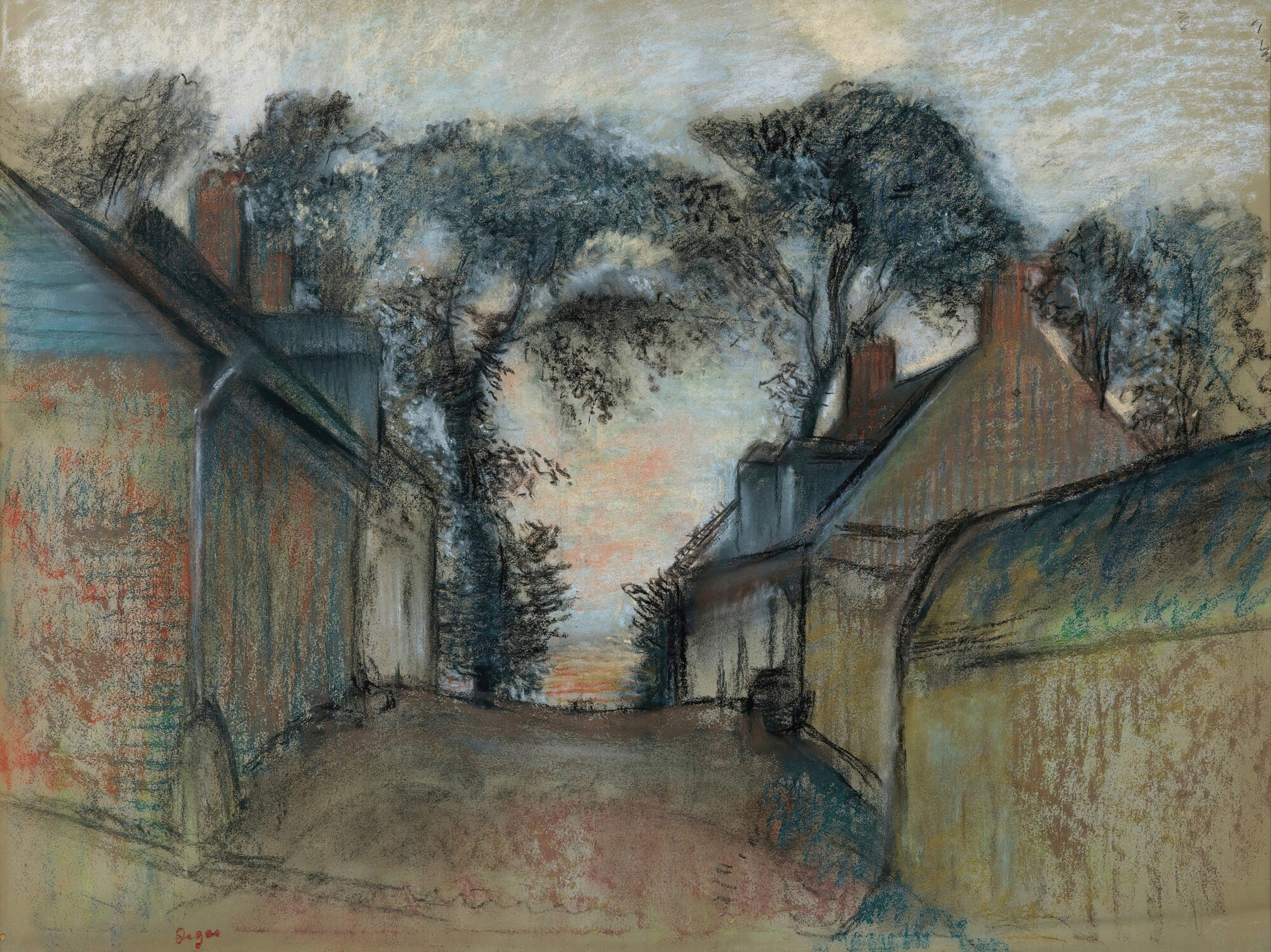
Light effect at sunset by the sea — History & Analysis
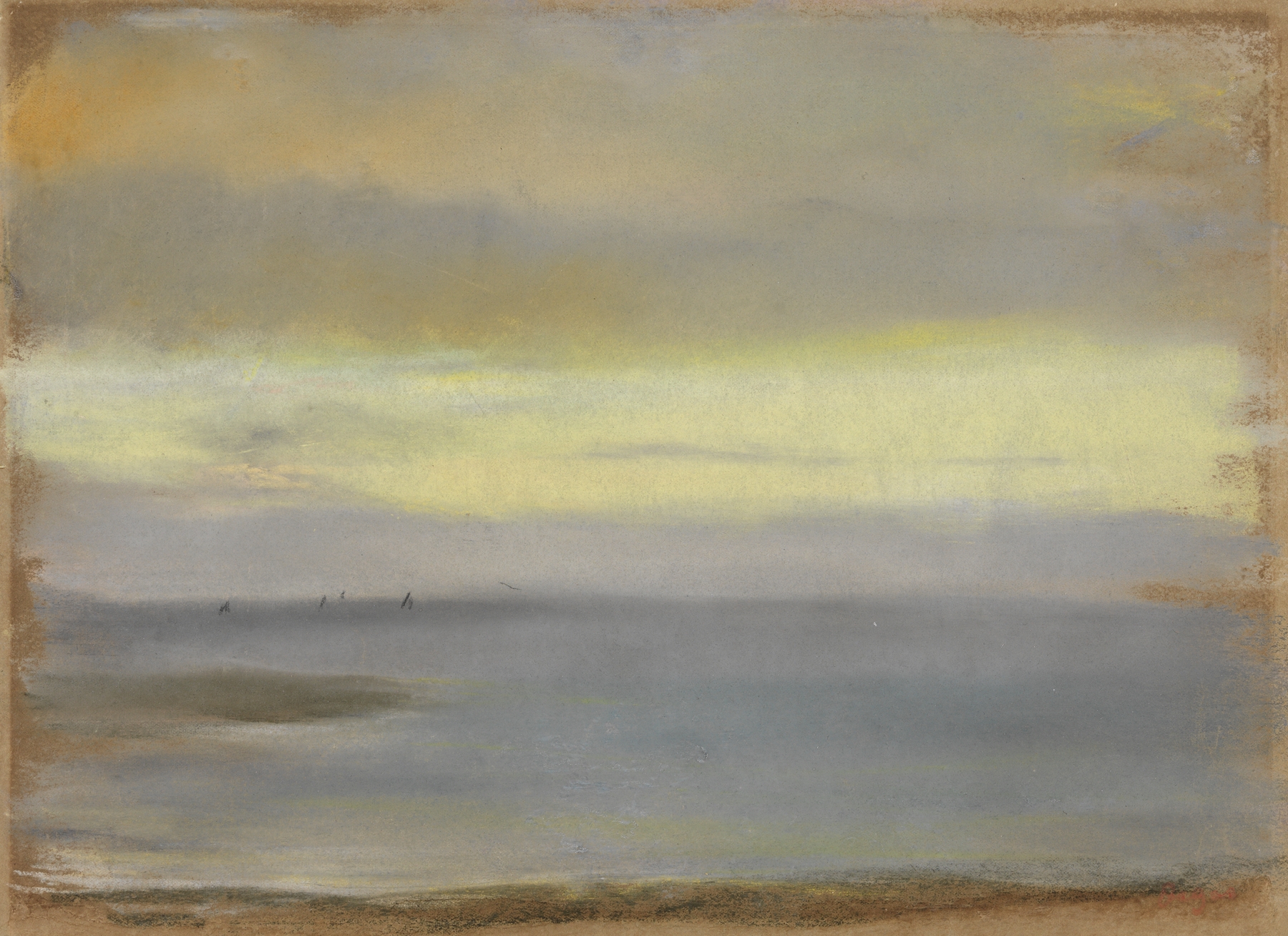
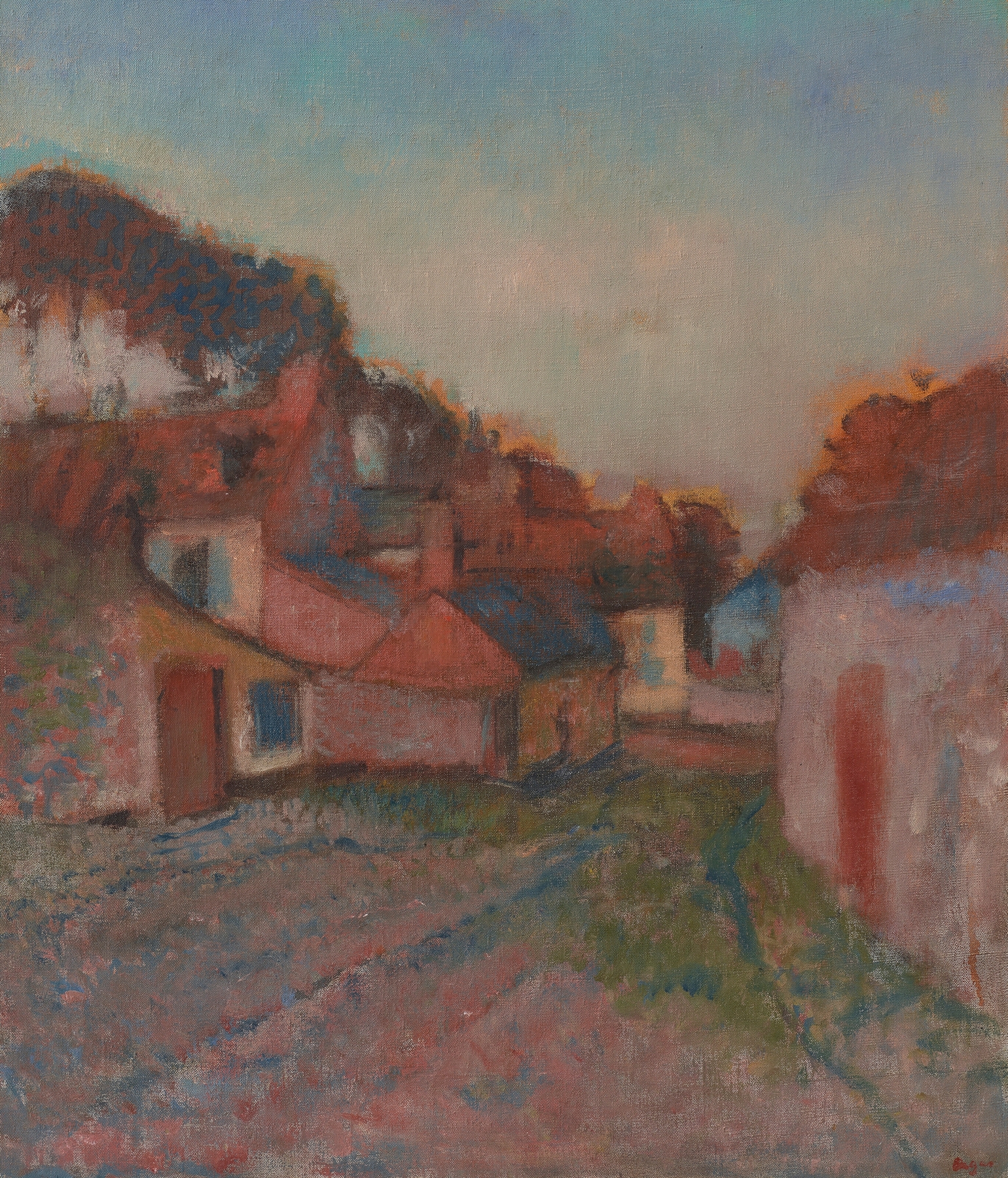
“Every silence here is a confession.” In the hush of twilight, the horizon blushes with the secrets of the day, awakening a world caught between the past and the promise of dusk. The interplay of light and shadow dances softly on the water's surface, as if whispering truths only the sea knows. It is a moment suspended in time, inviting the viewer to reflect on the beauty of transience. Look to the left at the radiant hues of orange and pink bleeding into each other, as if the sky is on fire.
Notice how the delicate brushstrokes create a shimmering effect on the water, drawing your eye toward the distant horizon, where the sun sinks slowly. The gentle gradation of colors embodies an ethereal quality, while the rhythmic waves echo a serene, yet restless spirit, mirroring the viewer's own contemplation of change. In this moment of twilight, contrasts abound: the vibrancy of the sunset against the calmness of the sea evokes feelings of nostalgia and yearning. The fluidity of the paint captures the ephemeral nature of light, suggesting not just a physical scene, but an emotional awakening.
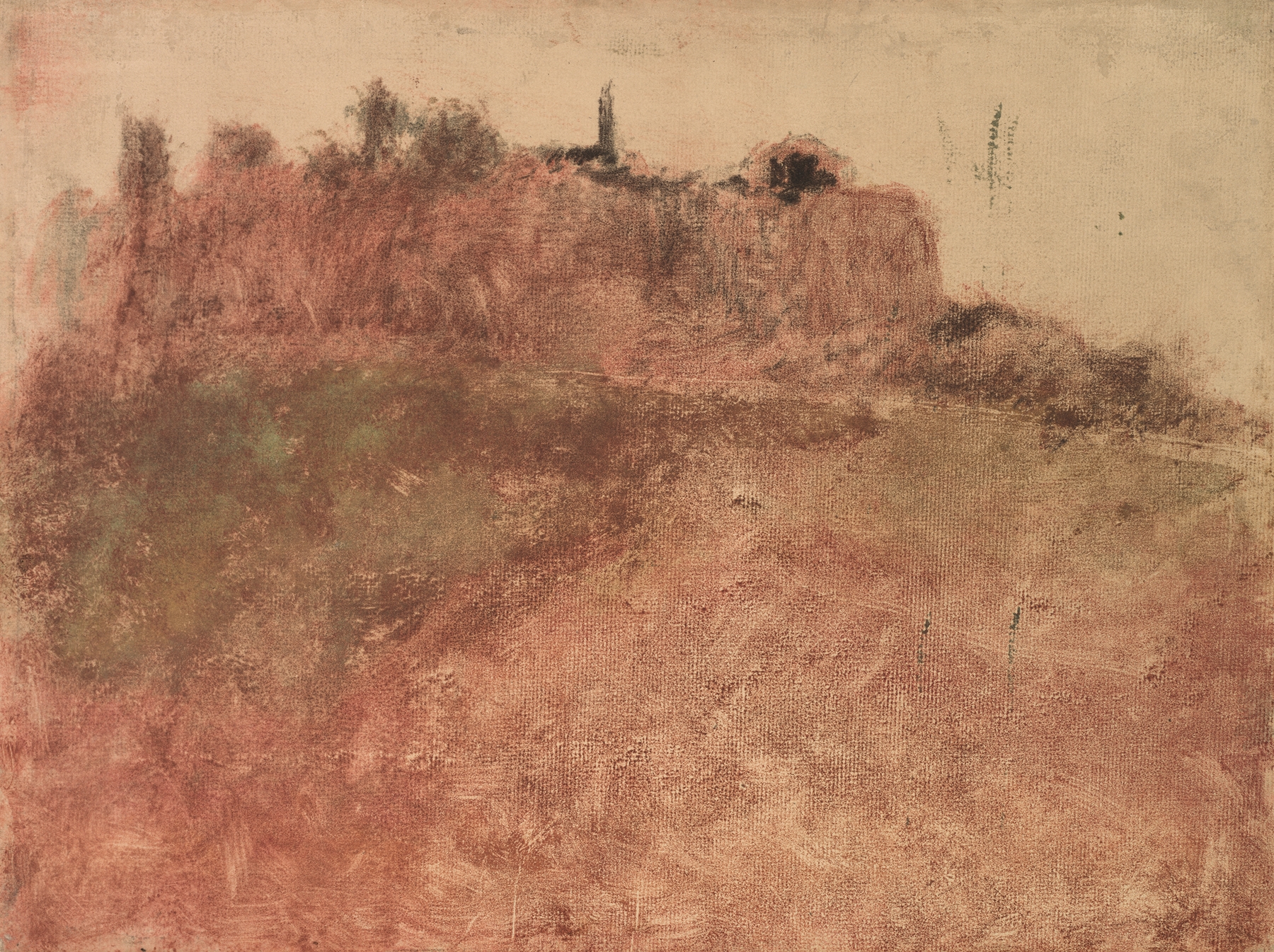
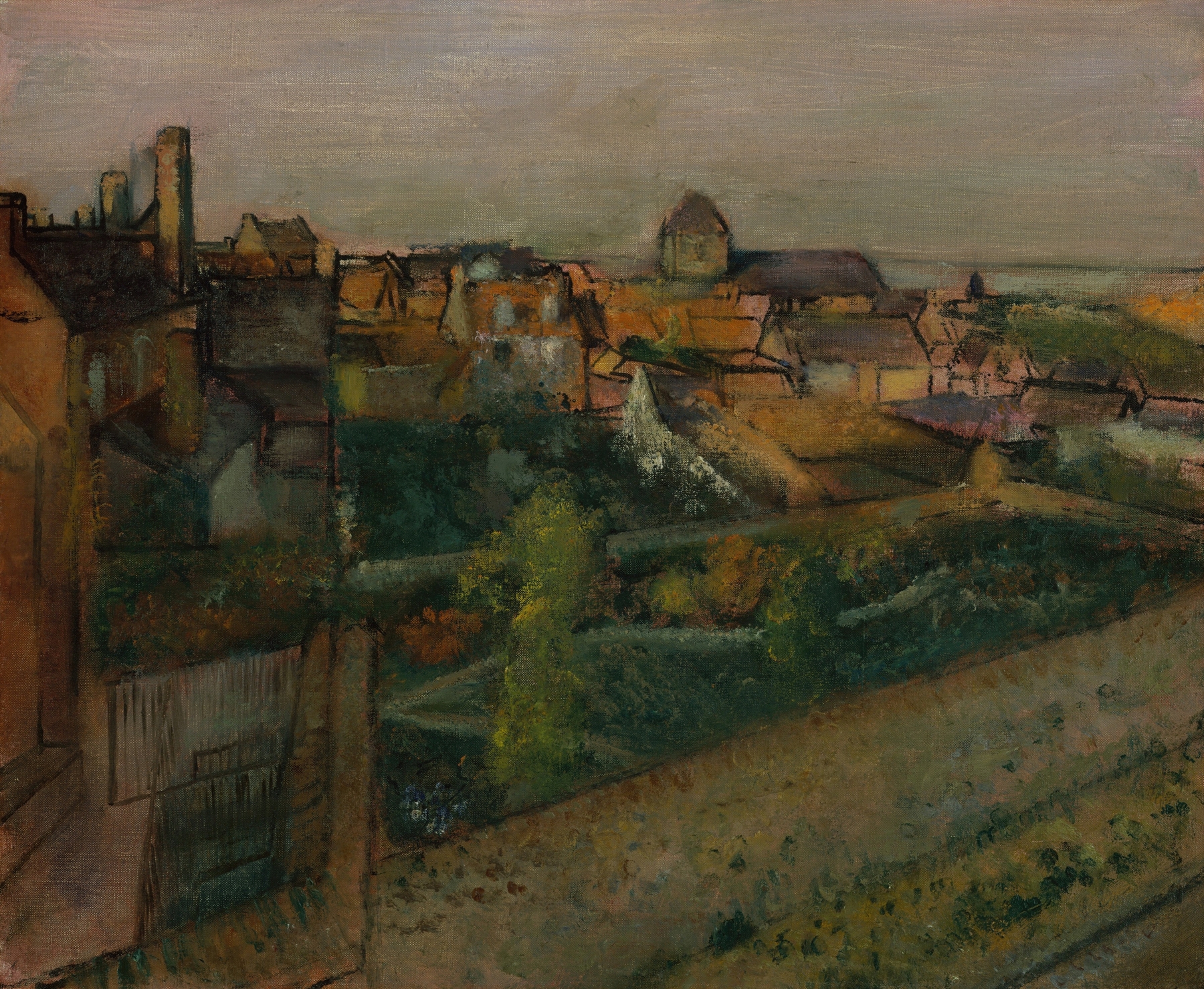
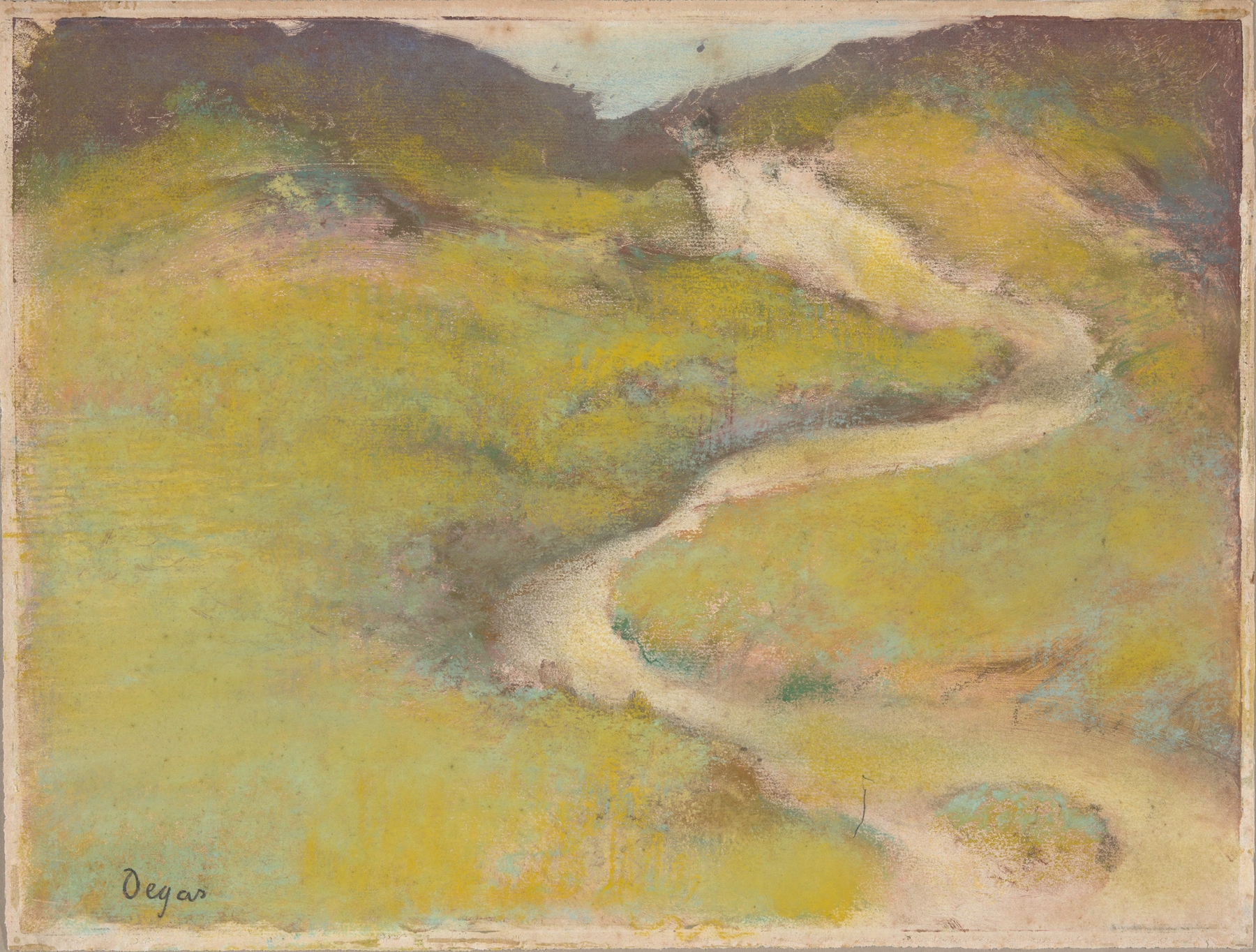
What lies beneath the surface of this tranquil tableau is a profound meditation on time—the fleeting beauty of life and the inevitability of endings. The artist created this piece during a period when he was exploring different themes in landscape painting, focusing on the transient effects of light and atmosphere. Working in the late 19th century, he was surrounded by the rise of Impressionism, a movement that sought to capture the immediacy of experience. This artwork signifies a pivotal moment in Degas’s career, as he navigated his personal artistic evolution amidst a rapidly changing artistic landscape.