Lille PdBA Ribot St vincent — History & Facts
A single, unflinching shaft of light falls across the body of a man sprawled on the earth, his flesh rendered with a frankness that borders on brutal. Darkness presses in from every side, swallowing the background and leaving only the stark drama of the foreground: a heavy, muscular figure, limp and exposed, his only covering a rough cloth. Above him, a black bird—its wings outstretched—hovers with ominous intent, its form more shadow than substance, yet unmistakably present.
The artist’s brushwork lingers on the textures of skin and fabric, but it is the silence of the scene, the absence of movement save for the bird, that holds the viewer in uneasy suspense. The composition leads the eye from the pale arc of the man’s body to the dark void behind him, suggesting a story of suffering and endurance rather than simple death. Painted in 1867, this work by Augustin Théodule Ribot belongs to a moment in French art when realism was pushing against the boundaries of academic tradition. Ribot, known for his somber palette and unvarnished approach to the human form, here channels the spirit of Caravaggio—whose influence can be seen in the dramatic chiaroscuro and the almost sculptural treatment of flesh.
Such images were rarely mere exercises in anatomy; they spoke to contemporary anxieties about faith, martyrdom, and the body’s fate. In the mid-19th century, artists like Ribot found patrons among a new bourgeoisie eager for images that combined moral gravity with technical bravura. History has kept few traces of this particular painting’s early journey, but its presence in a modern collection invites us to look again at how darkness and light can turn a single moment into a meditation on mortality.
More Artworks by Augustin Théodule Ribot

The Scullion
Augustin Théodule Ribot

The Artist's Daughter
Augustin Théodule Ribot
The oyster and the Litigant's
Augustin Théodule Ribot

The philosophers
Augustin Théodule Ribot

Singers
Augustin Théodule Ribot

Oyster and timbale
Augustin Théodule Ribot
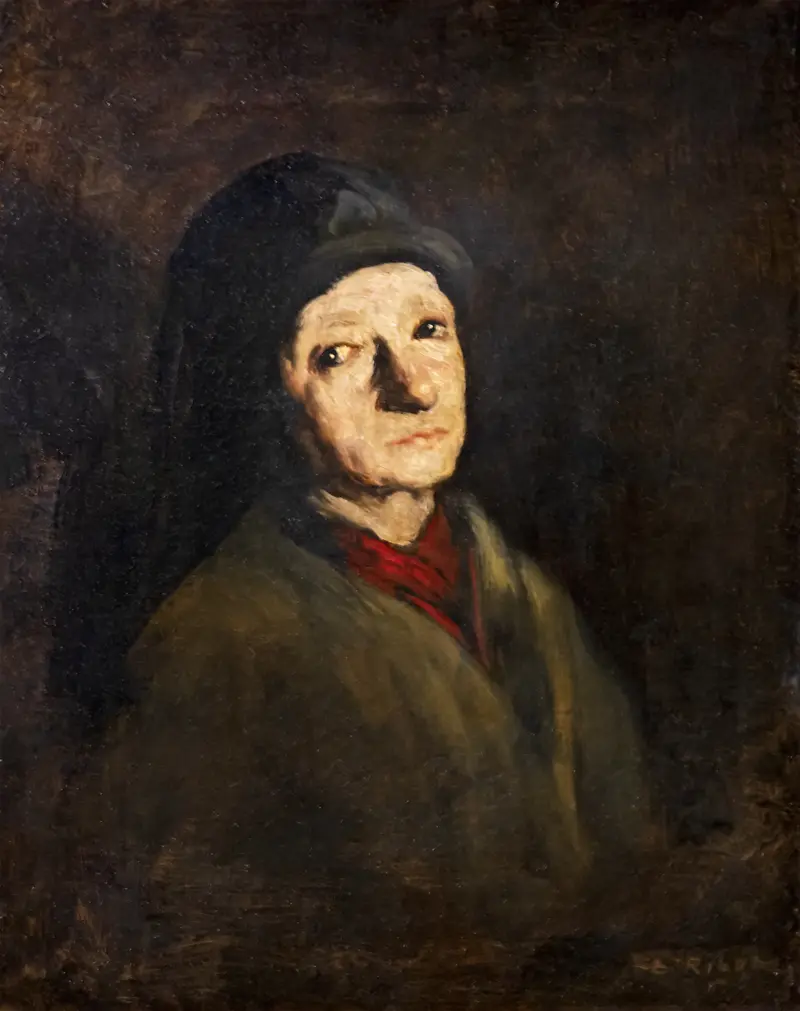
Portrait of the artist's mother
Augustin Théodule Ribot

Three old jews
Augustin Théodule Ribot

' Landscape ', known as ' La Maison de Corot in Ville-d'Avray '
Augustin Théodule Ribot
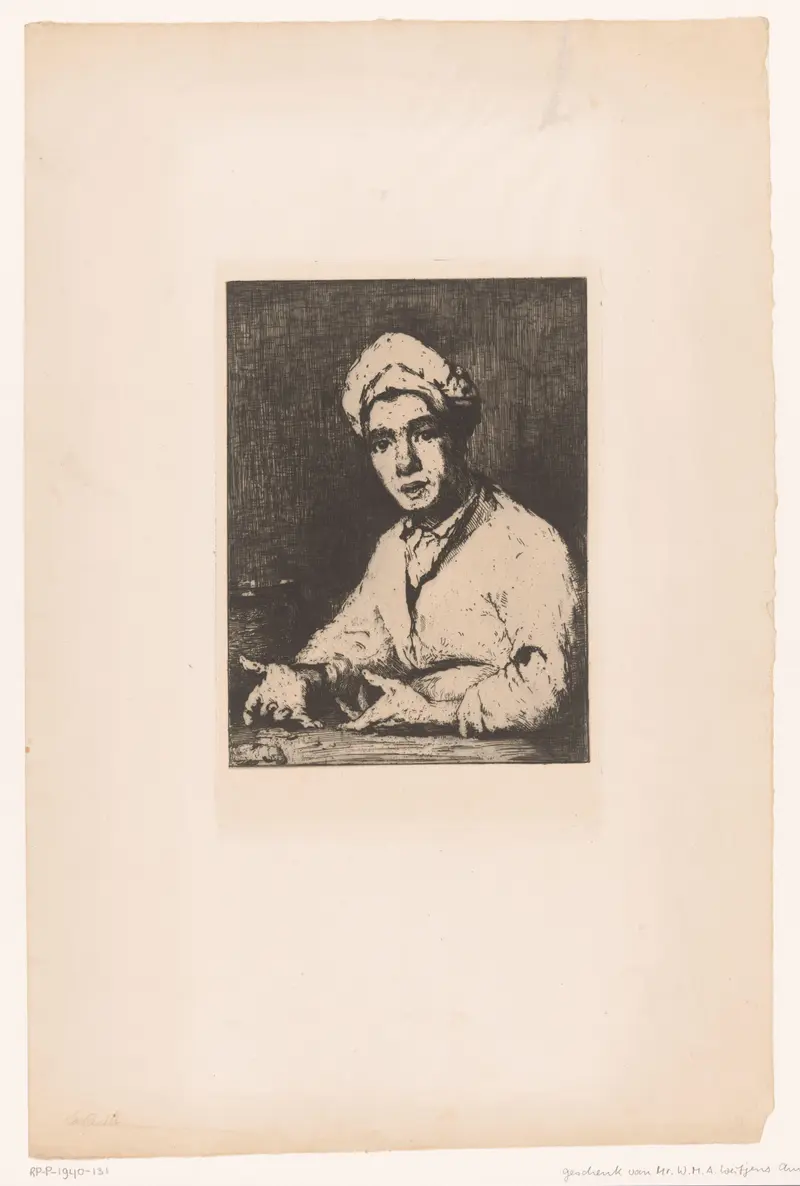
La recette du cuisinier
Augustin Théodule Ribot