
Limehouse — History & Facts
This reflection captures the essence of nostalgia, where memories linger like a whispered secret in the stillness of the past. First, your gaze should gravitate towards the subtle blues and greys that dominate the canvas, evoking a sense of calm yet melancholic stillness. Look closely at the flowing water in the foreground; the strokes are soft and fluid, inviting you into the tranquil embrace of the scene. Notice how the light dances off the surface, illuminating the reflections of the buildings, which stand like solemn witnesses to the passage of time.
The delicate interplay of color and shadow reveals both depth and an underlying evocation of longing. As you delve deeper, the contrasts become apparent—between the lively hues of the houseboats and the muted tones of the sky. This dissonance speaks to the tension of urban life against the backdrop of nature, suggesting an interplay of existence that is both enchanting and transient. The figures, although small and somewhat indistinct, capture the essence of human lives immersed in their own narratives, yet overshadowed by the grandeur of the landscape.
Each brushstroke whispers stories of a forgotten time, weaving nostalgia into the very fabric of the artwork. During the late 1850s, the artist found himself navigating the complexities of the art world while living in London. Limehouse was created amidst a period of artistic exploration and open dialogue about color and form, influenced by his experiences in Europe. This work reflects not only Whistler’s evolving style but also the sociocultural milieu of the time, capturing the essence of a city on the brink of transformation.
More Artworks by James Abbott McNeill Whistler
Browse all →
Nocturne in Blue and Silver
James Abbott McNeill Whistler
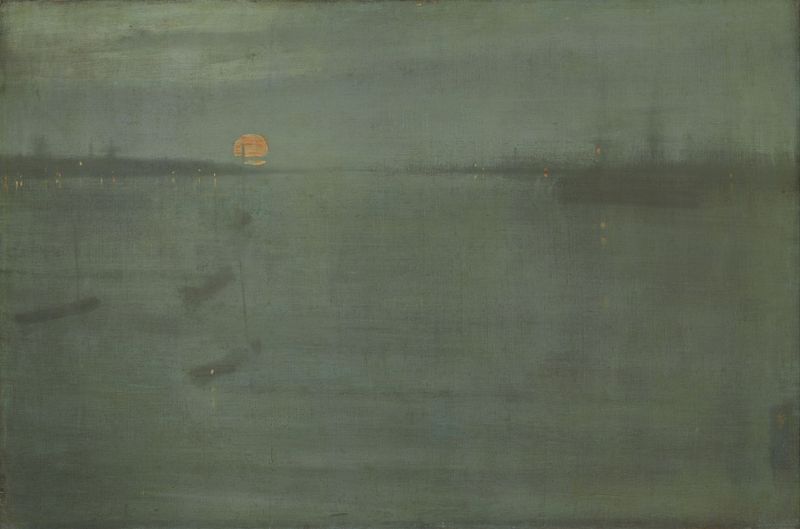
Nocturne: Blue and Gold–Southampton Water
James Abbott McNeill Whistler
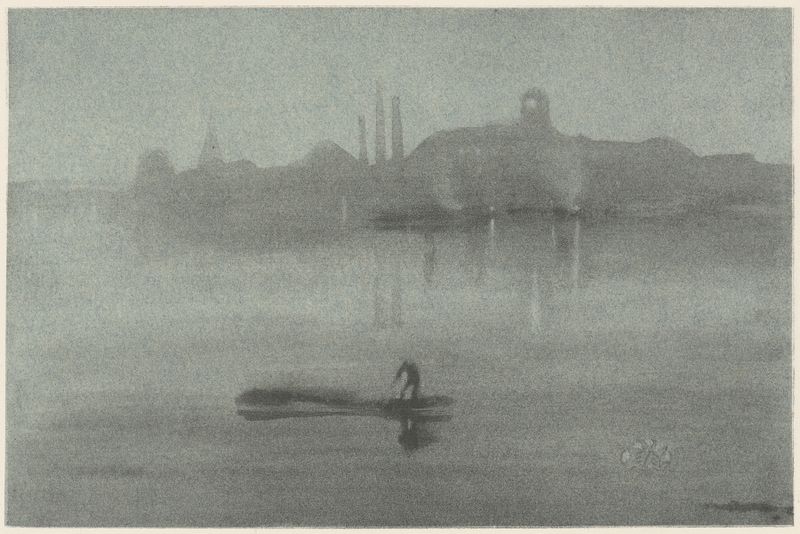
Nocturne
James Abbott McNeill Whistler
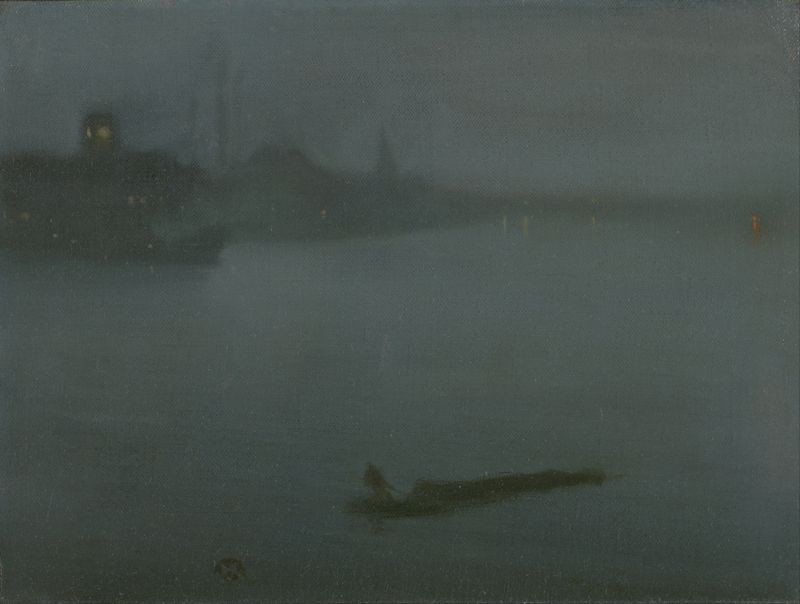
Nocturne in Blue and Silver
James Abbott McNeill Whistler
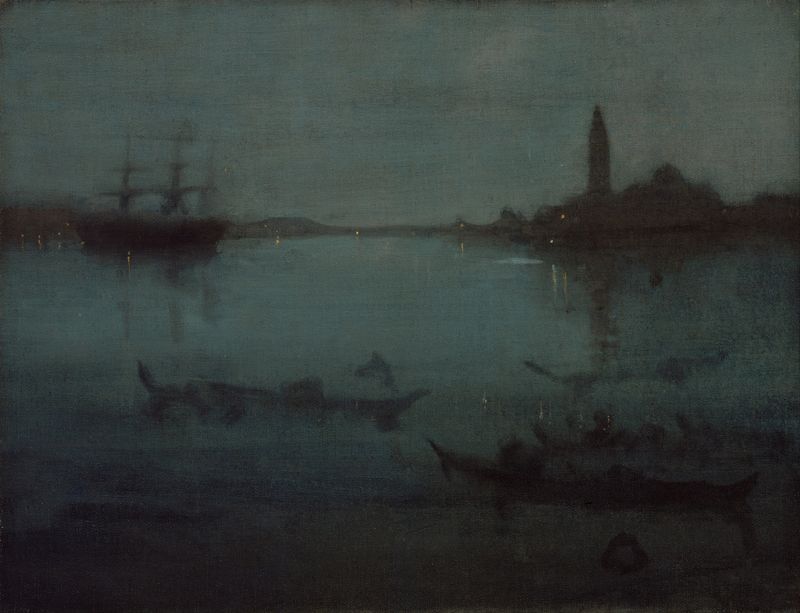
Nocturne in Blue and Silver- The Lagoon, Venice
James Abbott McNeill Whistler
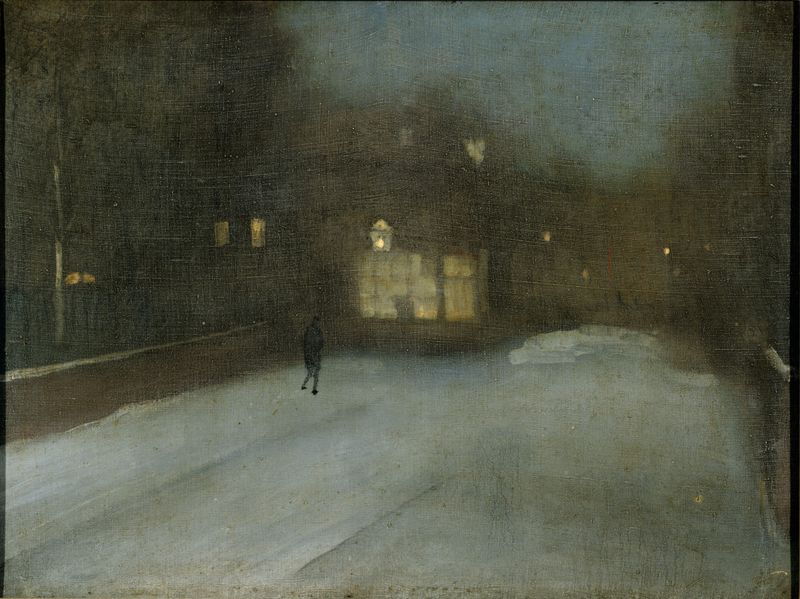
Nocturne in Grey and Gold: Chelsea Snow
James Abbott McNeill Whistler
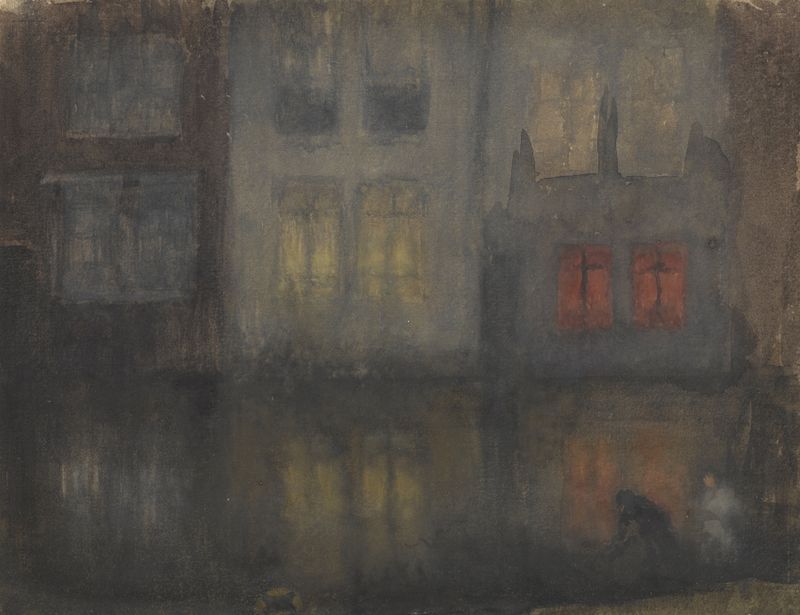
Nocturne: Black and Red—Back Canal, Holland
James Abbott McNeill Whistler
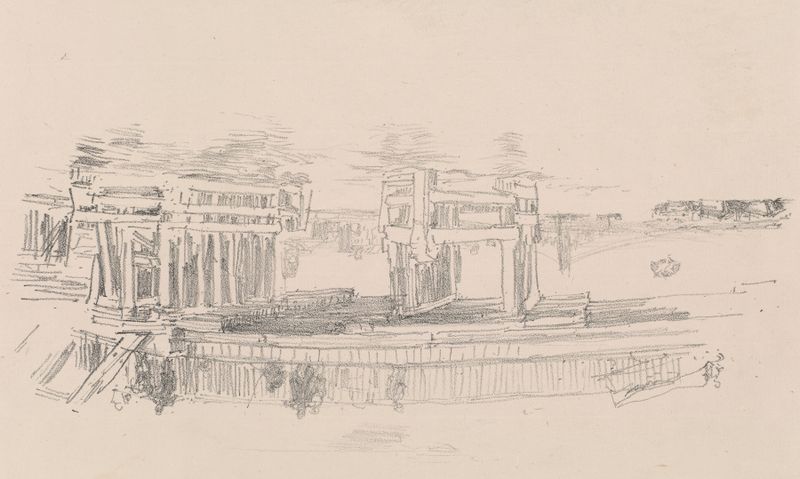
Old Battersea Bridge
James Abbott McNeill Whistler

Nocturne: Blue and Silver–Battersea Reach
James Abbott McNeill Whistler
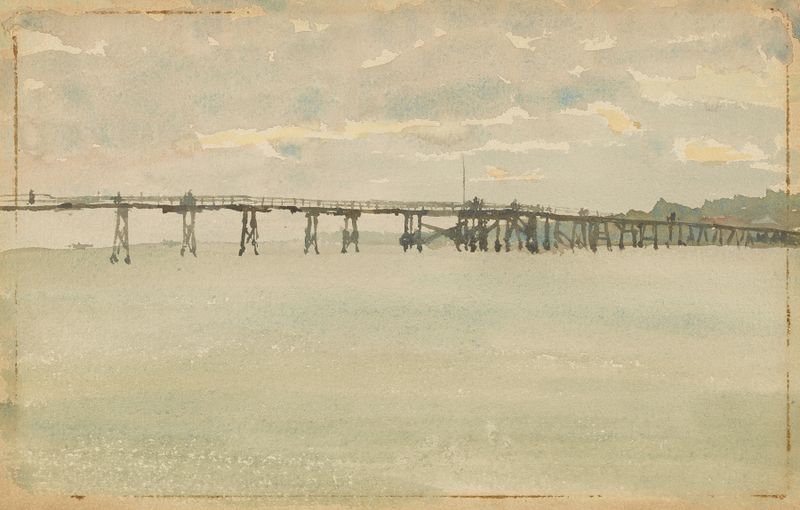
Grey and Silver–Pier, Southend
James Abbott McNeill Whistler





