
Limehouse — History & Facts
Can paint confess what words never could? In Limehouse, Whistler immerses us in an intimate reflection of obsession, capturing an atmosphere that resonates with both beauty and unease. Look to the left at the hazy silhouettes of buildings emerging from the mist, their forms rendered in muted blues and greys. The delicate brushstrokes lead your gaze toward the water, where the shimmering surface mirrors the sky's soft palette, creating an ethereal connection between land and sea. Notice how the darkened lines of the structures contrast with the luminescent quality of the water, suggesting a hidden depth beneath the calm exterior. The interplay of light and shadow serves as a metaphor for tension and desire; the prominent, looming architecture hints at the claustrophobic embrace of urban life, while the tranquil water offers a fleeting escape.
Herein lies the artist's obsession with the bridge between chaos and serenity, the familiar and the foreign. The figures standing in the distance, mere shadows, evoke feelings of isolation, amplifying the painting's emotional weight. In 1878, Whistler painted Limehouse during a time when he was deeply engaged with the aestheticism movement, emphasizing the beauty of everyday subjects. Living in London, he was influenced by the surrounding industrial landscape, which contrasted sharply with his artistic ideals.
This period was marked by Whistler's exploration of color harmony and composition, laying groundwork for his revolutionary approach to art that would continue to influence generations.
More Artworks by James Abbott McNeill Whistler
Browse all →
Nocturne in Blue and Silver
James Abbott McNeill Whistler
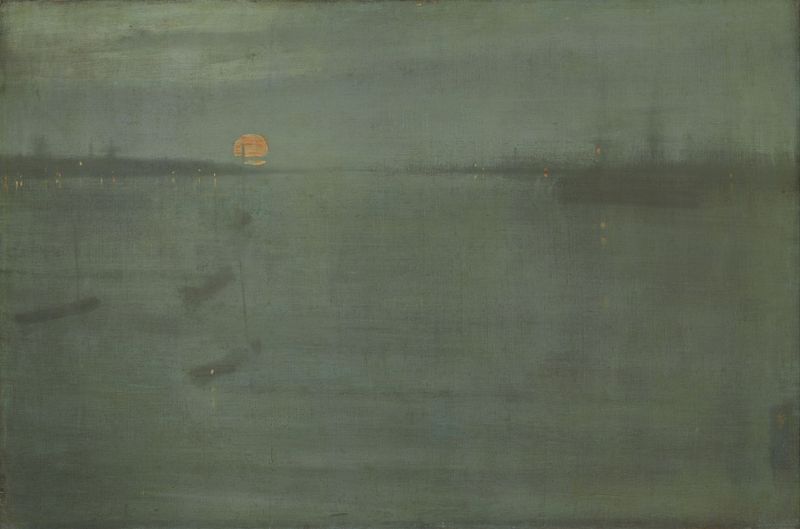
Nocturne: Blue and Gold–Southampton Water
James Abbott McNeill Whistler
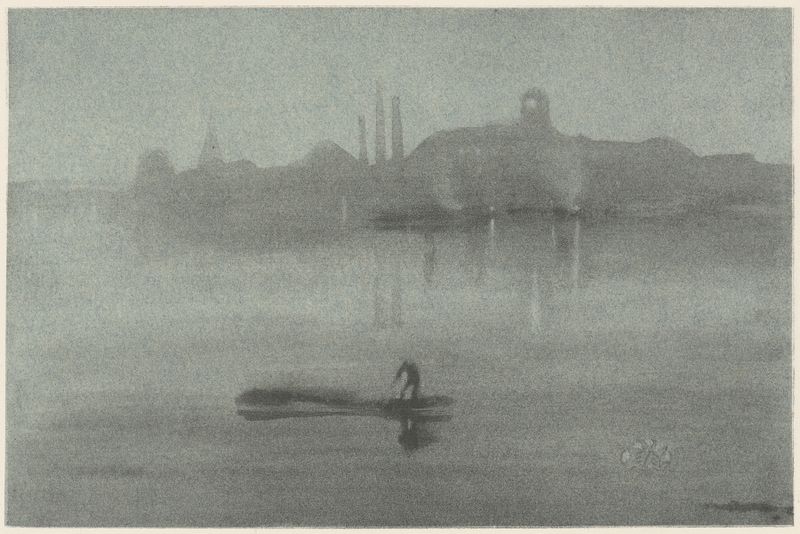
Nocturne
James Abbott McNeill Whistler
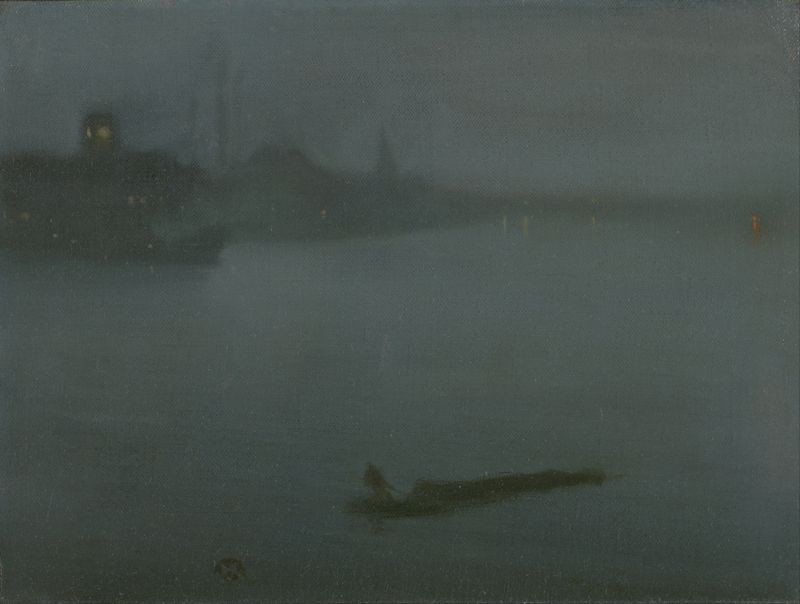
Nocturne in Blue and Silver
James Abbott McNeill Whistler
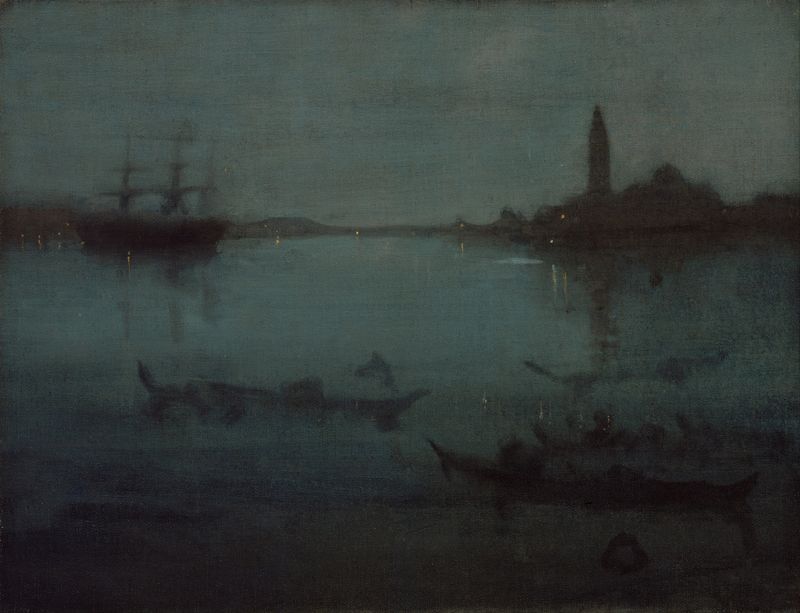
Nocturne in Blue and Silver- The Lagoon, Venice
James Abbott McNeill Whistler
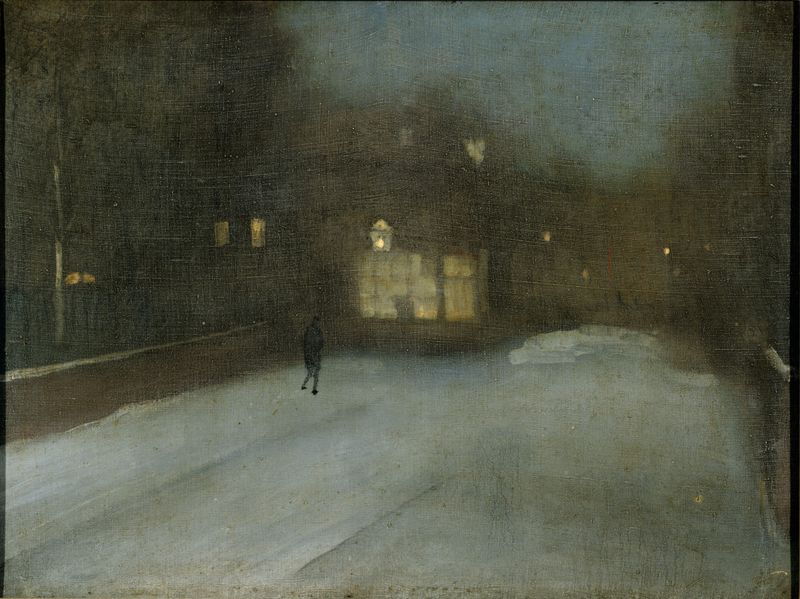
Nocturne in Grey and Gold: Chelsea Snow
James Abbott McNeill Whistler
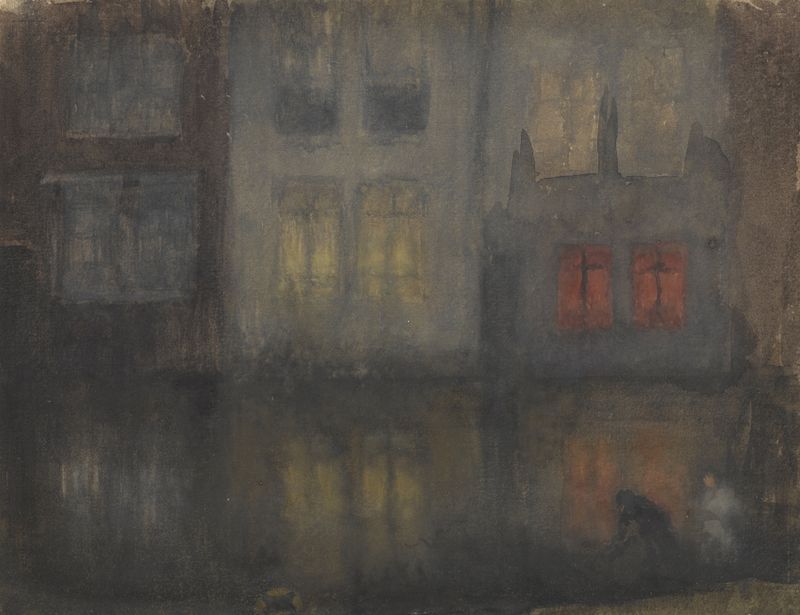
Nocturne: Black and Red—Back Canal, Holland
James Abbott McNeill Whistler
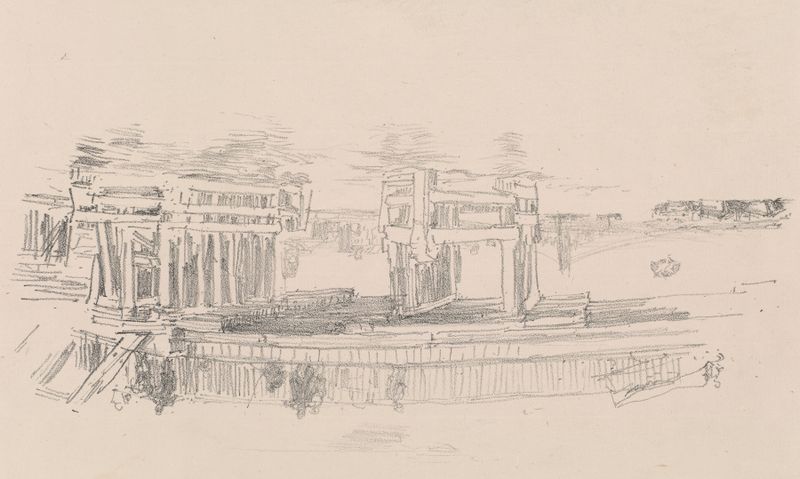
Old Battersea Bridge
James Abbott McNeill Whistler

Nocturne: Blue and Silver–Battersea Reach
James Abbott McNeill Whistler
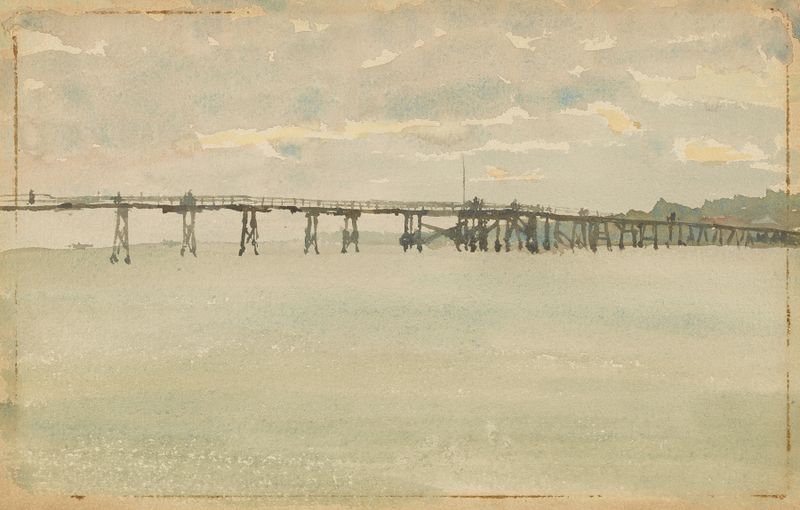
Grey and Silver–Pier, Southend
James Abbott McNeill Whistler




