
L’Incendie de Louvain — History & Facts
What secret hides in the quiet of the canvas? In the stillness of L’Incendie de Louvain, a profound ecstasy arises amidst the chaos of destruction, offering a haunting reflection on the fragility of beauty. Look to the center of the painting, where flames dance against a darkening sky, curling and twisting in hues of orange and crimson. Notice how the light spills over the surrounding buildings, casting elongated shadows that seem to grasp at the remnants of what once stood. The artist’s deft use of broad, sweeping strokes contrasts with the delicate details of the architecture, creating a palpable tension between destruction and preservation. Beneath the surface, this artwork reveals complex emotions layered within the chaos.
The violent flames evoke both horror and a strange allure, a visual representation of human conflict and passion. The stark contrast between light and shadow suggests not only loss but also the transient beauty that arises in moments of despair. Each flicker of fire illuminates the resilience of the human spirit, even as it confronts its own annihilation. Auguste Louis Lepère painted this piece in 1914, during a time marked by the onset of World War I and the upheaval of European society.
Living in Paris, he witnessed the devastating impacts of the war and the transformation of urban landscapes. This moment in history stirred profound reflections in Lepère, prompting him to capture the tension between destruction and beauty with poignant clarity in his work.
More Artworks by Auguste Louis Lepère
Browse all →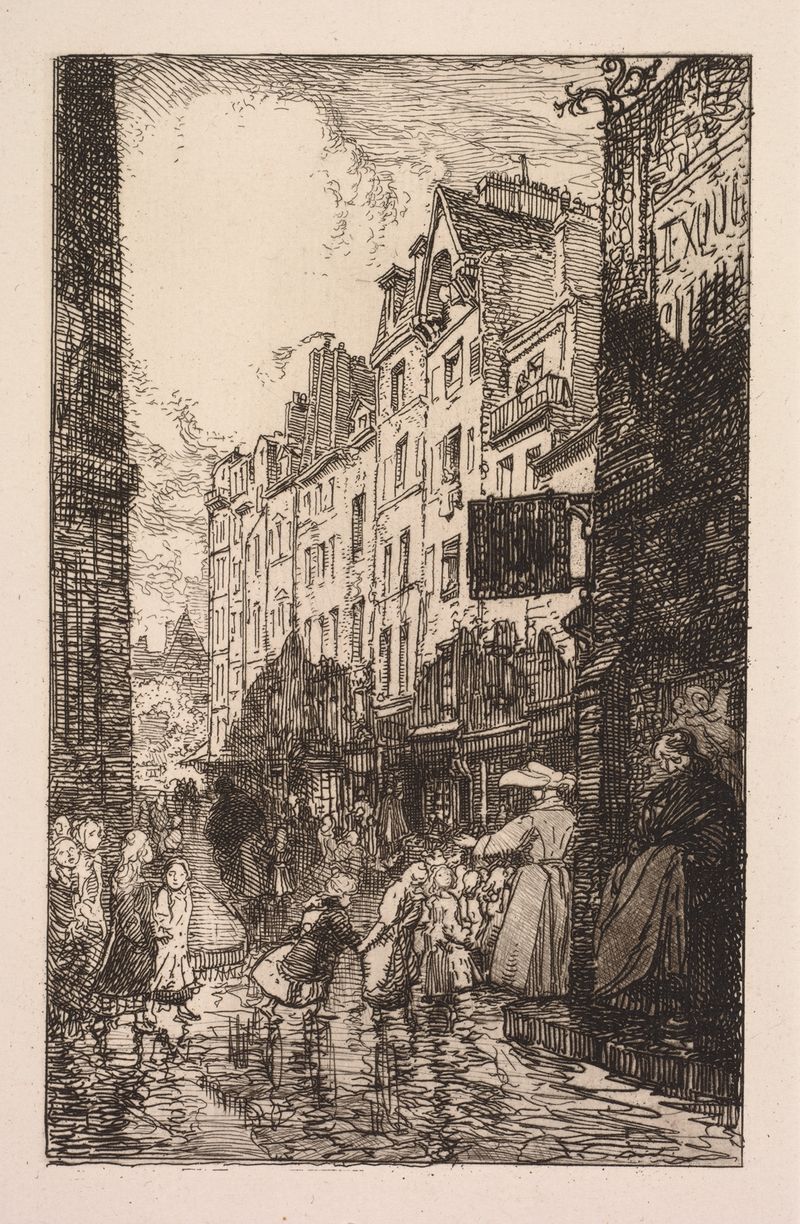
La Rue des Prêtres Saint-Séverin
Auguste Louis Lepère
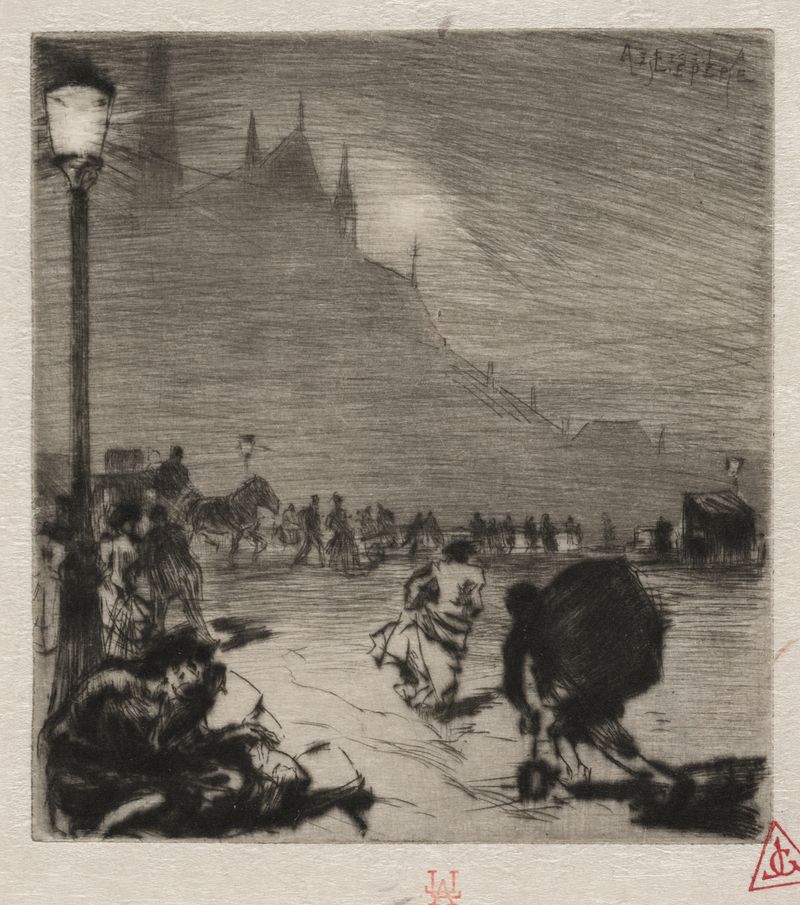
Au Coin du Pont-aux-Doubles
Auguste Louis Lepère
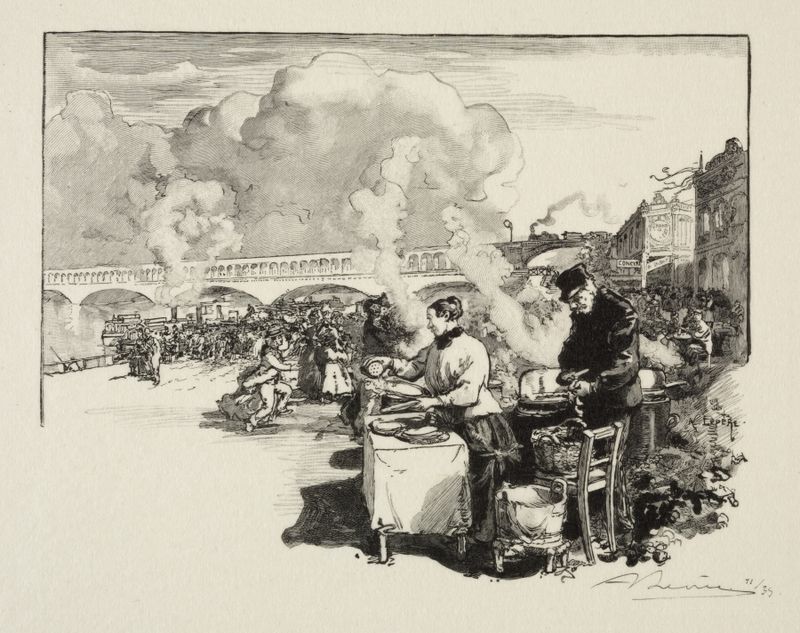
Debarcadère des bateaux-omnibus
Auguste Louis Lepère

La Seine, au quai de la Rapée
Auguste Louis Lepère
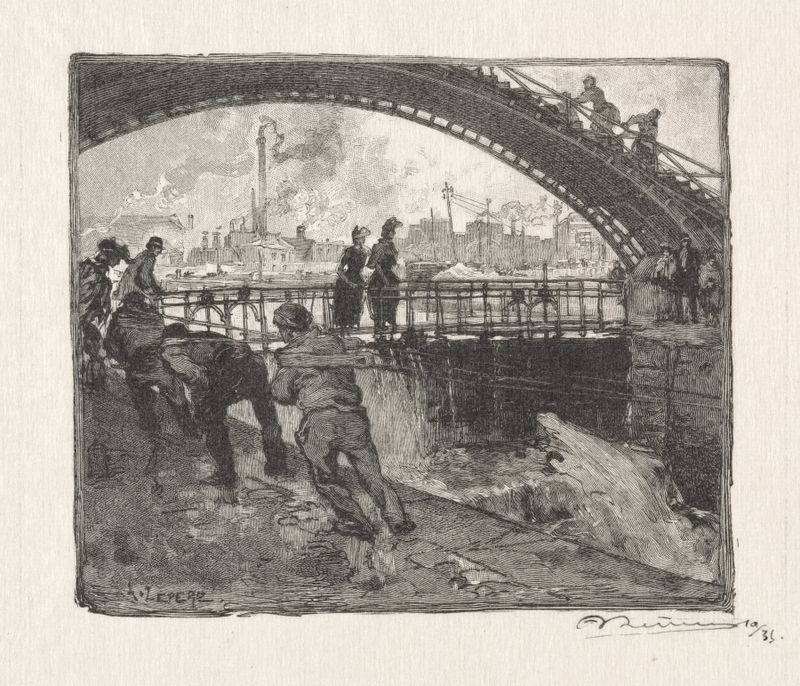
L’Ecluse du Canal St. Martin
Auguste Louis Lepère

Le Boulevard Montmartre, le Soir
Auguste Louis Lepère

Une Chasse au Mont Gérard
Auguste Louis Lepère
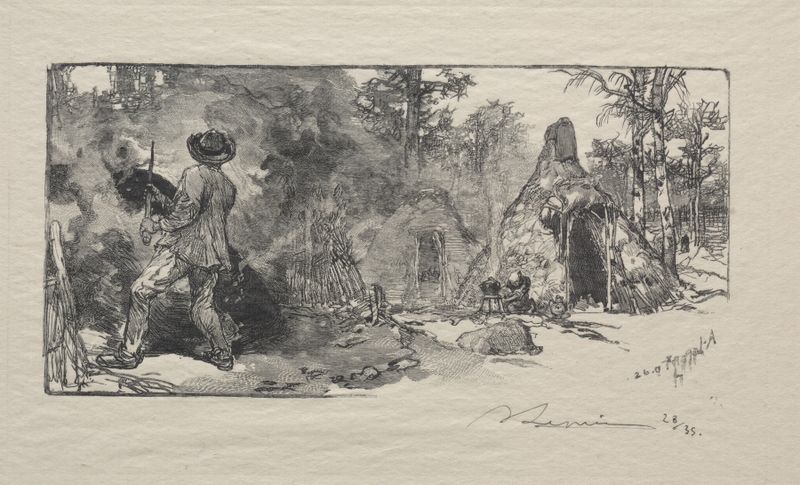
Les Charbonniere
Auguste Louis Lepère
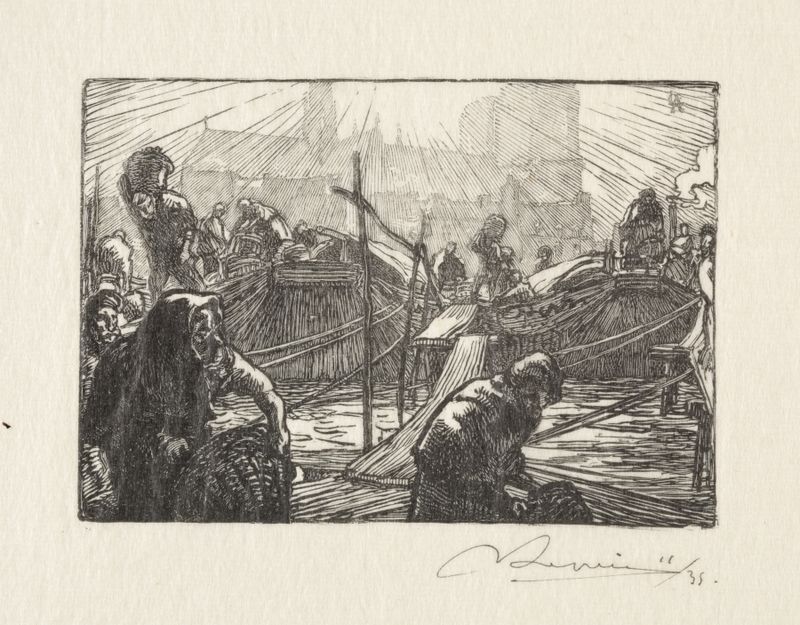
Notre Dame vue du Marché aux pommes
Auguste Louis Lepère

Le Palais des Arts Liberaux, Intèrieur
Auguste Louis Lepère
More Historical Art
Browse all →
The Night Watch Militia Company of District II under the Command of Captain Frans Banninck Cocq
Rembrandt van Rijn

Lincoln Memorial
Henry Bacon

The Third of May 1808
Francisco de Goya

Isaac and Rebecca, Known as ‘The Jewish Bride’
Rembrandt van Rijn

The Charge of the Mamelukes (1814)
Francisco de Goya

De vier ruiters van de apocalyps
Albrecht Dürer