
Lincoln’s Inn Gate — History & Facts
In the heart of chaos, stillness often whispers the loudest truths. Look closely at the intricate stone archway, framed by foliage that almost seems to breathe with life. Notice how the sunlight filters through the leaves, casting delicate patterns on the ground and revealing the edges of the arch. The contrasting shades of green and the weathered grays of the stone evoke a sense of timelessness, capturing the viewer in a moment suspended between the past and the present.
This interplay of light and shadow creates a dialogue that invites contemplation. Beneath the surface beauty lies an emotional tension. The archway stands as a portal not only to the outside world but also to the labyrinthine complexities of human experience. The dense trees surrounding it symbolize both protection and confinement, embodying the chaos of life that lies just beyond the threshold.
Each stone, weathered by time, holds countless stories of those who have passed beneath it—echoes of whispers mingling with the rustling leaves. During the years between 1794 and 1800, the artist melded his fascination with architecture and nature while capturing scenes from London, where he lived. This period was marked by shifts in artistic styles as Romanticism began to take root, encouraging an emphasis on emotion and individual experience. The artist's interpretation of such a monumental structure reflects not only his personal journey through the complexities of life but also the broader narrative of a city in transition.
More Artworks by Samuel Ireland
Browse all →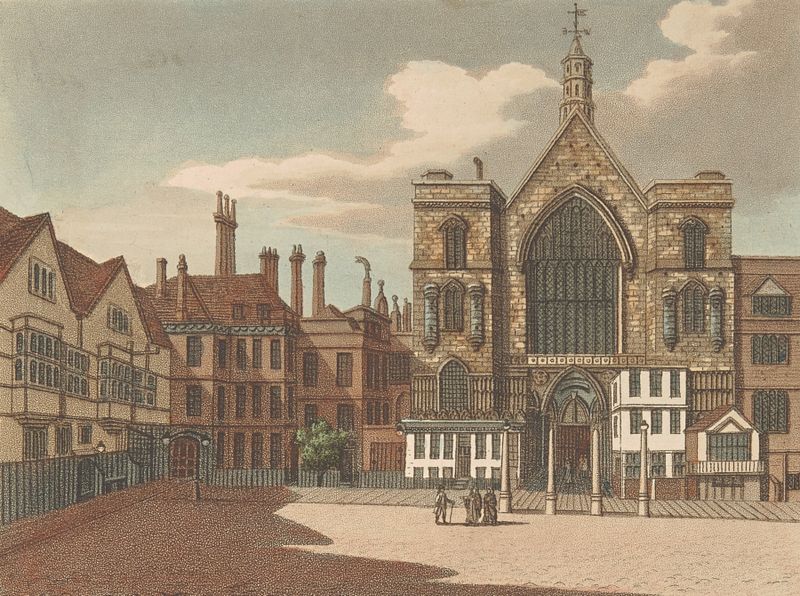
Westminster Hall
Samuel Ireland

Southwest View of Middle Temple
Samuel Ireland
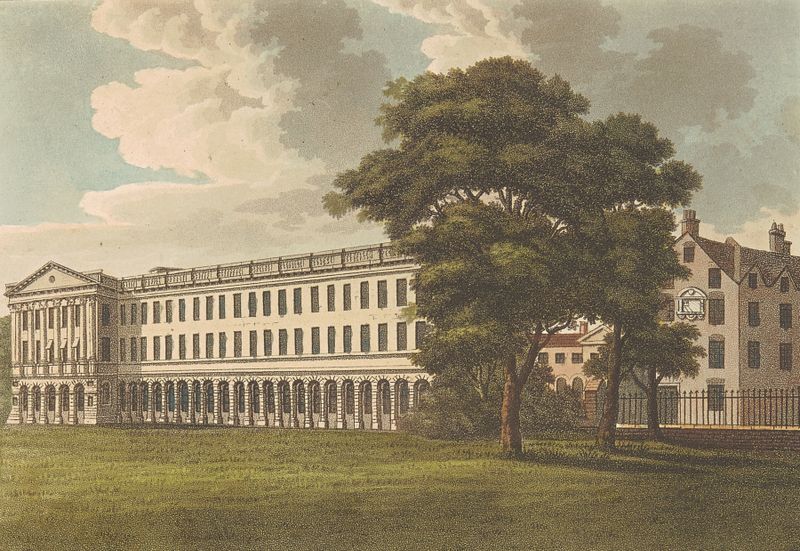
Stone Buildings, Lincoln’s Inn
Samuel Ireland
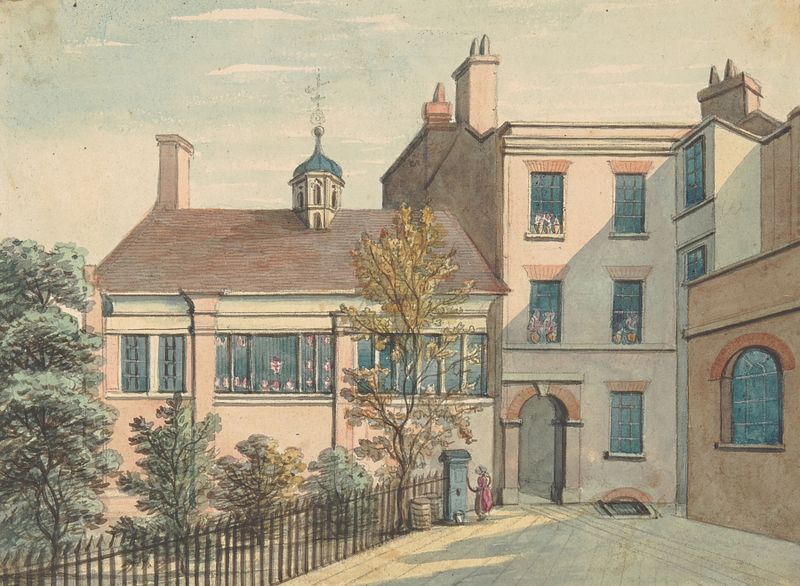
Barnard’s Inn
Samuel Ireland

Lincoln’s Inn Hall and Chapel
Samuel Ireland

Lion’s Inn
Samuel Ireland
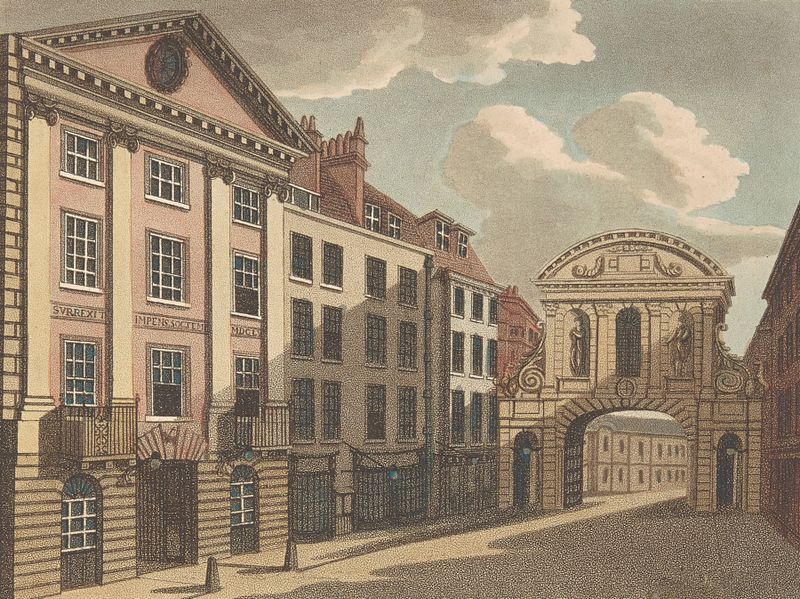
Middle Temple Gate
Samuel Ireland
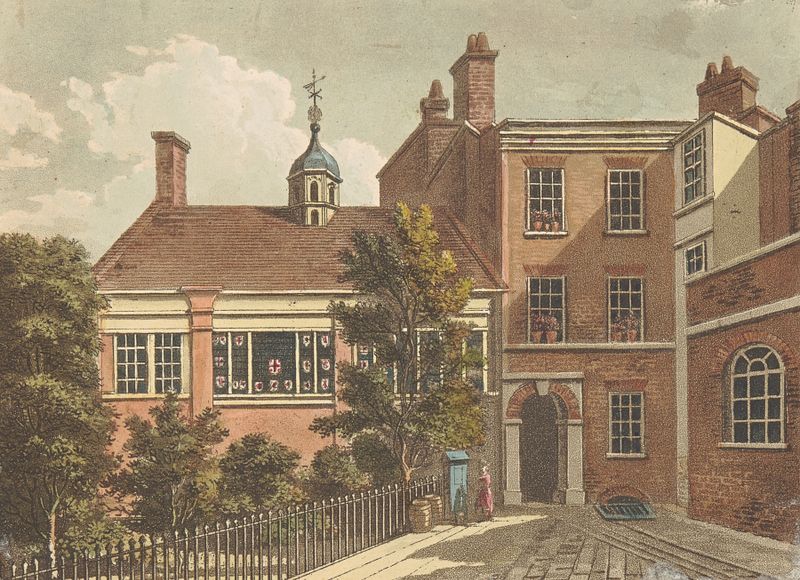
Barnard’s Inn
Samuel Ireland

Westminster Hall
Samuel Ireland
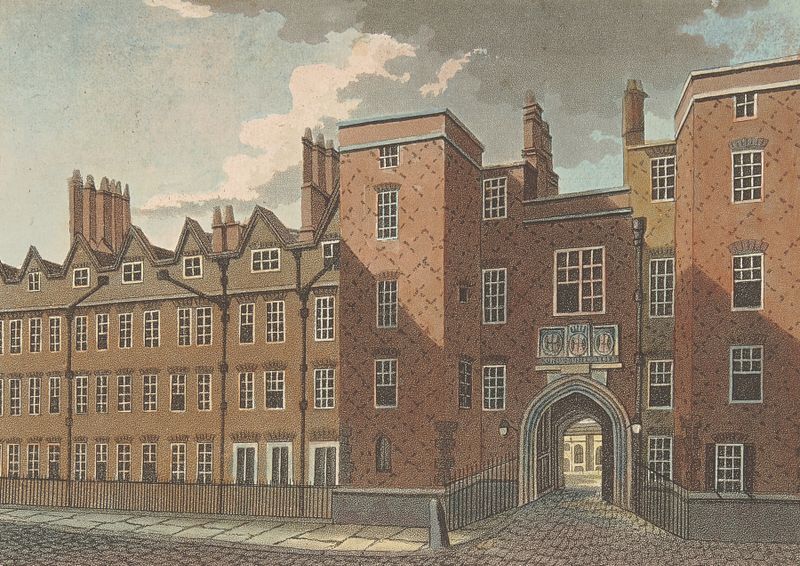
Lincoln’s Inn Gate
Samuel Ireland
More Architecture Art
Browse all →
The statue of Liberty
Frédéric Auguste Bartholdi

View of Houses in Delft, Known as ‘The Little Street’
Johannes Vermeer

View of Houses in Delft, Known as ‘The Little Street’
Johannes Vermeer

The Cathedral in Rouen. The portal, Grey Weather
Claude Monet

The yellow house
Vincent van Gogh

The Church in Auvers-sur-Oise, View from the Chevet
Vincent van Gogh