
Lippen van Jesaja met gloeiende kool gereinigd — History & Facts
Could a single brushstroke hold eternity? In Lippen van Jesaja met gloeiende kool gereinigd, the raw power of faith and redemption unfolds through the delicate interplay of color and form. Look to the center of the canvas, where a fiery coal hovers against a backdrop of muted tones. The vibrant red contrasts sharply with the cool blues and greys, drawing the eye to the transformative moment it represents. Notice how Holbein's meticulous technique captures the texture of the coal, reflecting a flicker of light that seems to pulse with life, illuminating the solemn visage of Isaiah.
The expressive brushwork creates a palpable tension, inviting contemplation of the spiritual cleansing depicted. As the eye wanders, deeper meanings emerge from the rich symbolism. The glow of the coal represents divine purification, while Isaiah’s contemplative expression suggests both awe and trepidation. The contrast between the warmth of the coal and the coolness of the surrounding colors reveals the complex nature of redemption—pain and salvation intertwined.
This moment is not merely an illustration; it is a meditation on the weight of prophetic duty and the transformative power of divine grace. Hans Holbein created this powerful work in 1538, during a period marked by intense religious turbulence in Europe. Emerging from the vibrant artistic milieu of the Northern Renaissance, he sought to bridge the gap between human experience and spiritual insight. As an artist who navigated the changing tides of faith, Holbein’s portrayal of Isaiah encapsulates the profound intellectual and emotional challenges of his time.
More Artworks by Hans Holbein (II)
Browse all →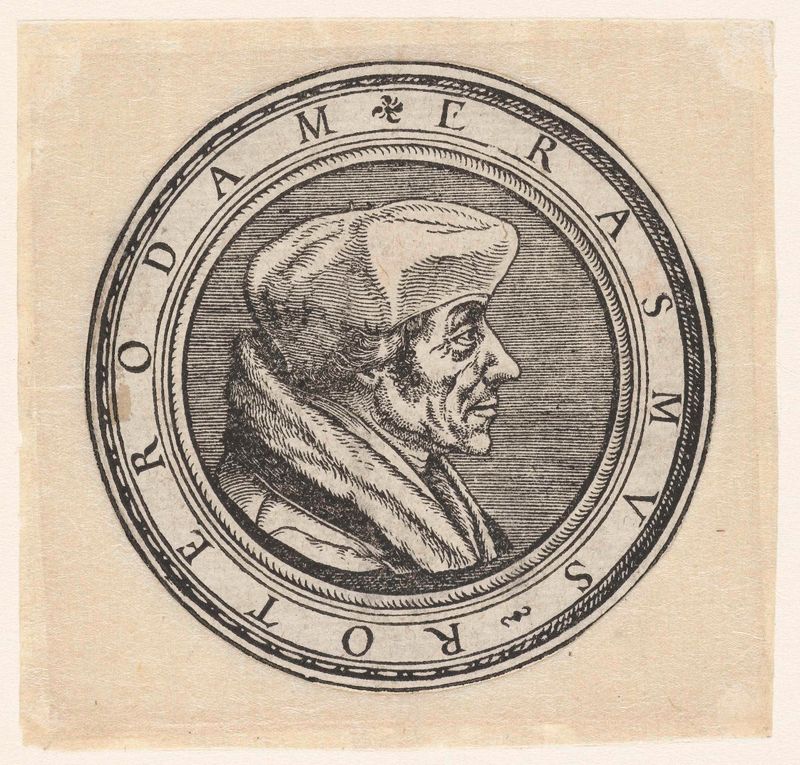
Portret van Erasmus
Hans Holbein (II)
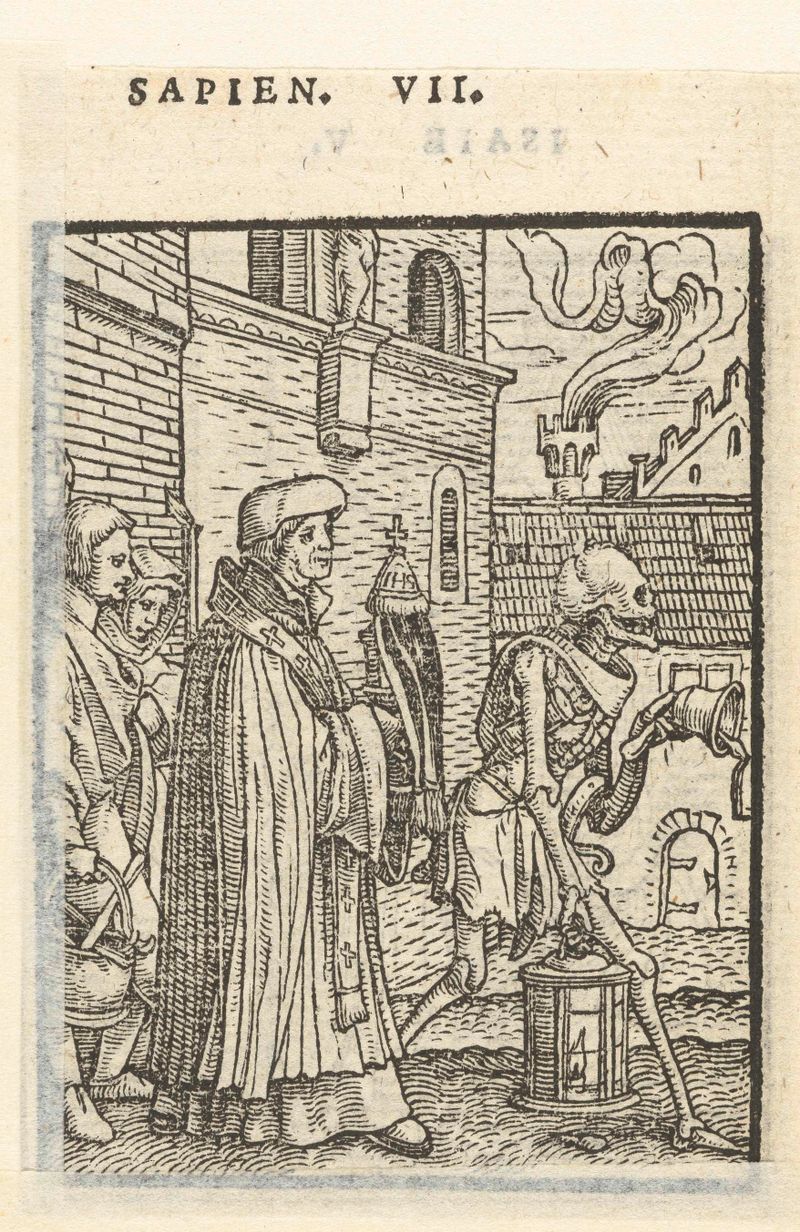
Priester en de Dood
Hans Holbein (II)
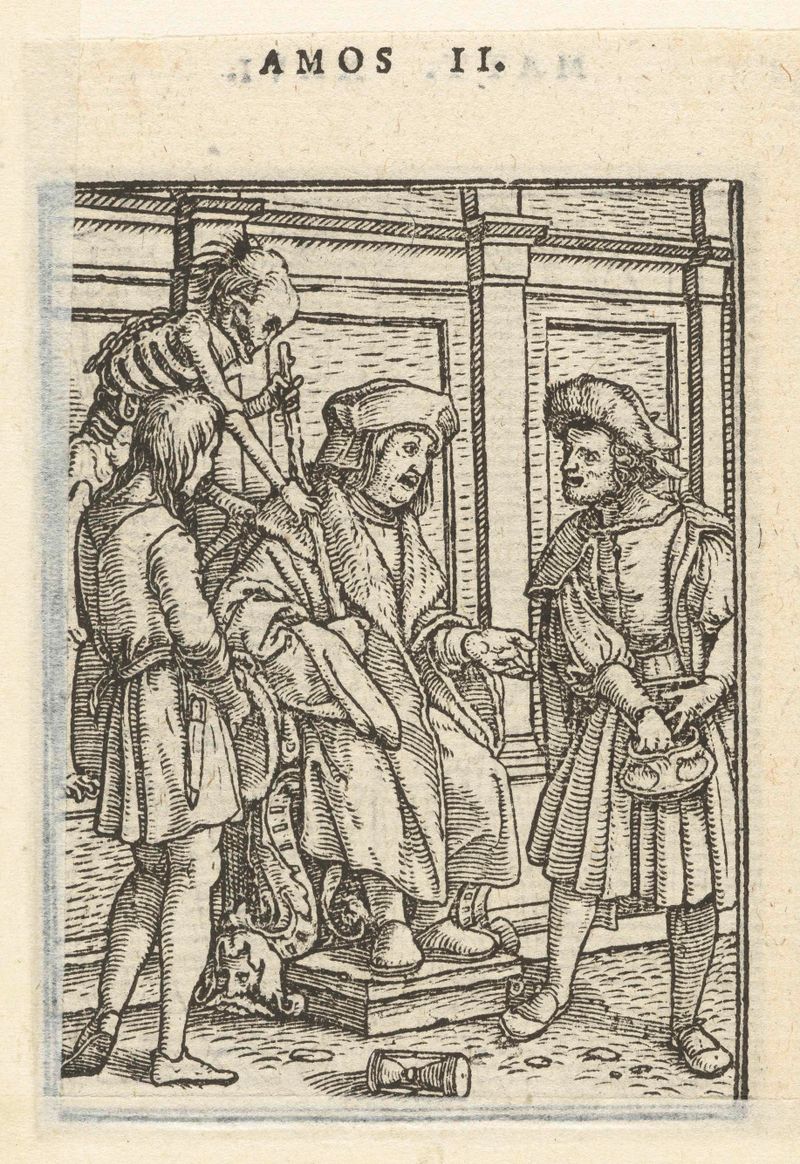
Rechter en de Dood
Hans Holbein (II)
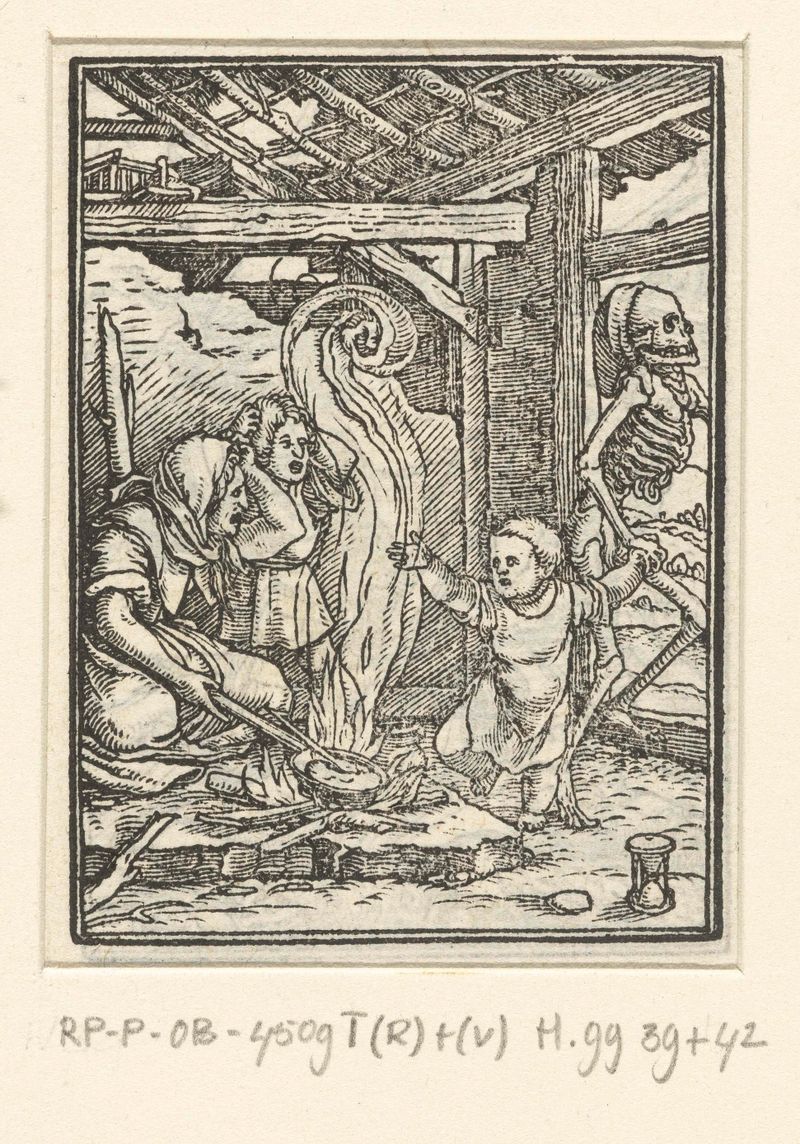
Kind en de Dood
Hans Holbein (II)
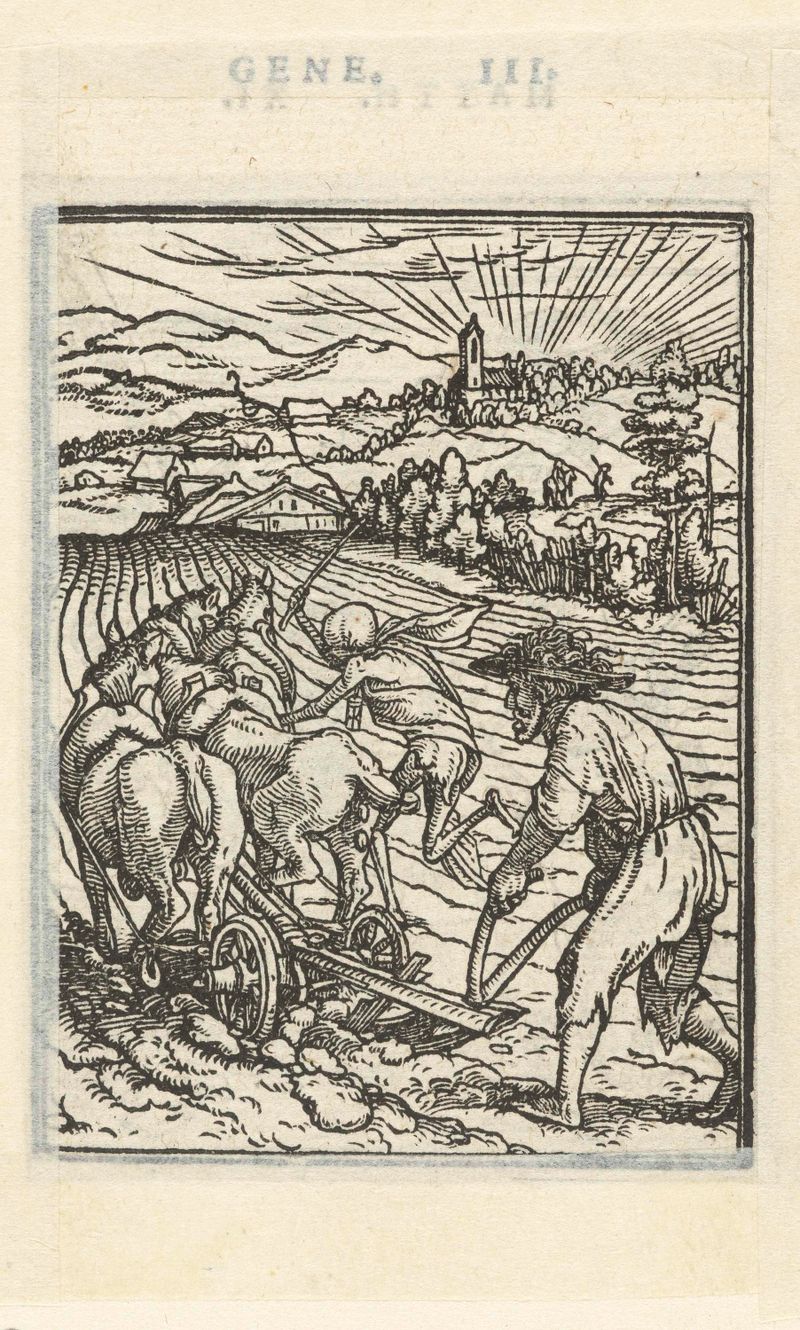
Boer en de Dood
Hans Holbein (II)
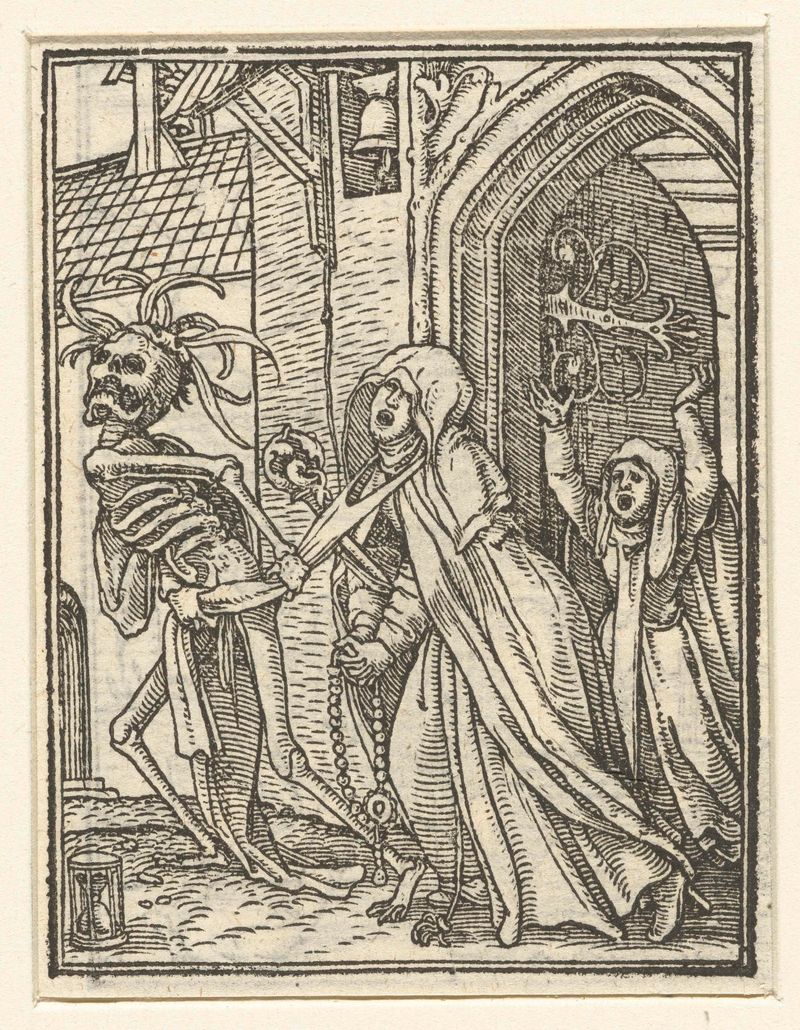
Abdis en de Dood
Hans Holbein (II)
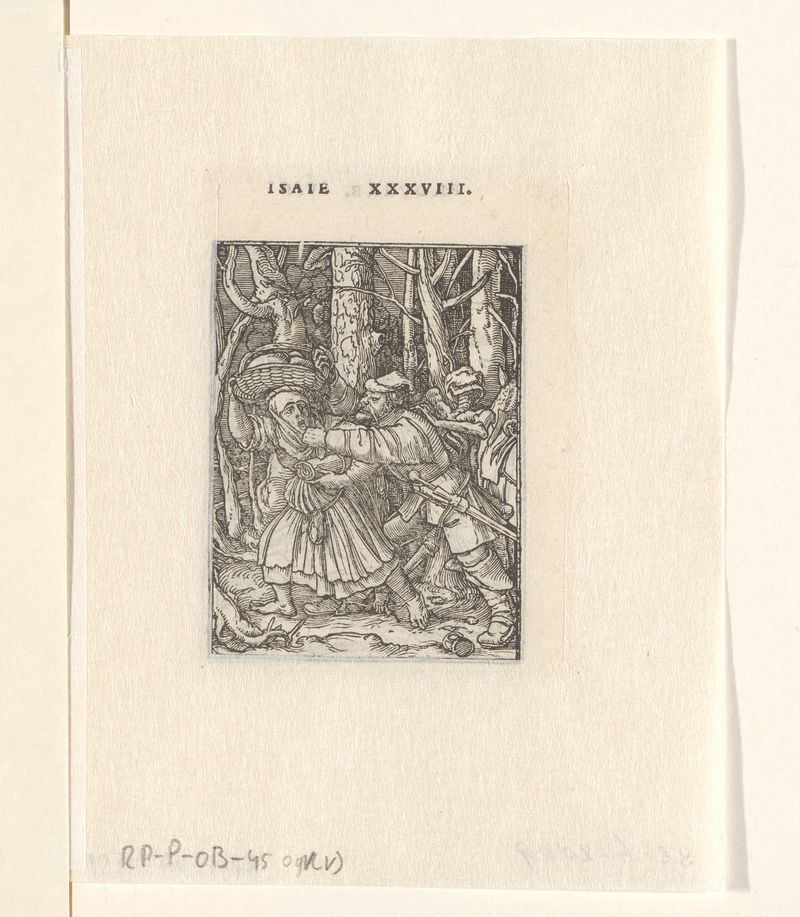
Dief en de Dood
Hans Holbein (II)
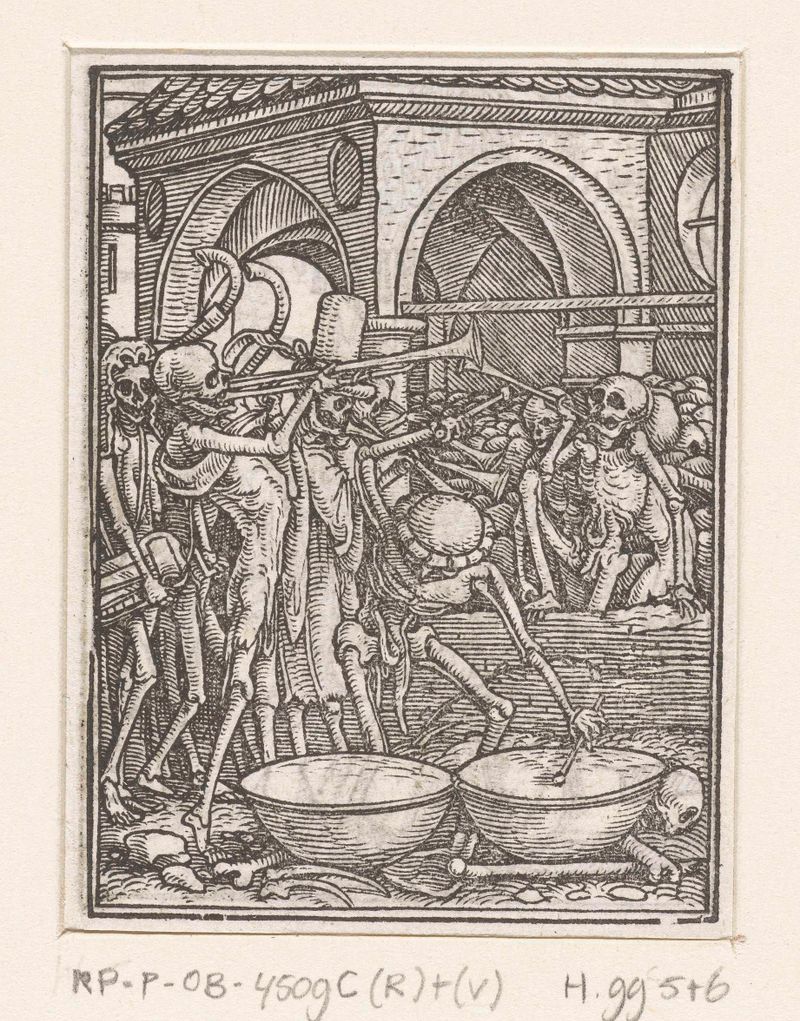
Skeletons Making Music from Dance of the Dead
Hans Holbein (II)
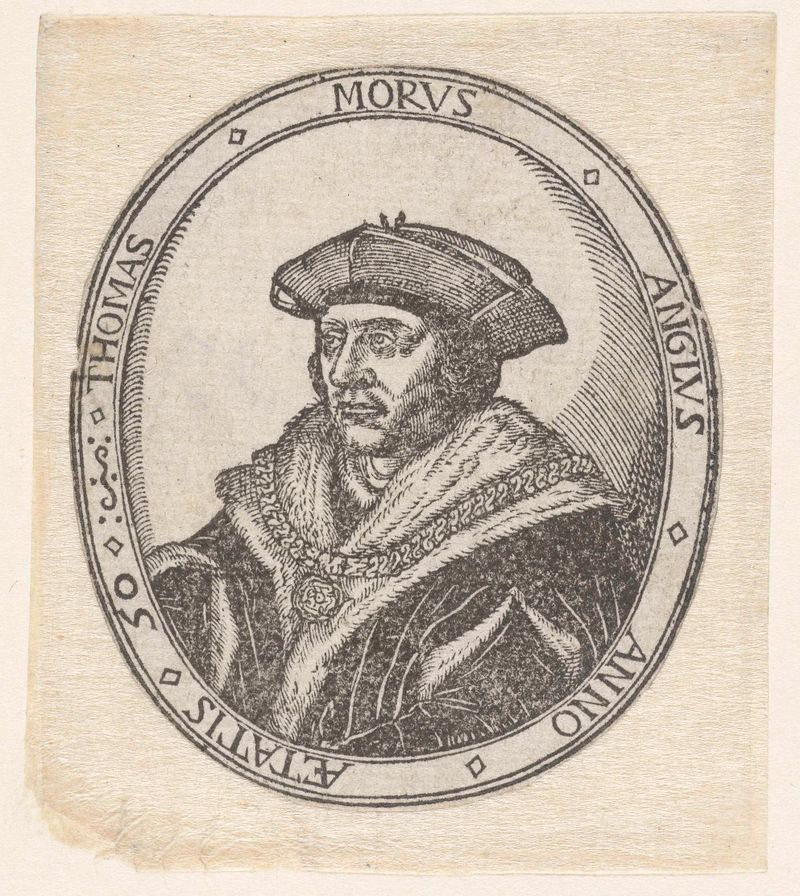
Portret van Thomas More
Hans Holbein (II)
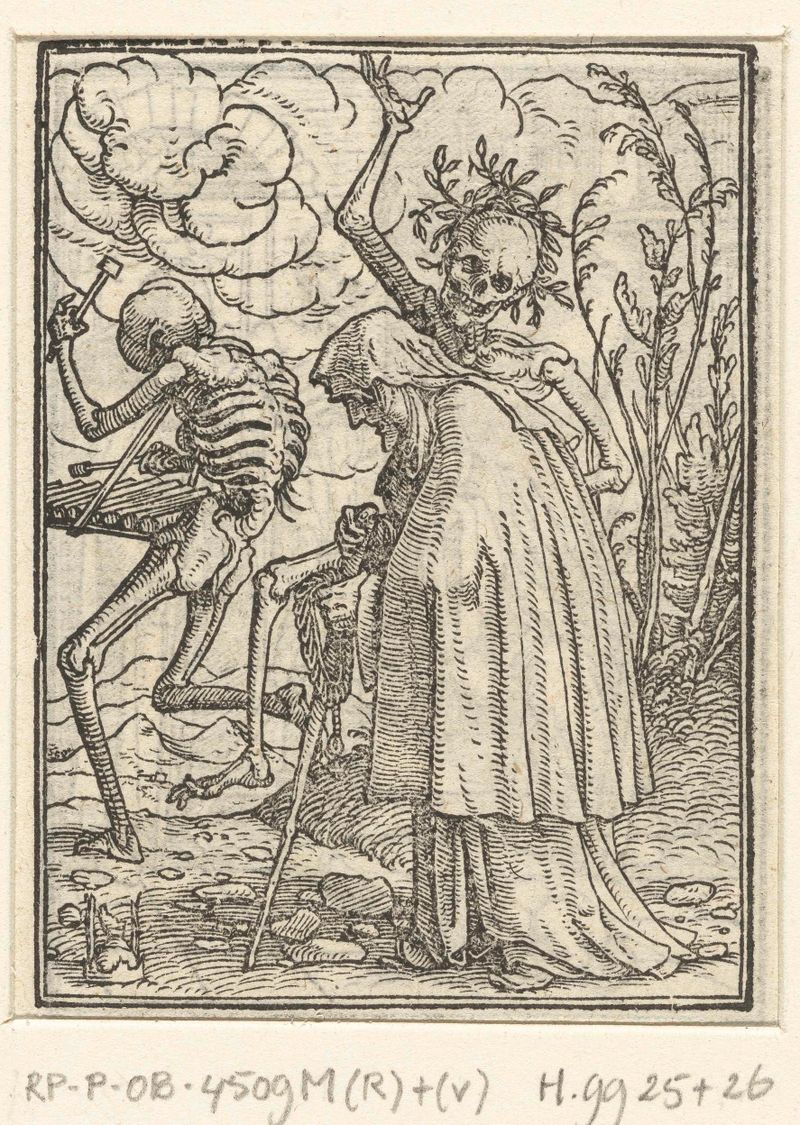
Oude vrouw en de Dood
Hans Holbein (II)
More Religious Art
Browse all →
The Return of the Prodigal Son
Rembrandt van Rijn

The Garden of Earthly Delights
El Bosco

Count Orgaz’ funeral
El Greco

The Hundred Guilder Print: the central piece with Christ preaching, the plate arched
Rembrandt van Rijn

The Descent from the Cross
Rogier van der Weyden

The return of the prodigal son
Rembrandt van Rijn