
Little Drawbridge, Amsterdam — History & Facts
Each hue, each stroke, holds a whisper of innocence, longing to be uncovered. Look to the left at the delicate bridge arching over the water, its soft lines inviting us into a serene world. Notice how the muted palette of blues and grays envelops the scene, enhancing the tranquility of the moment. Light glimmers on the water's surface, reflecting a dance of colors that seem to breathe life into a quiet afternoon in Amsterdam.
The careful layering of paint creates depth, drawing the eye to the small figures quietly traversing the bridge, appearing almost like silhouettes against the backdrop of the city. Yet beyond its serene facade, the painting invites contemplation of contrasts. The stillness of the water is disrupted by the gentle ripples, hinting at the passage of time and the inevitable change that comes with it. The innocence of the bridge and its surroundings stands in stark contrast to the bustling life that typically surrounds such a scene.
There lingers a sense of nostalgia, evoking a longing for simpler times, a moment caught between reality and imagination. Created in 1889 while Whistler resided in London, Little Drawbridge, Amsterdam reflects the artist's exploration of color and light. During this period, he was deeply invested in capturing the essence of the urban experience, focusing on harmony and composition. The art world was undergoing significant shifts, with movements like Impressionism gaining traction, and Whistler, influenced by this change, sought to convey the emotional resonance of everyday life through his brushstrokes.
More Artworks by James Abbott McNeill Whistler
Browse all →
Nocturne in Blue and Silver
James Abbott McNeill Whistler
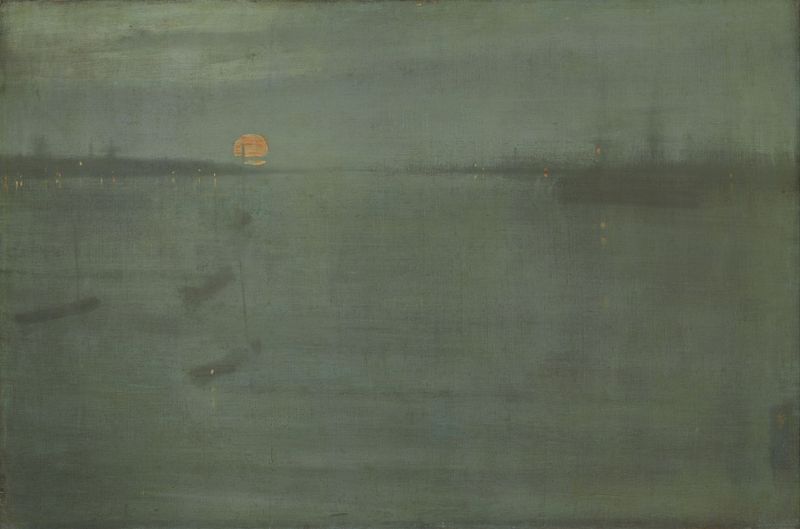
Nocturne: Blue and Gold–Southampton Water
James Abbott McNeill Whistler
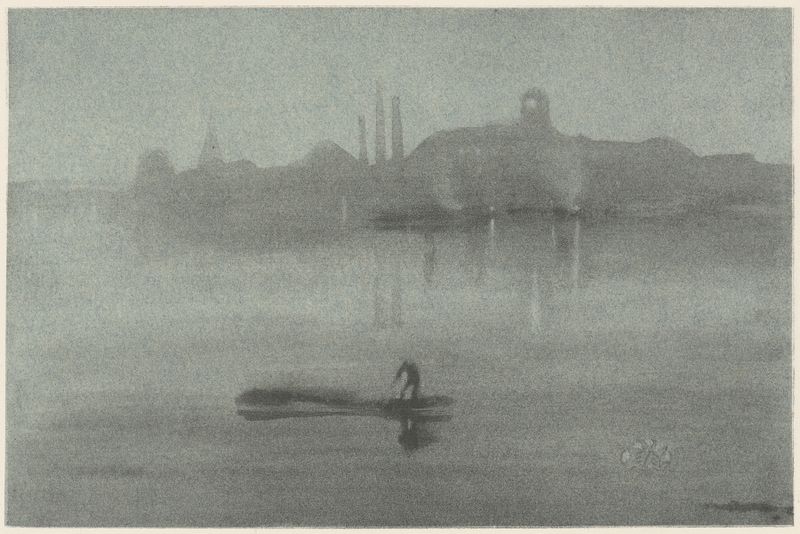
Nocturne
James Abbott McNeill Whistler
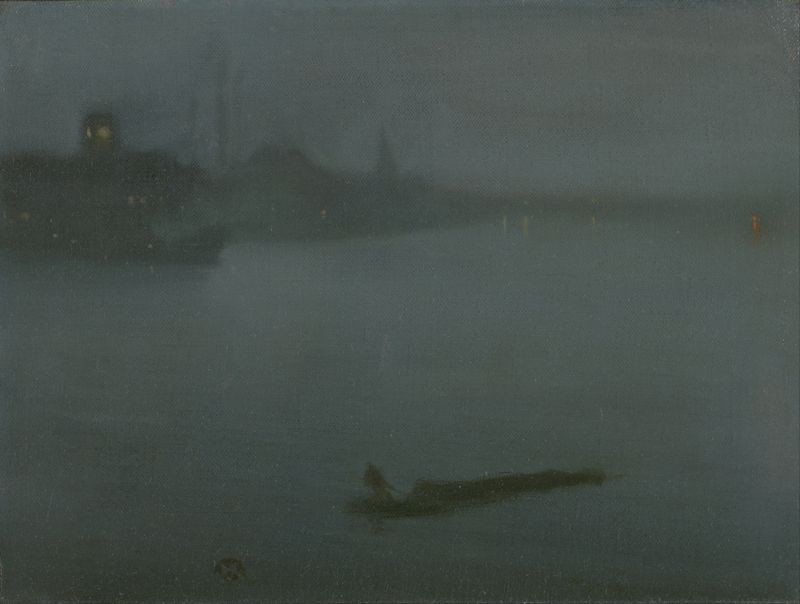
Nocturne in Blue and Silver
James Abbott McNeill Whistler
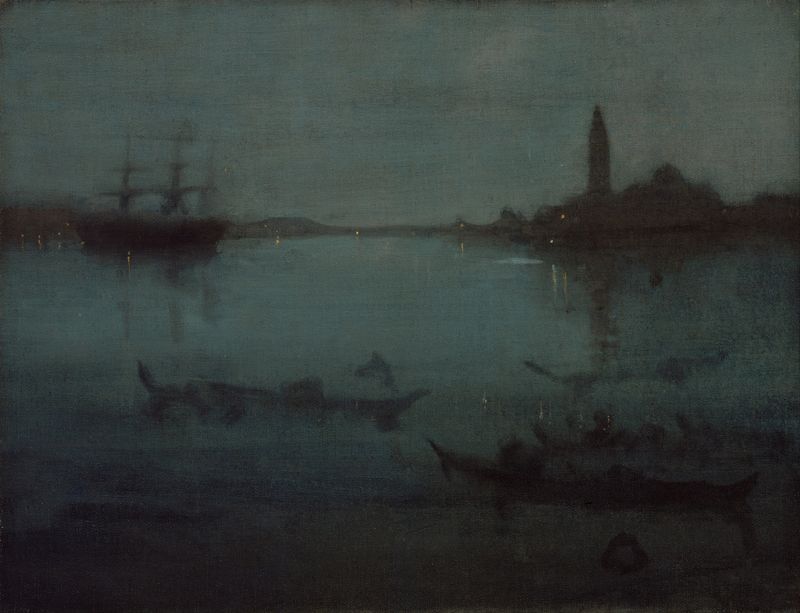
Nocturne in Blue and Silver- The Lagoon, Venice
James Abbott McNeill Whistler
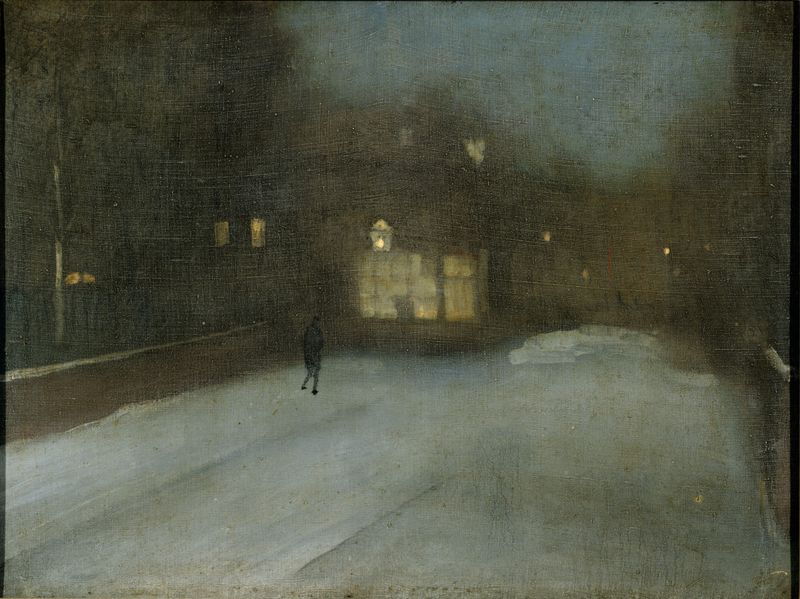
Nocturne in Grey and Gold: Chelsea Snow
James Abbott McNeill Whistler
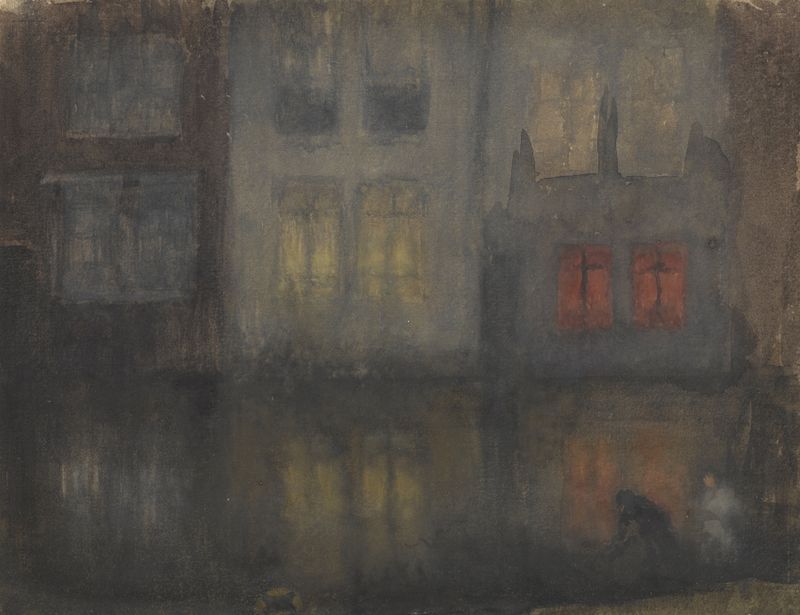
Nocturne: Black and Red—Back Canal, Holland
James Abbott McNeill Whistler
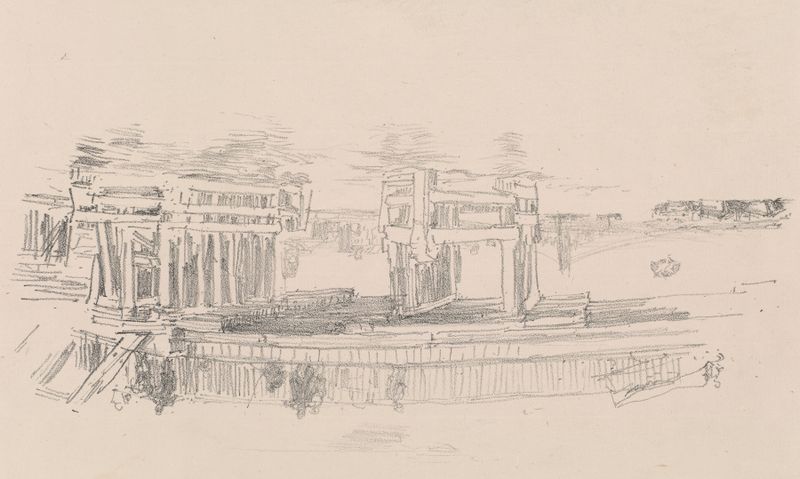
Old Battersea Bridge
James Abbott McNeill Whistler

Nocturne: Blue and Silver–Battersea Reach
James Abbott McNeill Whistler
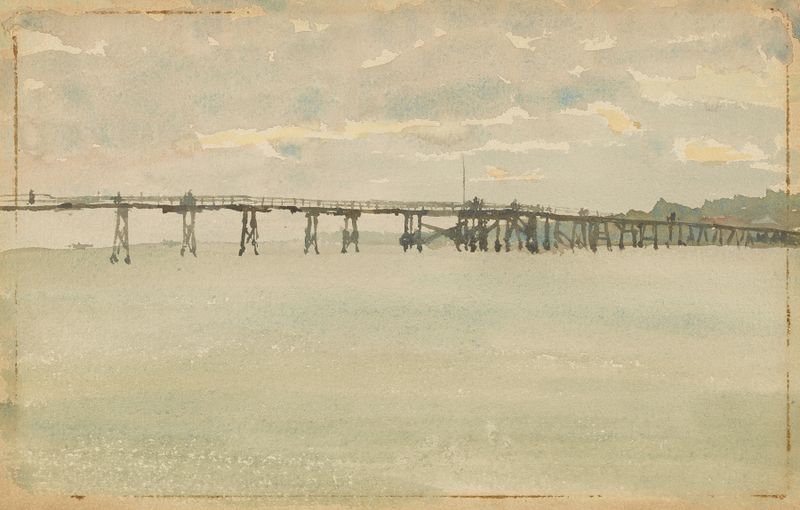
Grey and Silver–Pier, Southend
James Abbott McNeill Whistler





