Little Franklin — History & Facts
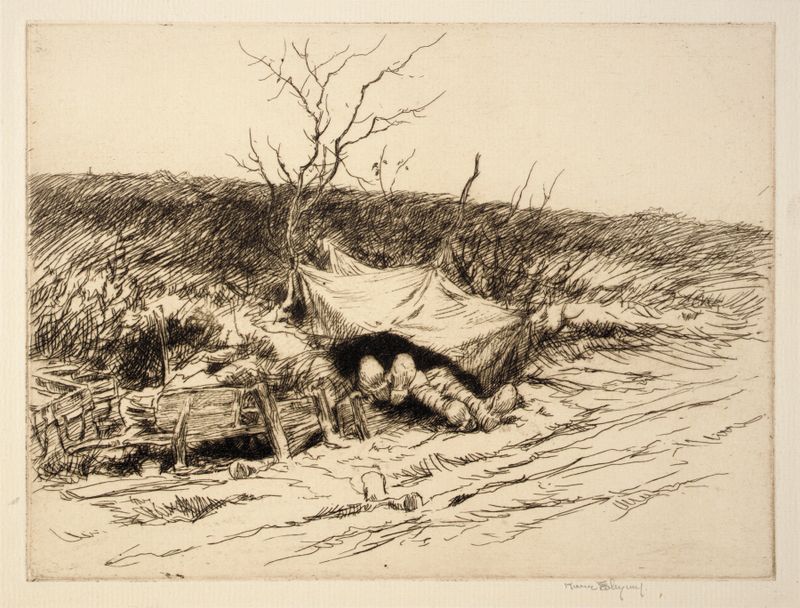
Who listens when art speaks of silence? Little Franklin draws you into a world where the weight of absence resonates as profoundly as presence. In this reflection, the stillness of the moment beckons viewers to explore their own inner landscapes, evoking a quiet yet powerful contemplation. Look to the center of the canvas where a solitary figure sits, a child seemingly lost in thought. The soft, muted palette envelops the scene in a cocoon of tranquility, with delicate strokes breathing life into an otherwise silent backdrop.
Notice how the light dances gently across the child’s face, highlighting the tension between youth and introspection, allowing us to feel both vulnerability and wisdom in their gaze. The juxtaposition of the child’s smallness against the vastness surrounding them amplifies themes of solitude and introspection. This contrast speaks to the universal experience of feeling insignificant in a larger world while simultaneously possessing a depth of emotion that can resonate loudly in moments of silence. Tiny details, like the stretched fingers resting on the ground, suggest a yearning for connection, inviting the viewer to ponder the dialogue between isolation and the desire for companionship. During 1938, when this piece was created, Kerr Eby was deeply influenced by the social and political upheavals of the time.
Living in New York, he was part of a generation grappling with the aftermath of the Great Depression, which shaped his artistic vision towards themes of human experience and emotional depth. This painting embodies a moment of stillness amidst chaos, reflective of both the artist's personal journey and the broader cultural context in which he worked.