
Little Lagoon — History & Facts
Did the painter know this moment would outlive them? As the tranquil waters of a secluded lagoon embrace the shadows of nearby willows, the scene whispers of eternity, a legacy captured in time. Look to the left at the delicate brushstrokes that define the rippling surface, where soft shades of blue and green meld into one another. Notice how the light dances upon the water, creating a shimmering path that draws the eye inward, inviting contemplation. The carefully arranged elements—trees framing the lagoon, the gentle curve of the shoreline—compose a harmonious balance that transcends mere representation, offering a meditative space that holds the viewer's gaze. Within this serene tableau lies a tension between stillness and the passage of time.
The rich colors reflect both the peace of the moment and the depth of life just beyond the canvas. The contrast between the vibrant hues of nature and the hints of shadow suggests an unseen world, echoing the painter’s exploration of light as a metaphor for memory and experience. Each stroke holds a story, a whisper of existence that questions what it means to be present. In the late 1870s, having settled in Europe, Whistler was at a pivotal point in his career, embracing a style that prioritized mood over literal representation.
Little Lagoon was painted during a time when Impressionism was gaining momentum, yet Whistler sought to define his own voice within this evolving landscape. His meticulous attention to atmosphere and subtlety in color reflected both his artistic ambitions and his desire to leave a legacy that would resonate long after he was gone.
More Artworks by James Abbott McNeill Whistler
Browse all →
Nocturne in Blue and Silver
James Abbott McNeill Whistler
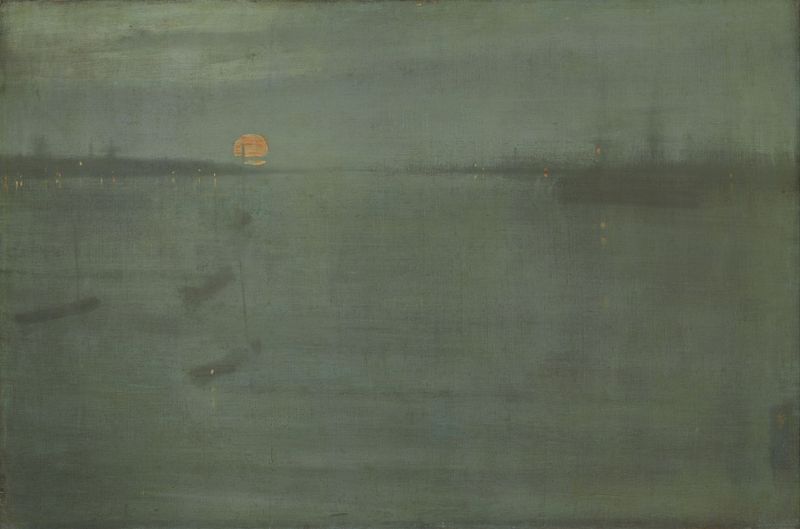
Nocturne: Blue and Gold–Southampton Water
James Abbott McNeill Whistler
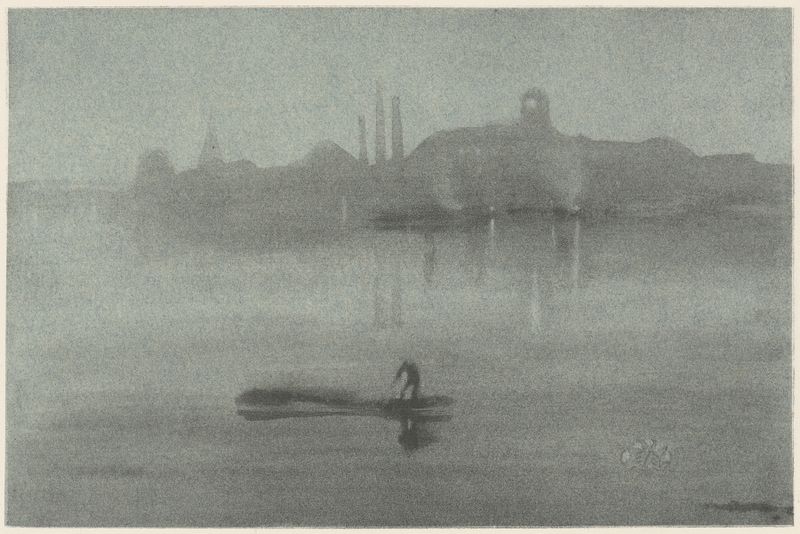
Nocturne
James Abbott McNeill Whistler
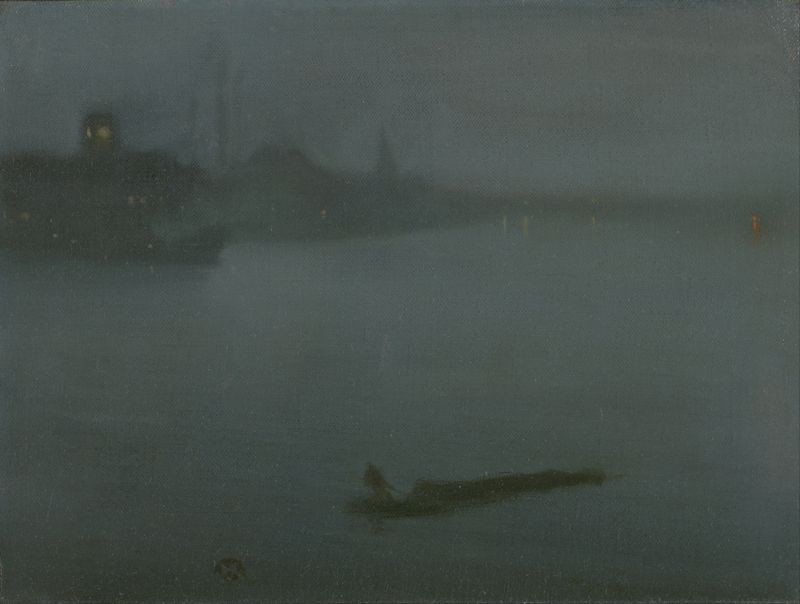
Nocturne in Blue and Silver
James Abbott McNeill Whistler
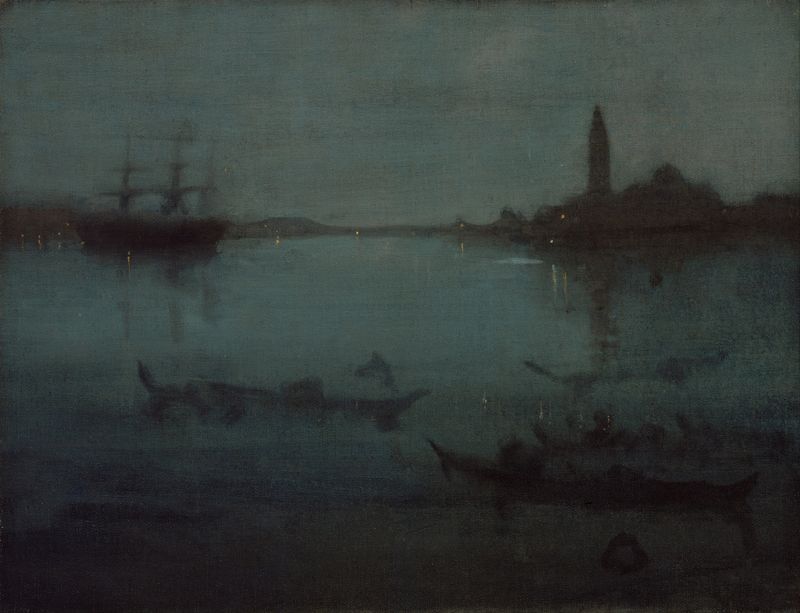
Nocturne in Blue and Silver- The Lagoon, Venice
James Abbott McNeill Whistler
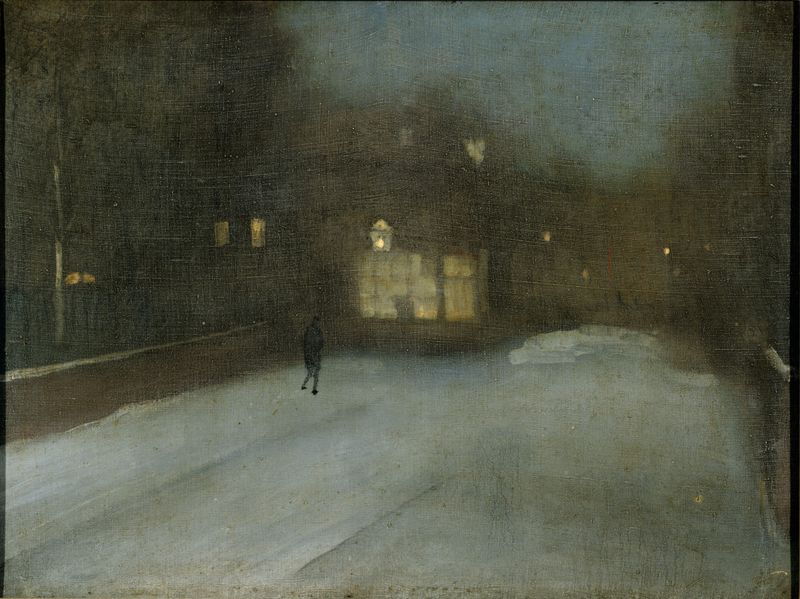
Nocturne in Grey and Gold: Chelsea Snow
James Abbott McNeill Whistler
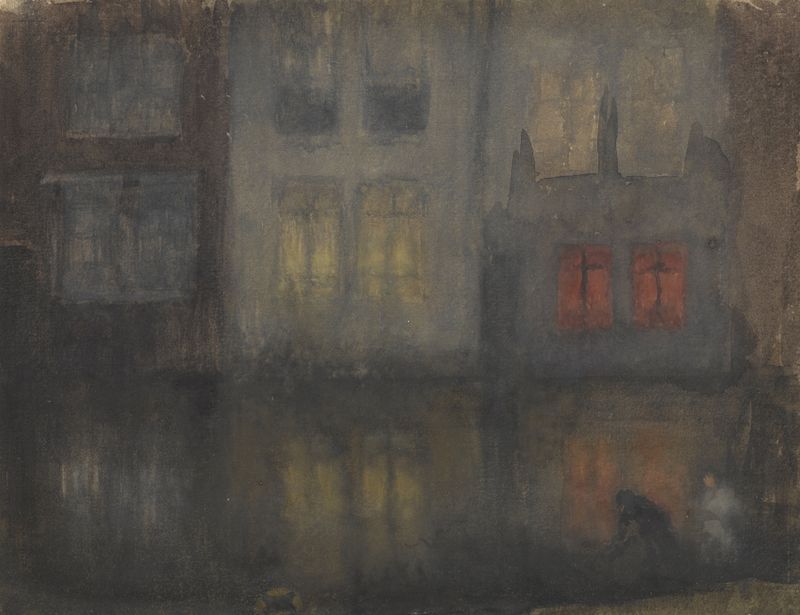
Nocturne: Black and Red—Back Canal, Holland
James Abbott McNeill Whistler
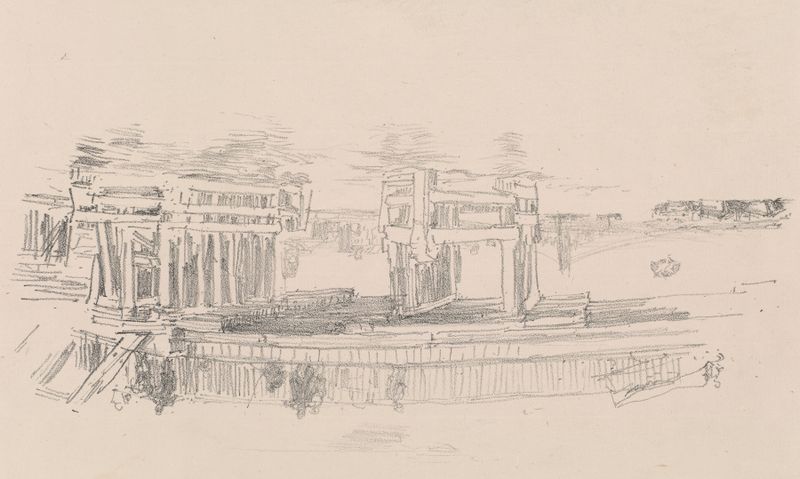
Old Battersea Bridge
James Abbott McNeill Whistler

Nocturne: Blue and Silver–Battersea Reach
James Abbott McNeill Whistler
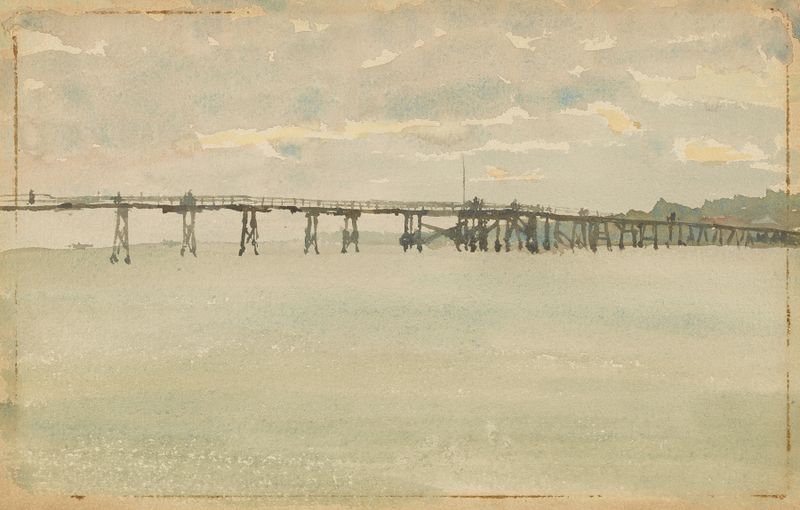
Grey and Silver–Pier, Southend
James Abbott McNeill Whistler





