
Little Walter’s Toys — History & Facts
What first catches the eye in Little Walter’s Toys is the sense of a private, sunlit stage—an island of childhood assembled with deliberate care. The green tabletop becomes a world unto itself, bordered by a sharp red edge that hints at the order and boundaries of the adult world just beyond. A rabbit and a guinea pig, rendered in thick, sure outlines, face each other in silent congress, while a painted wooden doll stands watchful and still.
The plant in its pot, with its bold, almost comic red flowers, presides over the scene like a guardian, its leaves echoing the playful curves of the toys below. The two balls, striped in red, black, and green, anchor the right side, their roundness and color drawing the gaze in a gentle loop around the composition. Painted in 1912, this work by August Macke belongs to a moment when artists across Europe were reimagining the everyday through bold color and simplified form. Macke, associated with the Expressionist movement, often found poetry in ordinary life, and here he elevates a child’s scattered playthings to the status of icons.
The painting’s flat planes and vivid palette reflect the influence of French modernism, yet its subject—a quiet domestic scene—remains rooted in the comforts of home. Now held in the Städel Museum, Little Walter’s Toys is a reminder of how, in the early twentieth century, even the humblest objects could become vessels for new ways of seeing. The longer you look, the more the toys seem to invite you into their world, asking you to remember your own.
More Artworks by August Macke
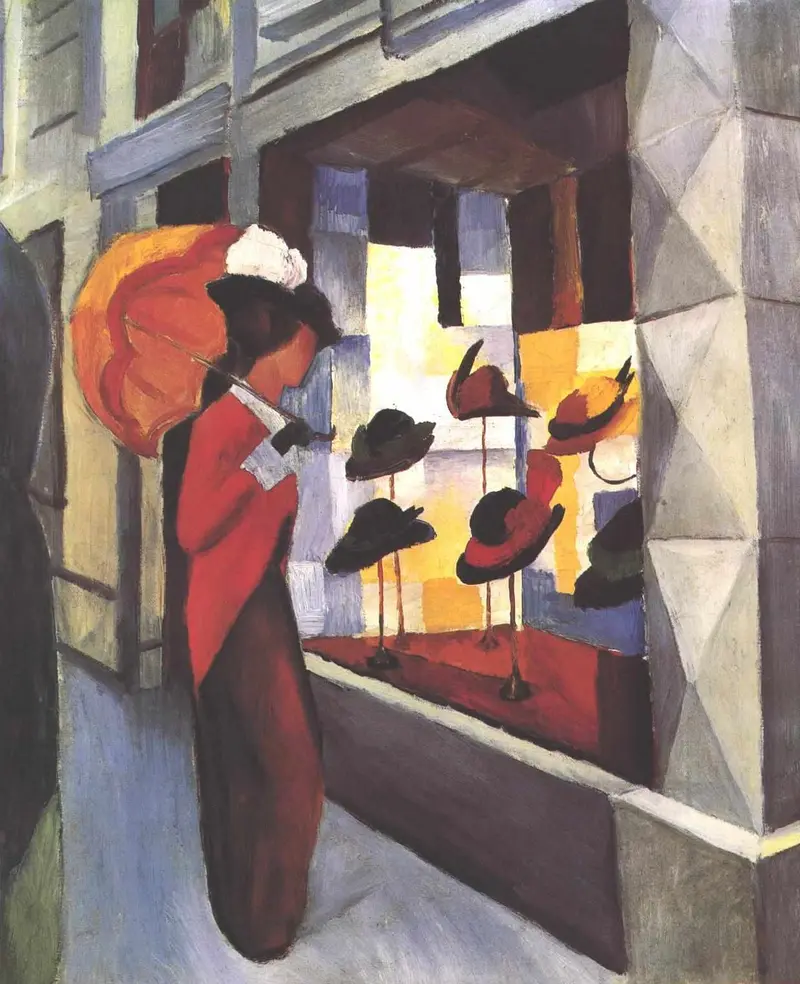
Woman with a Parasol in Front of a Hat Shop
August Macke

Street with Church in Kandern
August Macke
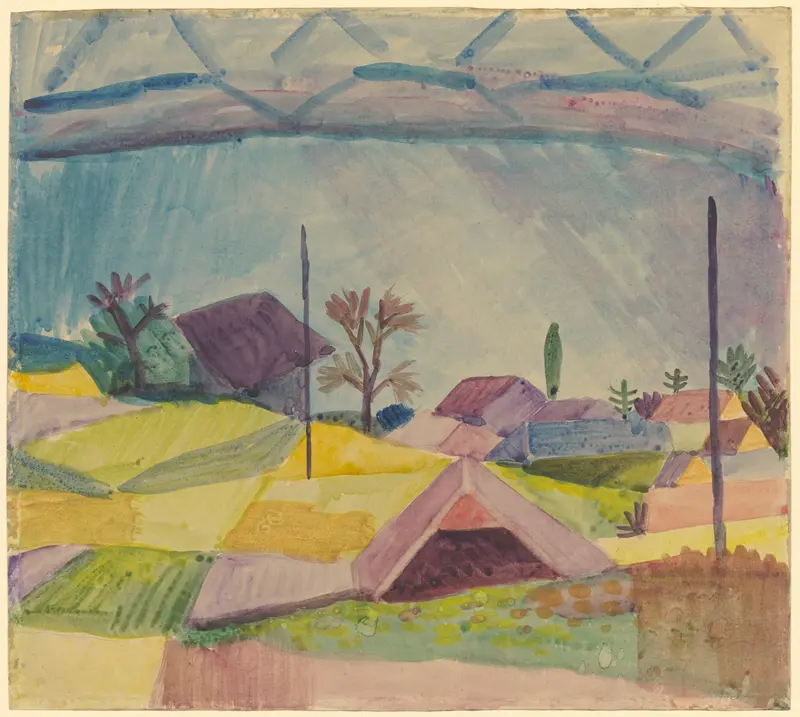
View of Hilterfingen
August Macke

Paar im Nachen
August Macke
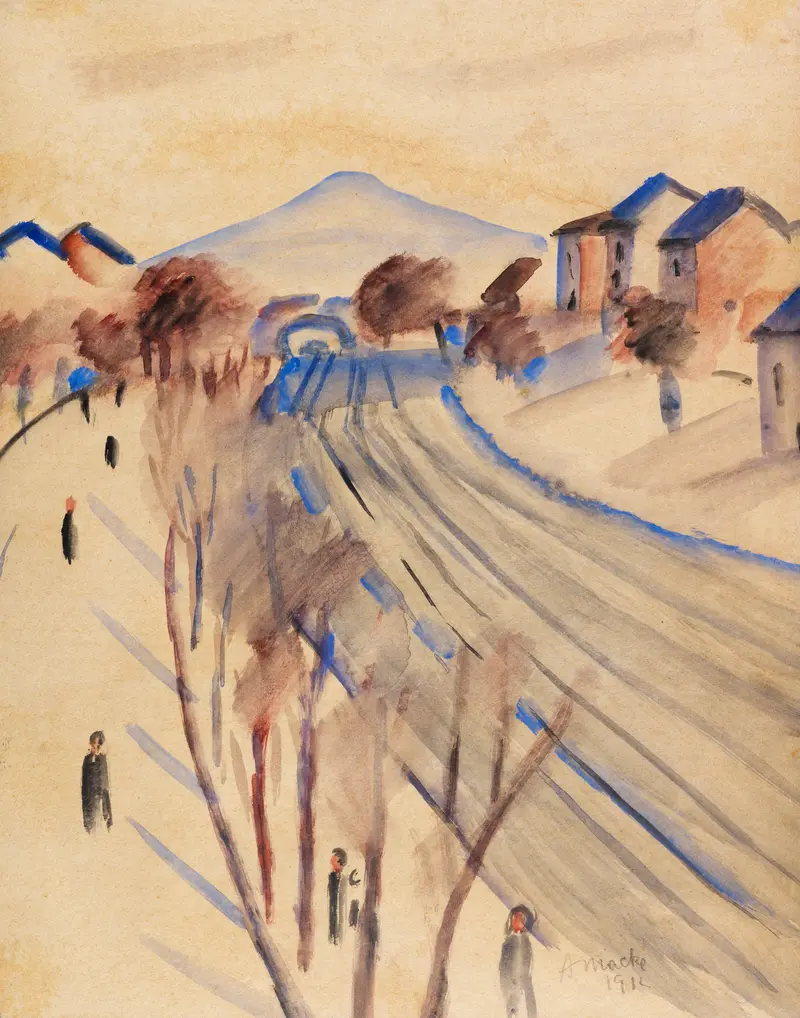
Ölberg mit Bahngleisen II
August Macke
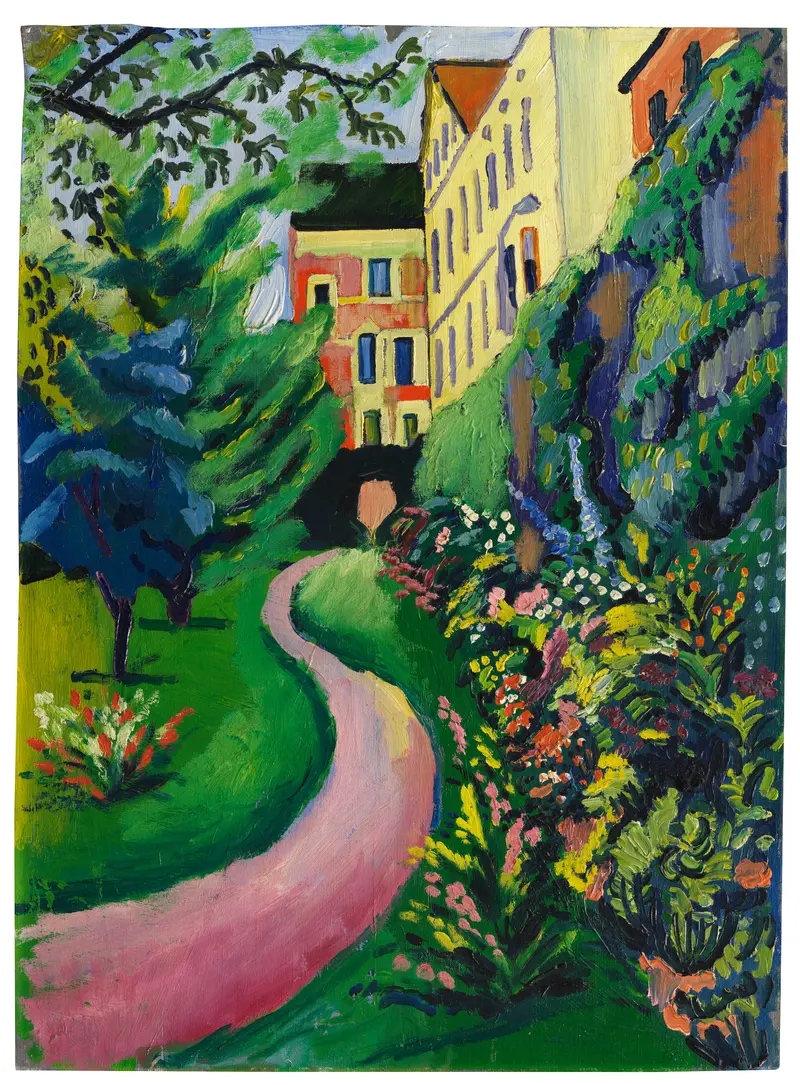
Unser Garten mit blühenden Rabatten
August Macke
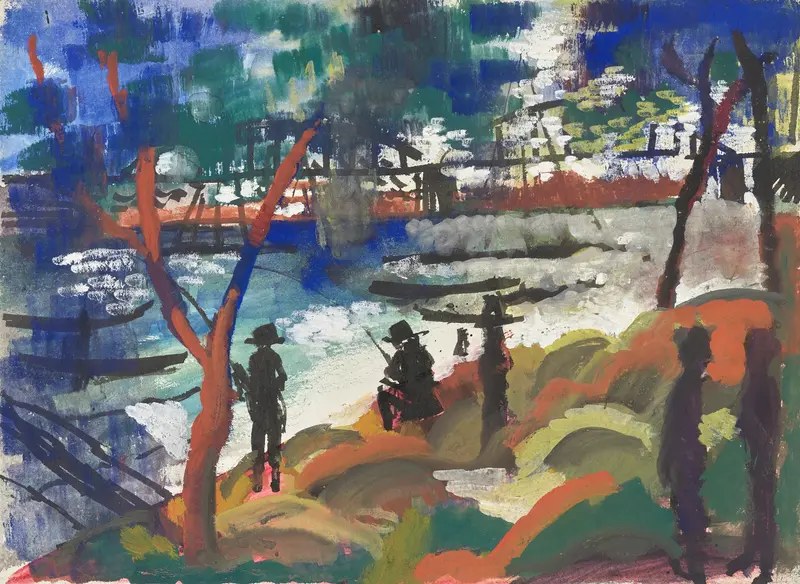
Angler am Fluss
August Macke
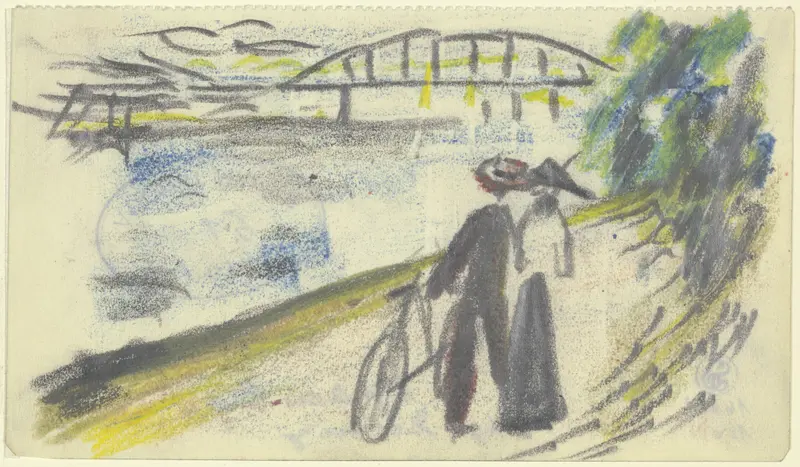
Path at the Rhine
August Macke
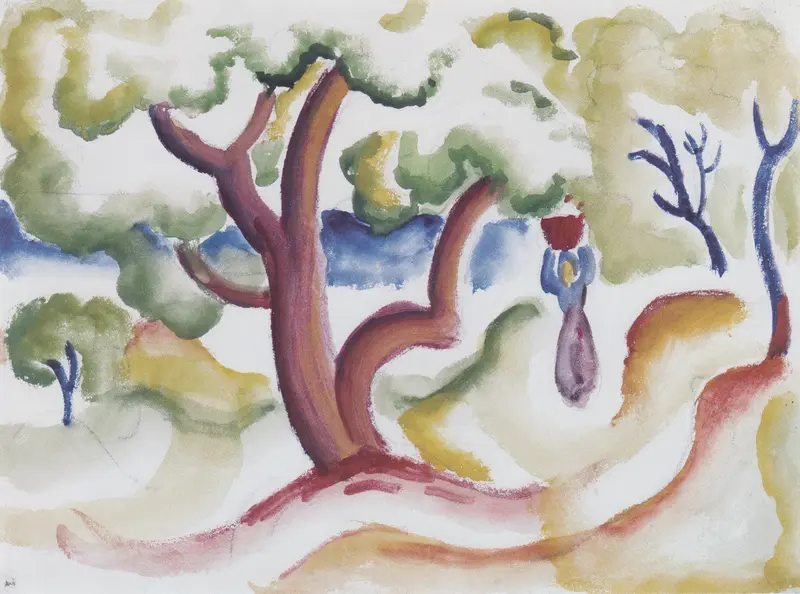
Frau mit Krug unter Bäumen
August Macke
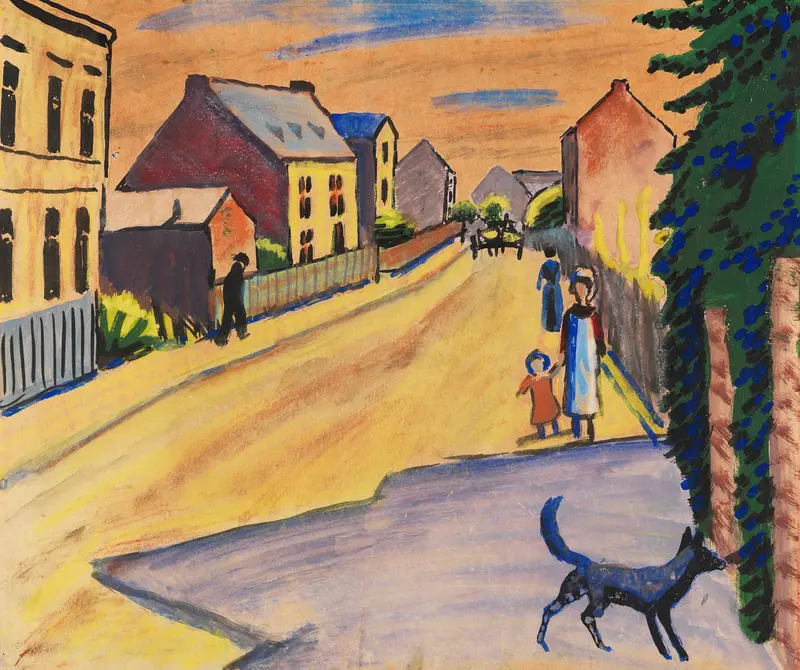
Sonnige Straße mit Hund
August Macke
More Genre Scene Art

Banquet of the Officers of the St George Civic Guard
Frans Hals

Rembrandt and Saskia in the Scene of the Prodigal Son
Rembrandt van Rijn

Bal du moulin de la Galette
Pierre-Auguste Renoir

Quadrille at the Moulin Rouge
Henri de Toulouse-Lautrec

A Burial at Ornans
Gustave Courbet

When Will You Marry?
Paul Gauguin