
Llanthony Abbey, Monmouthshire — History & Facts
Such reverberations linger in the shadows of a forgotten landscape, where remnants of time meet the resolute embrace of nature. The echoes of history whisper through the ruins, inviting contemplation of both beauty and decay. Look to the left, where the delicate arches of the abbey rise against a gentle backdrop of rolling hills. The artist’s brush captures the soft interplay of light and shadow, elegantly revealing the textured stonework that speaks of centuries past.
Notice how the muted greens and browns of the landscape cradle the structure, lending it an air of quiet reverence — each color intentional, capturing the essence of a moment suspended in time. Delve deeper, and you might sense the contrasts tucked within the artwork: the solidity of the stone juxtaposed with the ephemeral quality of the surrounding flora. The creeping vines suggest life reclaiming what once was, while the stillness of the scene evokes a profound sense of awe. Here, nature and human creation coexist, challenging viewers to ponder the transient nature of existence. Created during a period when Romanticism was gaining traction, the work reflects Edward Dayes' fascination with sublime landscapes and ruins.
Active in the late 18th and early 19th centuries, he sought to connect viewers with the emotional weight of historical sites, often infusing his paintings with a sense of nostalgia. This piece emerges from a time when artists were exploring the relationship between humanity and the natural world, marking a pivotal moment in the evolution of landscape art.
More Artworks by Edward Dayes
Browse all →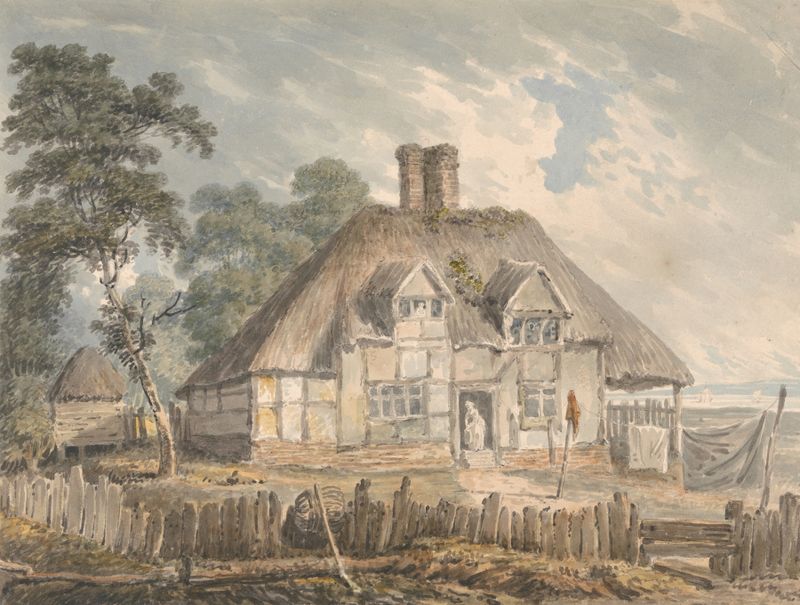
A Cottage near Southampton
Edward Dayes
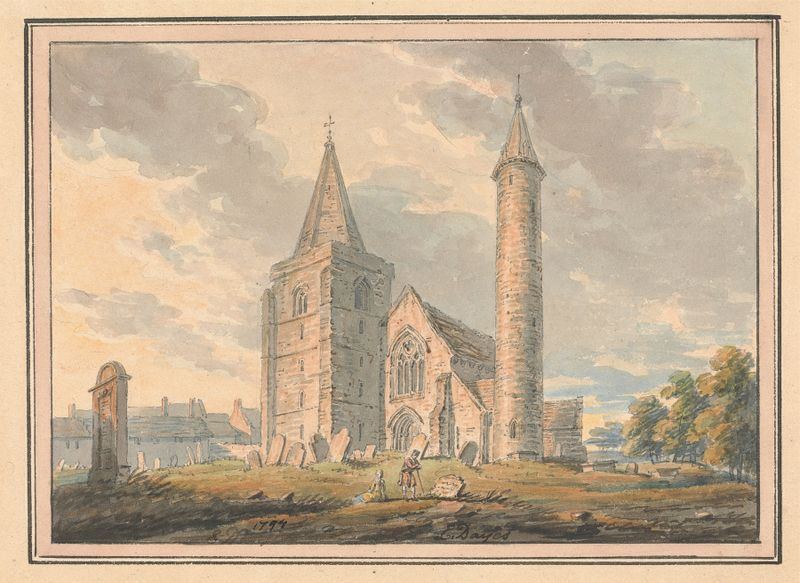
Brechin Cathedral and round tower, Forfarshire, Scotland
Edward Dayes
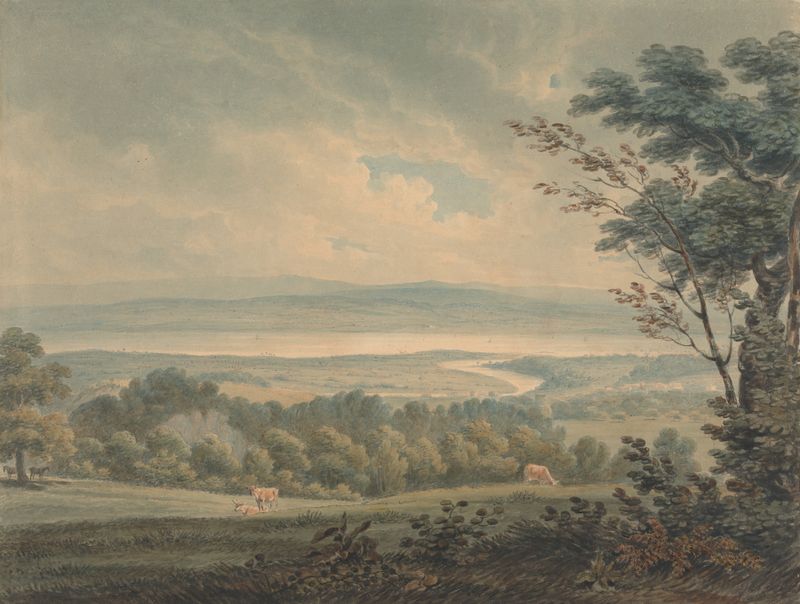
The Meeting of the Rivers Severn and Wye, near Chepstow
Edward Dayes

Ruins of the Old Kirk, Isle of Bute
Edward Dayes
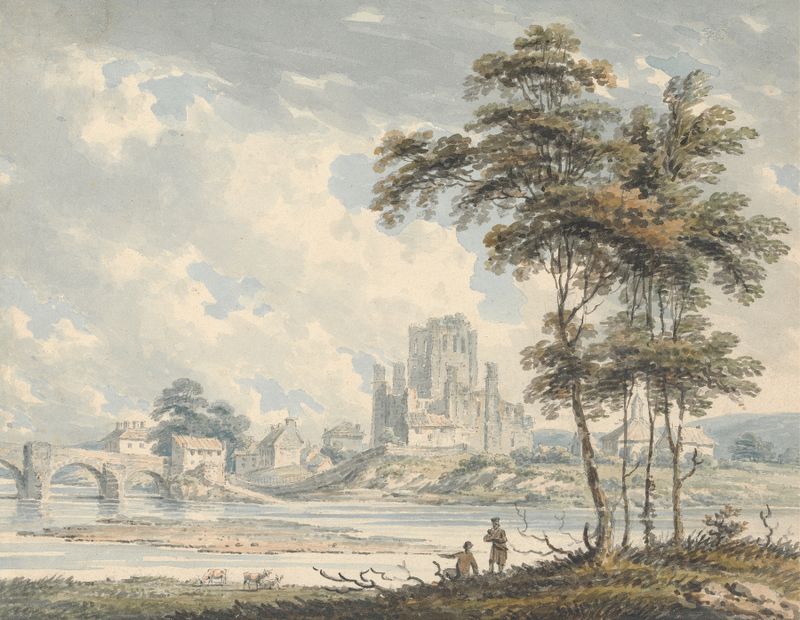
Kelso Abbey, Rosburghshire
Edward Dayes
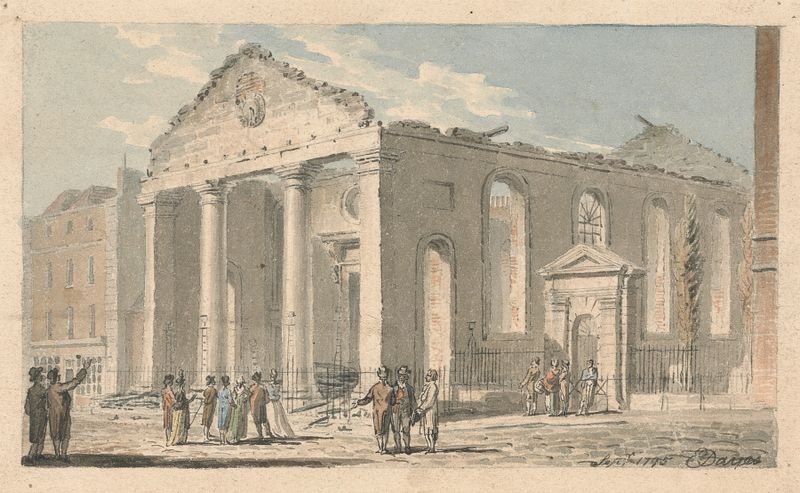
St. Paul’s Church, Covent Garden, after the fire
Edward Dayes
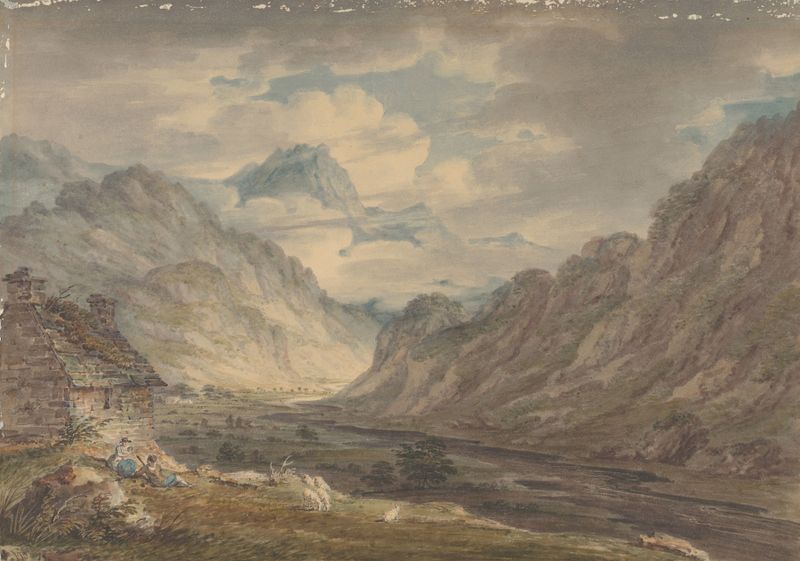
The Honister Pass from Gatesgarth Farm, Gatesgarthdale, Lake District
Edward Dayes
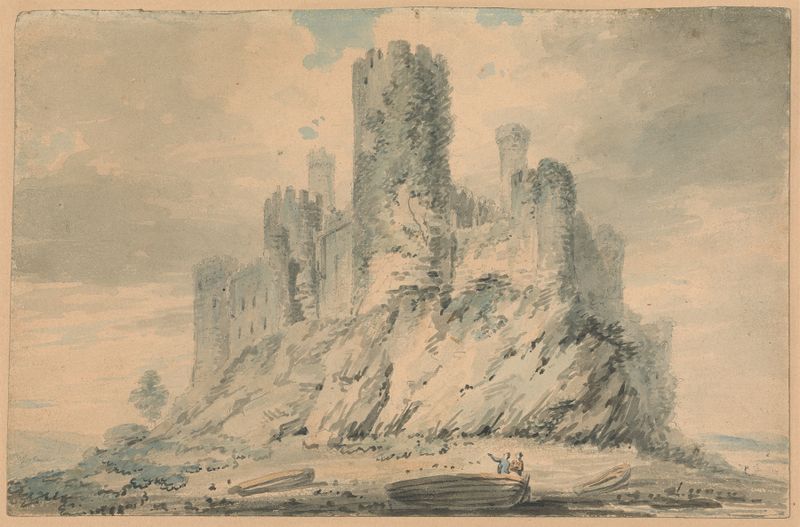
Conway Castle, Caernarvonshire
Edward Dayes
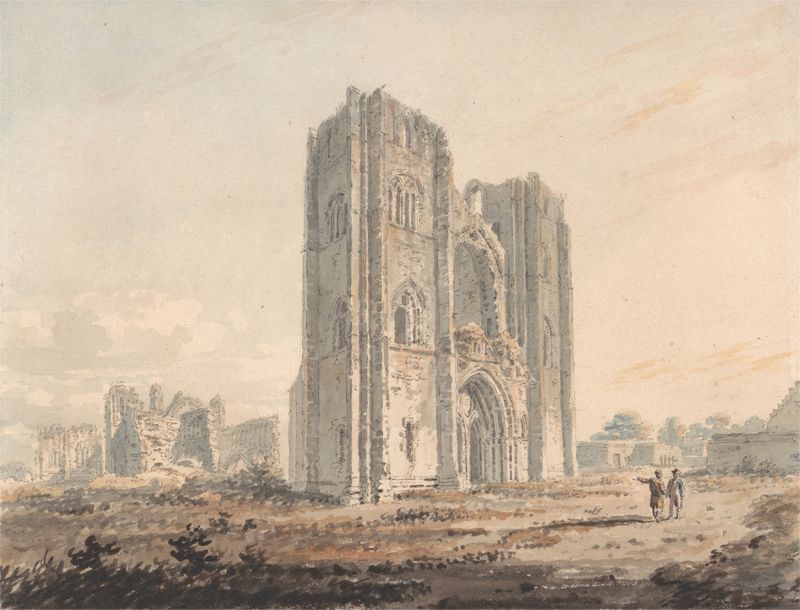
Elgin Cathedral, Moray
Edward Dayes

Lake scene
Edward Dayes





