
Llyn Idwal (Nordwales) — History & Facts
In a realm where silence stirs deeper desires, a landscape breathes life into the quiet yearnings of the heart. The canvas encapsulates not merely the view, but an invitation to reflect on our own longings. Focus first on the tranquil waters of Llyn Idwal, where the mirror-like surface captures the soft hues of twilight. Notice how the gentle gradients of blue and green intertwine, creating a serene embrace that draws the eye in.
The mountains stand stoic yet inviting, their rugged textures painted with meticulous detail, contrasting the fluidity of the lake below. Light dances subtly across the scene, illuminating the hidden contours of the land and suggesting a world both familiar and elusive. Yet beneath the stillness lies a tension of desire. The way the peaks reach toward the sky speaks of ambition and longing, while the calm waters suggest a thirst for peace and introspection.
Each brushstroke resonates with the hope of discovery, where the viewer may find themselves yearning to explore the landscape beyond the confines of the canvas. The balance of shadow and light reveals not just the beauty of nature, but also the artist's inner tumult and aspirations, merging the external world with profound emotional depth. In 1908, Edward Theodore Compton painted this masterpiece while living in the vibrant art scene of early 20th-century England. As modernism began to take root, he sought to capture the raw beauty of the Welsh landscape, reflecting a desire to express both the majesty of nature and the complex emotions it stirs within us.
His work stands as a testament to a time when artists began to explore the intricate relationship between environment and sentiment, leading to new interpretations of the world around them.
More Artworks by Edward Theodore Compton
Browse all →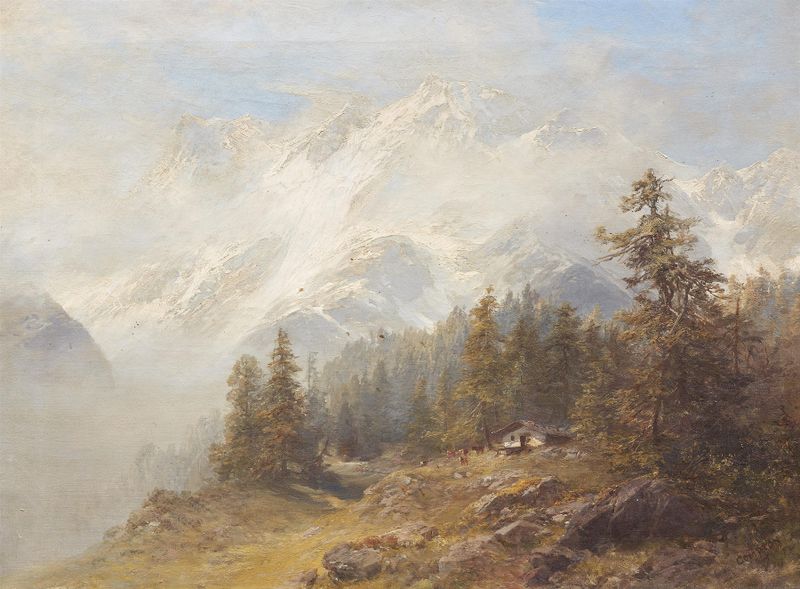
Alpenlandschaft vor schneebedecktem Massiv
Edward Theodore Compton
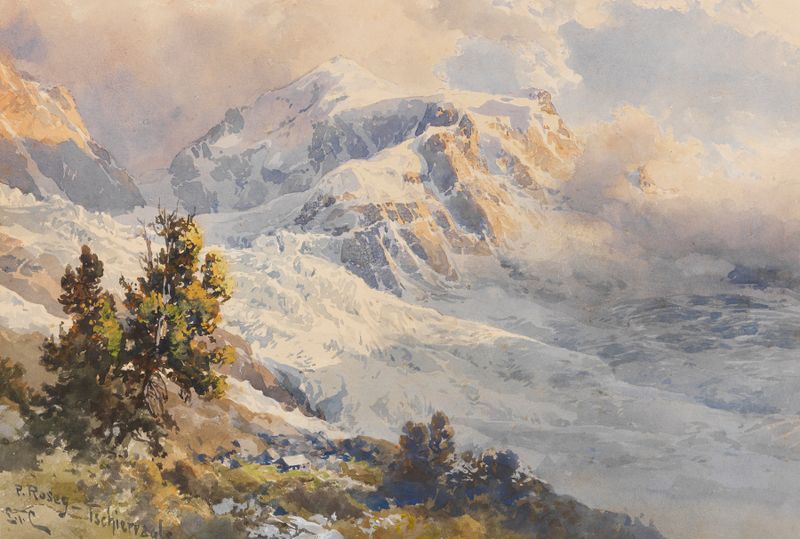
Piz Roseg – Tschiervagletscher
Edward Theodore Compton
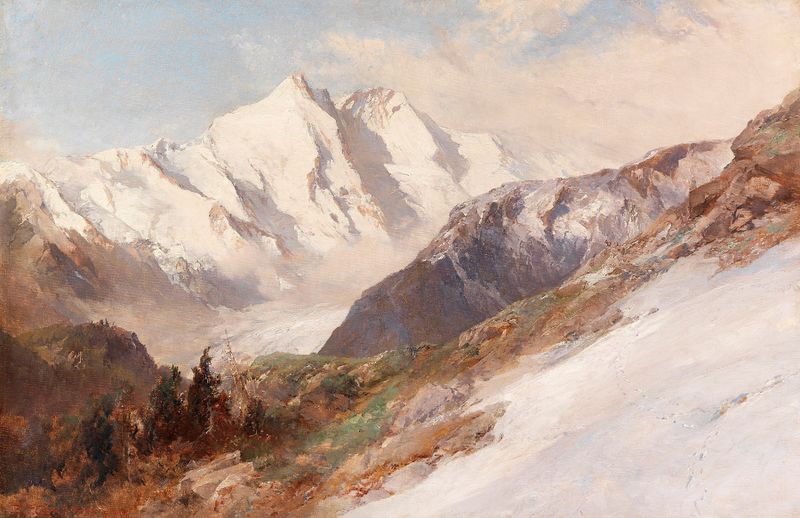
Blick auf die Nordseite des Großglockners
Edward Theodore Compton
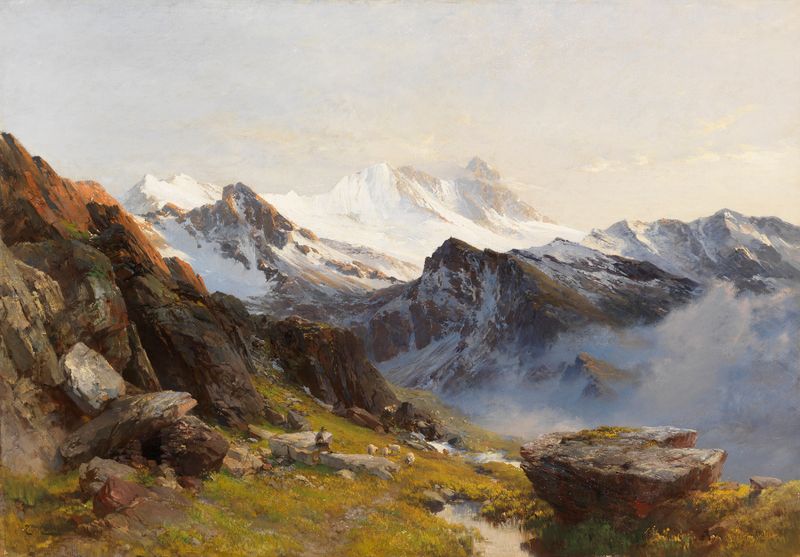
Großglockner von der Prager Hütte aus, früh
Edward Theodore Compton
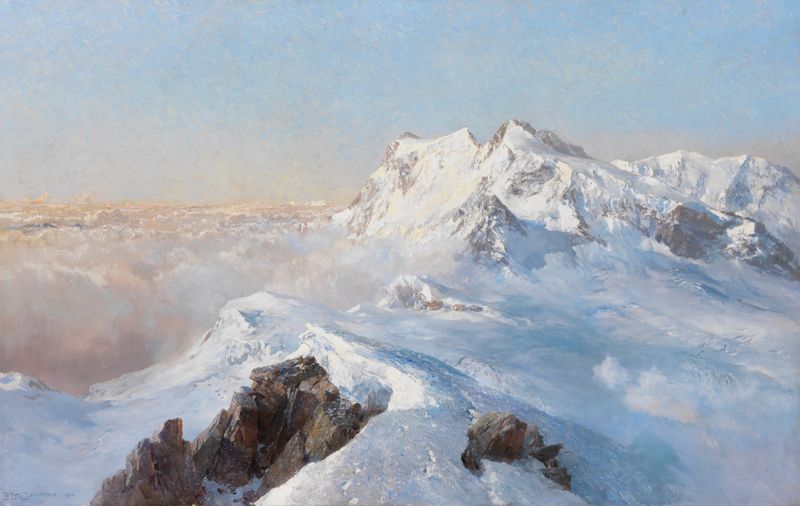
Über dem Nebelmeer (Monte Rosa vom Rimpfischhorn)
Edward Theodore Compton
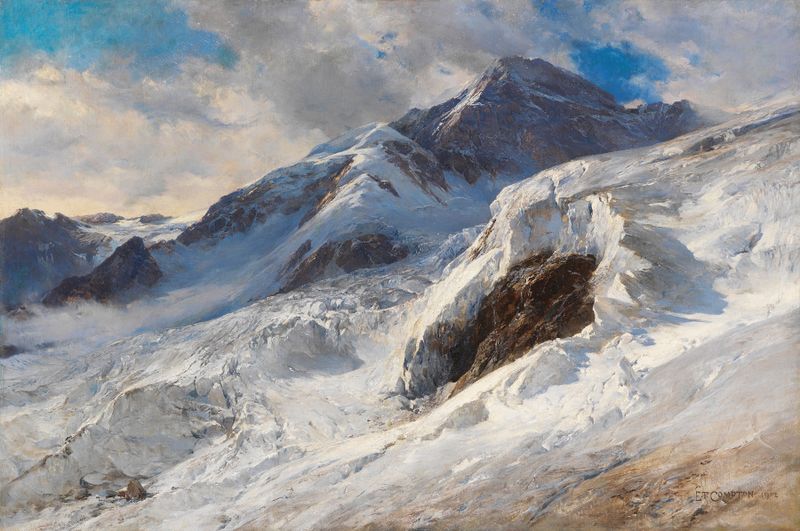
Lyskamm (Monte-Rosa)
Edward Theodore Compton
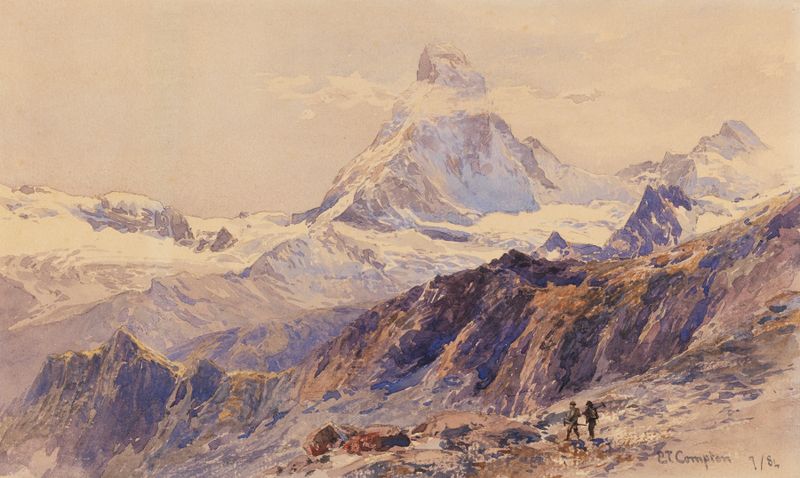
Das Matterhorn von der Triftkumme
Edward Theodore Compton
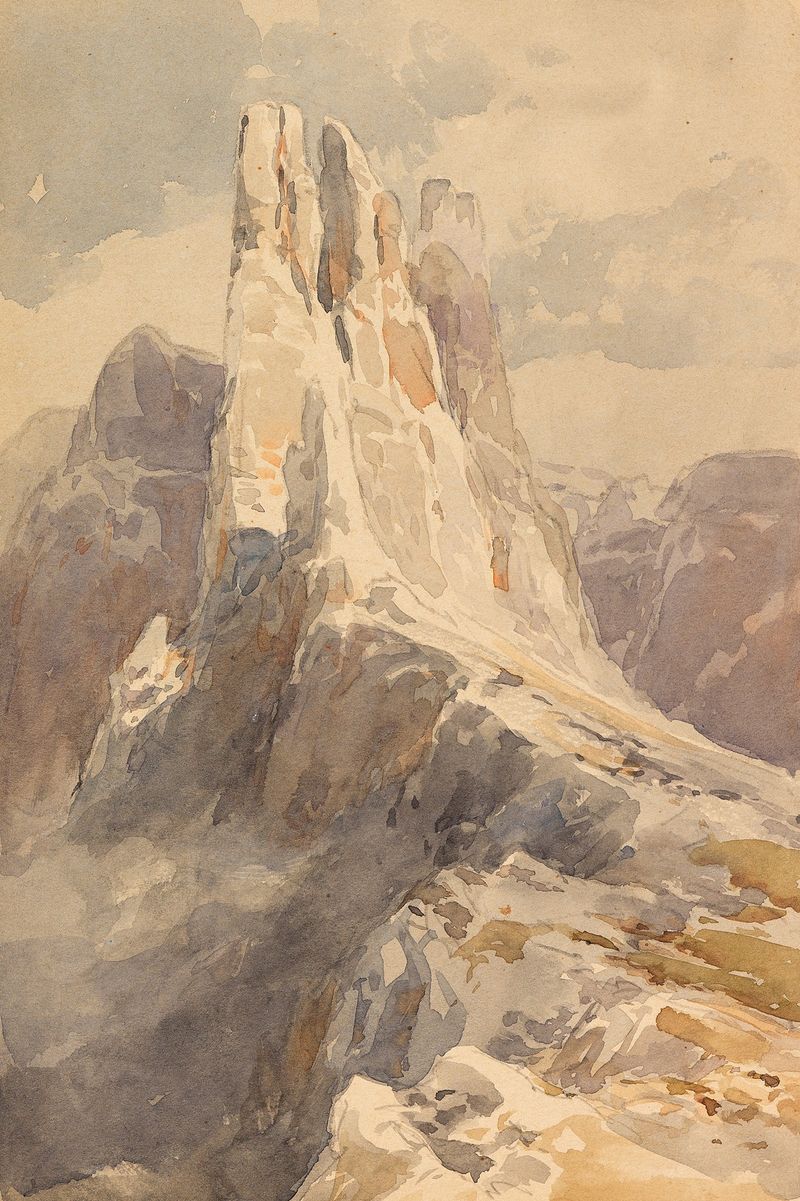
Blick auf die Vajolet-Türme in den Dolomiten
Edward Theodore Compton
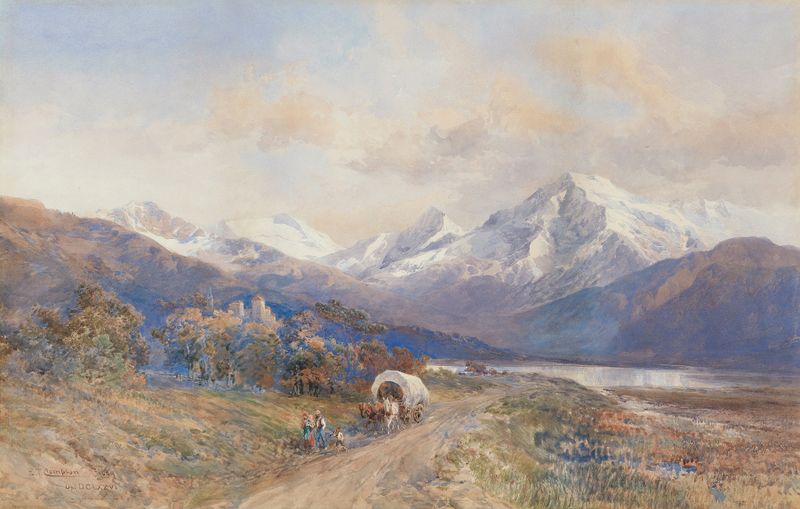
Blick auf den Ortler von St. Valentin
Edward Theodore Compton
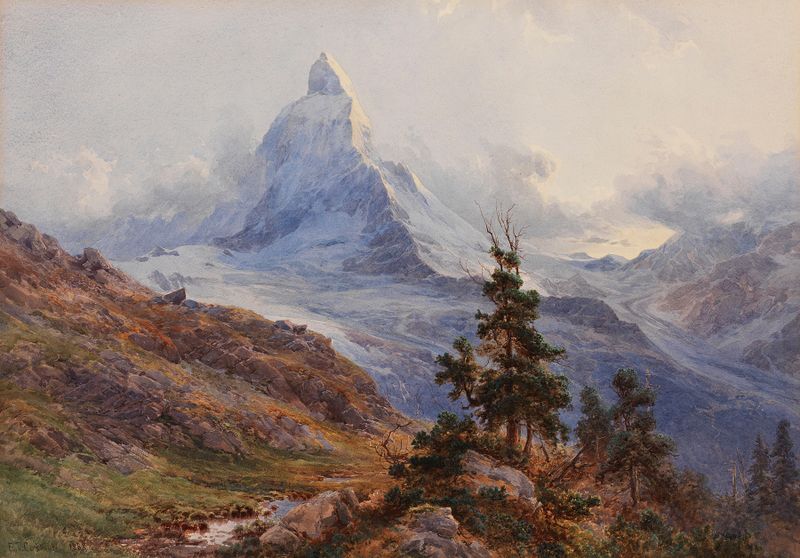
View of the Matterhorn
Edward Theodore Compton





