
Loch Carron, Scotland — History & Facts
When Gustave Doré traveled to Scotland in 1873, he was so captivated by the wild grandeur of Loch Carron that he returned to the subject repeatedly in sketches and paintings. Loch Carron, Scotland, completed in 1881, stands out as one of the last landscapes Doré finished before his death the following year. The painting’s exact medium remains uncertain, a curiosity for an artist renowned for both his engravings and his oils, and it has prompted ongoing debate among scholars about whether it was intended as a finished exhibition piece or a highly worked study. The scene Doré chose is not a moment from myth or history, but rather the drama of nature itself: storm-laden clouds rolling over the serrated Scottish hills, their reflection shivering in the ink-dark water of the loch.
In the foreground, a tiny boat struggles against the wind, dwarfed by the immensity of the landscape—a motif Doré often used to highlight the vulnerability of humankind. The sweeping diagonals of the hills and the turbulent sky draw the eye to the center, where a shaft of light breaks through, illuminating the water and hinting at hope amid adversity. This approach recalls the romantic landscapes of J.M.W.
Turner, yet Doré’s handling is more precise, his forms sharper, emphasizing the rawness of the Scottish Highlands. The provenance of Loch Carron, Scotland is not thoroughly documented. It is known that Doré’s Scottish works were admired in both Paris and London, and several entered private collections soon after their creation. Unlike some of his more famous illustrations, this painting was not widely exhibited in his lifetime, and its whereabouts were uncertain for decades.
Today, it is recognized as a testament to Doré’s fascination with the landscapes of northern Europe and his ability to translate their mood into visual form. The painting marks a late chapter in Doré’s career, when he turned increasingly to landscape as a source of inspiration and solace.
More Artworks by Gustave Doré

The Deluge
Gustave Doré
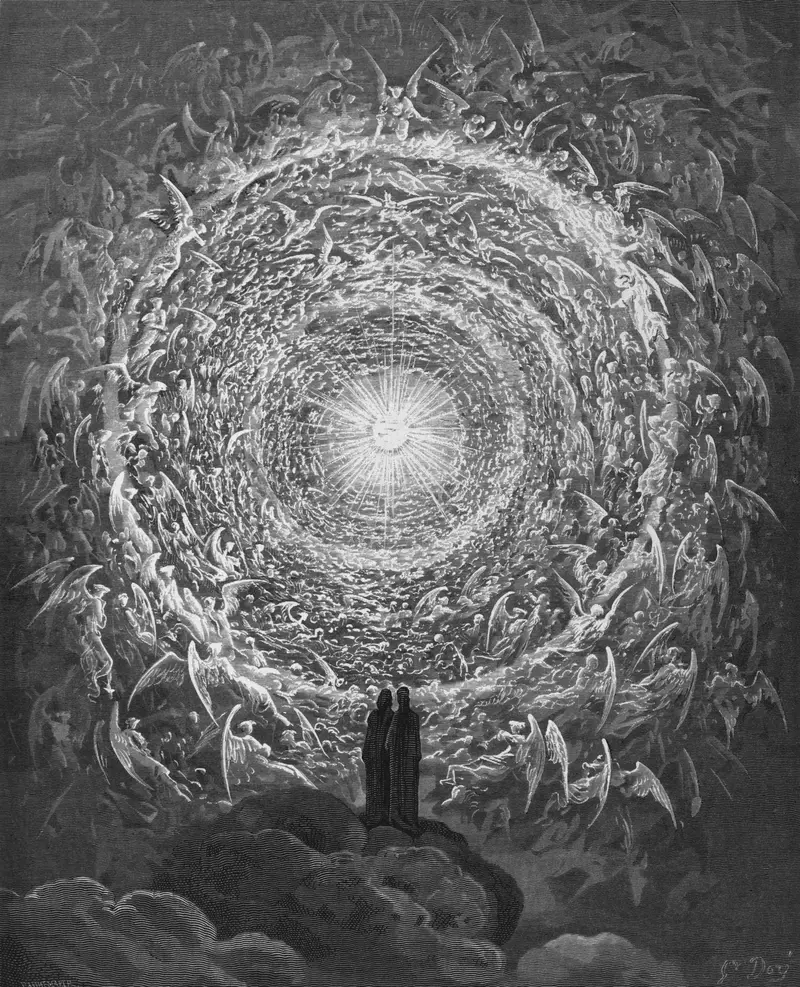
The Empyrean (Paradiso, Canto 31)
Gustave Doré
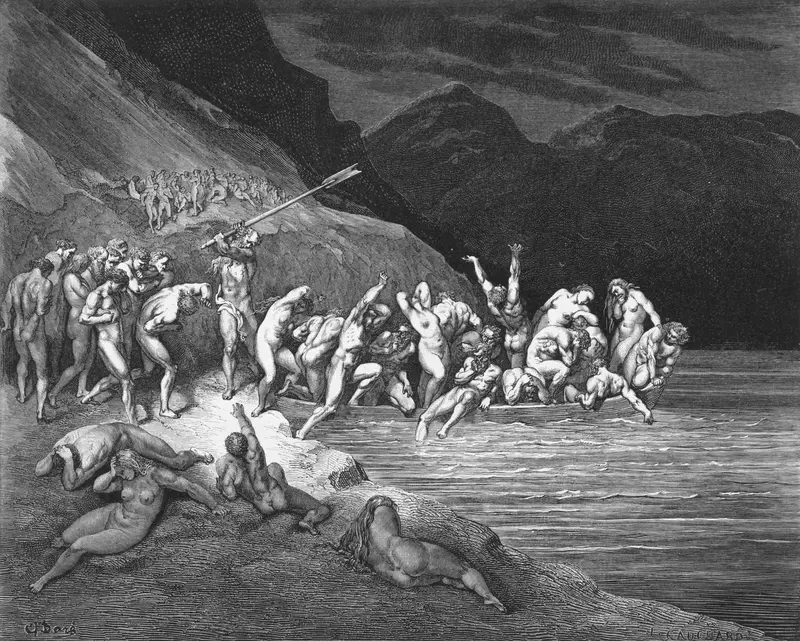
Charon (Inferno, Canto 3)
Gustave Doré
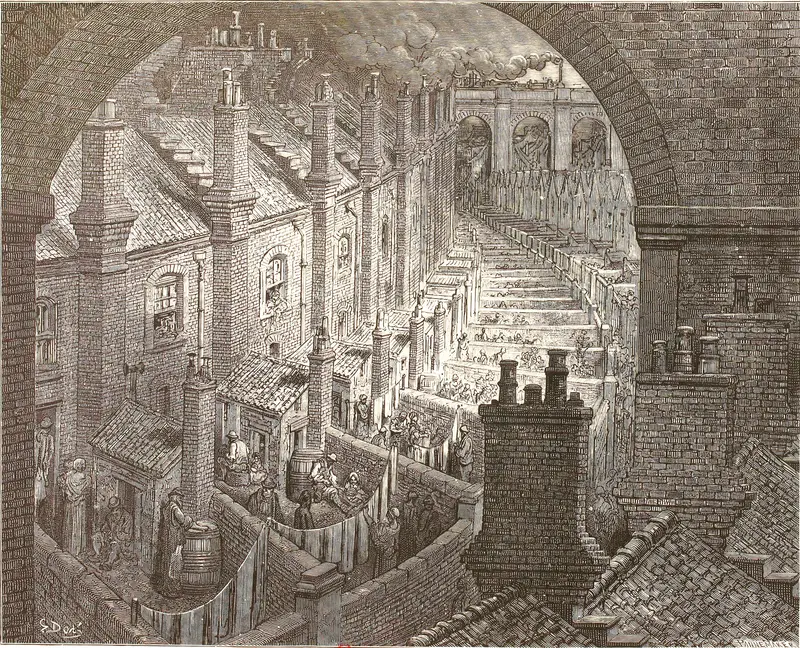
Over London by Rail
Gustave Doré
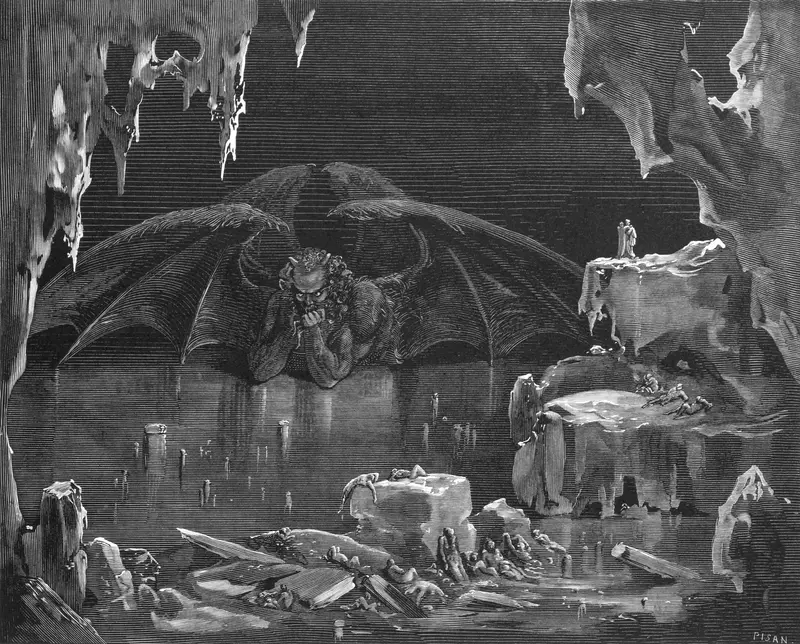
Lucifer, King of Hell
Gustave Doré
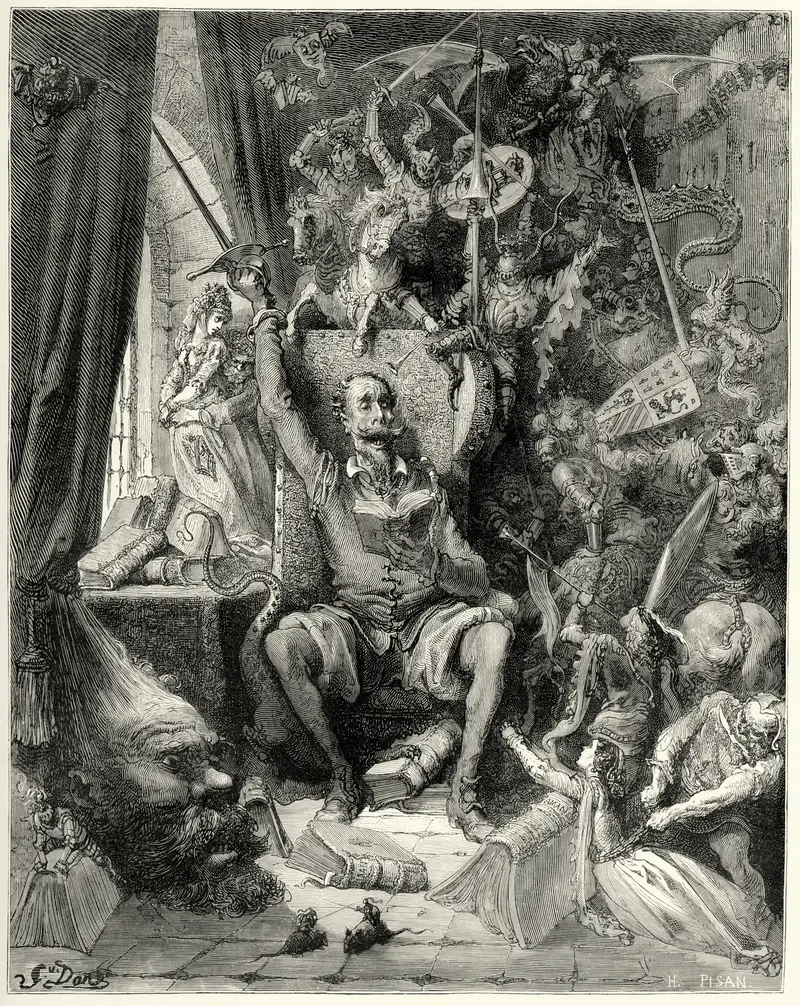
Don Quixote in His Library
Gustave Doré
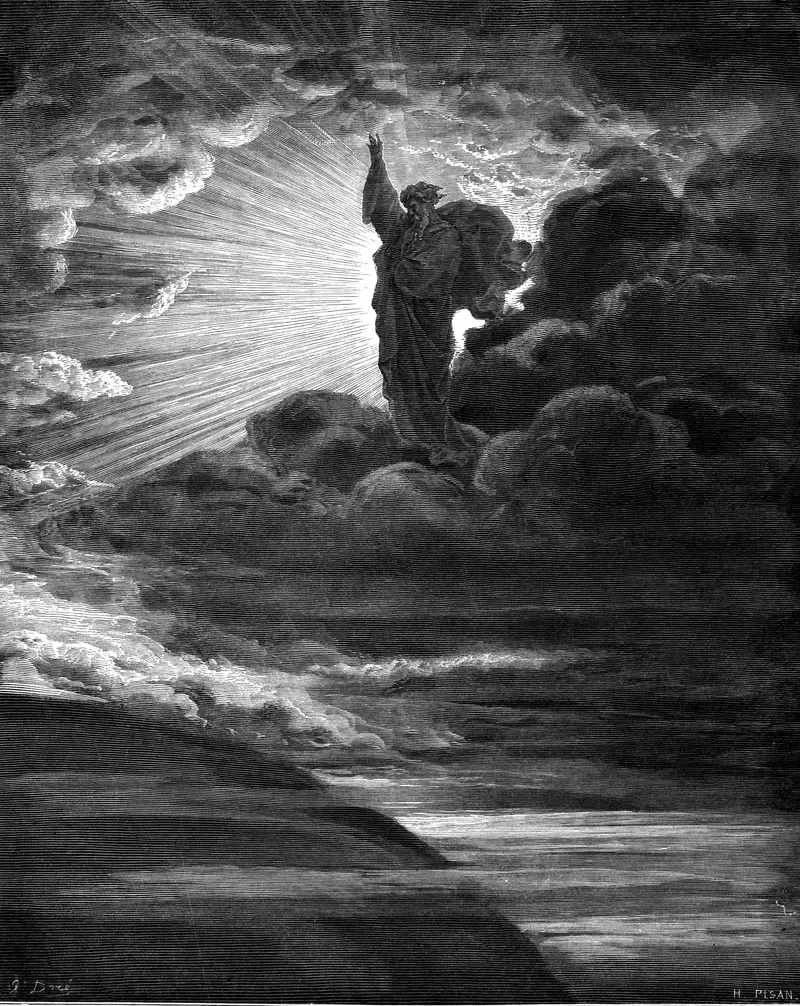
The Creation of Light
Gustave Doré
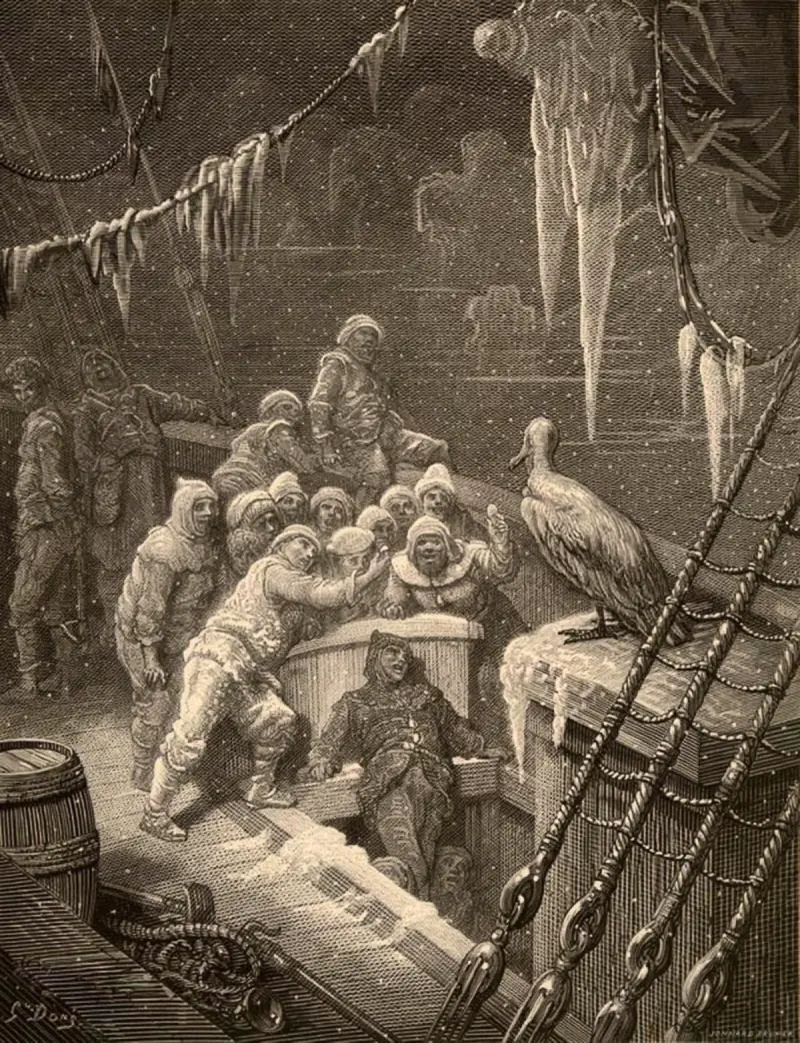
The Albatross (The Rime of the Ancient Mariner)
Gustave Doré
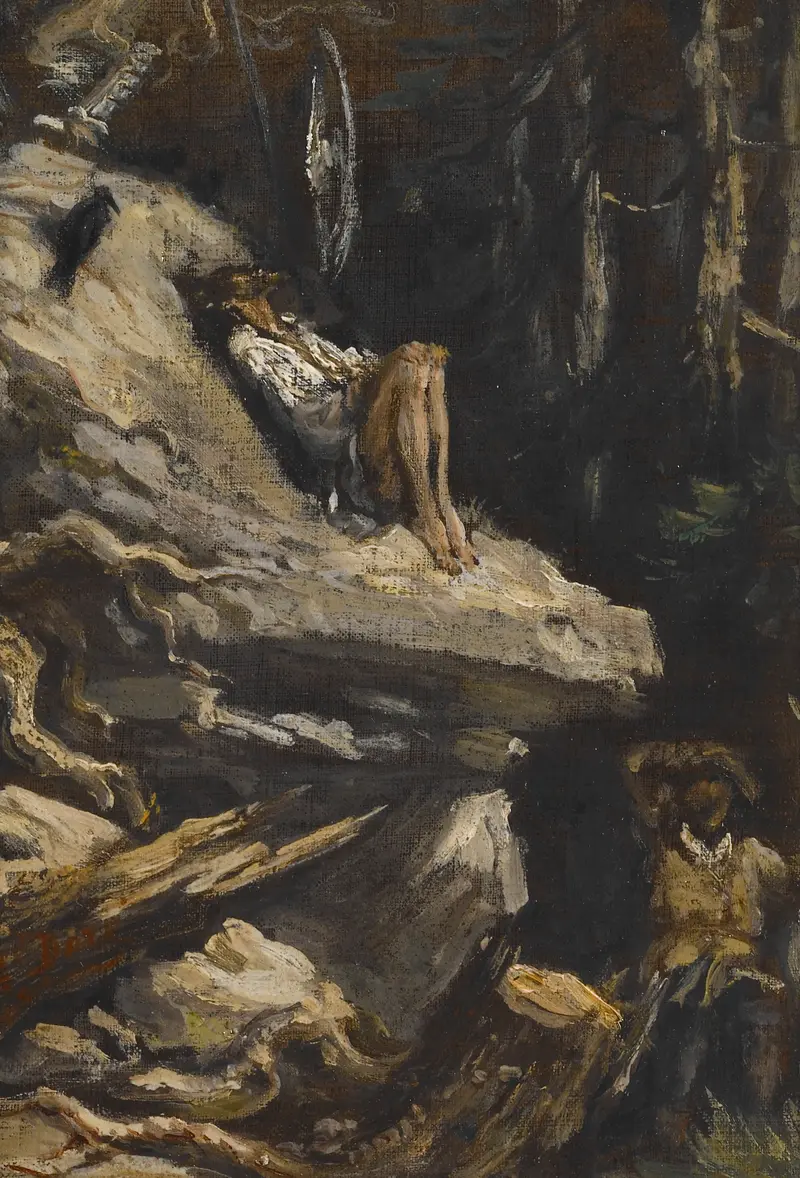
"'Alas!' answered Sancho, 'I found him in his shirt, lean, pale, and almost starved, sighing for his Lady Dulcinea'" from Don Quixote
Gustave Doré
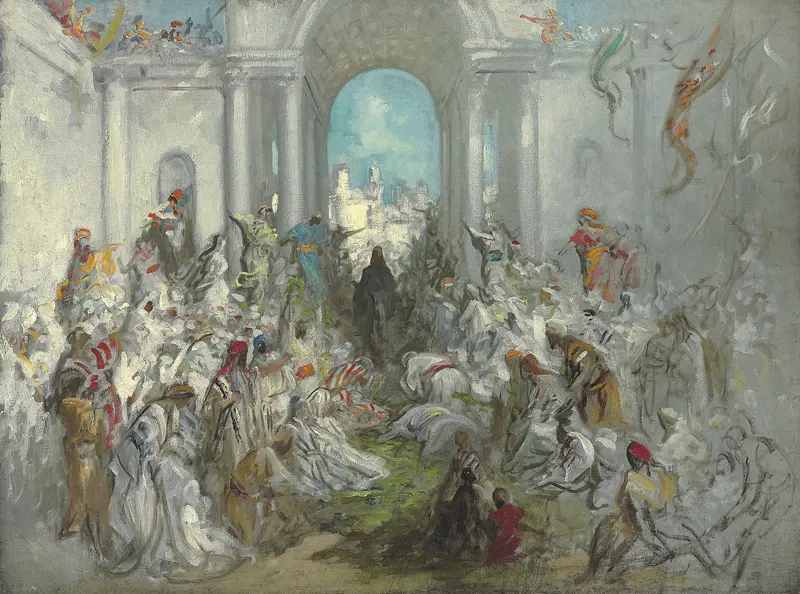
Christ's Entry into Jerusalem
Gustave Doré
More Landscape Art

The Starry Night
Vincent van Gogh

View of Delft
Johannes Vermeer

Water Lilies
Claude Monet

The Grand Canal, Venice, looking north-west from the Ca' Corner to the Ca' Contarini degli Scrigni, with the campanile of Santa Maria della Carità
Canaletto

Windsor Castle
Canaletto

The Grand Canal looking North-East from the Palazzo Dolfin-Manin to the Rialto Bridge
Canaletto