
Loch Katrine — History & Facts
In the world of Loch Katrine, illusion dances upon the surface of reality, inviting us into a serene landscape where nature's beauty is both vivid and ethereal. Look to the center of the composition, where the tranquil waters of the loch reflect a soft palette of blues and greens, creating an almost dreamlike quality. Notice how the delicate brushstrokes mimic the gentle ripples on the water's surface, blurring the lines between the lake and the surrounding hills. The interplay of light and shadow captures the fleeting moments of day, infusing the scene with a sense of peace and harmony. As you explore the canvas further, consider the contrast between the rugged peaks and the smooth water; this duality suggests an emotional tension inherent in nature.
The vibrant colors evoke feelings of joy and tranquility, yet the looming mountains remind us of the sublime power of the natural world. Here, the illusion of calmness is tinged with the awareness of life’s underlying turbulence, prompting introspection about our relationship with the environment. Alfred de Bréanski painted Loch Katrine during a period when British landscape painting was evolving, embracing the romanticism of nature. His works, often inspired by the Scottish Highlands, captured the essence of the landscape while reflecting his own experiences as an artist in the late 19th century.
It was a time of changing tastes in art, as artists sought to express not just the beauty of nature but also its emotional resonance.
More Artworks by Alfred de Bréanski
Browse all →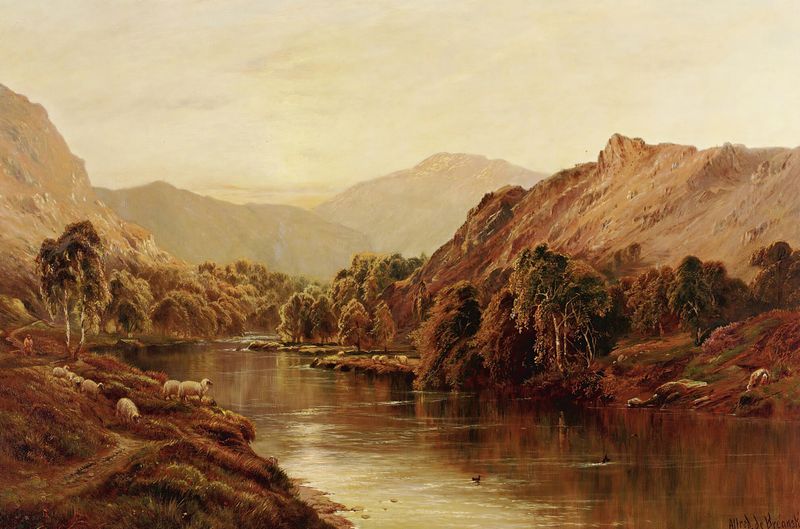
The Dee Near Balmoral
Alfred de Bréanski
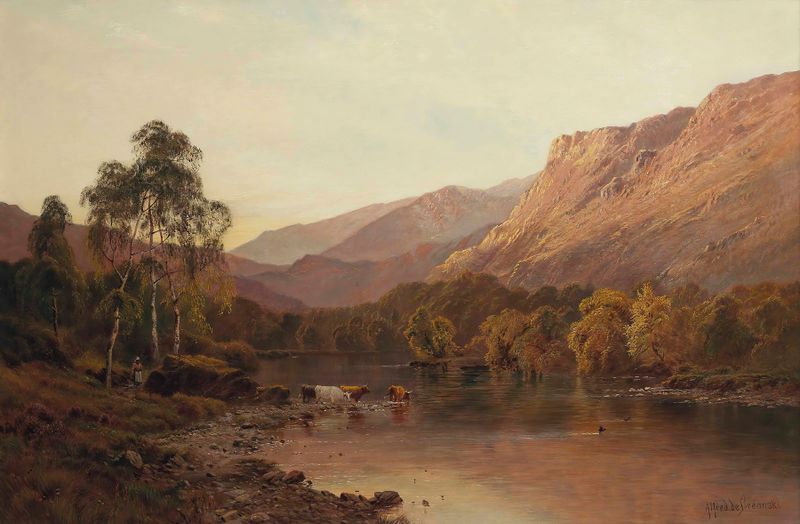
The Valley Of Borrowdale
Alfred de Bréanski
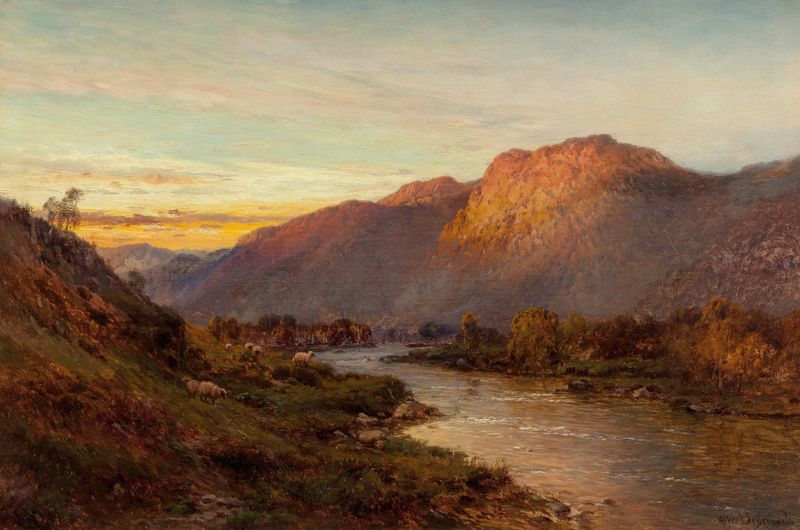
Below the Falls of Glenfinlas, Scotland
Alfred de Bréanski
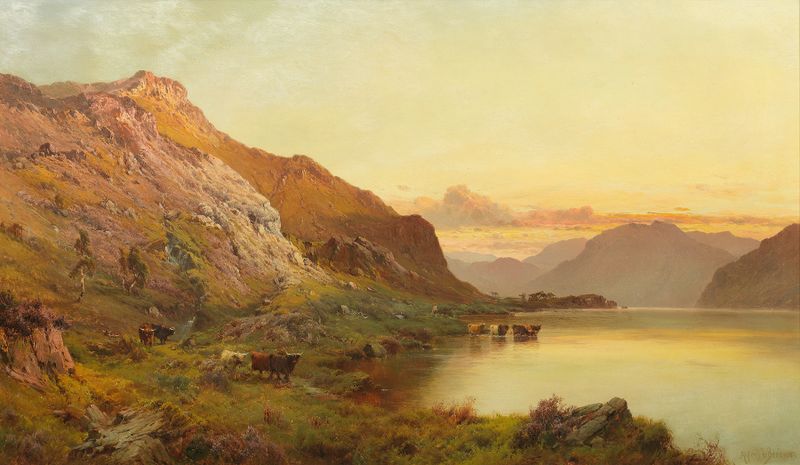
At the foot of Ben Nevis, N.B.
Alfred de Bréanski
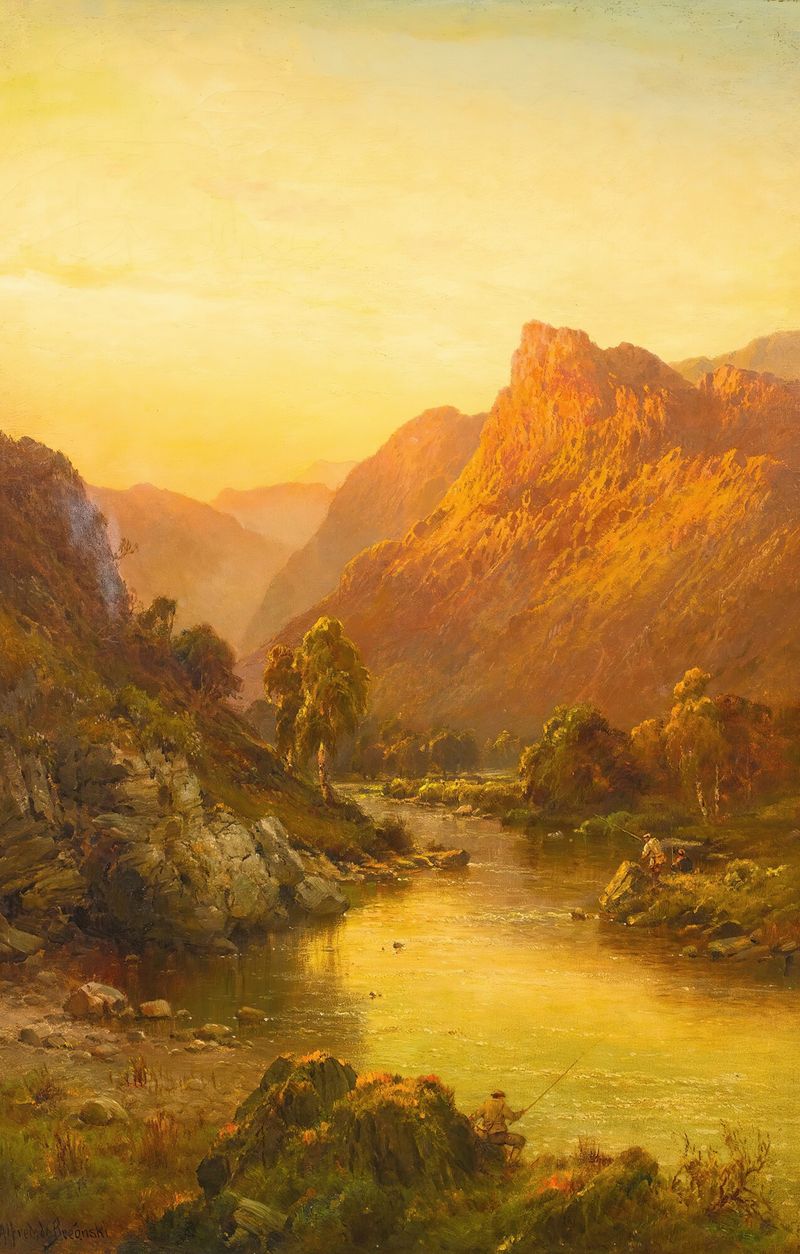
The Vale of Ben-Lawers
Alfred de Bréanski

Ben Lomond
Alfred de Bréanski
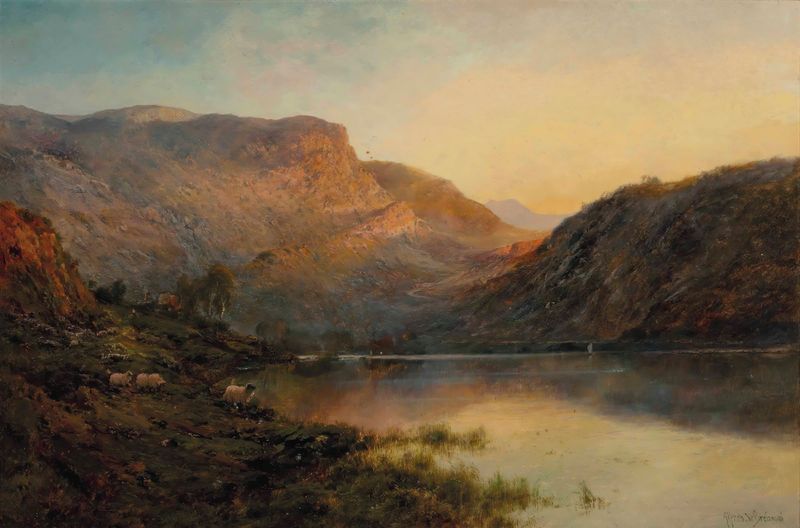
The Evening Glow, Vale Of Eagle, Loch Lomond
Alfred de Bréanski
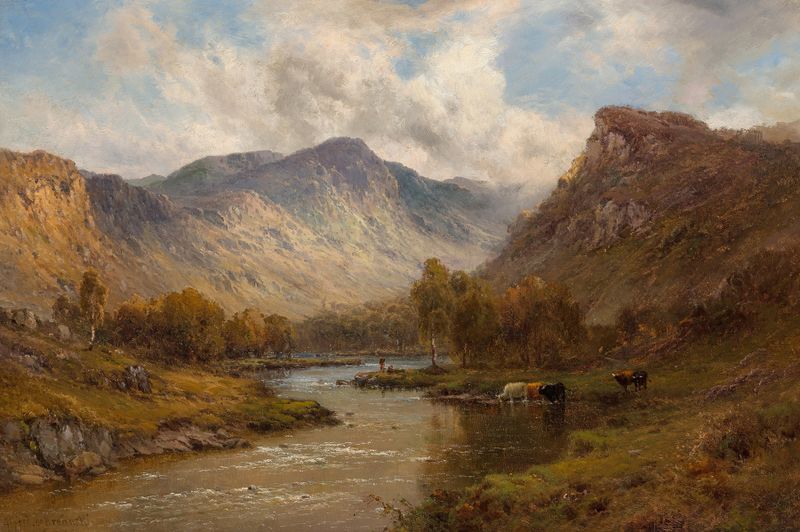
The Tay near Dunkeld, Scotland
Alfred de Bréanski

The Dee at Balmoral
Alfred de Bréanski

Highland landscape
Alfred de Bréanski





