
The Dee at Balmoral — History & Facts
Did the painter know this moment would outlive them? Each brushstroke in The Dee at Balmoral speaks of a longing that echoes through time, a yearning to capture the ephemeral beauty of nature. Look to the serene river winding through the canvas, its surface shimmering with hues of blue and green. Notice how the gentle flow of water reflects the dappled light filtering through the trees, creating an interplay of shadow and brightness. The foreground is dotted with lush vegetation, inviting the viewer to step closer, while the distant hills cradle the horizon, suggesting both permanence and the fleeting passage of time. Hidden within this tranquil landscape lies a tension between the stillness of the scene and the dynamism of nature.
The contrast between the vibrant foliage and the soft, muted sky evokes a sense of peace tinged with nostalgia. The artist’s careful attention to detail, from the textured bark of the trees to the ripples in the water, emphasizes the delicate balance of life, reminding us of our own transient existence in the larger tapestry of the world. During the late 19th century, Alfred de Bréanski found himself captivated by the beauty of the Scottish landscape, creating works that resonated with his personal experiences and the Romantic ideals of the time. Although the exact date of this piece remains unknown, it likely emerged when the artist was exploring the natural world, reflecting a shift in artistic focus toward capturing the essence of untamed beauty amidst the industrial changes occurring in society.
More Artworks by Alfred de Bréanski
Browse all →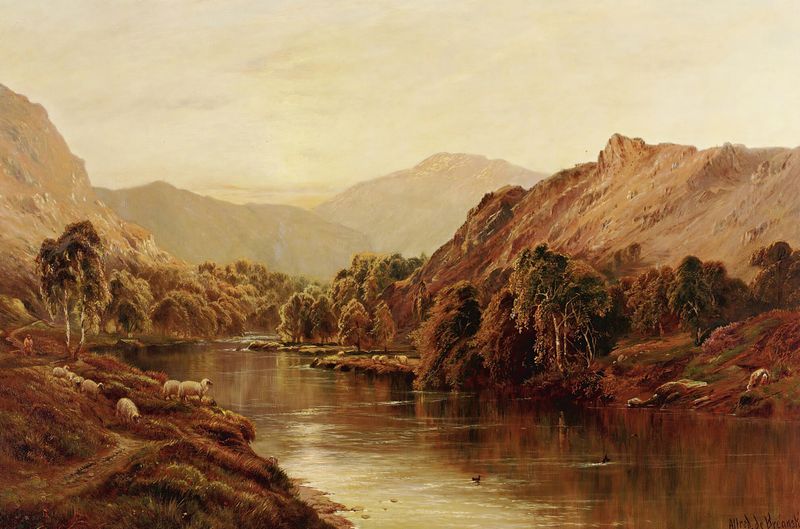
The Dee Near Balmoral
Alfred de Bréanski
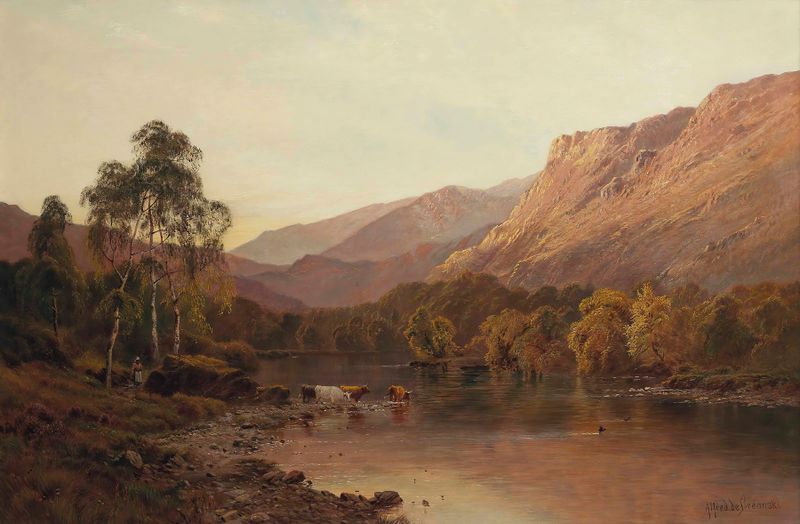
The Valley Of Borrowdale
Alfred de Bréanski
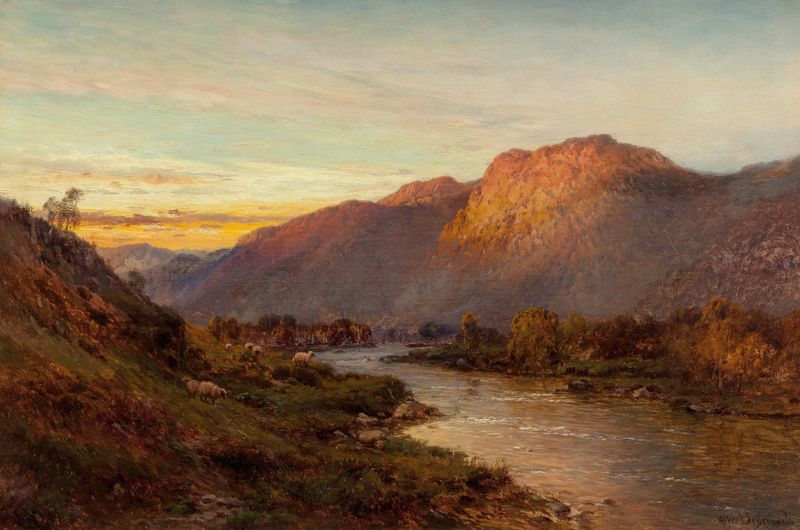
Below the Falls of Glenfinlas, Scotland
Alfred de Bréanski
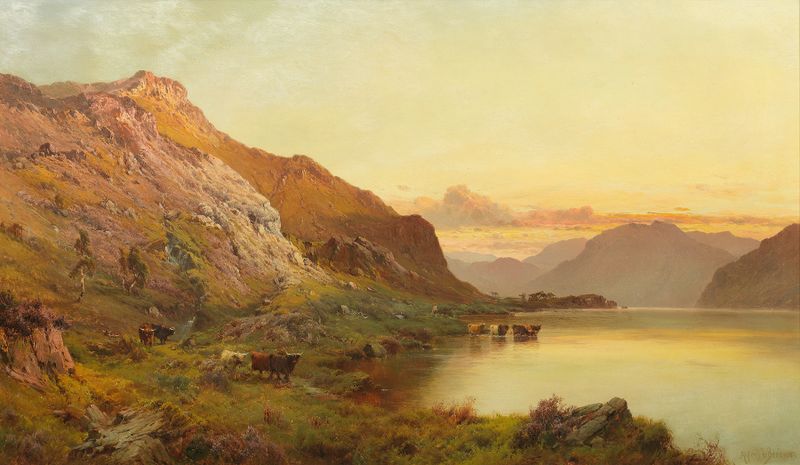
At the foot of Ben Nevis, N.B.
Alfred de Bréanski
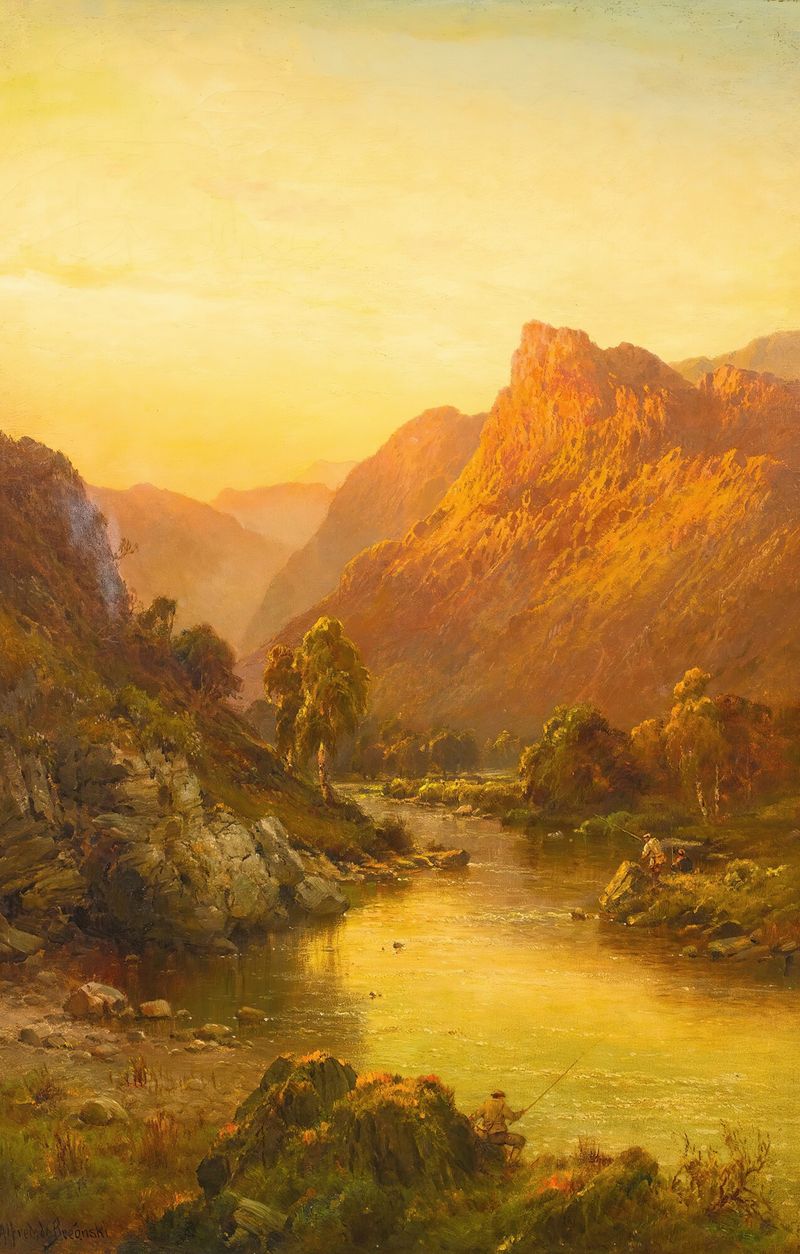
The Vale of Ben-Lawers
Alfred de Bréanski

Ben Lomond
Alfred de Bréanski
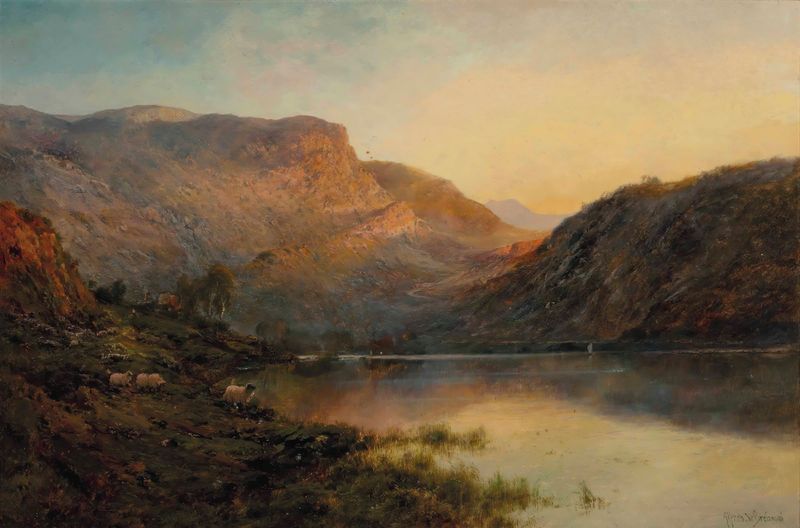
The Evening Glow, Vale Of Eagle, Loch Lomond
Alfred de Bréanski
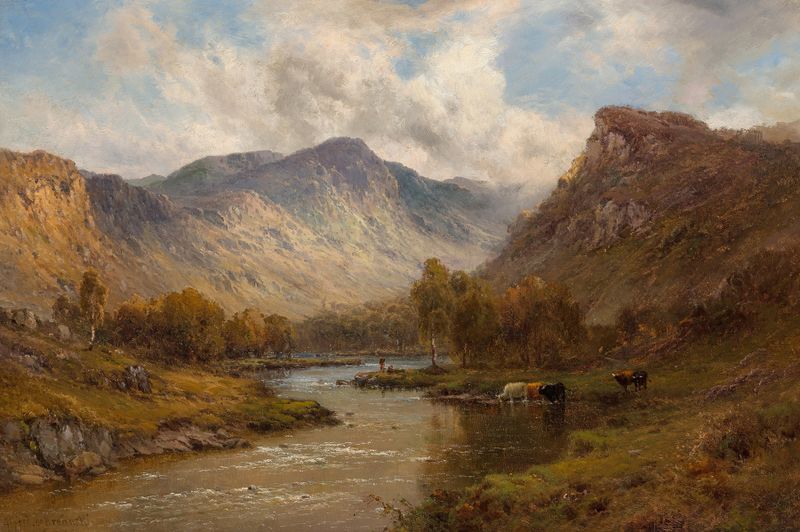
The Tay near Dunkeld, Scotland
Alfred de Bréanski

Highland landscape
Alfred de Bréanski
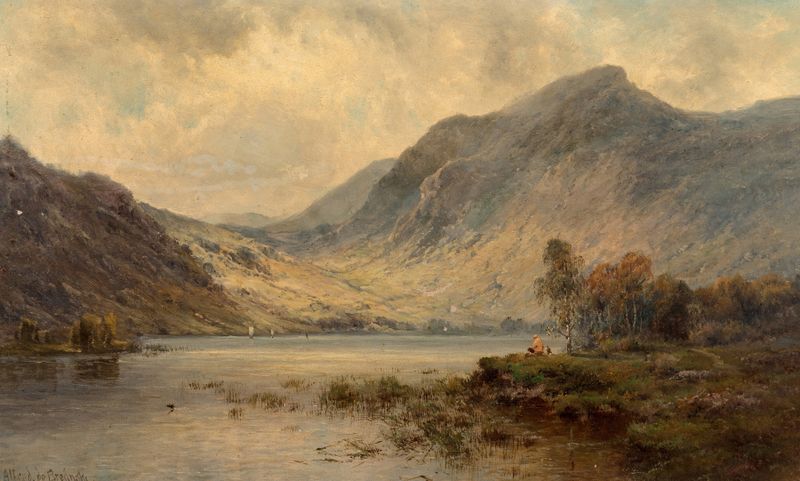
Loch Katrine
Alfred de Bréanski





