
Loch Lomond — History & Facts
Can paint confess what words never could? In the serene embrace of Loch Lomond, a world unfolds where reflections whisper secrets, allowing silence to speak volumes. Look to the center of the canvas, where the glassy waters mirror the majestic peaks surrounding them. Notice how the artist deftly captures the interplay of light and shadow, creating a dynamic contrast that breathes life into the landscape. The lush greens of the foreground invite the viewer’s gaze, while the softer blues and whites of the sky and mountains draw the eye upward, crafting a harmonious balance between earth and sky. Yet, beneath this tranquil exterior lies a deeper narrative.
The stillness of the water, a perfect reflection of the sky, suggests both clarity and ambiguity, evoking a sense of introspection. The juxtaposition of rugged mountain silhouettes against the fluidity of the water introduces a tension between permanence and transience. This duality prompts the viewer to ponder not just the beauty of nature but the fleeting moments captured within it. During the late 19th century, Alfred de Bréanski created Loch Lomond while based in England, amidst a growing admiration for the sublime beauty of the British landscape.
At this time, the art world was shifting, moving towards Impressionism, yet de Bréanski held onto a more traditional style, blending meticulous detail with emotional depth. His works often celebrated the natural beauty of Scotland, reflecting both national pride and a personal connection to the land.
More Artworks by Alfred de Bréanski
Browse all →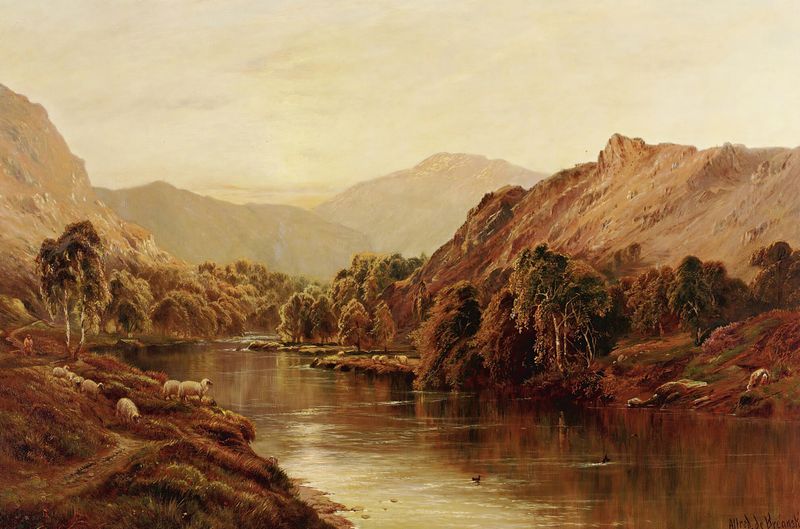
The Dee Near Balmoral
Alfred de Bréanski
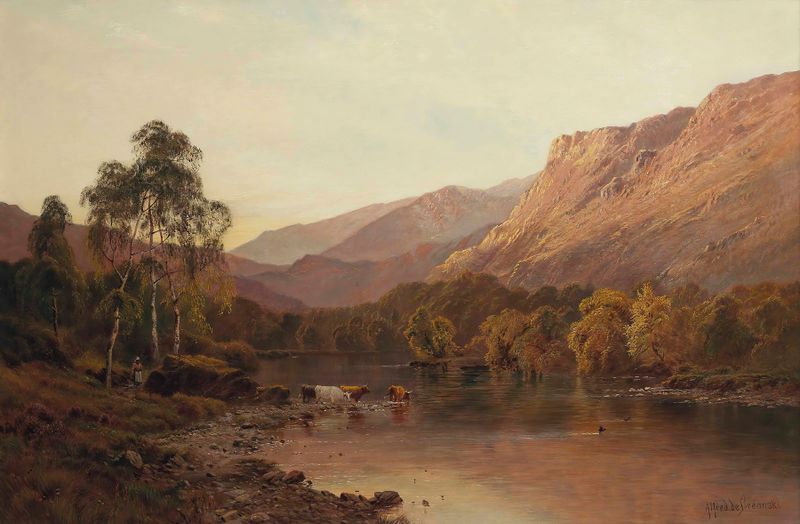
The Valley Of Borrowdale
Alfred de Bréanski
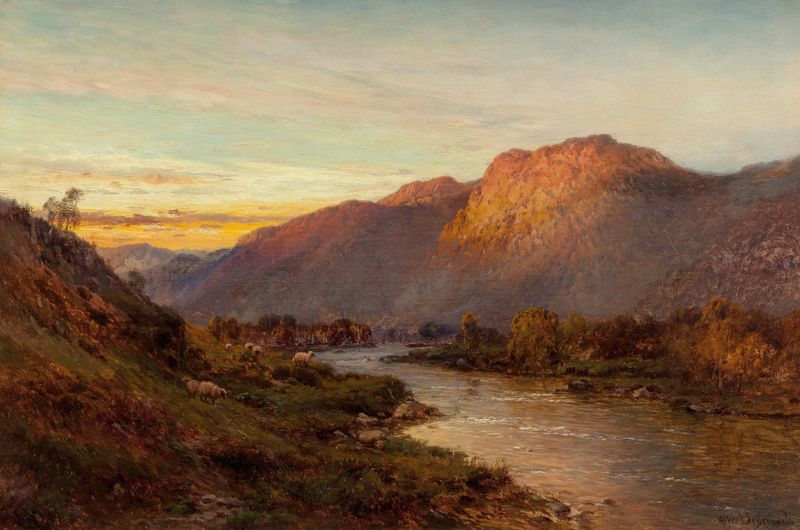
Below the Falls of Glenfinlas, Scotland
Alfred de Bréanski
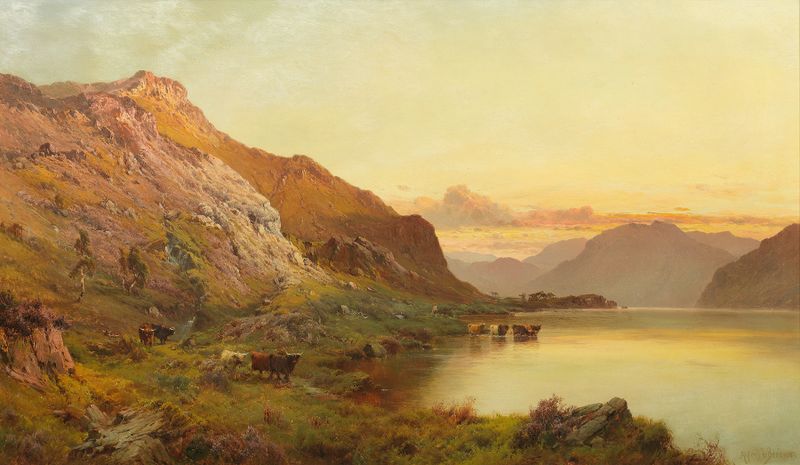
At the foot of Ben Nevis, N.B.
Alfred de Bréanski
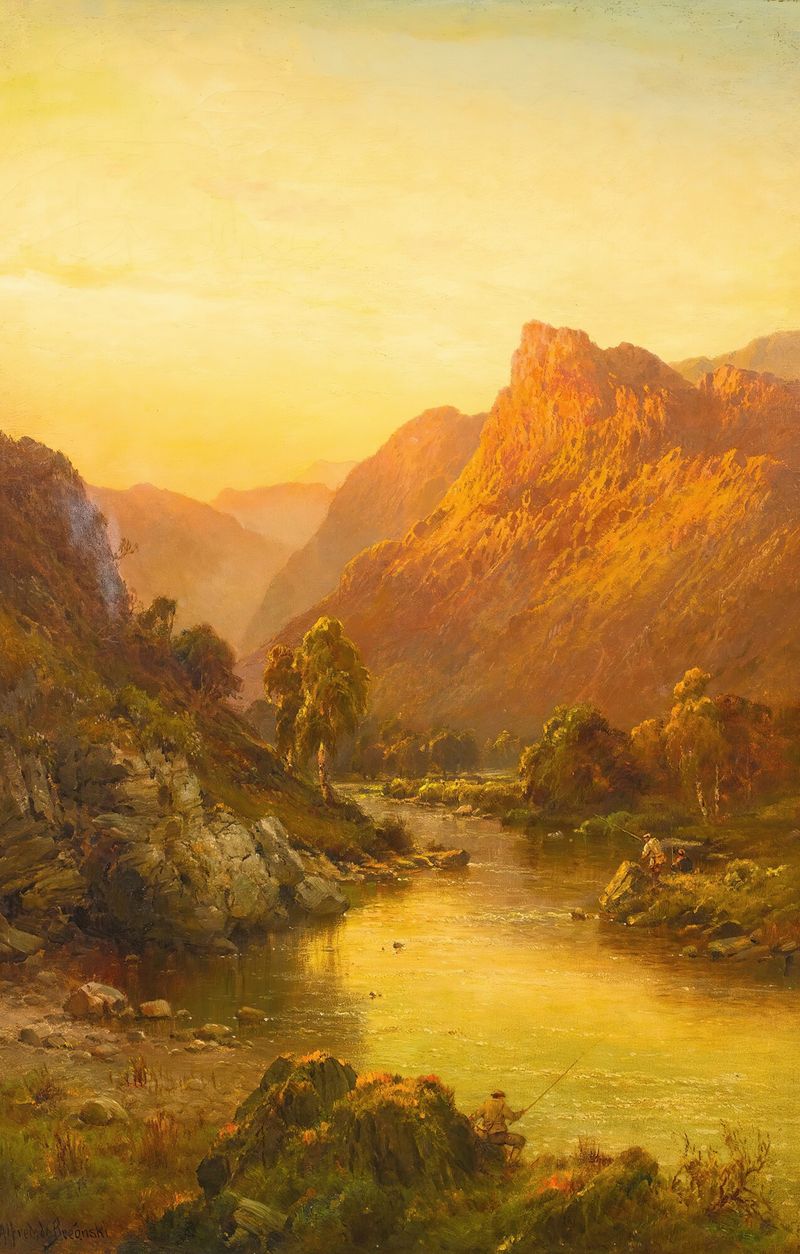
The Vale of Ben-Lawers
Alfred de Bréanski

Ben Lomond
Alfred de Bréanski
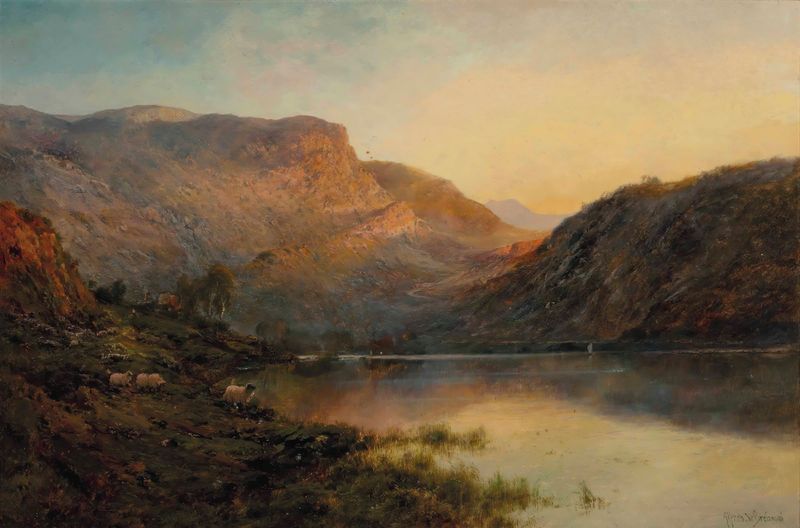
The Evening Glow, Vale Of Eagle, Loch Lomond
Alfred de Bréanski
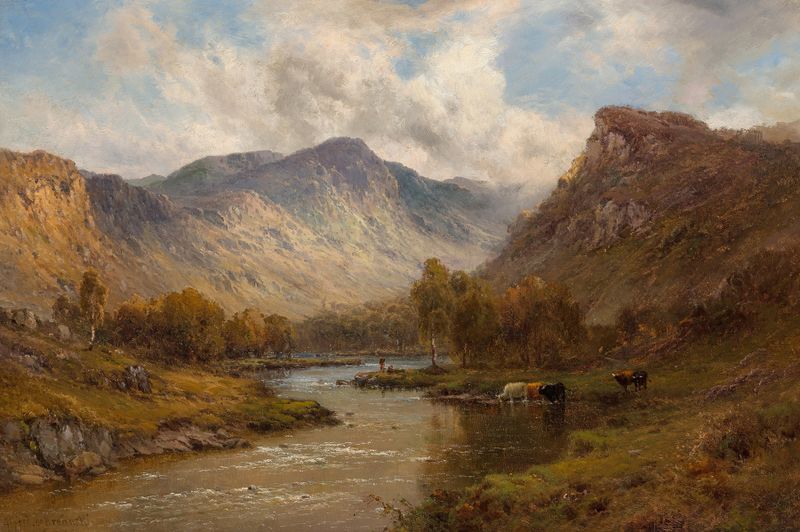
The Tay near Dunkeld, Scotland
Alfred de Bréanski

The Dee at Balmoral
Alfred de Bréanski

Highland landscape
Alfred de Bréanski





