
Loch Lomond — History & Facts
Can paint confess what words never could? In Loch Lomond, the brushstrokes seem to whisper the unspeakable tales of nature’s depths, where madness and serenity intertwine. Look to the left at the gentle slopes of the hills, draped in lush greens that draw the eye with their soft vibrancy. The shimmering waters of the loch stretch out, capturing the fleeting light of the day as it dances across the surface, creating an interplay of blues and silvers. Notice how the clouds linger in the sky, their soft edges blending with the horizon, adding a dreamlike quality that invites contemplation.
The composition balances tranquility and restlessness, where each element serves to enhance both the beauty and the untamed essence of the Scottish landscape. Beneath the calm facade lies a tension between order and chaos. The serenity of the loch contrasts sharply with the swirling clouds overhead, hinting at a storm that may arrive uninvited, a metaphor for the unpredictability of nature. The lone boatman, a mere silhouette against the expansive backdrop, embodies solitude and introspection, suggesting a journey into the unknown.
This dance between light and shadow evokes a sense of madness, illustrating how beauty can sometimes mask deeper emotional struggles. Richard Parkes Bonington painted Loch Lomond in 1826 during a time of artistic exploration and innovation in Europe. His work emerged amidst the Romantic movement, where artists sought to express intense emotions and the sublime aspects of nature. Living in France at the time, Bonington was influenced by the changing landscapes and the burgeoning interest in capturing ephemeral moments, a reflection of both his personal life and the broader cultural shifts around him.
More Artworks by Richard Parkes Bonington
Browse all →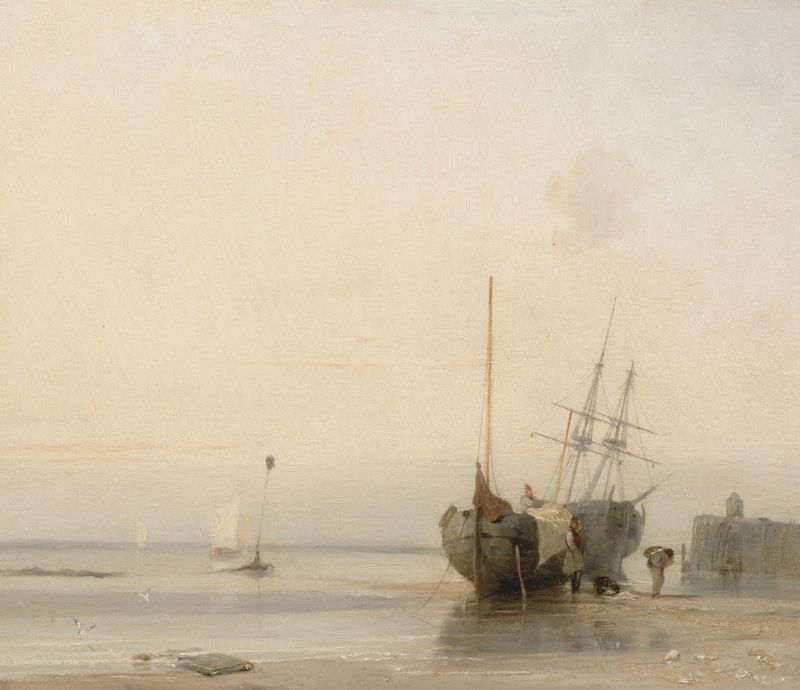
Calais Jetty, France
Richard Parkes Bonington
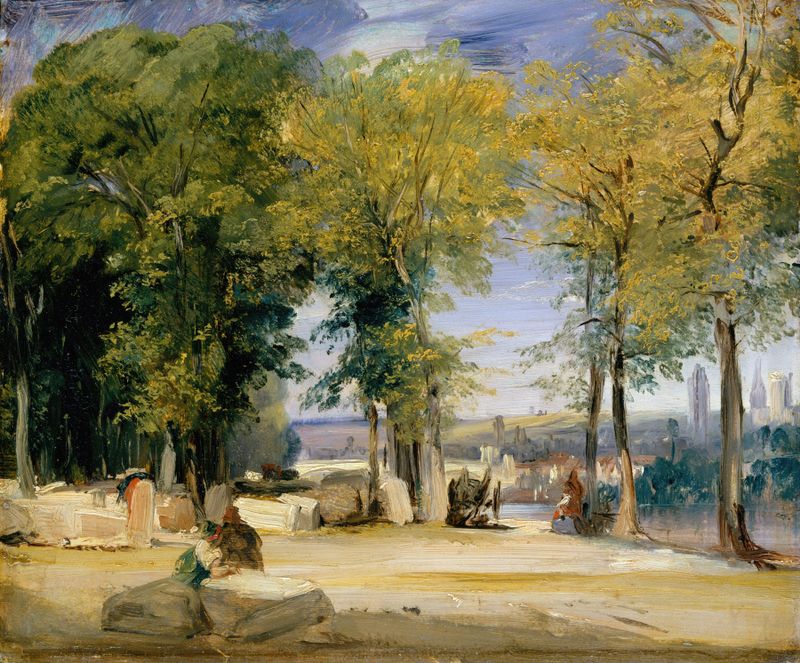
View near Rouen
Richard Parkes Bonington
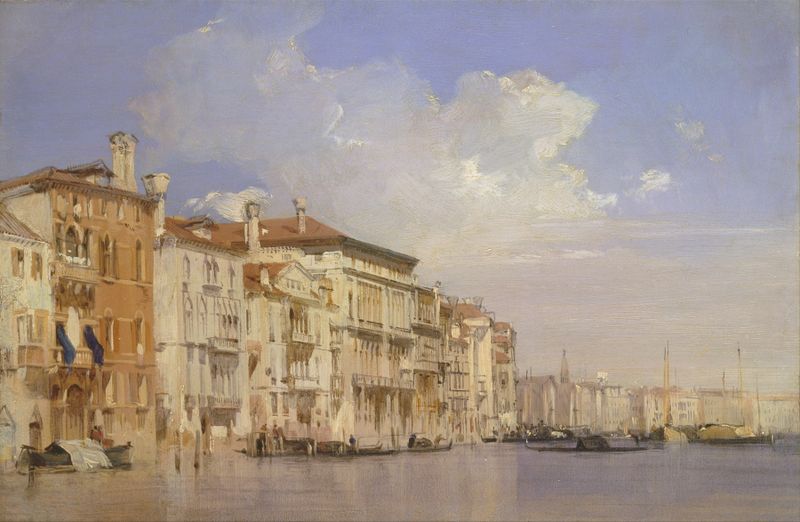
Grand Canal, Venice
Richard Parkes Bonington
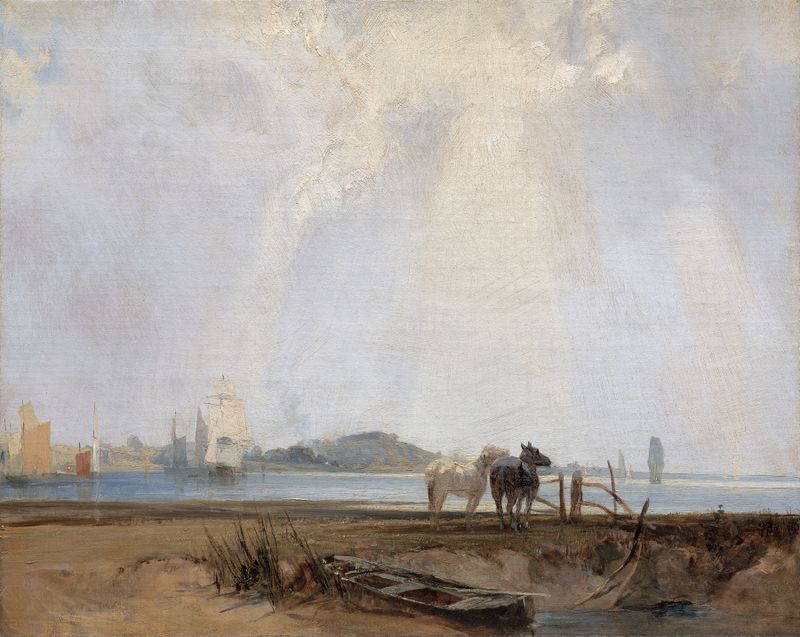
Near Quillebeuf
Richard Parkes Bonington
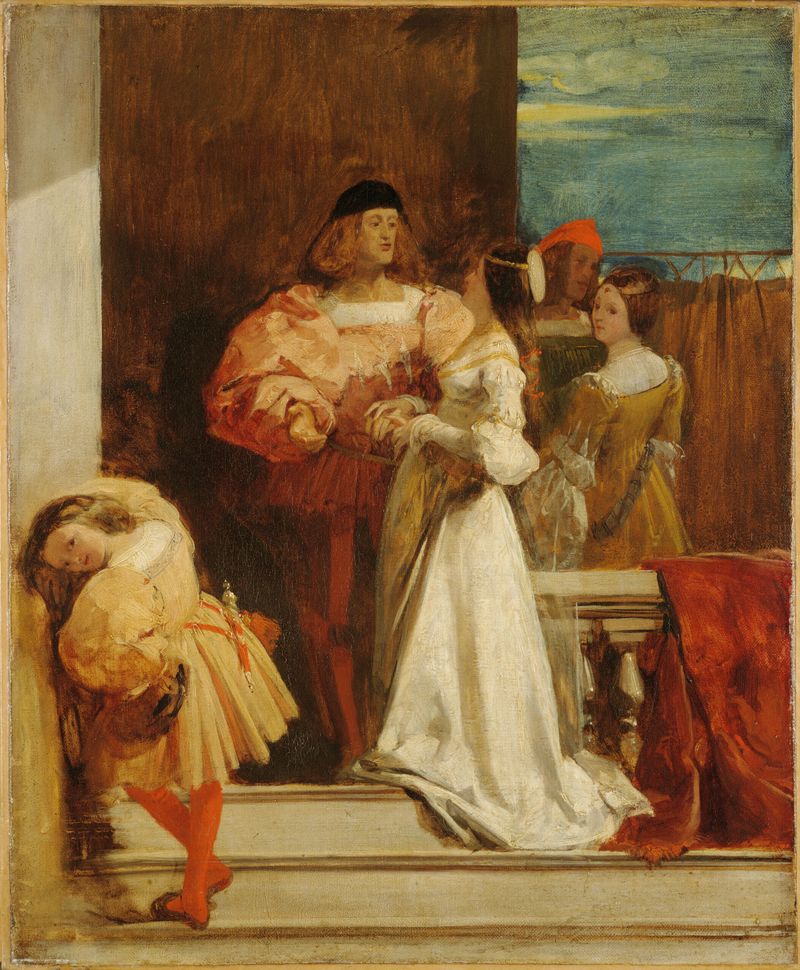
Evening in Venice
Richard Parkes Bonington
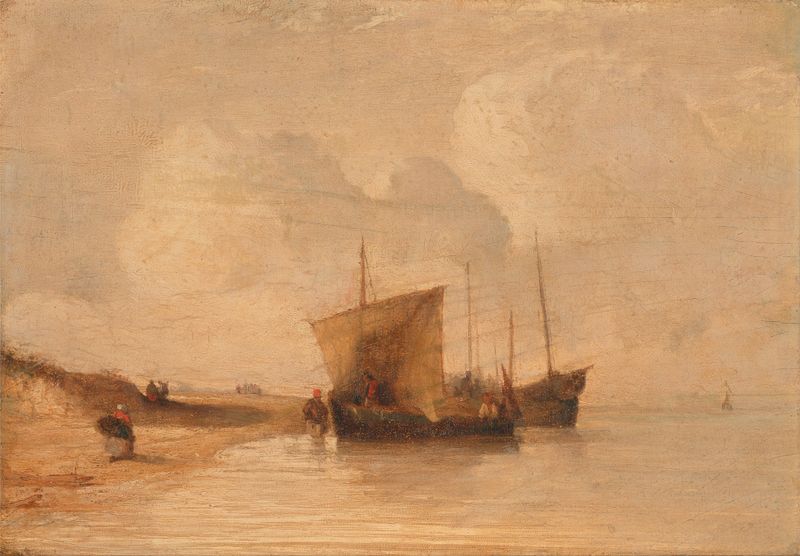
Normandy Coast
Richard Parkes Bonington
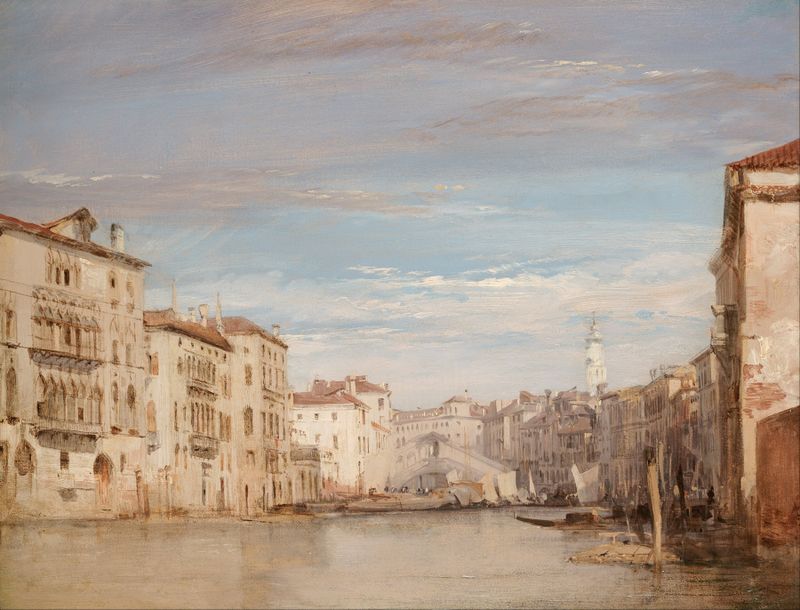
The Grand Canal, Venice, Looking Toward the Rialto
Richard Parkes Bonington
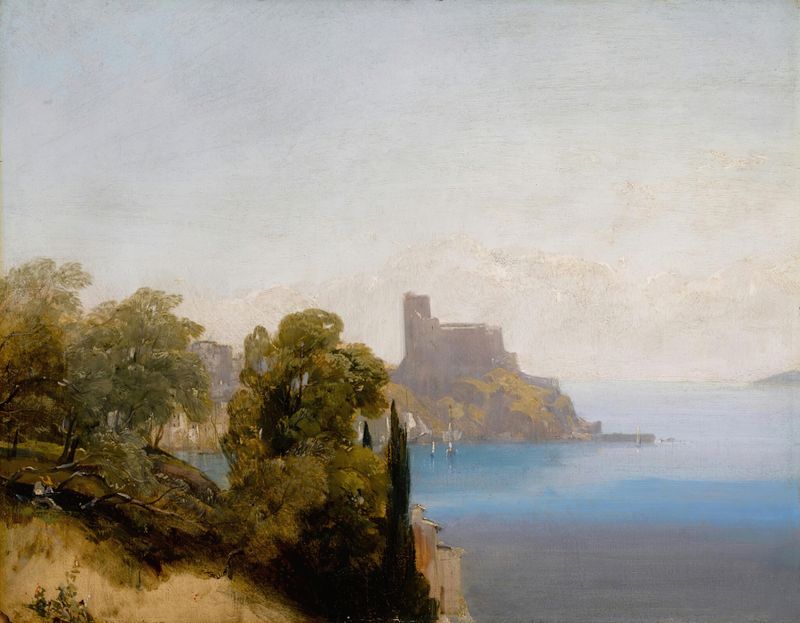
View of Lerici with Baron Charles Rivet sketching in the foreground
Richard Parkes Bonington
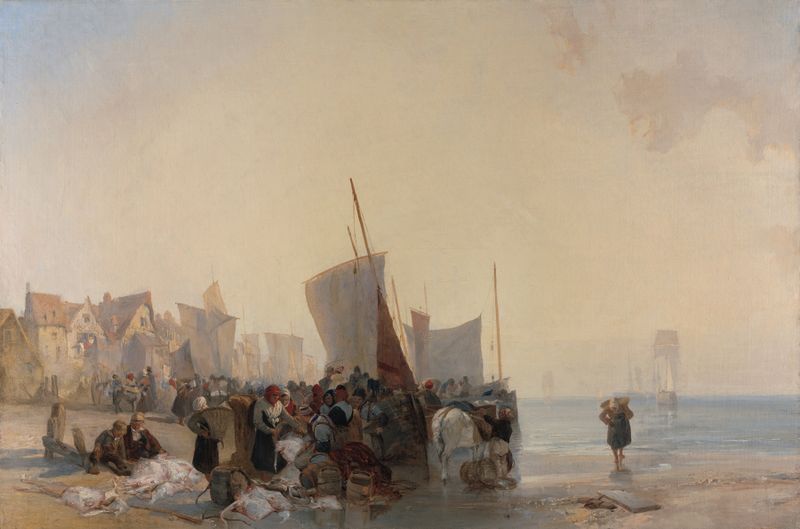
A Fish-market near Boulogne
Richard Parkes Bonington
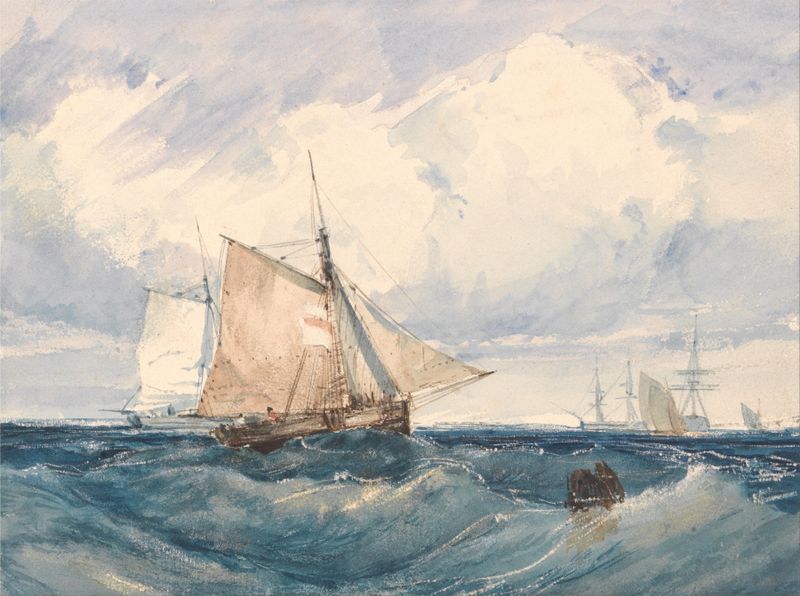
A Cutter and other shipping in a Breeze
Richard Parkes Bonington





