
Loch Lomond — History & Facts
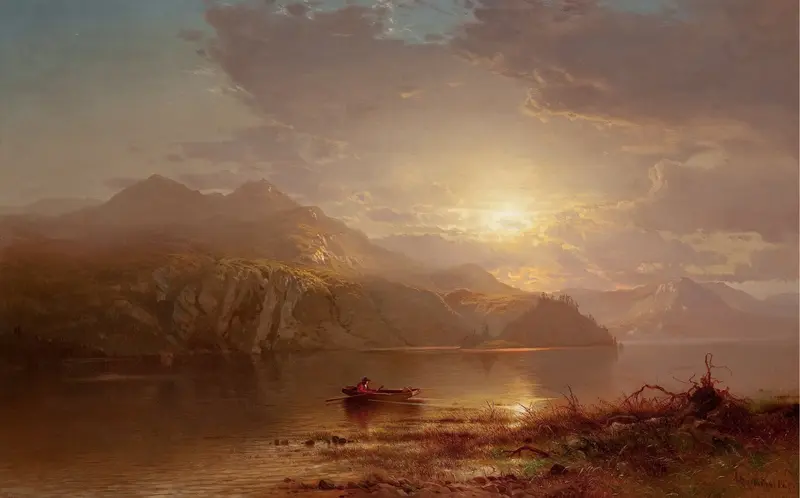
A single plume of cloud drifts low over the Scottish hills, its reflection trembling in the quiet waters of the loch. The eye is drawn first to the luminous band of light that stretches across the lake’s surface, a pathway of gold dividing the shadowed foreground from the sunlit slopes beyond. In the lower left, a cottage crouches in the reeds, its chimney barely catching the last of the light, while a solitary boat glides almost unnoticed toward the far shore.
The composition leads the viewer gently from the dark, intimate grasses at the water’s edge to the vast, open sky—a journey from the near and knowable to the distant and mysterious. The palette, all mossy greens and honeyed browns, sets a mood of calm after rain, as if the world is pausing to breathe. Loch Lomond belongs to a tradition of landscape painting that flourished in the nineteenth century, when artists and patrons alike sought both escape and identity in scenes of untamed nature. Painters such as Arthur Parton—an American known for his atmospheric views—looked to the lakes and mountains of Scotland for inspiration, drawn by their reputation for wildness and romance.
Works like this were often collected for private homes, bringing a sense of the picturesque into urban drawing rooms far from the places they depicted. The date and medium of this particular painting remain uncertain, and history has kept few traces of its early life. Today, it resides in the collection of the Indianapolis Museum of Art, inviting viewers to step into its hush and trace the light as it moves across water and hill.
More Artworks by Arthur Parton
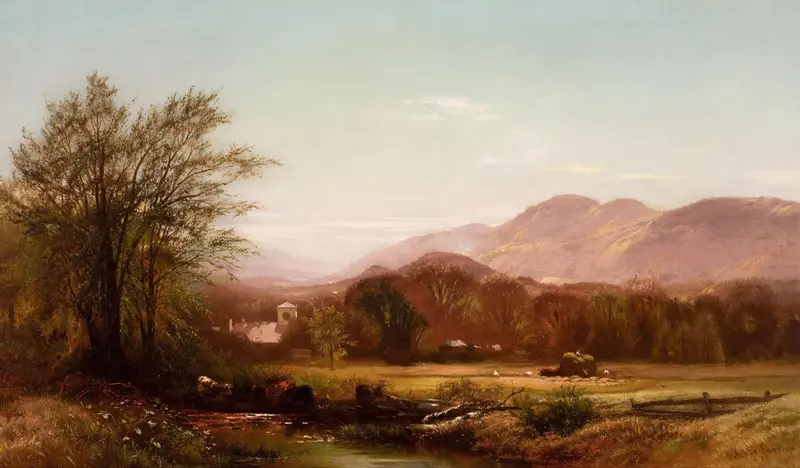
Berkshire Landscape
Arthur Parton
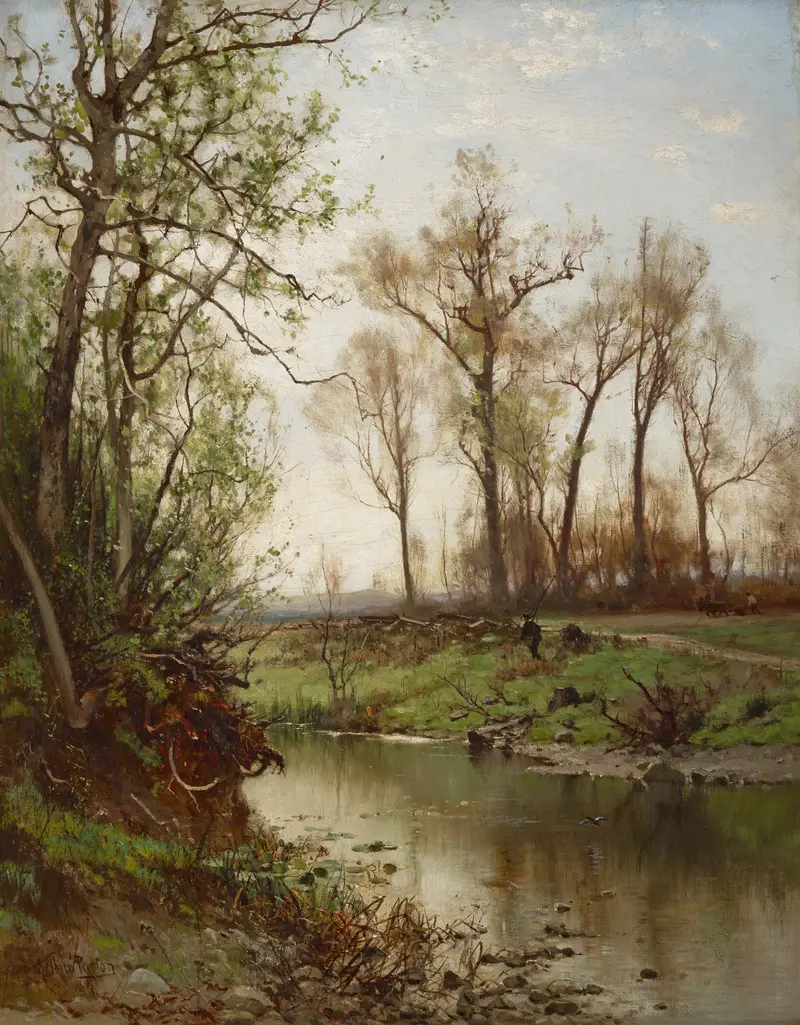
Early Spring
Arthur Parton
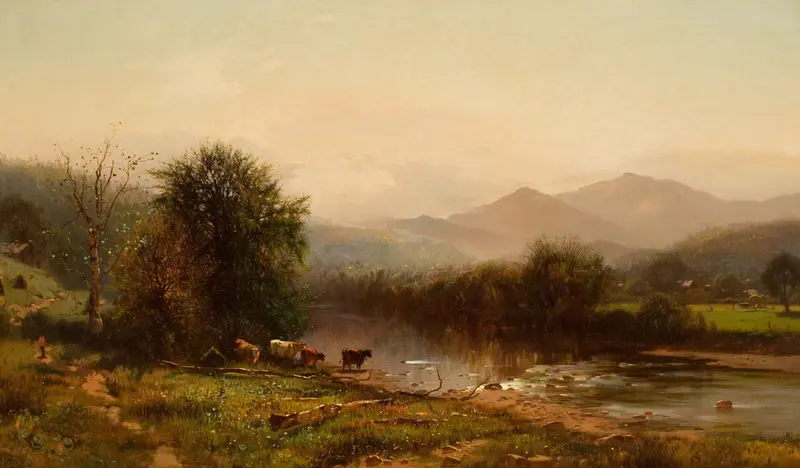
Berkshire Landscape
Arthur Parton
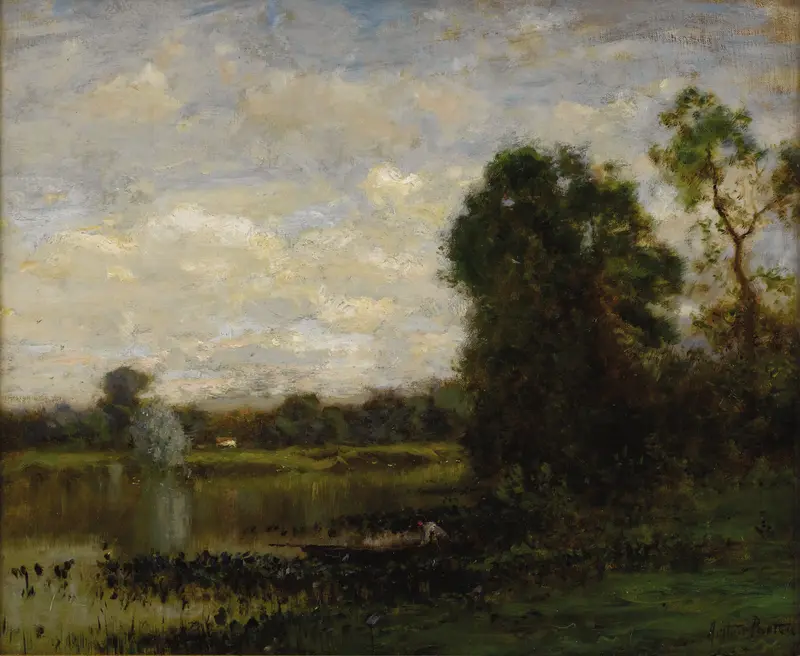
Summer Afternoon
Arthur Parton
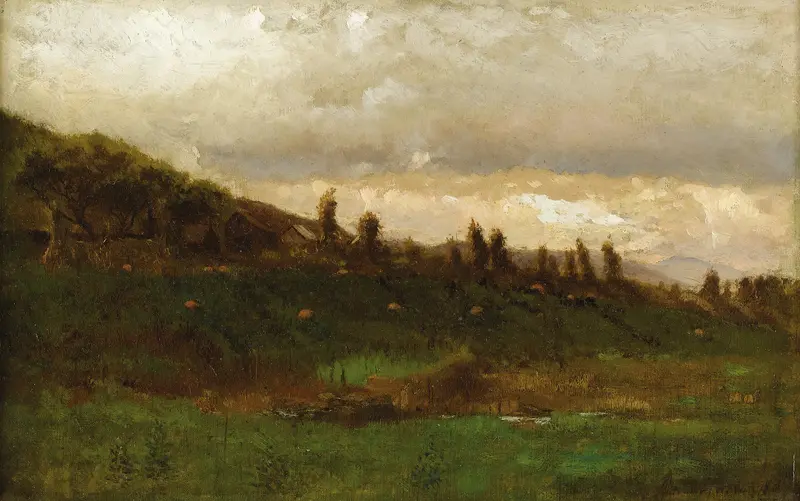
Pumpkins in a Field
Arthur Parton
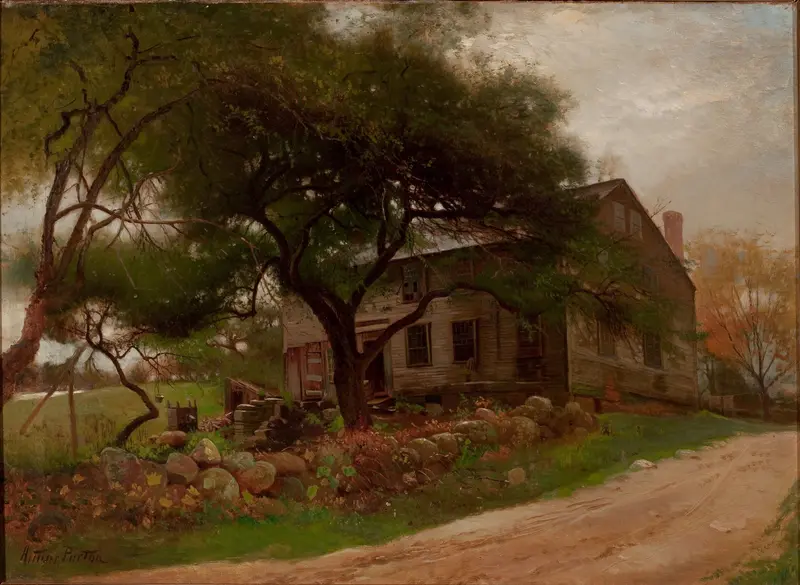
Old Farm House in the Catskills
Arthur Parton
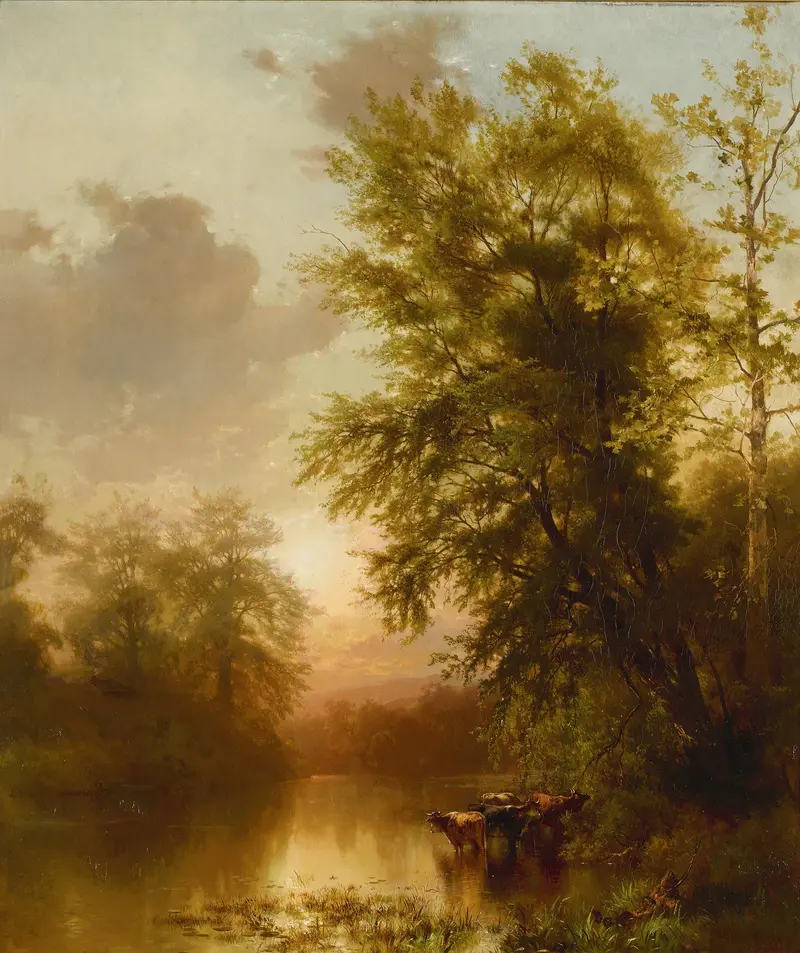
Summer Afternoon on the Delaware
Arthur Parton
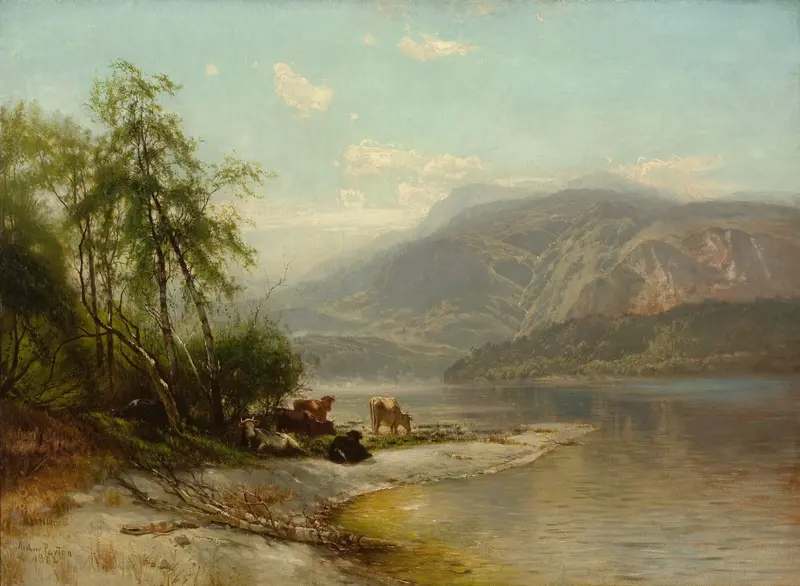
Cows Watering at River’s Edge
Arthur Parton
Lake Scene
Arthur Parton
More Landscape Art

The Starry Night
Vincent van Gogh

View of Delft
Johannes Vermeer

Water Lilies
Claude Monet

The Grand Canal, Venice, looking north-west from the Ca' Corner to the Ca' Contarini degli Scrigni, with the campanile of Santa Maria della Carità
Canaletto

Windsor Castle
Canaletto

The Grand Canal looking North-East from the Palazzo Dolfin-Manin to the Rialto Bridge
Canaletto