
Early Spring — History & Facts
The first thing that draws the eye in Early Spring by Arthur Parton is the hush that seems to settle over the landscape, as if the world is holding its breath for the season to unfold. The water’s surface, glassy and undisturbed, mirrors the pale sky above, pulling the viewer in with its quiet invitation. Look closer and you’ll see how the painter uses the delicate green of new leaves and the bare, reaching branches to signal the moment when winter yields to spring.
The trees on the left, just beginning to bud, lean into the scene, framing the gentle bend of the stream and guiding the gaze toward the distant, light-filled horizon. The low vantage point and the meandering waterway make the viewer a participant—a wanderer pausing at the edge of this awakening world. Works like this, rooted in the American landscape tradition of the late nineteenth century, were painted for a public eager to see the natural world rendered with both fidelity and feeling. Arthur Parton belonged to a generation of artists who found inspiration in the changing seasons and the subtleties of light, following in the footsteps of the Hudson River School but with a softer, more intimate approach.
The painting’s home in the collection of the Indianapolis Museum of Art speaks to the enduring appeal of such scenes, even when little is recorded about their individual histories. What remains is the artist’s invitation: to linger in the cool shade, to trace the first blush of green, and to let the quiet promise of spring draw you deeper into the picture.
More Artworks by Arthur Parton
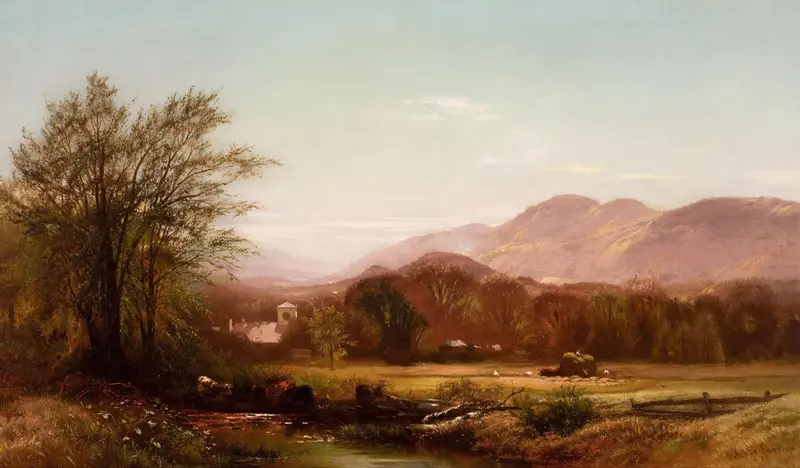
Berkshire Landscape
Arthur Parton
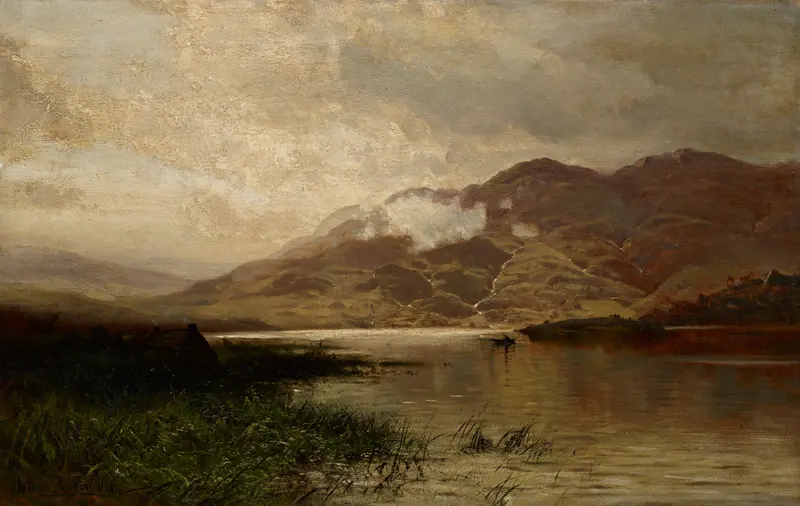
Loch Lomond
Arthur Parton
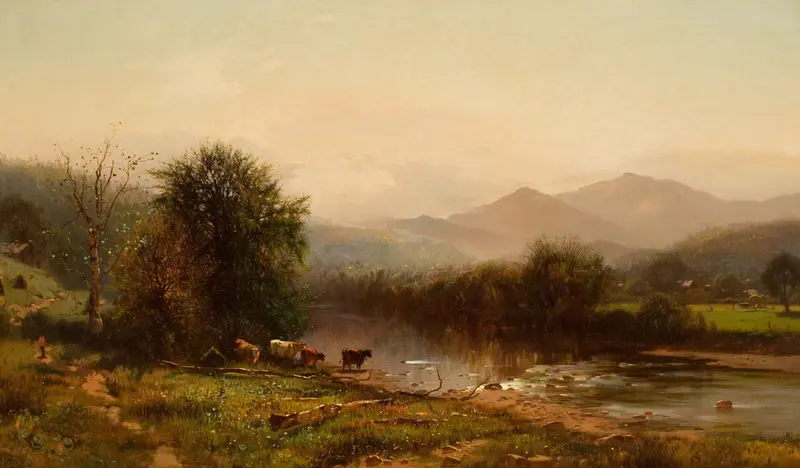
Berkshire Landscape
Arthur Parton
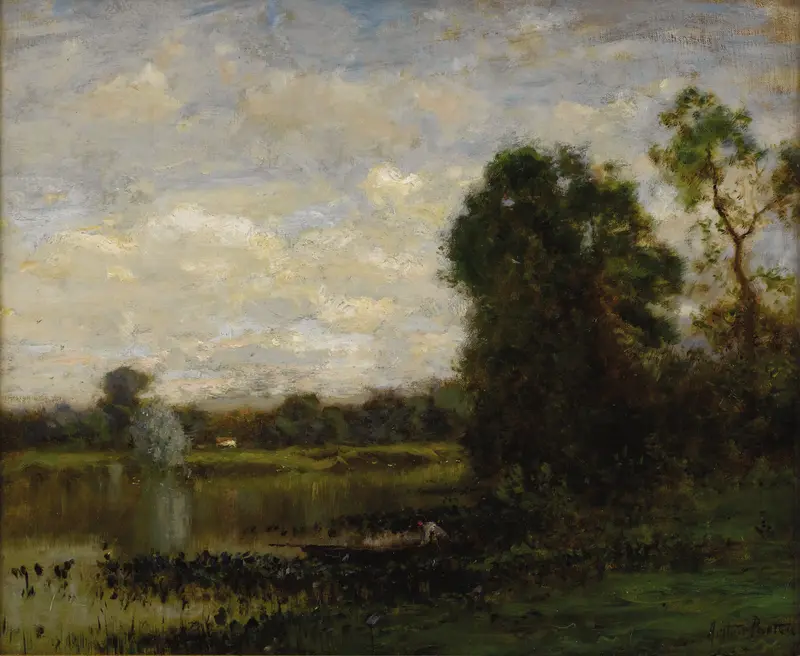
Summer Afternoon
Arthur Parton
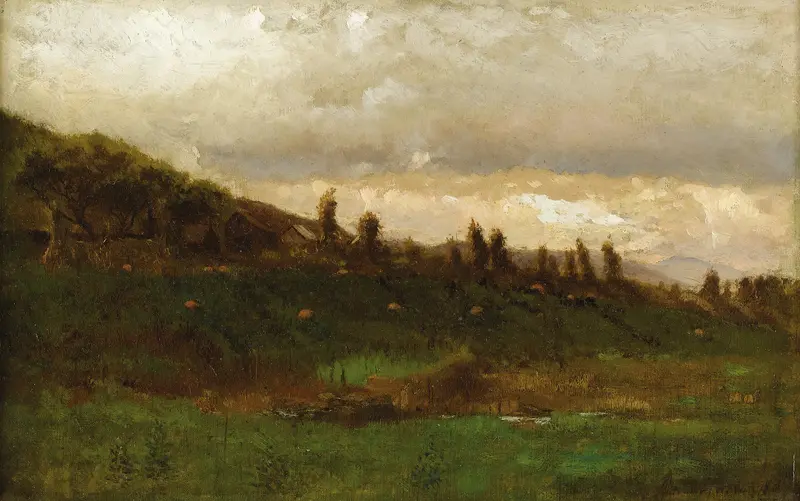
Pumpkins in a Field
Arthur Parton
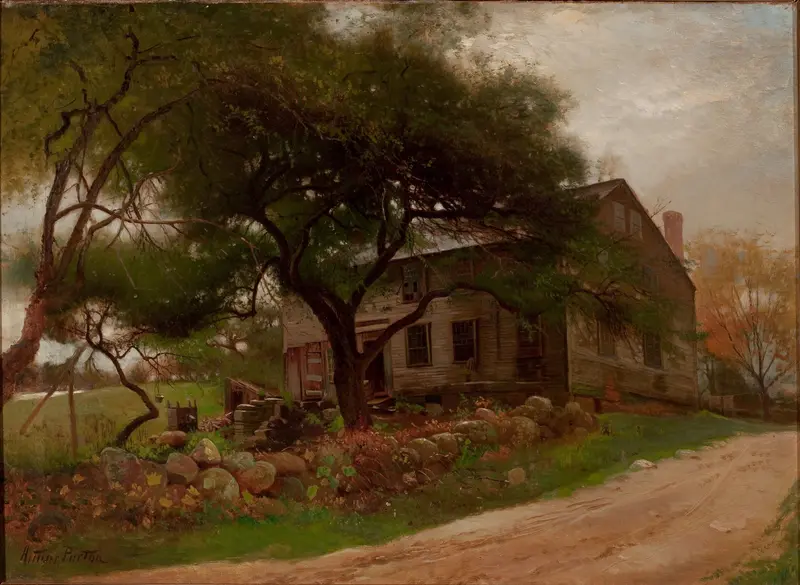
Old Farm House in the Catskills
Arthur Parton
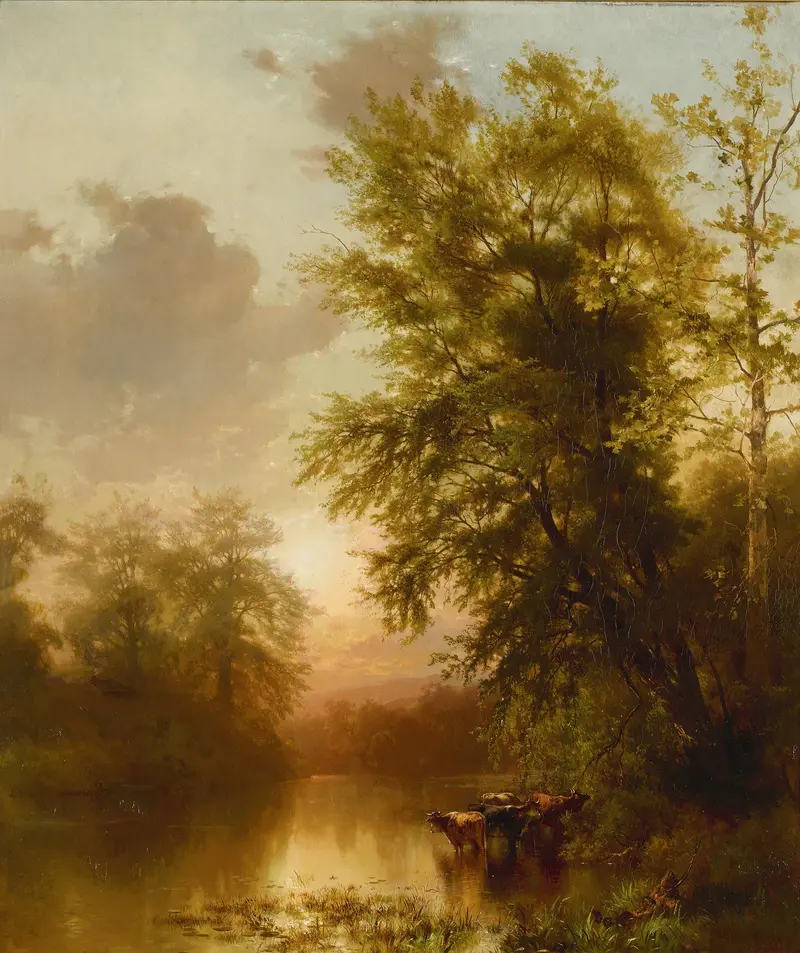
Summer Afternoon on the Delaware
Arthur Parton
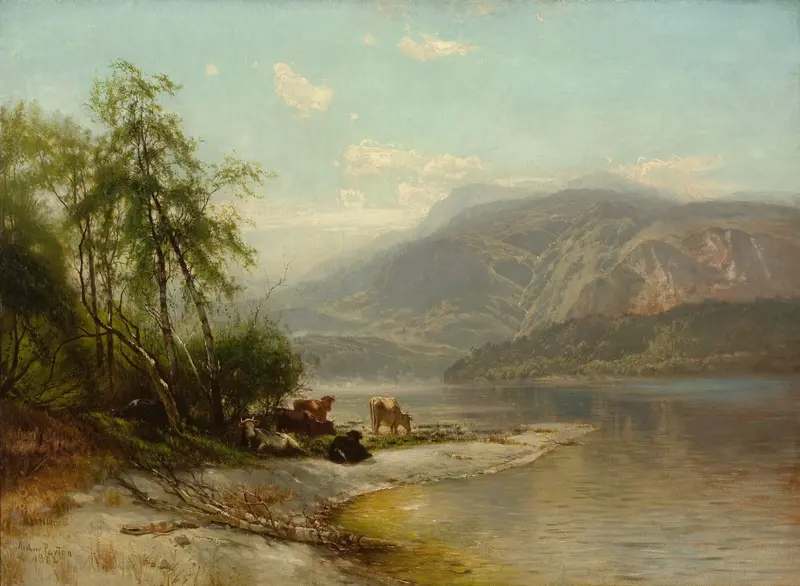
Cows Watering at River’s Edge
Arthur Parton
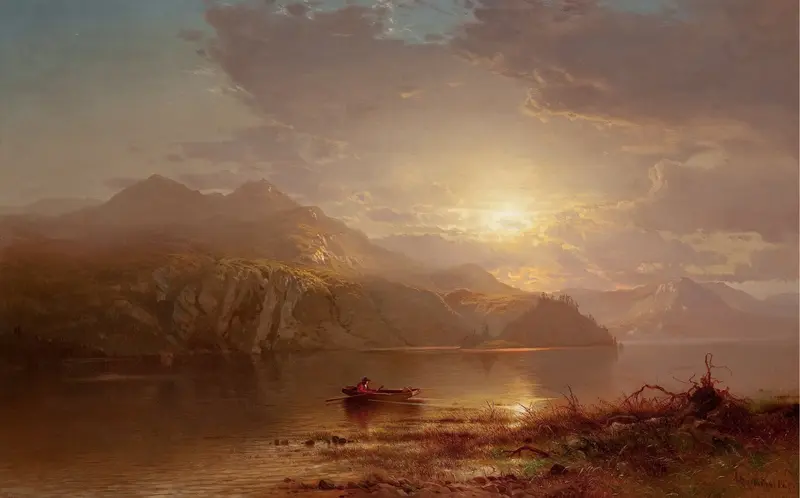
Lake Scene
Arthur Parton
More Landscape Art

The Starry Night
Vincent van Gogh

View of Delft
Johannes Vermeer

Water Lilies
Claude Monet

The Grand Canal, Venice, looking north-west from the Ca' Corner to the Ca' Contarini degli Scrigni, with the campanile of Santa Maria della Carità
Canaletto

Windsor Castle
Canaletto

The Grand Canal looking North-East from the Palazzo Dolfin-Manin to the Rialto Bridge
Canaletto