Logement d’artiste aux Gobelins — History & Facts
Did the painter know this moment would outlive them? In Logement d’artiste aux Gobelins, the essence of creativity is captured in a tender embrace of light, space, and solitude. Look to the left at the soft glow filtering through the window, illuminating the scattered brushes and paint tubes strewn across the table. The muted palette—earthy browns and gentle blues—creates a harmonious balance, evoking a sense of calm yet buzzing potential. Each object feels thoughtfully placed, as if the artist has just stepped away, leaving behind fragments of inspiration that linger in the air. Beneath the surface, the painting reveals the tension between chaos and order.
Notice how the disarray of the artist's tools contrasts with the serene order of the room, suggesting both the struggles and joys of creation. The light plays a significant role, inviting viewers to reflect on the transient nature of artistic passion—a fleeting moment captured forever, rich with the promise of the unknown. In 1926, Ferdinand Boberg painted this work during a time of significant artistic evolution in Paris, where traditional methods began to blend with emerging modernist styles. He was influenced by the vibrant art scene surrounding him, grappling with personal uncertainties and the restless spirit of the era.
As he rendered this intimate space, he encapsulated not just his own experience but also the universal journey of all artists, creating a legacy that resonates through time.
More Artworks by Ferdinand Boberg
Browse all →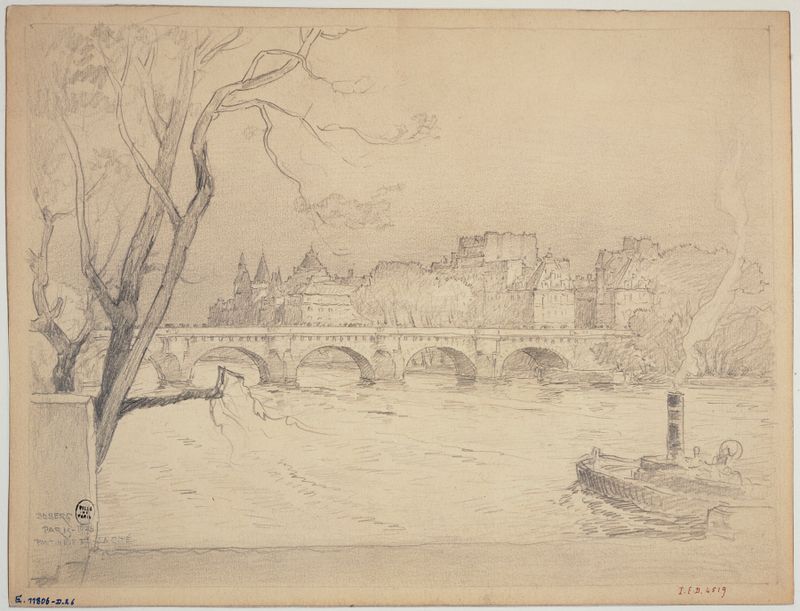
Le Pont-Neuf et la Cité
Ferdinand Boberg
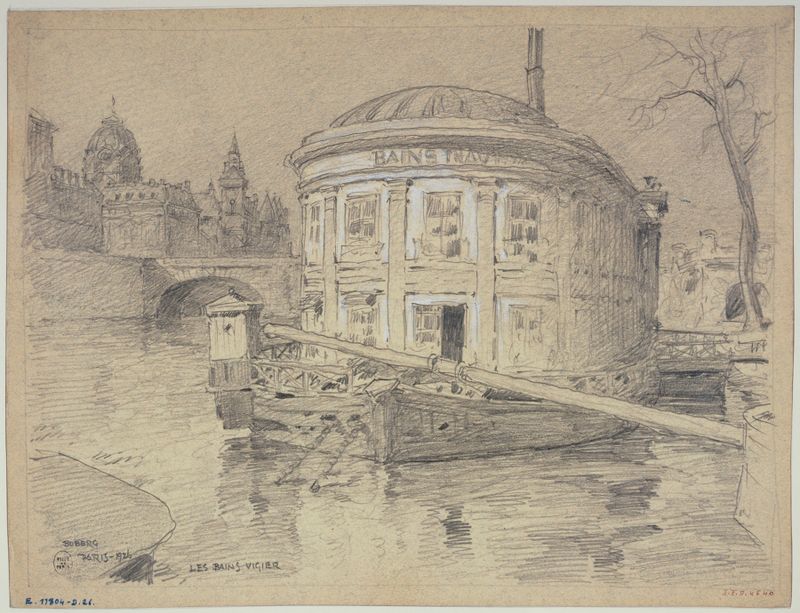
Les bains Vigier au Pont-Neuf
Ferdinand Boberg
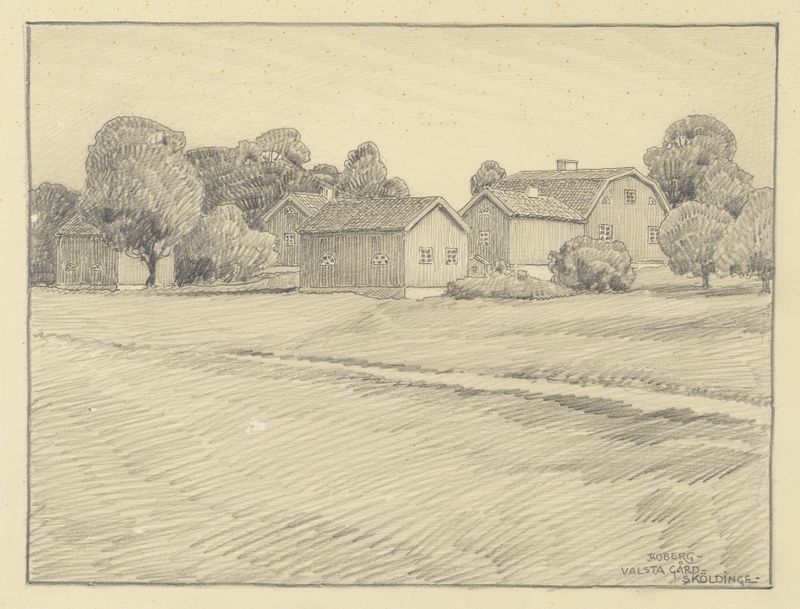
Valsta Gård
Ferdinand Boberg
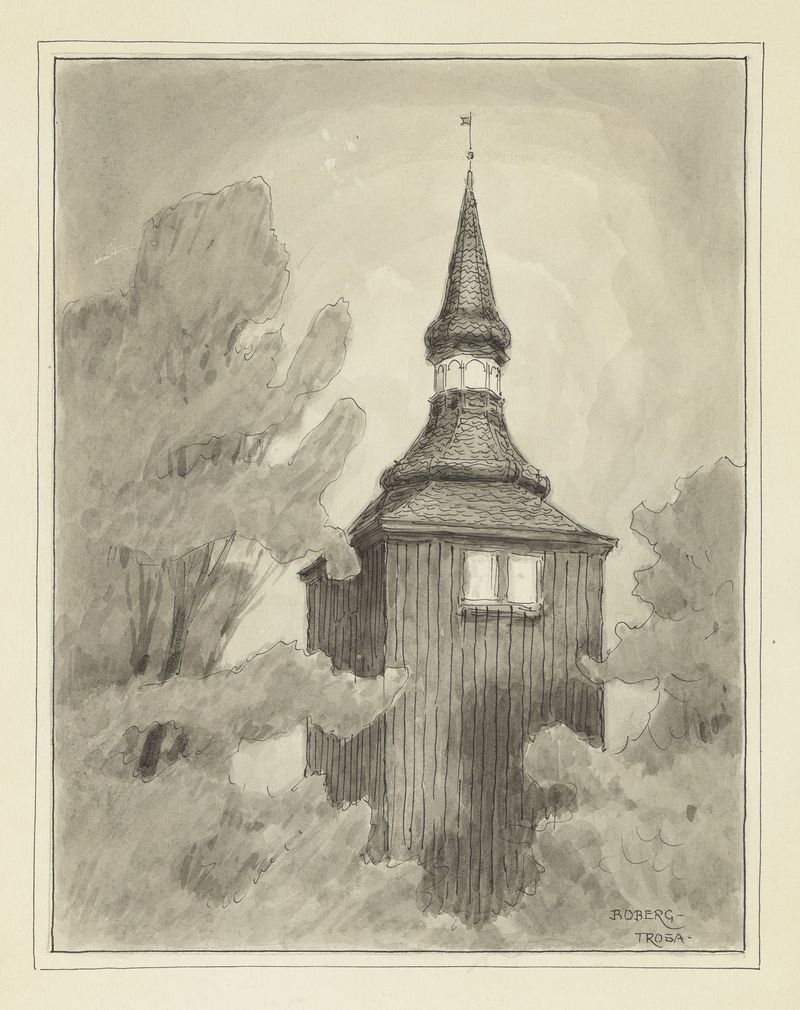
Trosa
Ferdinand Boberg
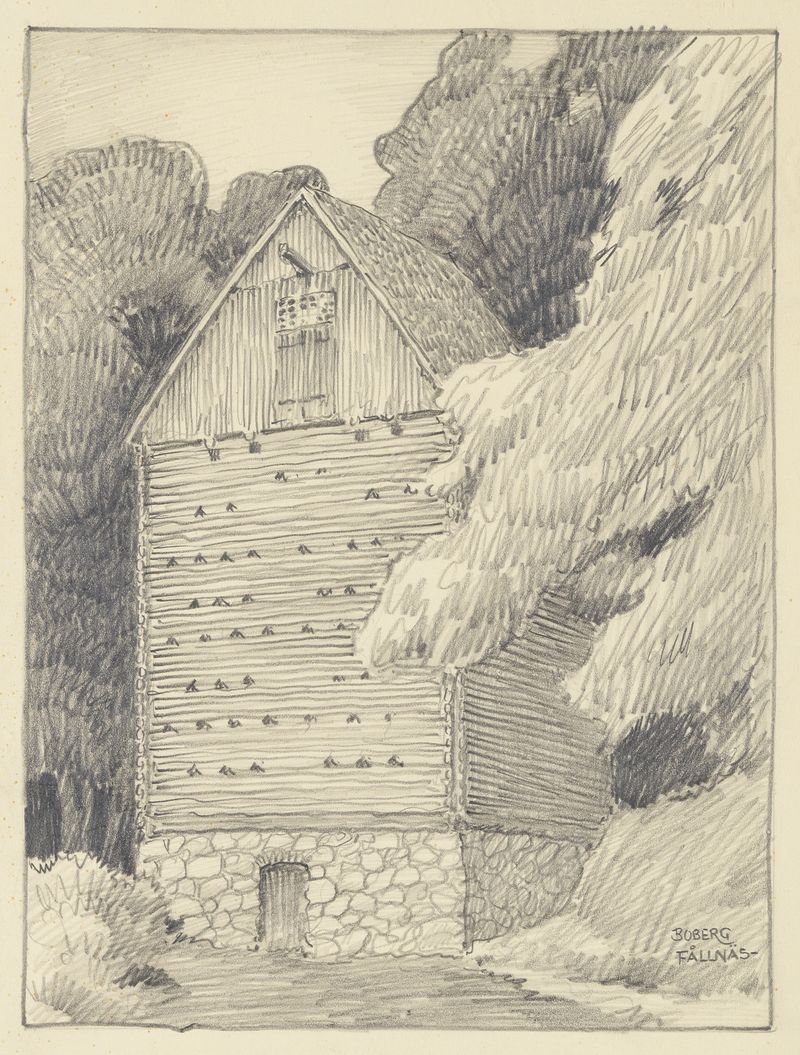
Fållnäs
Ferdinand Boberg
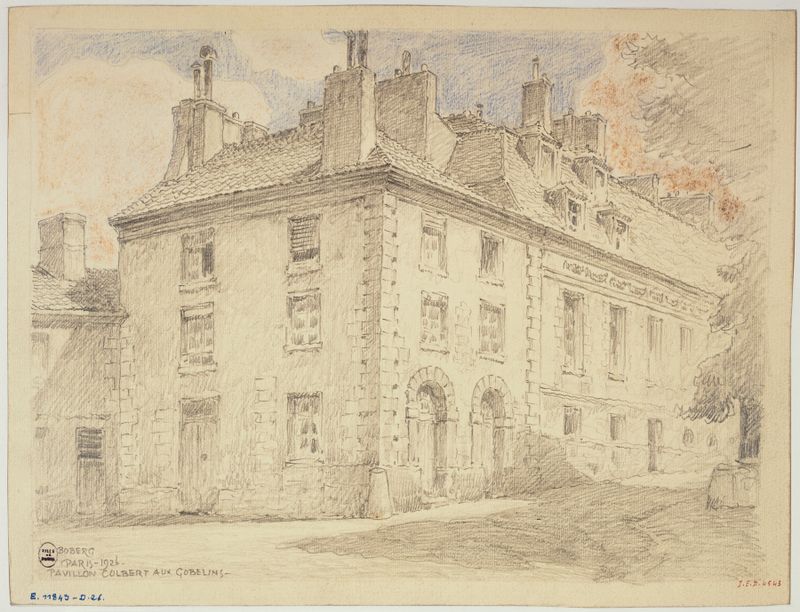
Le pavillon Colbert aux Gobelins
Ferdinand Boberg
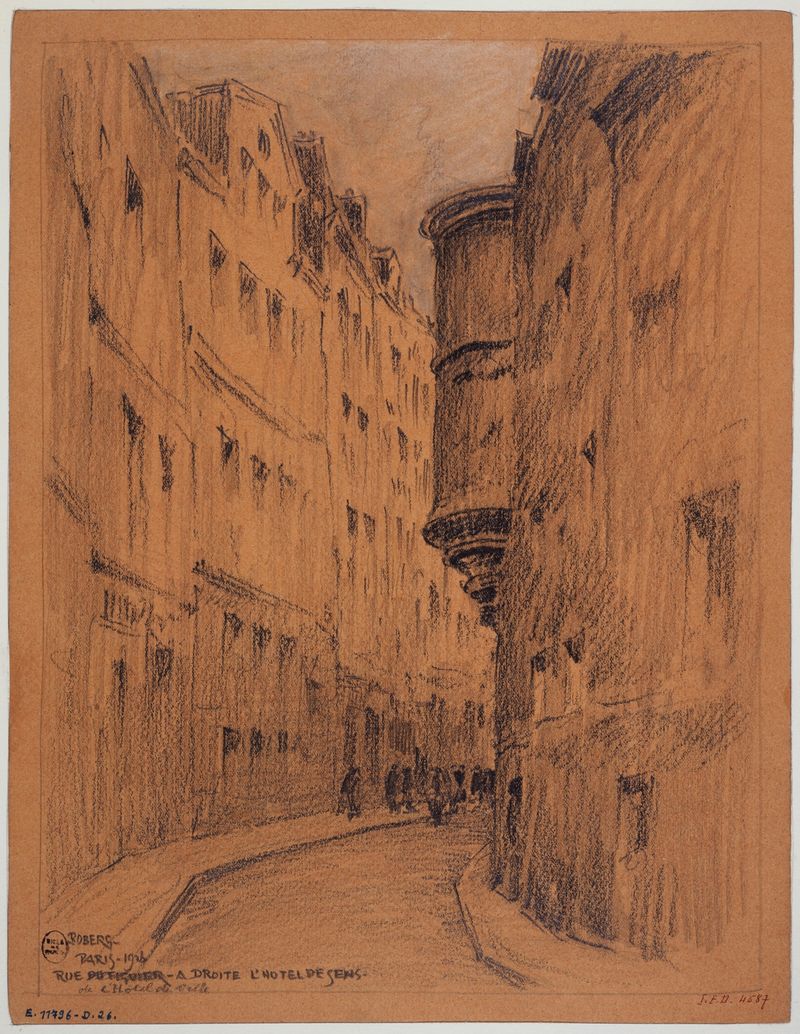
Rue de l’Hôtel de Ville; l’hôtel de Sens
Ferdinand Boberg
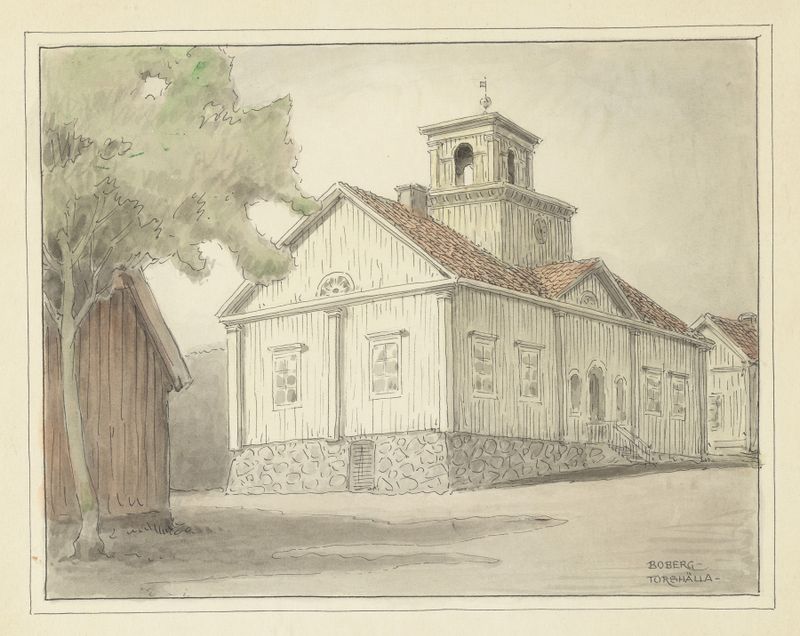
Torshälla
Ferdinand Boberg
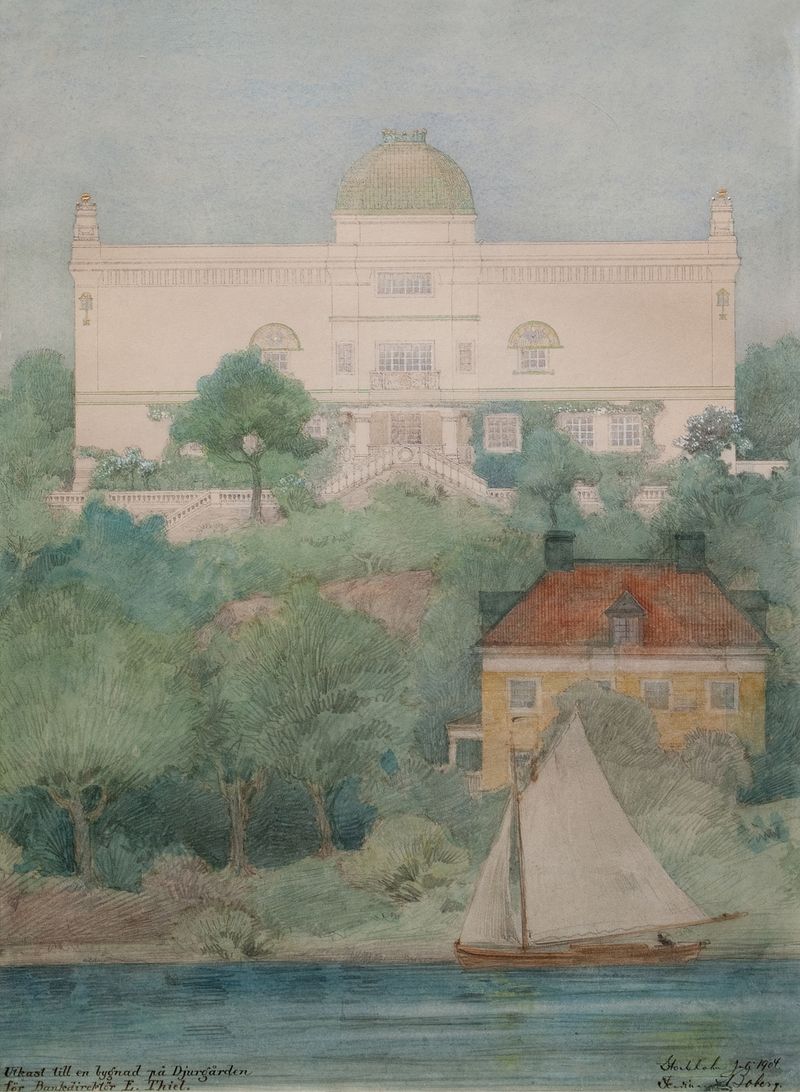
Sketch for a building for Thiel’s Gallery
Ferdinand Boberg
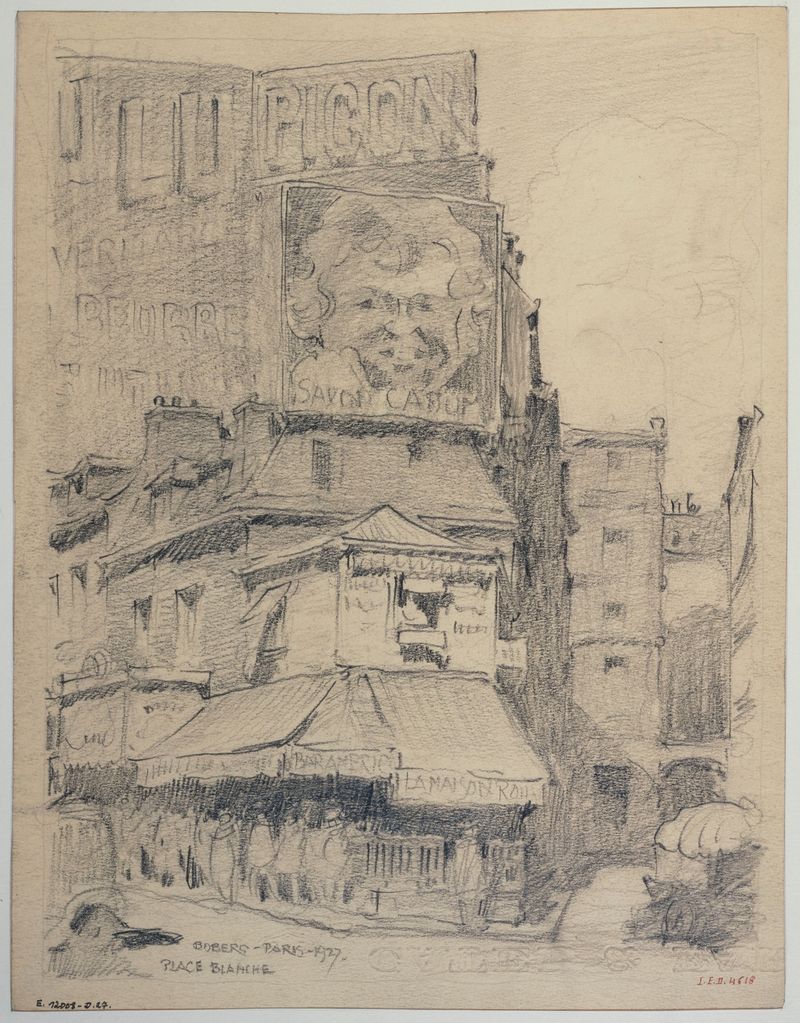
La place Blanche
Ferdinand Boberg