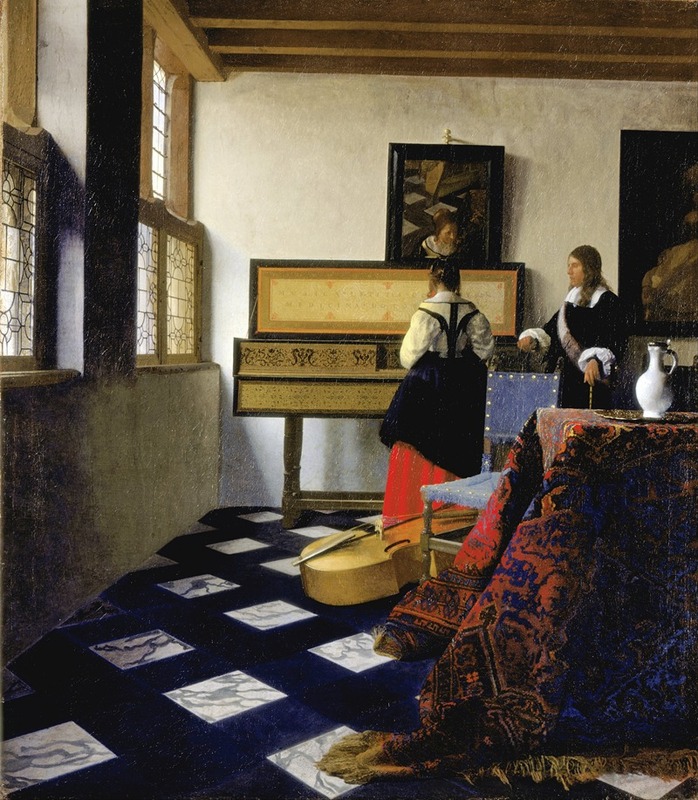
Logement du chef adjoint aux Gobelins — History & Facts
In a world teetering on the edge of revolution, how does one capture the essence of upheaval within the confines of a room? Look closely at the center of the composition, where the rich, deep tones of emerald and ochre harmonize to create an atmosphere both lush and tense. The meticulous detailing of the furnishings invites admiration, yet it’s the juxtaposition of light and shadow that stirs unease. Notice how the chiaroscuro plays upon the walls, revealing architectural features that stand as silent witnesses to the tumultuous history outside, each stroke of paint an echo of the changing times. Delve deeper into the intricate patterns that adorn the tapestry, a blend of traditional craftsmanship and modernist influence, symbolizing the clash between the old world and the new.
The subdued palette reflects a sense of contemplation amidst chaos, while the subtle distortion in perspective hints at the uncertainty of the future. Every element is laden with meaning, as if the walls themselves are in conversation, whispering secrets of resilience and transformation. Ferdinand Boberg painted this work in 1926, during a time of political and social upheaval in Europe. Positioned at the forefront of the Art Deco movement, he sought to redefine traditional artistic norms, infusing them with modern sensibilities.
This piece, created in a city grappling with its identity, mirrors the struggles and aspirations of an era deeply entrenched in revolution, capturing both the beauty and fragility of a world in flux.
More Artworks by Ferdinand Boberg
Browse all →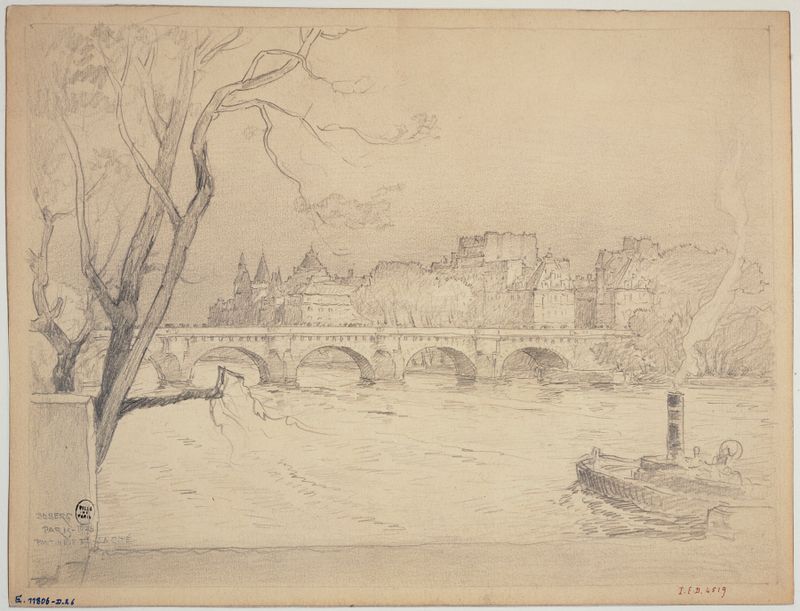
Le Pont-Neuf et la Cité
Ferdinand Boberg
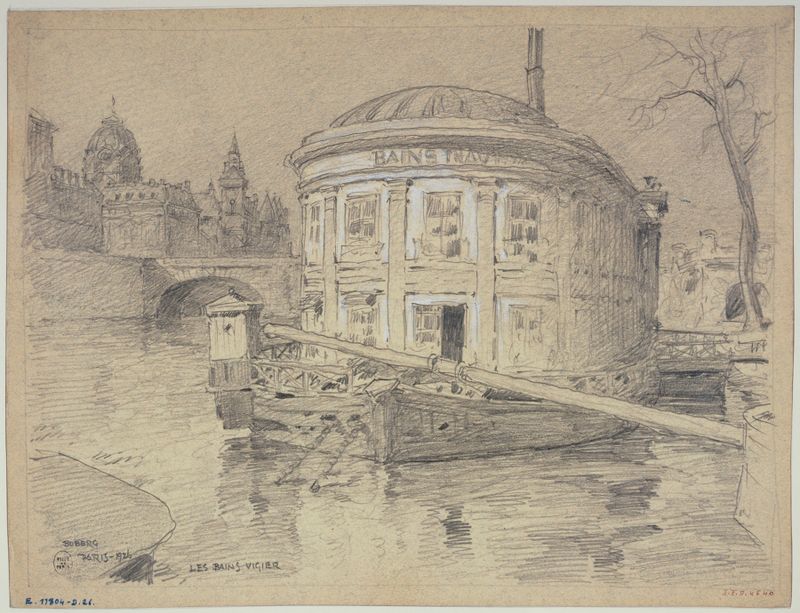
Les bains Vigier au Pont-Neuf
Ferdinand Boberg
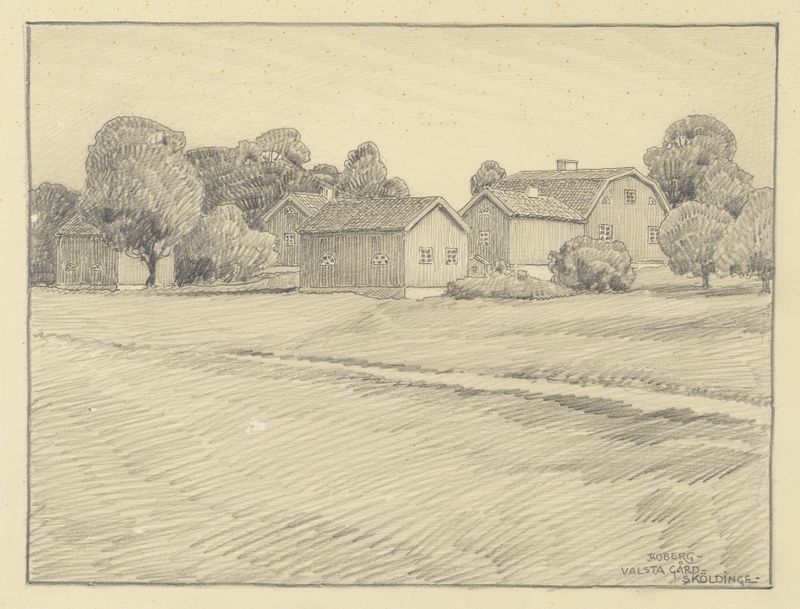
Valsta Gård
Ferdinand Boberg
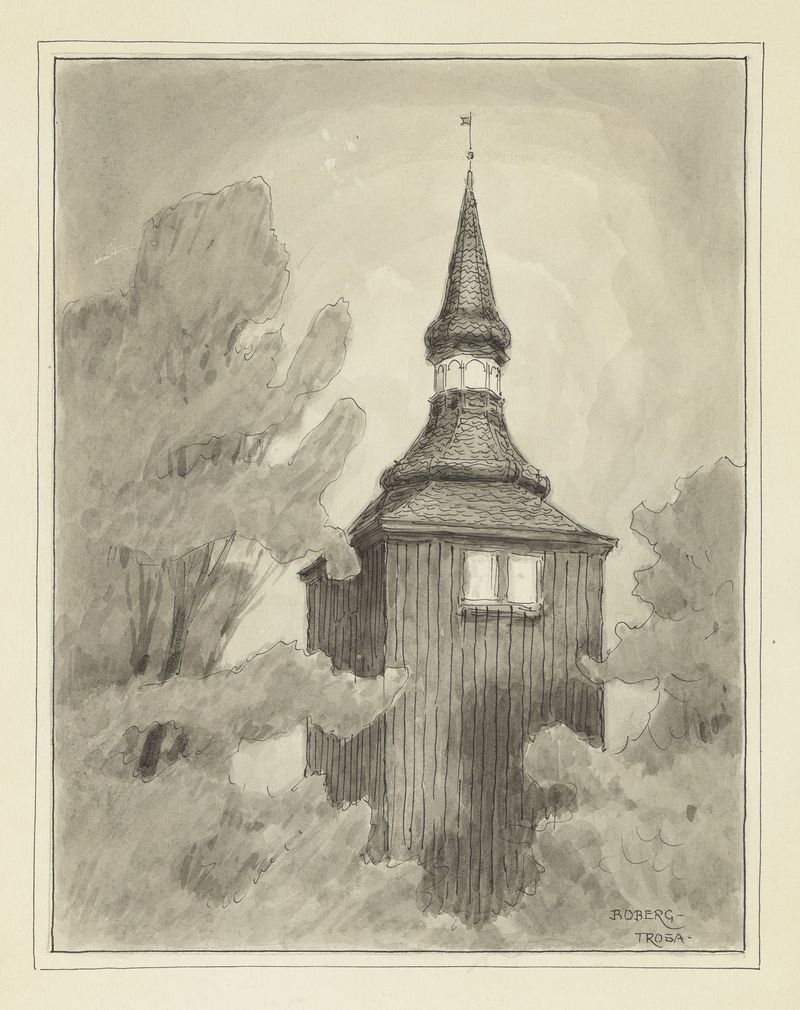
Trosa
Ferdinand Boberg
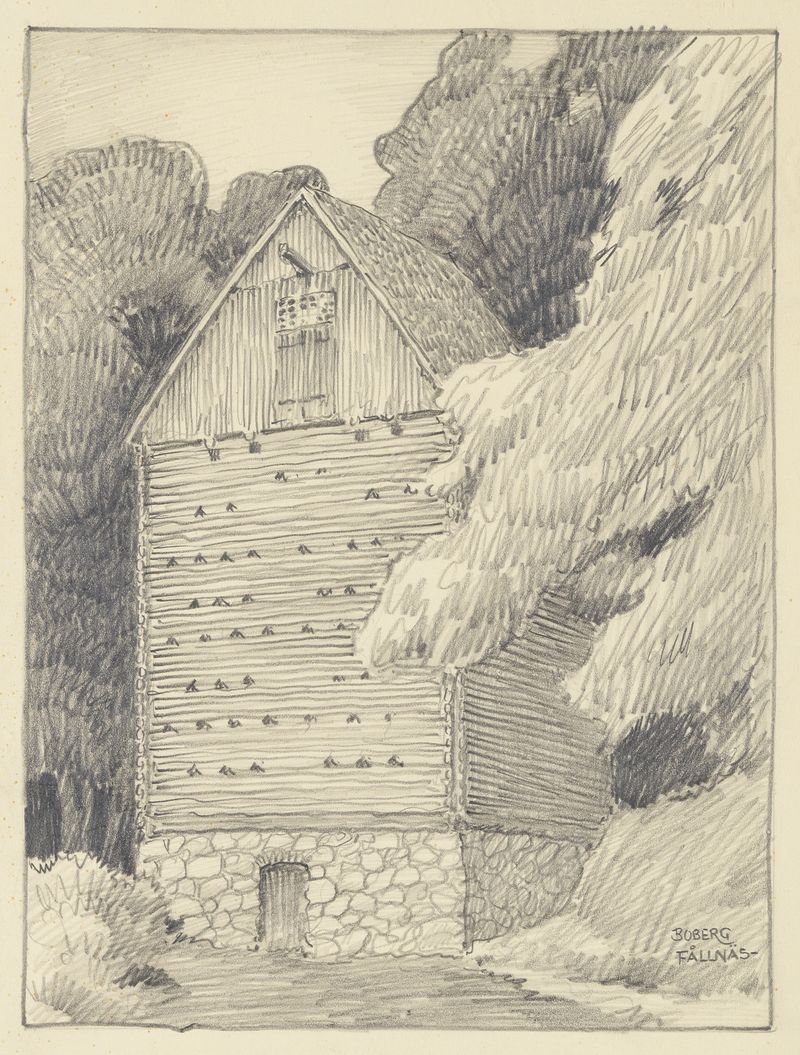
Fållnäs
Ferdinand Boberg
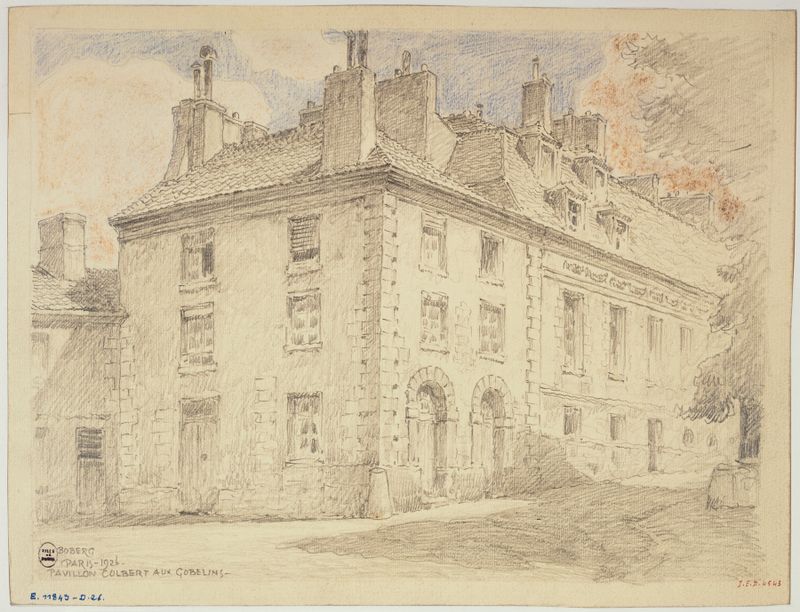
Le pavillon Colbert aux Gobelins
Ferdinand Boberg
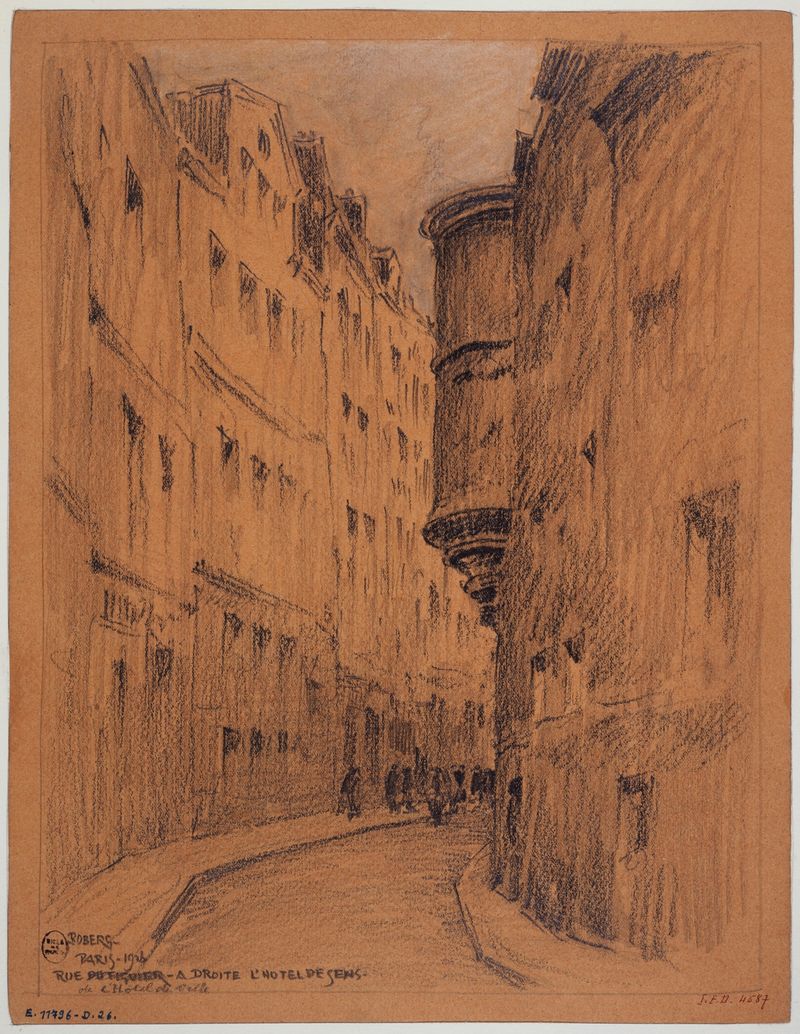
Rue de l’Hôtel de Ville; l’hôtel de Sens
Ferdinand Boberg
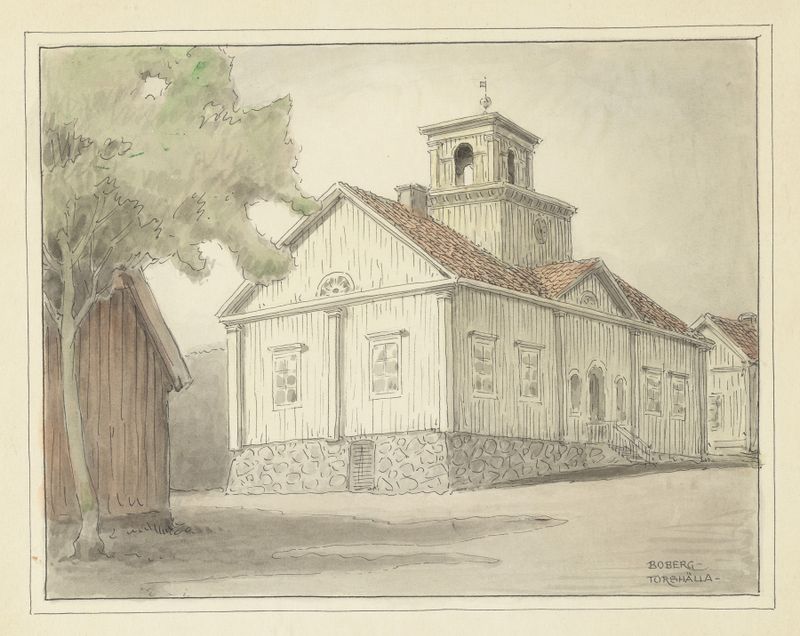
Torshälla
Ferdinand Boberg
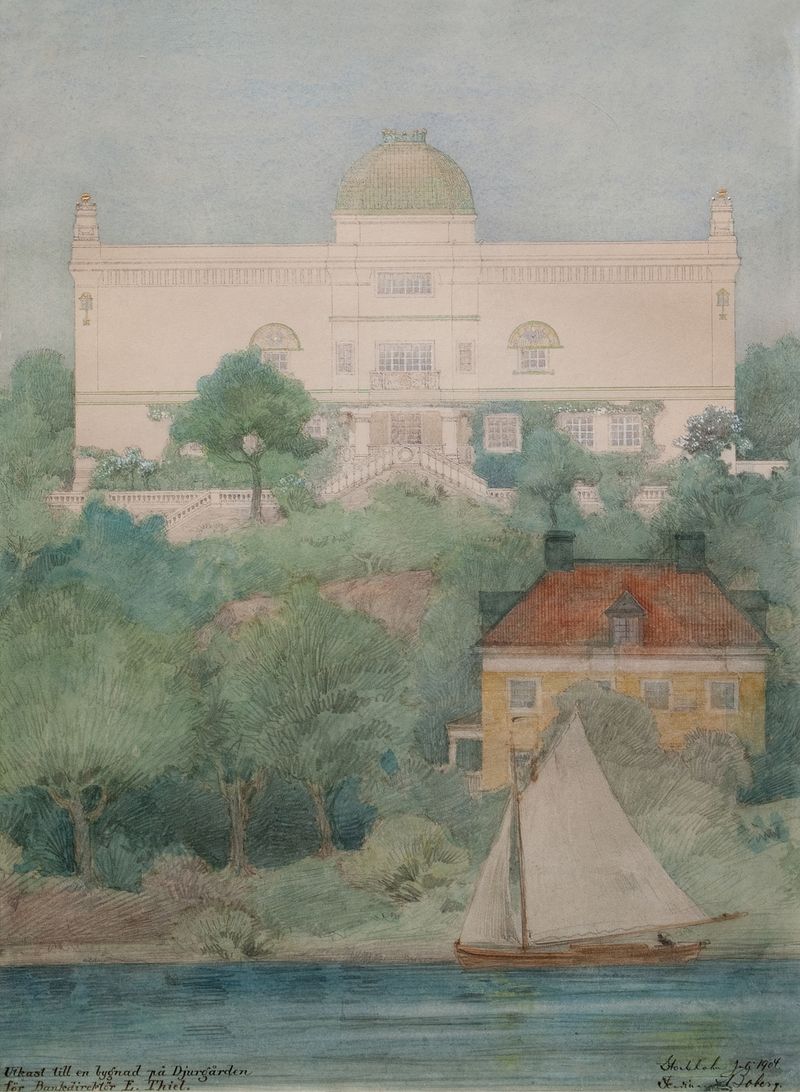
Sketch for a building for Thiel’s Gallery
Ferdinand Boberg
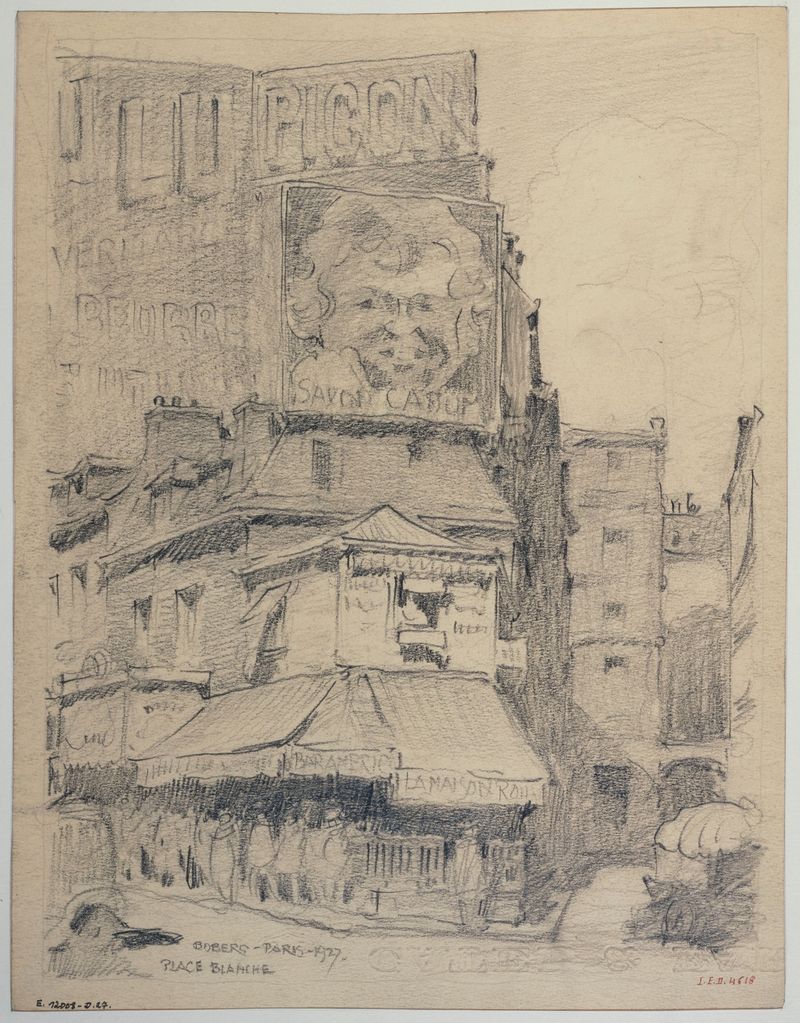
La place Blanche
Ferdinand Boberg