Loguivy — History & Facts
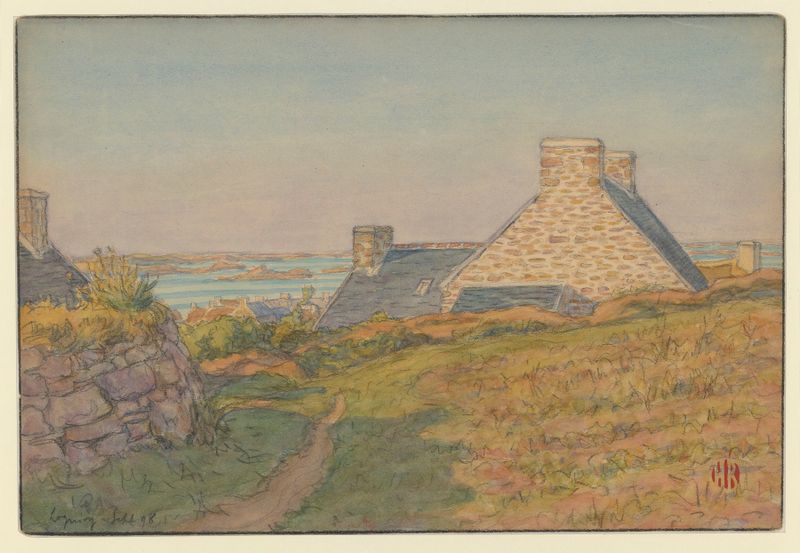
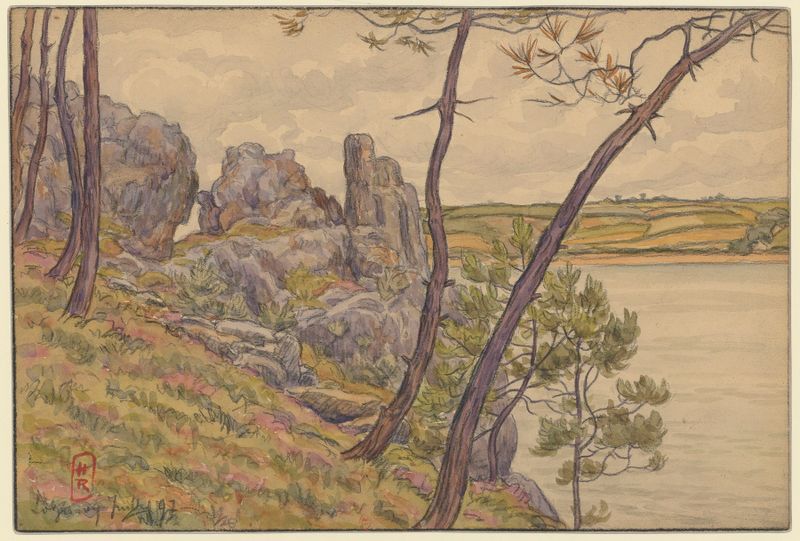
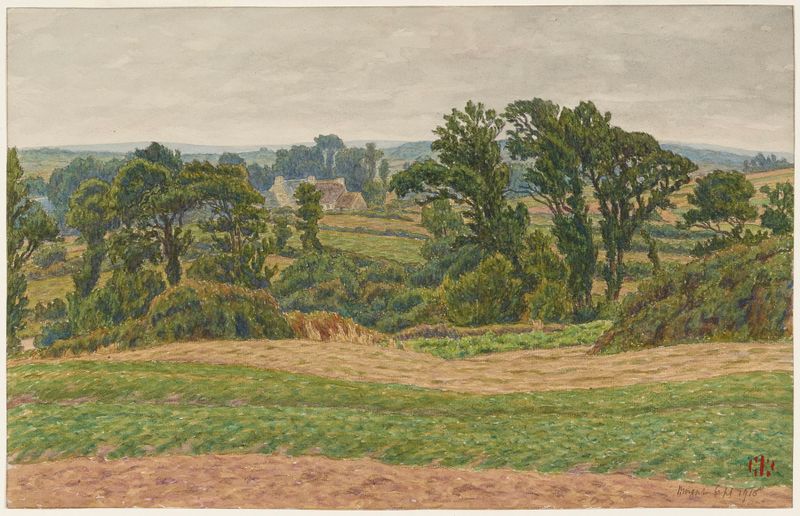
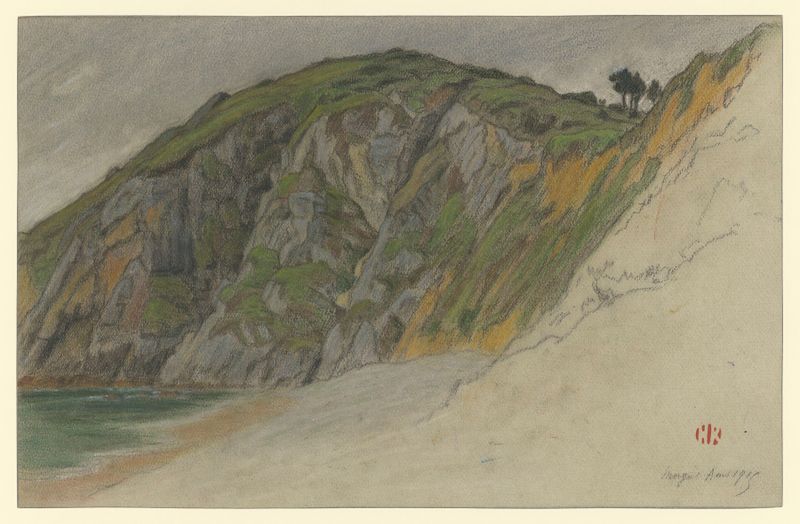
In the depths of our fears, the unseen often becomes more potent than the visible. Loguivy encapsulates this interplay between the vibrancy of life and the haunting specter of trepidation. Look to the center of the canvas, where a tumultuous sea churns beneath a brooding sky, the waves painted in sweeping strokes of deep blues and greens. Notice how the light struggles to penetrate the thick layers of clouds, casting an unsettling pallor over the scene.
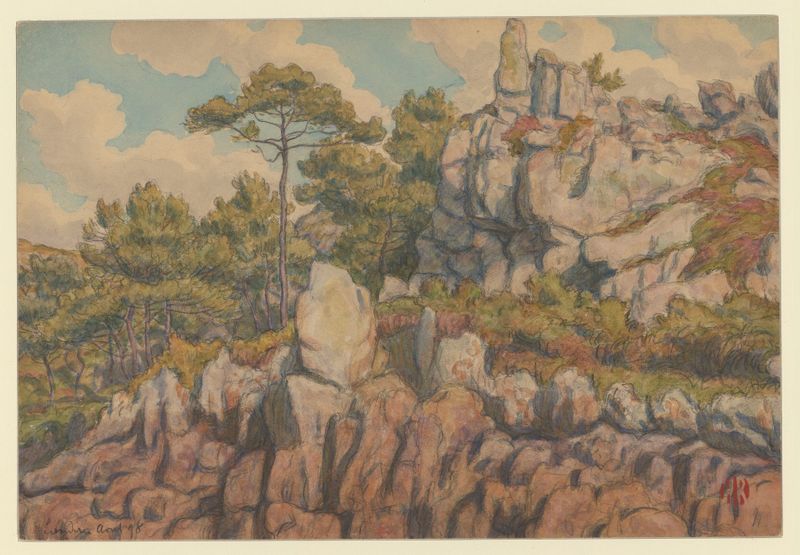
The shoreline, with its jagged rocks, is rendered with a careful economy of detail, inviting the viewer to explore the tension between the elements—each brushstroke conveying both movement and stillness, agony and beauty. The juxtaposition of the serene land against the tumultuous sea speaks to the internal conflict of existence. Here, nature becomes a mirror reflecting human emotion; the crashing waves symbolize the chaotic fears that often rise within us, while the resolute land represents our steadfastness against such turmoil. The muted color palette, punctuated by splashes of white foam, transcends simple representation, inviting contemplation on the fragility of our fears in the face of nature's relentless might. In 1900, Rivière was living in Paris, where the art world was shifting toward modernism, embracing new forms and perspectives.
The artist was exploring coastal themes, influenced by the impressionists and post-impressionists, yet he sought to convey deeper emotional truths. During this period, the world was caught in rapid industrialization, evoking a mix of wonder and anxiety—an atmosphere that undoubtedly informed his exploration of fear and vulnerability in Loguivy.