Loguivy — History & Facts
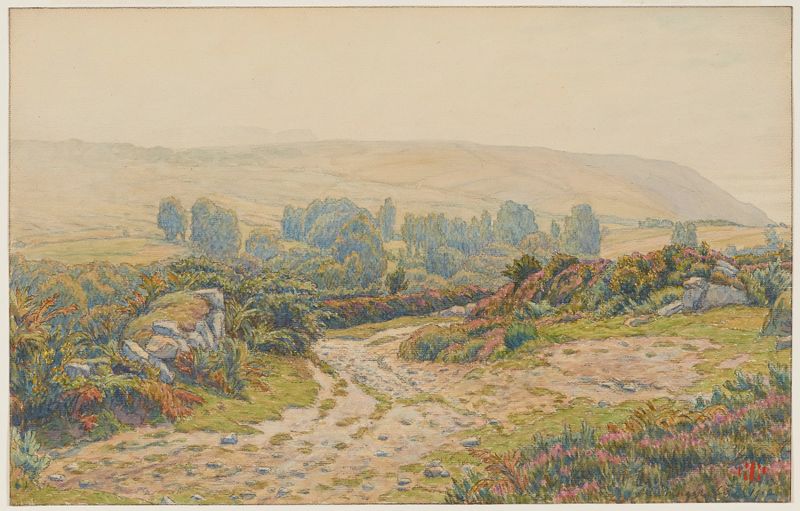
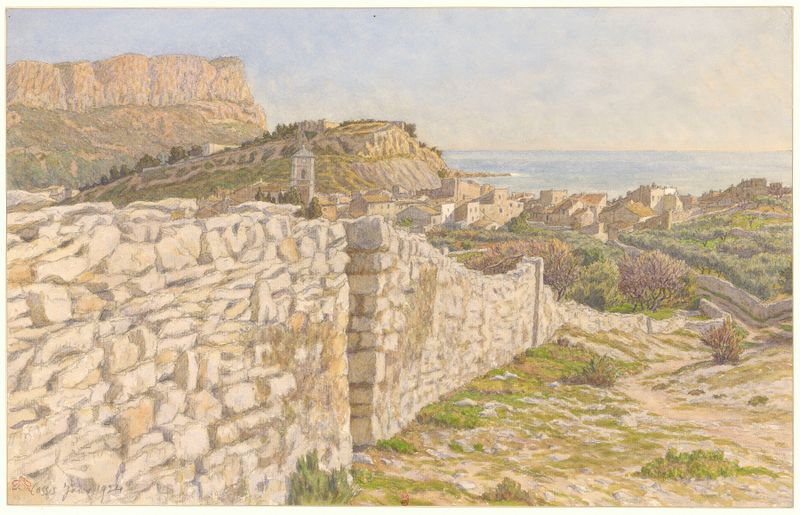
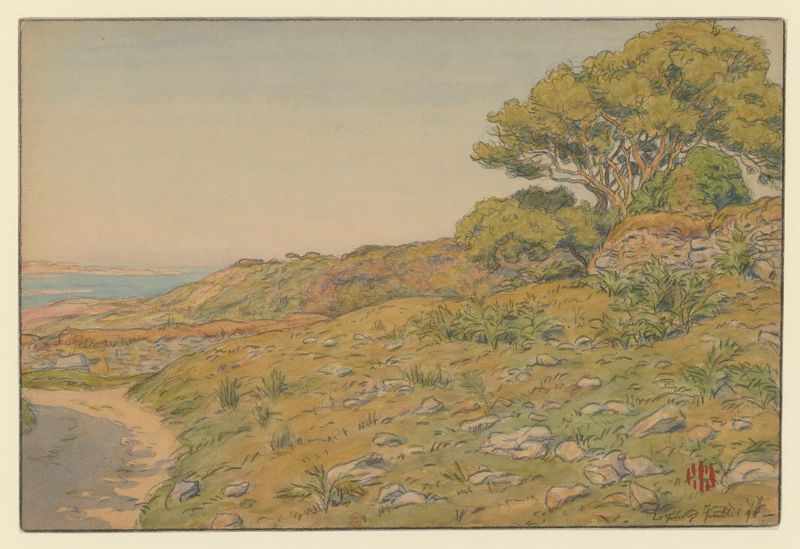
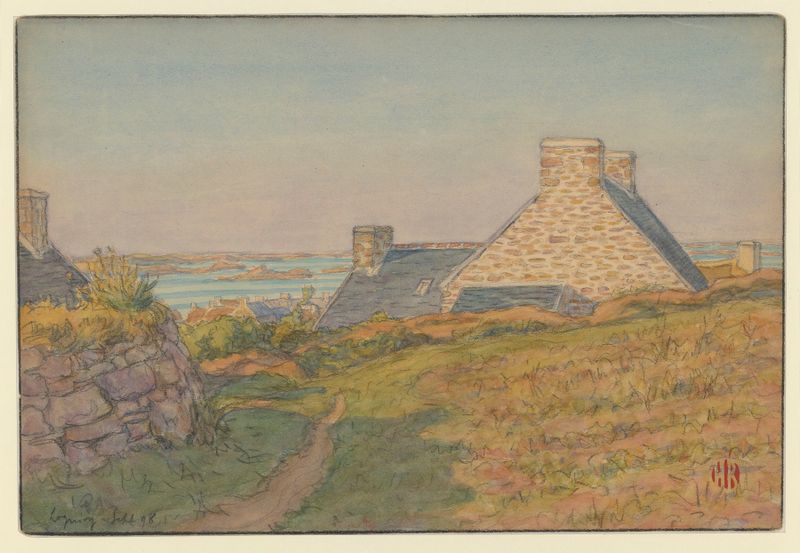
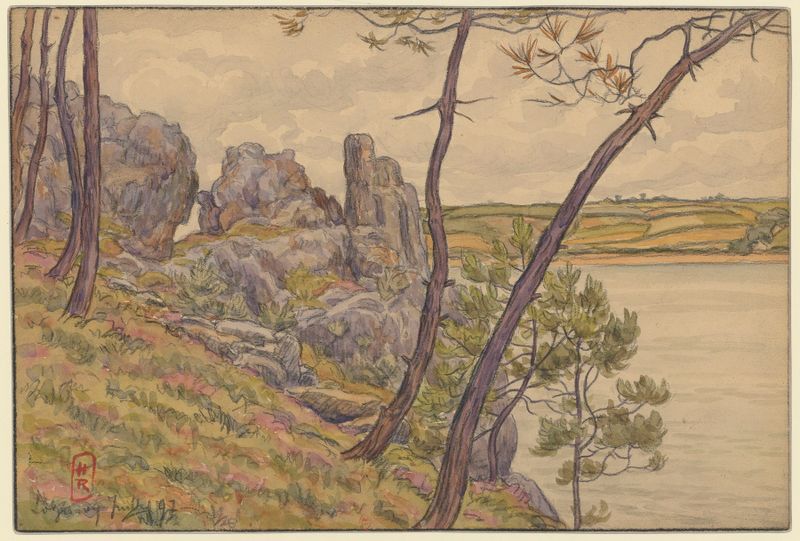
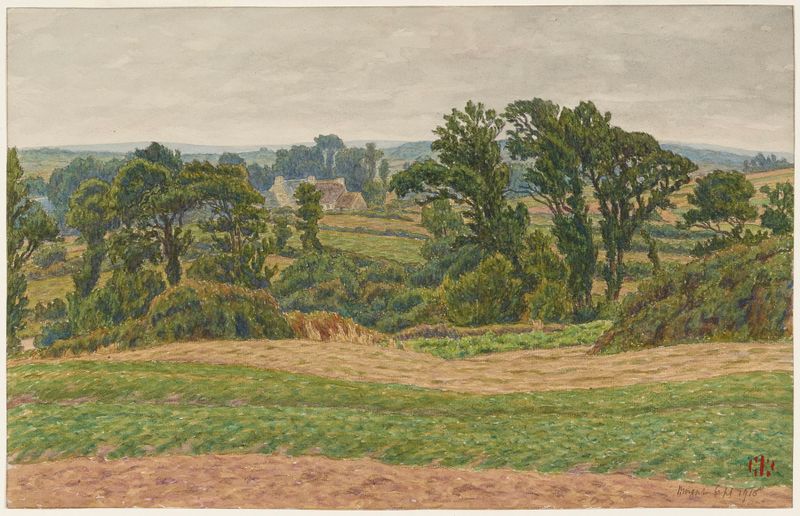
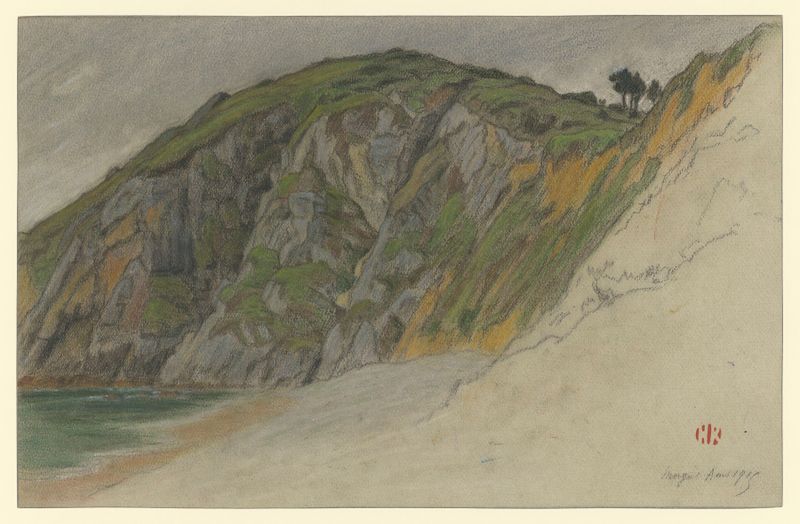
Did the painter know this moment would outlive them? In Loguivy, chaos unfurls in a symphony of color and form, capturing an essence that transcends the fleeting nature of existence. Look to the left at the tumultuous waves crashing against the jagged rocks, their frothy tendrils reaching out as if to grasp the very air. The deep blues and greens meld seamlessly with splashes of white, suggesting both the might of nature and the delicate dance of life. Notice how the artist employs thick brushstrokes that convey movement, inviting the viewer into a vivid crescendo of energy that feels almost palpable.
Every element in the composition is layered, creating a rhythm that propels the eye across the canvas. The juxtaposition between the power of the sea and the stillness of the horizon speaks to the struggle between chaos and tranquility. There’s a tension present, one that suggests the fragility of human existence against the relentless forces of nature. The light, ethereal yet fierce, hints at an impending storm, perhaps symbolizing personal or universal turmoil—a chaos that underscores the beauty of creation and destruction. In 1897, Henri Rivière painted this work during a time when he was immersed in the symbolist movement, seeking to convey deeper truths through evocative imagery.
Living in Paris, he was influenced by the changing landscapes of modernity and the exploration of emotions in art. Rivière's focus on nature as a reflection of human experience was a core component of his artistic philosophy, making Loguivy a resonant piece within his oeuvre and a testament to the era's complexities.