Loguivy — History & Facts
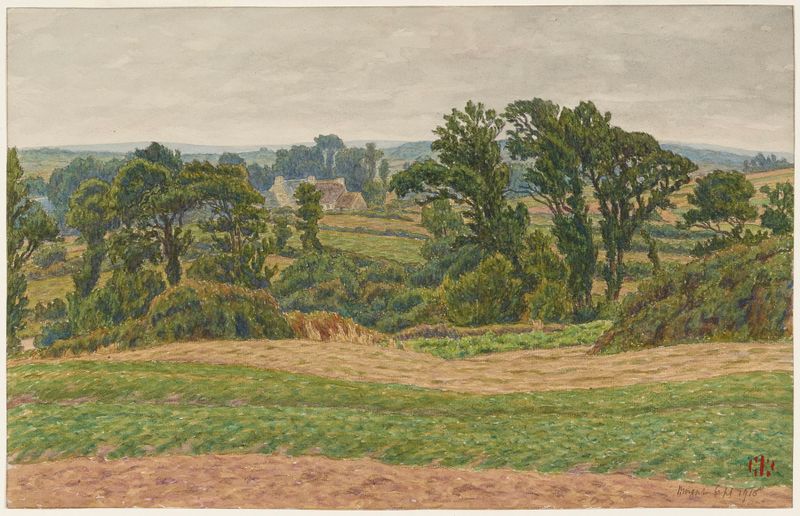
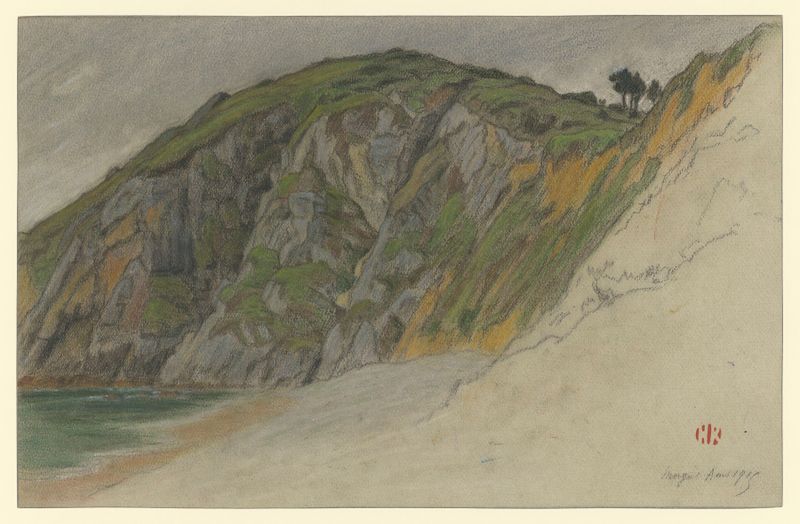
Who listens when art speaks of silence? In a world crowded with noise, the emptiness captured in Loguivy invites us to reflect deeply on absence and presence. Look to the center of the canvas, where a solitary fishing boat drifts gently upon the calm waters. The brushwork is delicate, creating a serene texture that mimics the glassy surface of the sea. Notice how the subtle hues of blue and gray blend seamlessly, giving life to the immensity of the ocean and sky.
The faint outlines of the distant shoreline provide a sense of direction, yet they remain shrouded in mist, suggesting both tranquility and isolation. As you explore the edges of the composition, the stark contrast between the empty spaces and the subtle hints of life speaks volumes. The boat, though seemingly abandoned, appears poised for a journey, embodying both hope and solitude. This duality evokes a strong emotional tension, as the viewer grapples with the idea of longing amidst stillness.
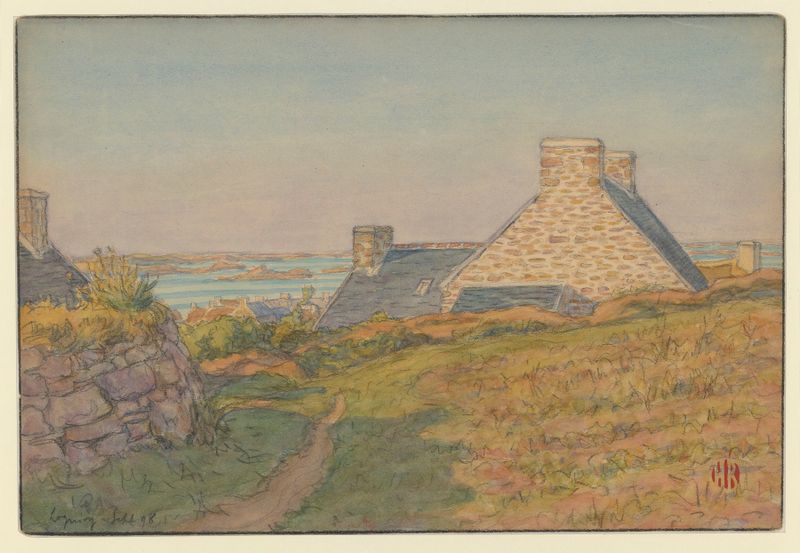
The vast expanse around the vessel amplifies feelings of introspection and vulnerability, inviting personal narratives of departure and return. Henri Rivière painted Loguivy in 1896 while residing in Paris. This period was marked by a shift in artistic movements, as artists began to embrace Impressionism's exploration of light and atmosphere. Rivière’s work reflects his deep connection to nature and the coasts of Brittany, where he found inspiration in the landscapes that mirrored his own contemplative approach to life.
As he navigated the art world, his focus on understated beauty paved the way for a more emotive connection between viewer and art.