Loguivy — History & Facts
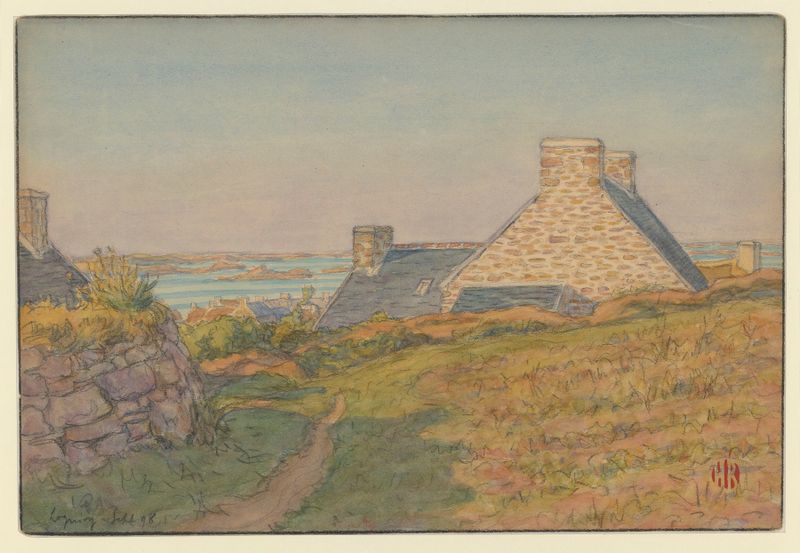
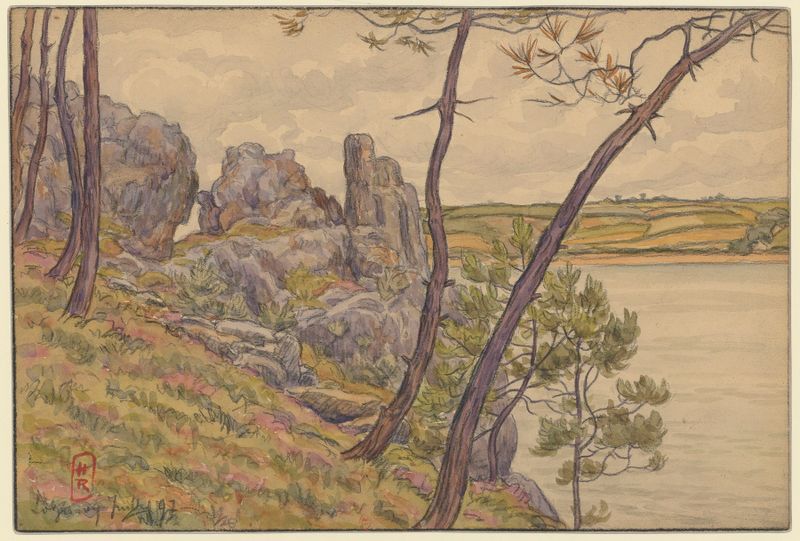
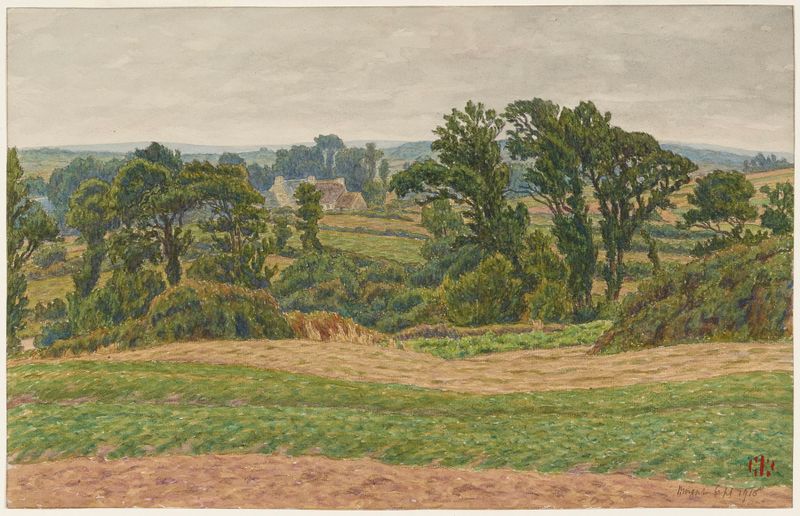
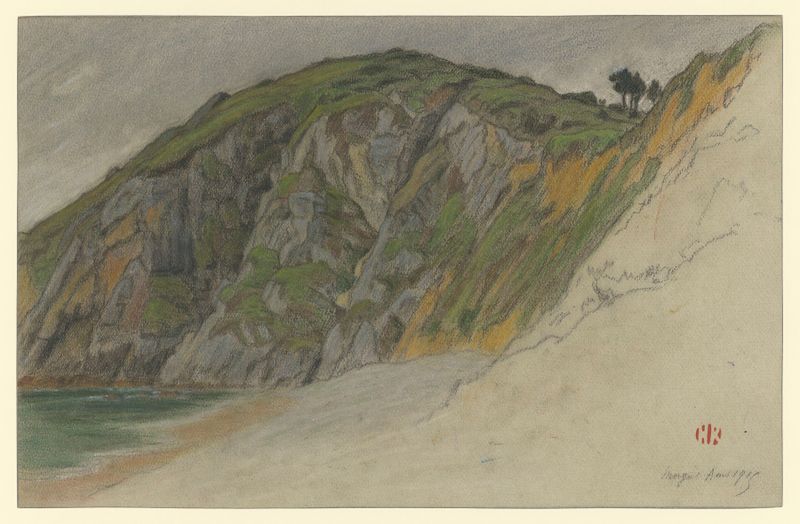
In the quiet confines of our minds, memories linger like the soft hues of a sunset, forever etched in the fabric of time. Look to the swirling blues and greens, where the gentle brushstrokes evoke the ebb and flow of the sea. Notice how the water's surface reflects the play of light, shimmering with a muted brilliance that invites your gaze deeper. The layered textures create a sense of movement, as if the waves breathe, whispering secrets of the shore.
Rivière employs a palette that dances between tranquility and nostalgia, capturing the essence of a fleeting moment suspended in the air. Yet, amid this serene tableau, there is an undercurrent of longing. The interplay of shadow and light suggests an emotional tension, as if the scene yearns for a forgotten past. Each stroke conveys a memory—perhaps a day spent by the water, a lingering glance at a loved one.
The subtle contrasts between warm and cool tones reflect the complexity of recollection, where joy and sorrow intertwine, painting a complete picture of human experience. In 1901, Rivière was navigating a tumultuous period in his artistic journey, exploring the intersection of Impressionism and the symbolism movement. Working from his studio in Paris, he was influenced by the changing landscapes of art, which sought to transcend mere representation and delve into emotional truths. The creation of this piece marked a pivotal moment, as he embraced the depths of memory and emotion that would define much of his later work.